





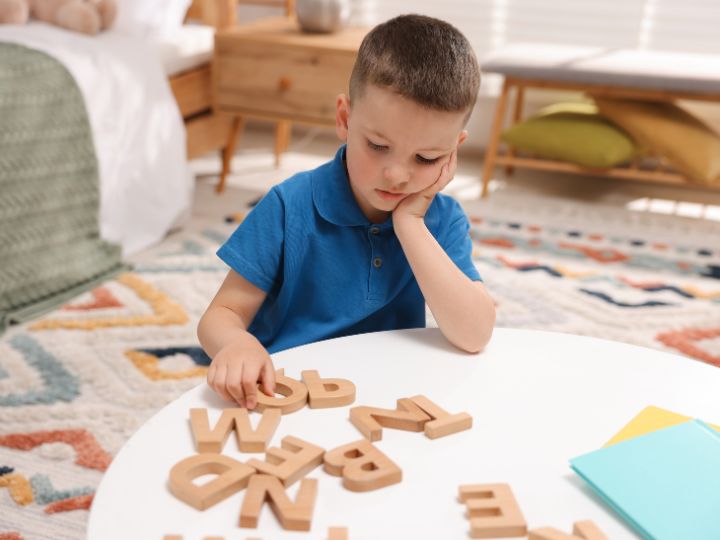
Identifying learning difficulties and auditory processing disorder in primary school children can be challenging, especially when early signs are subtle. As kids transition from home to school, their learning environment becomes more structured, and differences in processing, attention, and comprehension can become apparent. Early recognition is crucial because timely support can significantly improve a child’s academic performance, confidence, and social development. In this article, we’ll explore the early indicators of learning difficulties & auditory processing disorder, what parents and educators can look out for, and strategies to support children who may be struggling.
Understanding Learning Difficulties & Auditory Processing Disorder
Before delving into the early signs, it’s helpful to understand what learning difficulties and auditory processing disorder (APD) are.
- Learning difficulties refer to challenges in acquiring knowledge and skills at the expected rate for a child’s age. These difficulties may affect reading, writing, mathematics, memory, attention, or problem-solving.
- Auditory processing disorder is a condition where the brain struggles to interpret sounds correctly, even though a child’s hearing is normal. Kids with APD may hear words but have difficulty distinguishing or remembering them, especially in noisy environments like classrooms.
Both conditions can co-exist, making early identification and support crucial for academic and social development.
Early Signs to Watch For in Primary School Children
Children may exhibit a variety of signs depending on the severity of their condition. Observing patterns over time, rather than isolated incidents, is essential.
Difficulty Following Instructions
One of the first indicators of learning difficulties & auditory processing disorder is trouble following multi-step instructions. Children may:
- Frequently ask “What?” or “Can you repeat that?”
- Forget parts of instructions, especially in a noisy classroom
- Struggle with tasks that require sequential steps, such as homework or group activities
Challenges with Reading and Writing
Reading and writing difficulties are common early signs of learning difficulties. Parents and teachers may notice:
- Slow reading or frequent errors when reading aloud
- Difficulty recognising words or letters
- Trouble spelling even simple words
- Avoidance of reading or writing tasks
Issues with Listening and Concentration
Kids with APD may find it hard to focus, particularly in environments with background noise. Signs include:
- Appearing “distracted” or daydreaming in class
- Struggling to remember oral instructions
- Misunderstanding questions or responding incorrectly
- Difficulty distinguishing similar-sounding words (e.g., “cat” vs. “cap”)
Social and Emotional Indicators
Learning difficulties and APD can also impact a child’s emotional well-being. You may notice:
- Frustration or anxiety during school tasks
- Avoidance of social interactions or group work
- Low self-esteem or reluctance to participate in class activities
How Parents and Educators Can Support Early Detection
Timely intervention can make a significant difference. Here are practical steps for parents and educators:
Observation and Documentation
- Keep a log of patterns, behaviours, and challenges over weeks or months
- Note situations where the child struggles most (e.g., noisy classroom, group instructions)
- Share observations with school staff and professionals for a comprehensive understanding
Collaborate with Learning Professionals
Learning disability therapy can provide specialised strategies to support children with learning difficulties & auditory processing disorder. Professionals may:
- Conduct assessments to identify specific challenges
- Develop personalised strategies to improve listening, reading, and comprehension
- Offer tools and techniques to enhance classroom engagement and confidence
Adapt Learning Environments
Simple adjustments can significantly benefit children with APD or learning difficulties, such as:
- Providing written instructions alongside verbal directions
- Minimising background noise during learning activities
- Using visual aids or hands-on tasks to reinforce learning
- Breaking tasks into smaller, manageable steps
Common Misconceptions
It’s important to address some misconceptions around learning difficulties & auditory processing disorder:
- “The child isn’t trying hard enough.” Many kids are motivated but need specific strategies to process information effectively.
- “It’s just a phase.” Persistent difficulties that affect learning and social interactions should not be dismissed.
- “Hearing tests alone can detect APD.” Standard hearing assessments may show normal results; specialised auditory processing evaluations are required.
Recognising these misconceptions helps ensure children receive timely, appropriate support without unnecessary blame or frustration.
Long-Term Benefits of Early Intervention
Children who receive early support for learning difficulties & auditory processing disorder often experience:
- Improved academic outcomes and classroom participation
- Enhanced listening, reading, and comprehension skills
- Greater self-confidence and motivation
- Reduced risk of social or emotional challenges
Early intervention not only supports learning but also lays the foundation for long-term success in school and life.
Summary
Identifying the early signs of learning difficulties & auditory processing disorder in primary school children is key to providing effective support. Indicators include difficulty following instructions, reading and writing challenges, concentration issues, and social or emotional struggles. Parents as well as educators can play a vital role by observing patterns, collaborating with learning professionals, and adapting learning environments. Learning disability therapy can offer tailored strategies to help children thrive academically and socially. By recognising these signs early and taking proactive steps, parents and teachers can ensure children have the tools and confidence they need to succeed. Early support transforms learning challenges into opportunities for growth, empowering kids to reach their full potential.

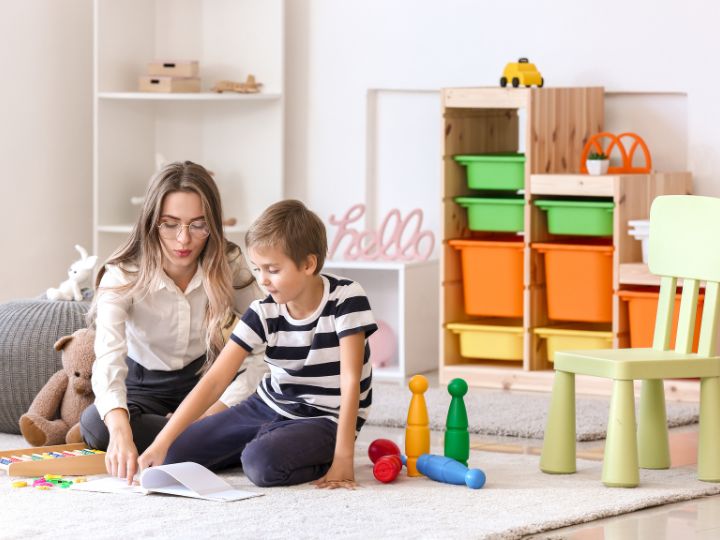



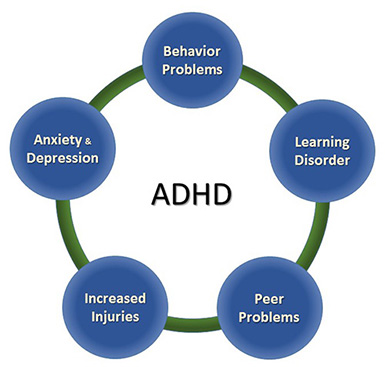
If your child is trying his best to learn some skills but is unable to keep up with his peers, it is important to know why.
Your child may have a learning disability.
A term, which used to describe an array of learning difficulties known as a Learning disability.https://ortongillinghamtutorsnj.wordpress.com/2019/12/14/find-and-improve-learning-disabilities-in-children-nj/