Introduction to IV Cannula as a Medical Device
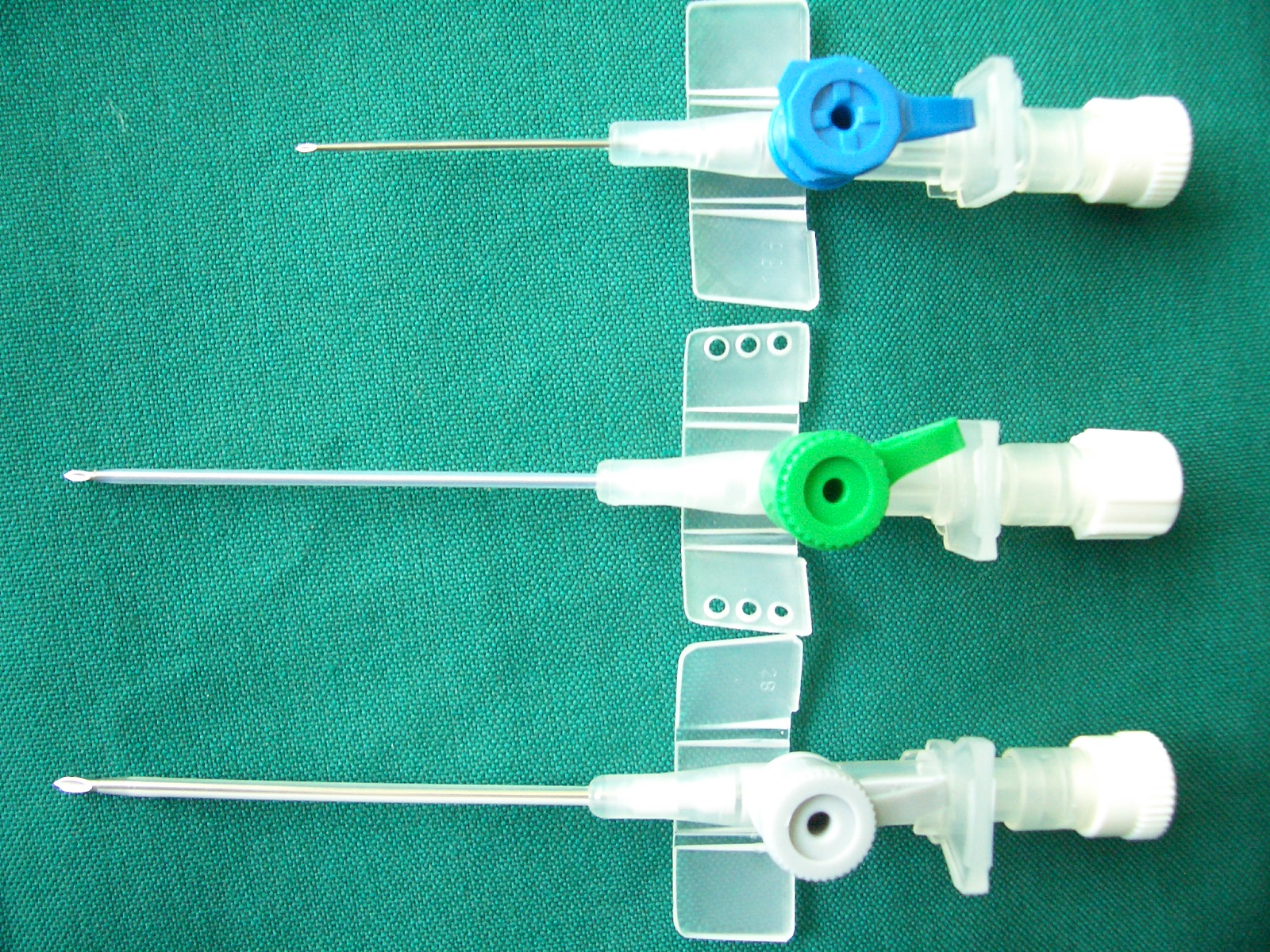
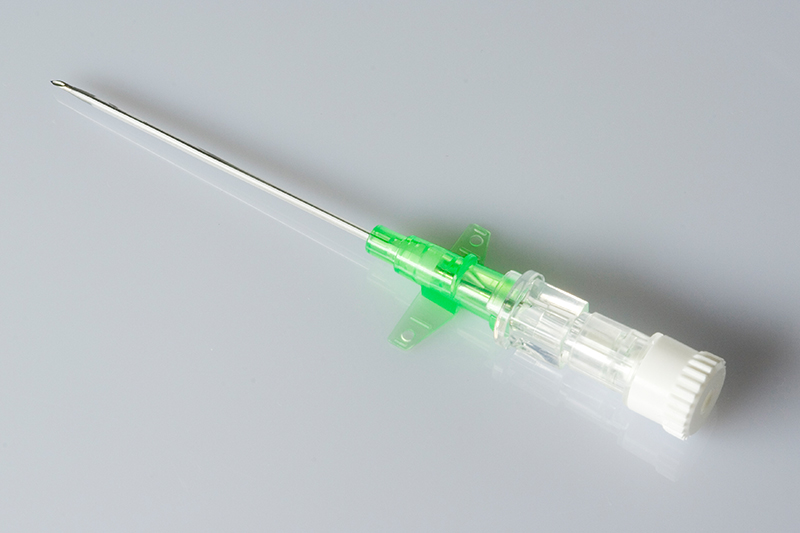
An intravenous (IV) cannula is a commonly used sterile medical device designed to provide direct access to a patient’s bloodstream. It enables the administration of fluids, medications, blood products, and nutrients in clinical settings. Despite its simple appearance, an IV cannula is a regulated medical device that must meet strict quality, safety, and performance requirements before it reaches healthcare professionals and patients.
IV cannula manufacturing requires controlled processes, validated materials, and compliance with international medical device manufacturing standards. A quality-driven approach is essential to ensure consistent performance and patient safety.
Clinical Importance and Applications of IV Cannula
IV cannulas are used across hospitals, clinics, emergency care units, and home healthcare settings. They are critical for procedures such as intravenous therapy, anesthesia administration, blood transfusions, and diagnostic testing.
Because IV cannulas come into direct contact with blood and tissue, any defect can lead to complications such as infection, phlebitis, infiltration, or device failure. This clinical importance places IV cannulas in the category of sterile disposable medical devices that require high manufacturing precision and stringent quality control.
Overview of IV Cannula Manufacturing Process
The IV cannula manufacturing process involves multiple controlled stages designed to ensure product safety, sterility, and functional reliability. The process typically includes component molding, assembly, inspection, sterilization, and packaging.
Manufacturers must ensure that every step is documented, validated, and performed under controlled environmental conditions. A detailed overview of the IV cannula manufacturing process is essential for regulatory compliance and operational consistency.
For deeper insights into regulated manufacturing practices and industry expectations, resources published by Operon Strategist provide valuable educational perspectives.
Raw Materials and Component Selection
Material selection is a critical factor in IV cannula manufacturing. The primary components include the catheter tube, needle, hub, cap, and protective packaging. Common materials include medical-grade polymers such as PTFE, polyurethane, or FEP for catheter tubing, and stainless steel for needles.
All raw materials must meet biocompatibility requirements as per ISO 10993 standards. Suppliers should be qualified, and incoming materials must undergo inspection and testing to ensure consistency, purity, and traceability. Poor material quality can compromise device performance and patient safety.
Assembly and Process Control
Assembly of IV cannulas is typically performed using semi-automated or fully automated systems to maintain consistency and reduce human error. Critical assembly steps include needle insertion, catheter bonding, hub attachment, and leak testing.
Environmental controls such as cleanroom conditions are essential during assembly to prevent contamination. Process parameters must be monitored and validated to ensure repeatability. Any deviation from established procedures must be investigated and documented as part of quality management practices.
Quality Control and Validation Requirements
Quality control is an integral part of IV cannula manufacturing. Manufacturers must perform in-process and final product testing to verify dimensional accuracy, flow rate, tensile strength, and needle sharpness.
Validation activities include process validation, equipment qualification, and software validation where applicable. Compliance with ISO 13485 manufacturing requirements ensures that quality systems are implemented effectively throughout the product lifecycle. Proper documentation supports regulatory inspections and audits.
Sterilization and Packaging Considerations
Since IV cannulas are sterile disposable devices, sterilization is a critical manufacturing step. Common sterilization methods include ethylene oxide (EtO) and gamma irradiation. The chosen method must be validated to achieve the required sterility assurance level without degrading material performance.
Packaging systems must maintain sterility until the point of use. Packaging validation includes seal integrity testing, aging studies, and transportation simulation. Labeling must clearly indicate sterility, expiration date, and usage instructions.
Regulatory and Compliance Expectations (Global Overview)
IV cannulas are regulated as medical devices across global markets. In many regions, they fall under moderate-risk classifications, requiring compliance with national regulatory authorities such as the US FDA, CDSCO in India, and EU MDR requirements.
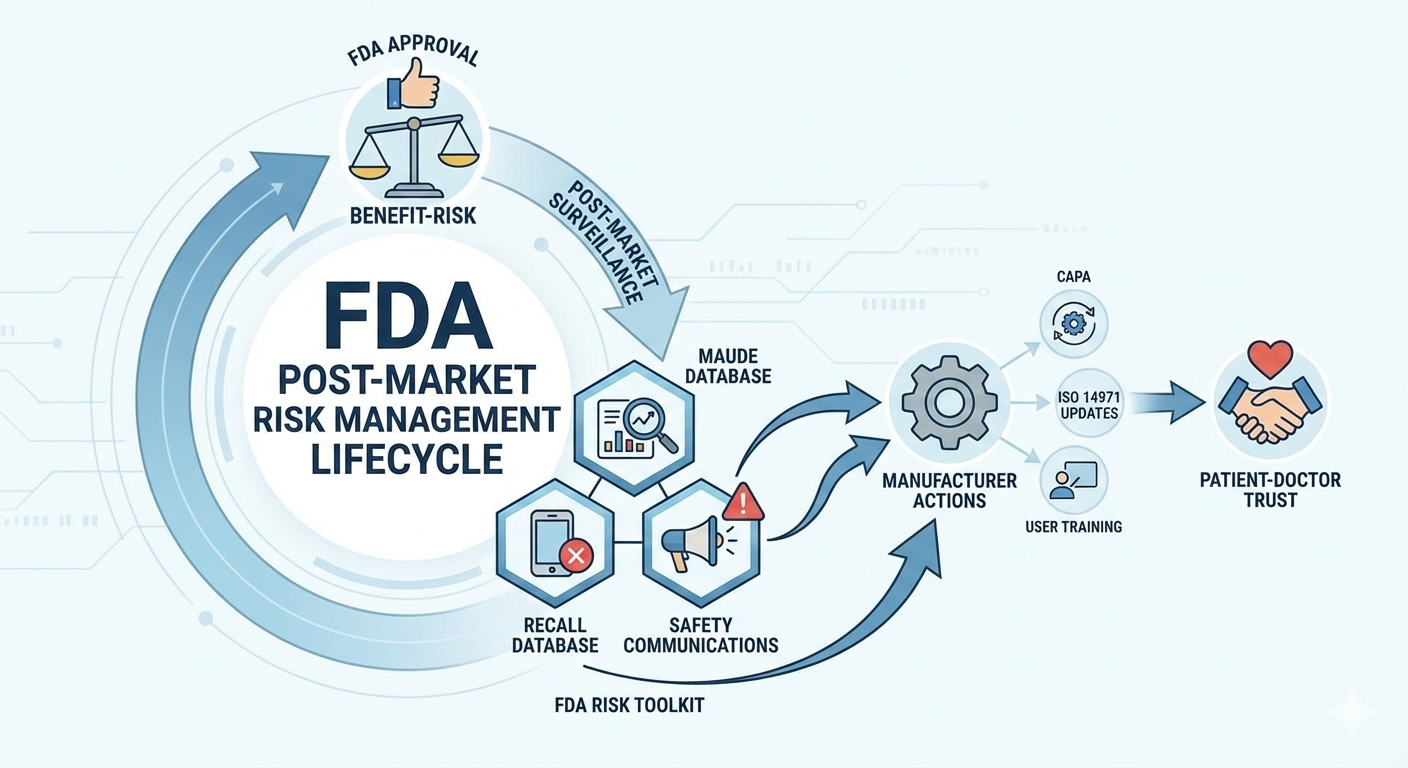
Manufacturers must demonstrate conformity to medical device manufacturing standards, risk management principles, and post-market surveillance obligations. Technical documentation should include design dossiers, risk analysis, and clinical justification where applicable.
Understanding regulatory expectations early in the manufacturing lifecycle helps prevent delays and non-compliance during market entry.
Common Manufacturing Challenges and Risk Mitigation
Manufacturers often face challenges related to contamination control, material variability, and maintaining consistent product quality at scale. Sterilization compatibility issues and packaging failures can also pose risks if not properly validated.
Risk mitigation strategies include robust supplier qualification, preventive maintenance programs, and continuous monitoring of critical process parameters. Clear documentation of the IV cannula manufacturing process supports corrective and preventive actions when issues arise.
Importance of a Quality-Driven Manufacturing Approach
A quality-focused manufacturing approach ensures long-term compliance, product reliability, and patient safety. Integrating quality management principles into every stage of production reduces operational risks and supports regulatory acceptance across global markets.
Organizations involved in IV cannula manufacturing process planning benefit from aligning design, production, and validation activities with recognized industry standards. This alignment supports consistent performance and sustainable growth.
Conclusion
IV cannulas play a vital role in modern healthcare delivery, making their manufacturing a highly regulated and quality-sensitive activity. From raw material selection to sterilization and packaging, each stage requires careful control and validation. By adhering to global regulatory expectations and maintaining a strong quality management system, manufacturers can ensure safe, effective, and reliable IV cannula products for clinical use.