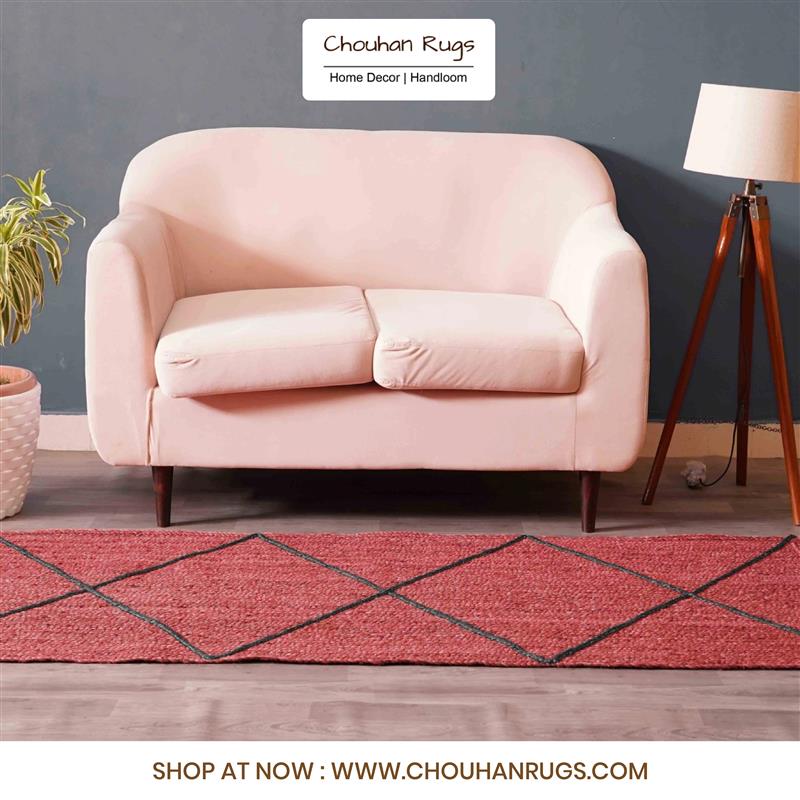
In 2026, the rug trend in the UK will be to add warmth, texture, and personality to homes while saving costs on renovations. The trend will include sculpted loops of neutral colours that will warm up modern minimalist styles, bold retro patterned rugs as an eye-catching statement to enhance your home, and sustainable materials such as recycled polyester and responsibly sourced wool so that you can feel both stylish and sensible at the same time. The trend towards layering rugs is mature; large neutral base rugs, with smaller patterned accent rugs, generally in contrasting fibres and piles, create a depth of design without adding visual clutter. Colour palettes are moving toward warmer earth tones, deeper, moody jewel tones, and lower-saturation pastel colours to achieve a sense of calm; tactile finishes, such as hand-tufted textures, flat weaves and low sheen yarns make the rooms feel as though they have been lived in and not staged for guests. There is increasing concern for practicality with the introduction of stain-repellent treatments, washable runners and pet-friendly weaves.

Why Rugs Are More Important Than Ever:
Rugs accomplish multiple functions simultaneously: they heat, absorb sound, shield flooring, delineate spaces, and unify a room's color narrative. In typical UK houses today, often open plan, sometimes small, and almost never blessed with natural warmth, rugs are the interior short circuits that make spaces feel purposeful.
Practical wins:
1. Insulation: the thick rug and underlay really make a difference on cold floors.
2. Noise management: rugs absorb footfall and sound, which are critical in new constructions featuring hard surfaces.
3. Zoning: one rug can divide a living room from a dining room with no wall at all.
4. Durable & protective: rugs save wood and tile from scratches, great for rented flats and family homes.
Design wins:
1. Now just switch out a rug and the whole personality of the room change.
2. Layered texture: rugs are the simplest way to add some depth, a tactile illusion that photographs and feels good in real life.
Pro-Tip: No matter what else you do in a room, always start by laying down the floor, a rug is the most important piece. Measure, then purchase.
The Main Trends for 2026: The Reasons Behind Their Success in the UK
1. Tactile neutrals with a twist: This year, instead of looking at neutrals as just boring, people will be using Textured Neutral palettes. With the introduction of looped wool, chunky hand-tufted piles and low-sheened Flatweaves that have both a Cozy and Sophisticated look to them, Textured Neutrals will provide a warm, yet elegant, effect in the UK’s Light. Textured neutrals will work with just about every wall colour and furniture finish you can imagine.
2. Earthy warms: Think terracotta, moss greens, and muted mustard, not shrill primary brights. They provide a warm comfort through our long winters, yet remain fashionable during summer.
3. Retro & handmade: Vintage Persian aesthetics and patched-up carpets are in. They mature with consideration and provide an authentic contrast to modern furnishings.
4. Sustainable fibers and recycled synthetics: These days, Eco-Friendly Fibre materials (such as Recycled PET and Responsibly Sourced Wool), have gone Mainstream in the UK, as the Performance of Eco-Friendly Materials and Sustainable Materials is no longer an enemy of each other.
5. Rugs and modular systems: A lot of home decor is leaning towards the use of Large Neutrals with Small Patterned Runner Rugs placed on top, for an interesting layered look. In addition, the idea of Modular rugs has gained popularity as a result of home design incorporating Balcony/Patio Space as part of the overall home decor.
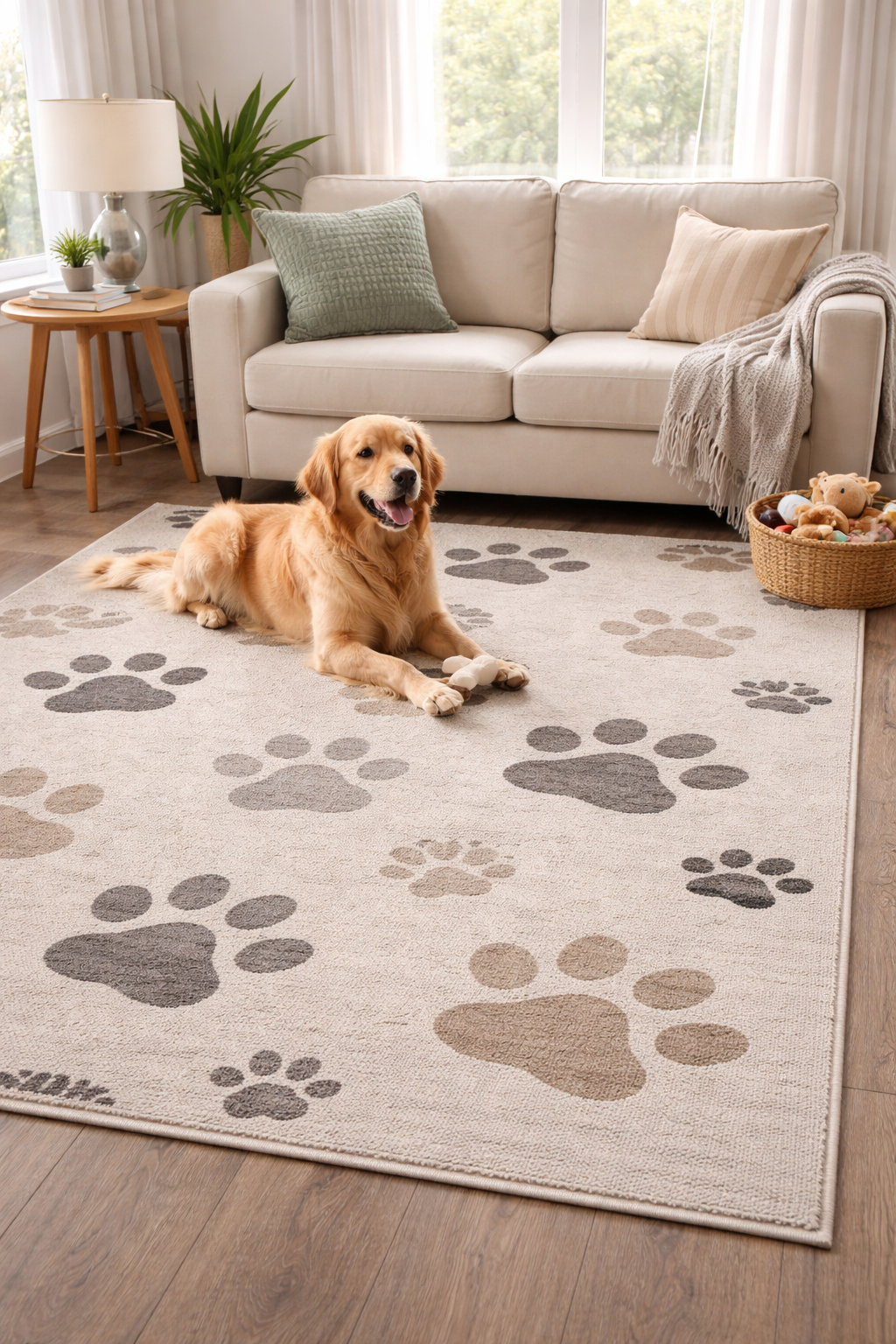
6. Easy upkeep, pet-friendly weaves: Pet owners and families with kids typically opt for a low-pile and high-twist synthetic (or blended wool, with a stain resistant finish).
Pro-Tip: Choose a primary trend to follow (Texture, Colour, Pattern) and pair that with a secondary trend (Sustainable). Too many defining characteristics (tendencies) will create conflict in a space, creating noise in the area.
Weaves & Materials Suitable for British Homes (and Why):
UK climate dictates specific material preferences. The primary factors are thermal insulation, ventilation, washability, and longevity.
1. Wool: still the classic for a reason:
The science of it: its inherent warmth, its bounce (the crimp in wool makes it springy), its insulating qualities, and its capacity to mature.
Optimal application: family rooms, bedrooms, and dining spaces requiring durability and comfort.
Care Note: wool exhibits moderate dirt resistance but requires gentle washing. It is susceptible to long damp breathable underlays and good ventilation means wool is happy in British homes.
2. Recycled poly/PET is the responsible eco option:
Why it works: super stain-resistant, dries fast, and gets more and more realistic in texture and hue. PET bottles recycled enhance the sustainability narrative.
Ideal applications: family rooms, utility spaces, sunrooms, and areas dominated by pets.
Care Note: simple to clean; avoid contact with hot iron and direct high heat, such as outdoor grills.
3. Blends (wool + synthetic) the compromise hero:
Why it works: Blends merge wool's tactile appeal with synthetic durability and cost-efficiency. They are more resistant than all wool and usually more stain-resistant.
Ideal Application: high-traffic living areas and play zones where you desire heat minus the concerns.
4. Natural flatweaves (jute, seagrass) are textured with caution:
Why it works: they add rustic texture, and they're beautiful layered.
Ideal application: beneath dining tables (if you can manage a minor roughness), vestibules, and infrequently used living rooms.
Care Note: steer clear of wet or spill-prone zones, they dislike moisture and may rot or stain.
5. Hand-knotted hand-tufted: personality and durability
Why it works: handmade, dense, and repairable, these rugs are heirloom quality.
Optimal application: investment items for formal living rooms and hallways, ensuring their preservation and appreciation.
Pro-Tip: If you live downstairs in a house prone to damp then opt for synthetic or high twist wool blend rugs with breathable underlay so that moisture does not become trapped.
Colours and Patterns: What's Popular & How to Use Them
2026 colors indicate a harmonious blend of warmth and understated drama. British interiors prefer hues that endure through dull winter days and are vibrant in summer's light.
Palettes that are trending:
1. Earthy/Terracotta Family: This colour family includes warm naturals, like pine or pale oak, to create an adult-like comfort in rooms with these types floors.
2. Moody Jewel Tones: These have deep colours like emerald green, Indian ink and plum, and they work great as a statement carpet in a very neutral coloured room.
3. Soft Faded Pastels: This colour family includes soft muted colours like sage green or dusty rose. These soft colours create a relaxing atmosphere for bedrooms or home offices.
4. Modern Neutrals: With this colour family, the modern use of grey and greige beige, with added texture, helps keep neutral colours looking alive instead of flat.
Patterns that matter:
1. Soft Geometric Motifs: They feel modern without necessarily giving off an immediate nostalgic feel for having been previously used; They're appropriately scaled down in size.
2. Layered Floral Prints: The use of layered painterly floral designs in faded muted colour tones provides character and creates an antique appearance. They complement furniture and decor made during the mid-century-modern era.
3. Old Persian tribal designs are still in demand, particularly when color-bleached or hand-distressed.
4. Monochrome & tone-on-tone texture: for understated interiors that require tactility instead of loud patterns.
Pro-Tip: Anchor with pattern A patterned rug beneath a neutral sofa grouping establishes an understated focal point. In a small room, choose a small pattern because large patterns gobble small rooms.
Layering Rugs: A Simple Method for Creating a Customized Space
It's not so much a Pinterest stunt as it is a decor cheat; it's adding dimension and letting you play with texture and pattern without feeling like a hot mess.
How to layer:
1. Go big: Cover the main area with a neutral base rug.
2. Introduce a medium texture: wool with a pronounced pile for warmth.
3. Top a little patterned number: this could be a vintage or bright to add some character.
Rules of thumb:
1. Retain the flatweave under a soft wool for a contrast.
2. Leave 20 to 30 cm of the base rug on show around the top layer; this frames the top rug and gives the eye a bit of breathing space.
3. Employ a non-slip underlay in the intermediate layer to mitigate displacements.
Pro-Tip: Layering is ideal for open-plan flats: a big neutral base rug ties the room together, while smaller rugs denote subzones, like reading nooks and play areas.
Defining Areas: Rugs as Useful Design Elements
Most new homes in the UK have open-plan living. Rugs are the least expensive way to separate space without walls.
Common uses:
1. Chat area: put a rug that is big enough for the sofa and chairs to have the front legs on the rug to make the seating group look cohesive.
2. Dining room: a low pile rug large enough for chairs to remain on when pulled out.
3. Workspace area: a durable, compact rug beneath an office desk delineates a home workspace and prevents floor damage from chair casters.
4. Hall runner: a runner in a narrow corridor improves flow and hides footfalls.
Sizing rules:
1. Living room: just front legs, or full furniture on rug (the latter reads most cohesively).
2. Dining room rug should extend 60 to 80 cm beyond table edges on all sides.
3. Bedroom: ensure rug extends a minimum of 30 to 45 cm from bed edge for ease of exiting.
Pro-Tip: Before you purchase, tape out the rug shape you want on the floor with masking tape. It's the fastest reality check.
Underlay: The Unsung Hero of Durability, Warmth & Grip
Underlay influences comfort, noise, and wear; don't skip it.
Benefits:
1. Prevents slipping of rugs and preserves both rug backings and floor finishes.
2. Insulates and makes rugs feel thicker without adding pile height.
3. Deadens foot noise, essential in flats and upper rooms.
4. Increased rug longevity through friction reduction.
Choices:
1. Felt underlay: superb cushioning and insulation: ideal for lounges and bedrooms.
2. Rubber-grip underlay: optimal for hardwood or tile flooring to maintain stability.
3. Combination underlays: felt + rubber for an optimal performance.
Pro-Tip: If you are using underfloor heating, opt for a thin breathable underlay and ensure it is designated for heat transfer (look for tog ratings).
Rugs for Various Spaces: Useful Design & Material Choices
1. Living Area:
Fibre: Wool or wool mix mid-pile for warmth:
Format: a neutral large base + a patterned overlay.
Practicality: in busy living rooms, density works; if homes have children, choose stain-resistant yarns.
2. Bedroom:
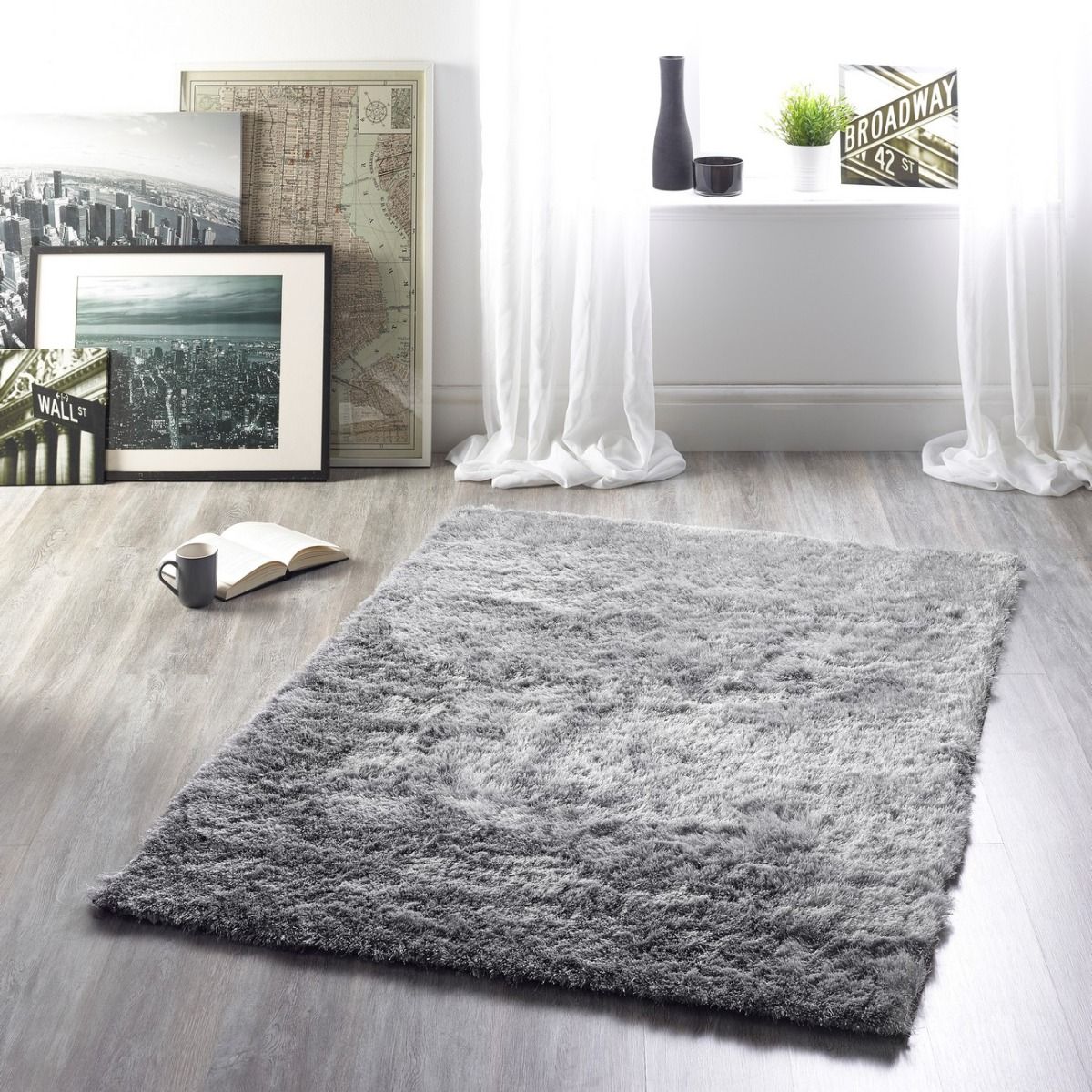
Materials: plush wool, shags (modern low-maintenance shags), luxury synthetics for easy cleaning.
Manner: soft hues and tender fabrics. Large rugs under beds, or bedside runners.
3. Dining room:
Materials: flatweave, low-pile flatweave wool/synthetic.
Style: patterned or tonal rugs that conceal crumbs and chair imprints.
4. Hallways and stairs:
Materials: flatweave runners or low-pile dense wool, prioritize durability over comfort.
Design: elongated, narrow runners featuring patterned or linear designs.
5. Kitchen and utility:
Materials: washable rugs or low-pile synthetics that are resistant to splashes and spills.
Design: narrow runners adjacent to sinks and work surfaces; opt for wash-friendly or hose-down mats in open-plan kitchens.
6. Sunroom/balcony:
Resources: synthetic outdoor rugs or polypropylene for moisture resistance.
Style: Green, plant colors, outdoor-proof backing.
FAQs:
1. Ideal rug materials for humid UK environments?
For moisture-prone environments, select synthetic fibers (recycled PET/polypropylene) or wool blends with ventilation properties. Do not use jute or seagrass on wet floors. And always use a breathable underlay and good ventilation in the room to avoid any moisture being trapped.
2. How much area should my living room rug cover?
Try to get a rug that at least fits the front legs of your sofa and chairs. But if you can get a bigger rug that all of the furniture fits completely on the rug it will look the most clean. Prior to purchase, measure and tape out the footprint? So you don't regret.
3. Is it possible to layer rugs without creating a visually chaotic space?
Yes, absolutely, it does, if you do it right, and by that I mean, mix and match the textures and the scale: big neutral base, medium textured middle layer, and small patterned accent piece on top. Maintain color consistency throughout the layers and ensure portions of the base rug are visible at the edges to convey a deliberate design rather than an arbitrary accumulation of items.


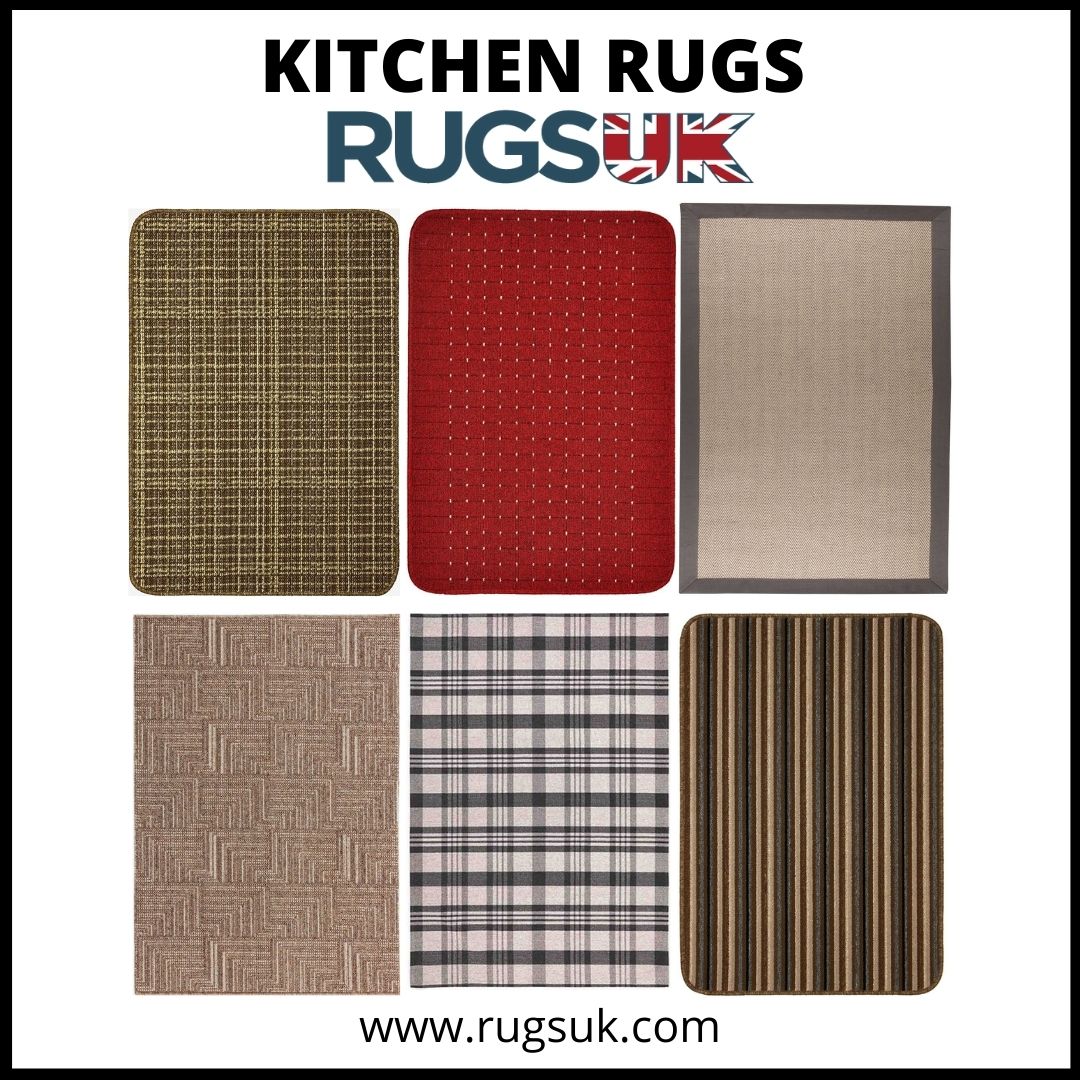
Any rug can be used in the Kitchen but our collection of Kitchen Rugs includes the cheaper flatweave rugs, gel back rugs, and washable rugs which are most popular.
These rugs are available in different materials, designs, and sizes.