Your computer slows down after a few years. You notice apps taking forever to load. The system feels sluggish. This happens to everyone. But what if your laptop could fight back against aging? AI-based laptops are changing this story completely. These smart machines learn your habits and adjust themselves automatically. They clean up junk files without you asking. They manage power better than any human could.
The tech that powers these devices makes their lifespan much longer than that of standard computers. What you receive is a computer that, instead of becoming worse, becomes better over time. The future of personal computing has arrived, and it focuses on longevity.
Let’s talk to understand in detail!
What Makes AI-Based Laptops Different from Traditional Computers
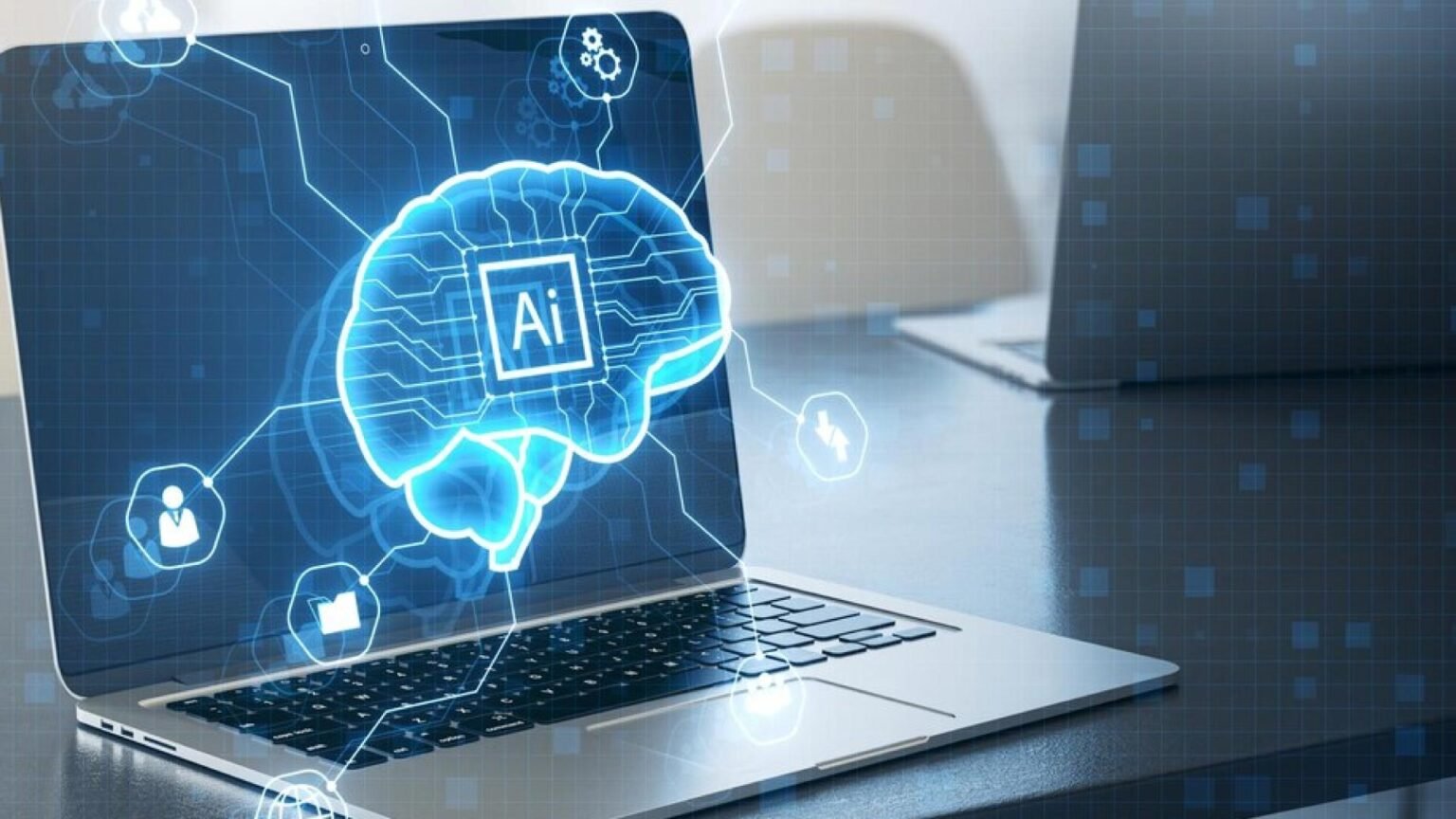
Traditional computers follow fixed instructions. They do what you tell them and nothing more. AI systems think ahead and make decisions on their own. An AI-based laptop contains Neural Processing Units that learn your usage patterns and optimize performance continuously, preventing slowdowns before they begin. These chips handle artificial intelligence tasks separately from your main processor. This separation keeps everything running smoothly, even under heavy workloads.
The machine learning algorithms study your behavior patterns daily. They notice which apps you open most frequently. They track when you need maximum performance versus light browsing. This data helps the system prepare resources before you need them.
Built-in Intelligence That Grows Smarter
Your AI-based laptop becomes more personalized over time. It recognizes your work schedule and optimizes accordingly. The system pre-loads frequently used applications during your typical work hours.
1. Smart Resource Management Extends Hardware Lifespan
The breakdown of hardware occurs when parts are overworked for a prolonged period. By utilizing an intelligent distribution of workloads, AI systems can avoid this situation.
The processor cores get rotated to prevent uneven wear. Memory allocation happens dynamically based on actual needs rather than maximum capacity. Storage drives receive optimized read-write patterns that reduce physical stress.
- Power management adjusts voltage levels based on task requirements
- Thermal controls prevent overheating before it damages components
- Battery cycles get optimized to maintain charge capacity longer
- Fan speeds adjust to balance cooling needs with noise levels
Predictive Maintenance Catches Problems Early
The AI monitors component health constantly. It detects unusual patterns that signal upcoming failures. You get warnings about potential issues weeks before they become critical.
Hard drives showing early signs of failure trigger automatic backup processes. Memory errors get isolated and worked around seamlessly. The system routes tasks away from struggling components while alerting you to schedule repairs.
With more people now shifting towards smart AI devices, AI PC (laptops, desktops) are the front-runners. As per a report, the global market of AI PCs is expected to surpass $260.43 billion by 2030.
2. Automatic Performance Tuning Keeps Speed Consistent
Software bloat usually slows computers down over time. AI-based systems fight this actively.
The machine learning models identify unnecessary processes and terminate them. Registry entries get cleaned automatically. Temporary files disappear before they pile up. Cache management happens continuously in the background.
- Startup programs get evaluated and disabled if they are rarely used.
- Browser extensions that slow performance get flagged.
- Duplicate files get identified and removed automatically.
- Fragmented data gets reorganized without user intervention.
Your PC maintains day-one speed because it never lets junk accumulate. The system performs maintenance tasks during idle moments you never notice.
3. Adaptive Learning Personalizes Your Experience
Every user has unique needs and patterns. Generic optimization fails because it treats everyone the same.
AI-based PCs build individual profiles for each user. The system learns your preferred settings and maintains them automatically. Software configurations adjust to match your workflow exactly.
Gaming sessions trigger high-performance modes automatically. Video editing launches with optimized RAM allocation. Web browsing switches to power-saving modes that extend battery life.
Context-Aware Optimization Changes Throughout the Day
- The AI understands that different contexts require different resources.
- Morning email checks need less power than afternoon video conferences.
- Evening entertainment demands a different optimization than late-night document work.
The system shifts its focus based on your current activity. This dynamic adjustment keeps performance high where it matters while conserving resources elsewhere.
4. Security Updates and Threat Prevention Happen Proactively
Outdated security makes older PCs vulnerable. AI systems stay protected through intelligent threat detection.
Machine learning models recognize malware patterns before they execute. Suspicious behaviors get flagged and blocked automatically. Security patches are downloaded and installed during optimal times without disrupting your work.
- Zero-day threats get identified through behavioral analysis.
- Phishing attempts get caught through pattern recognition.
- Network traffic gets monitored for unusual activity.
- Encryption protocols update automatically to current standards.
Your AI-based laptop stays secure longer because protection evolves with emerging threats. The AI adapts faster than manual updates ever could.
5. Future-Proofing Through Continuous Software Evolution
Software requirements increase as new programs demand more resources. This makes older hardware feel obsolete quickly.
AI-based laptops optimize code execution to run newer software on older hardware. They compress processes and eliminate redundant operations. The efficiency gains mean your PC handles tomorrow's applications with yesterday's components.
Driver updates happen automatically with compatibility checks built in. The system tests updates in isolated environments before full deployment. This prevents the broken updates that often plague traditional PCs.
Conclusion
Your investment in an AI-based laptop pays off through extended usability. These machines don't just survive longer; they actually improve with age. The self-optimization features work silently in the background while you focus on your tasks. The result is a computer that remains relevant and useful for significantly more years than traditional models. This technology represents a fundamental shift in how we think about PC ownership and lifecycle management.