For a long time, the average Indian family viewed a visit to the dentist as a last resort. We would only step into a clinic if a toothache became unbearable or if a visible problem, like a broken tooth, made it impossible to ignore. The concept of visiting a doctor just to check if everything was fine seemed unnecessary and even wasteful to many. However, this mindset has shifted dramatically in recent years. Today, young parents and informed individuals are prioritizing oral health not just as a solution to pain, but as an integral part of overall well-being.
This change is driven by a better understanding of how oral hygiene affects our general health. We now know that gum diseases can be linked to heart issues, diabetes, and other systemic conditions. As a result, the approach to dentistry in India has moved from being purely reactive to becoming largely preventive. This shift is visible not just in metropolitan hubs but also in growing Tier-2 and Tier-3 cities, where healthcare standards are rising to meet the aspirations of modern families.
Why Preventive Care Matters More Than Cure?
The old saying "prevention is better than cure" is perhaps most applicable to dental health. In the Indian context, our diet plays a significant role in oral hygiene. We have a rich culinary tradition that involves spices, oils, and, most importantly, a love for sweets. From festive mithais to the daily cup of sugary chai, our teeth are constantly exposed to agents that can cause decay if not managed properly.
Preventive care involves regular cleanings, fluoride treatments, and routine examinations that catch decay before it reaches the nerve. When you ignore minor sensitivity or a small black spot on a molar, you often end up needing a root canal or an extraction later. These procedures are not only more expensive but also more invasive. By adopting a schedule of regular visits—usually once every six months—families can save significant amounts of money and avoid unnecessary physical discomfort. This proactive approach is the cornerstone of modern dentistry, focusing on preserving natural teeth for as long as possible rather than simply replacing them.
The Unique Needs of Pediatric Patients
One of the most significant areas where this shift is visible is in pediatric dentistry. In the past, milk teeth were often ignored because "they are going to fall out anyway." This misconception led to many children developing early cavities, infections, and alignment issues that plagued them well into adulthood. Milk teeth are critical place-holders for permanent teeth. If they are lost too early due to decay, the permanent teeth may come in crooked, leading to a need for orthodontic treatments like braces later in life.
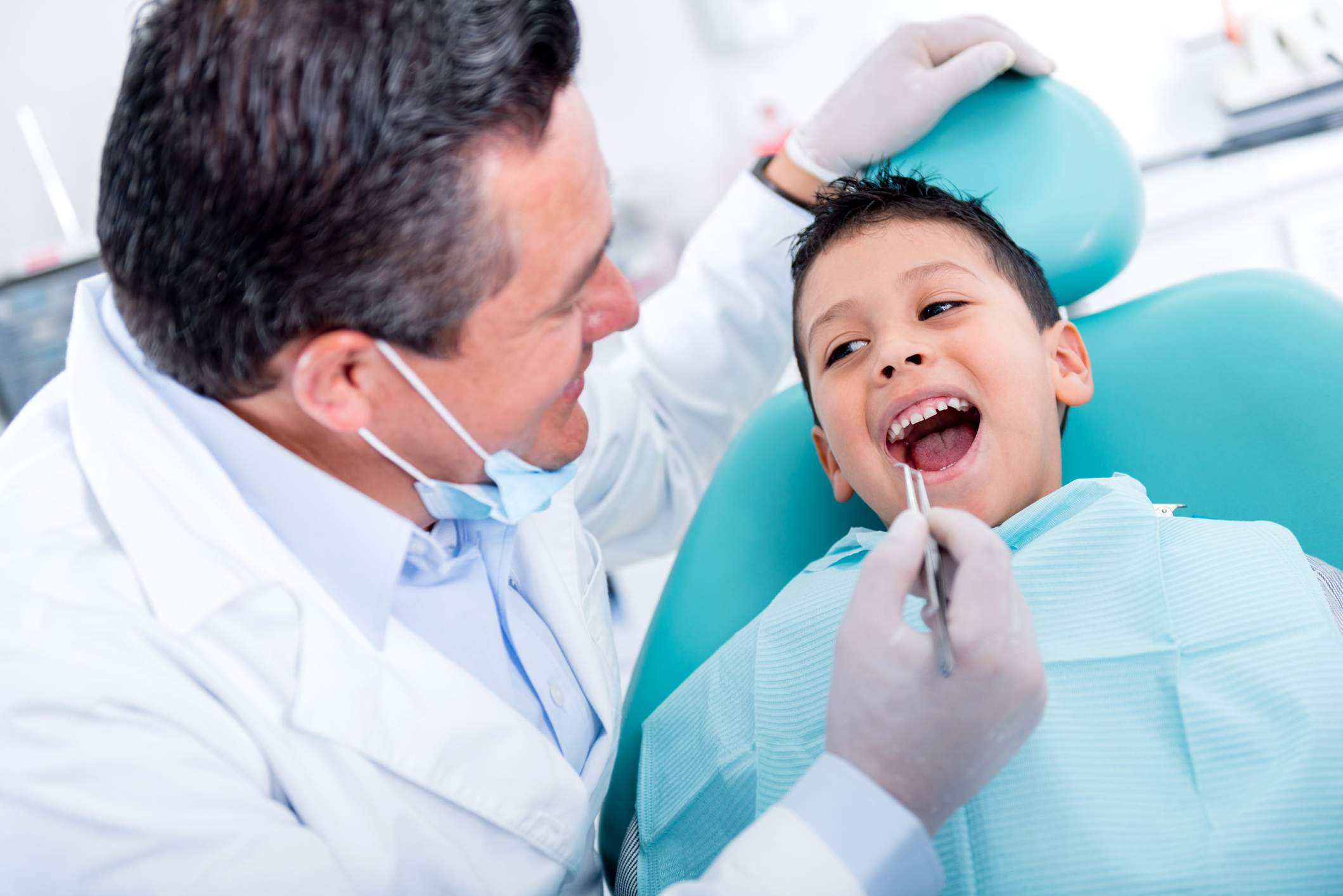
Today, parents are far more vigilant. They understand that a child's first dental visit should happen by their first birthday or when the first tooth appears. This early start helps in monitoring the growth of the jaw and the eruption patterns of teeth. For parents in growing urban centers, finding specialized care is a priority. For instance, families looking for reliable kids dental treatment in satara or similar developing regions now have access to specialists who understand the specific biological and emotional needs of children. These treatments are no longer just about extraction; they include pit and fissure sealants, fluoride varnishes, and habit-breaking appliances for thumb-sucking, ensuring a healthy foundation for the child's future smile.
Creating a Fear-Free Environment for Children
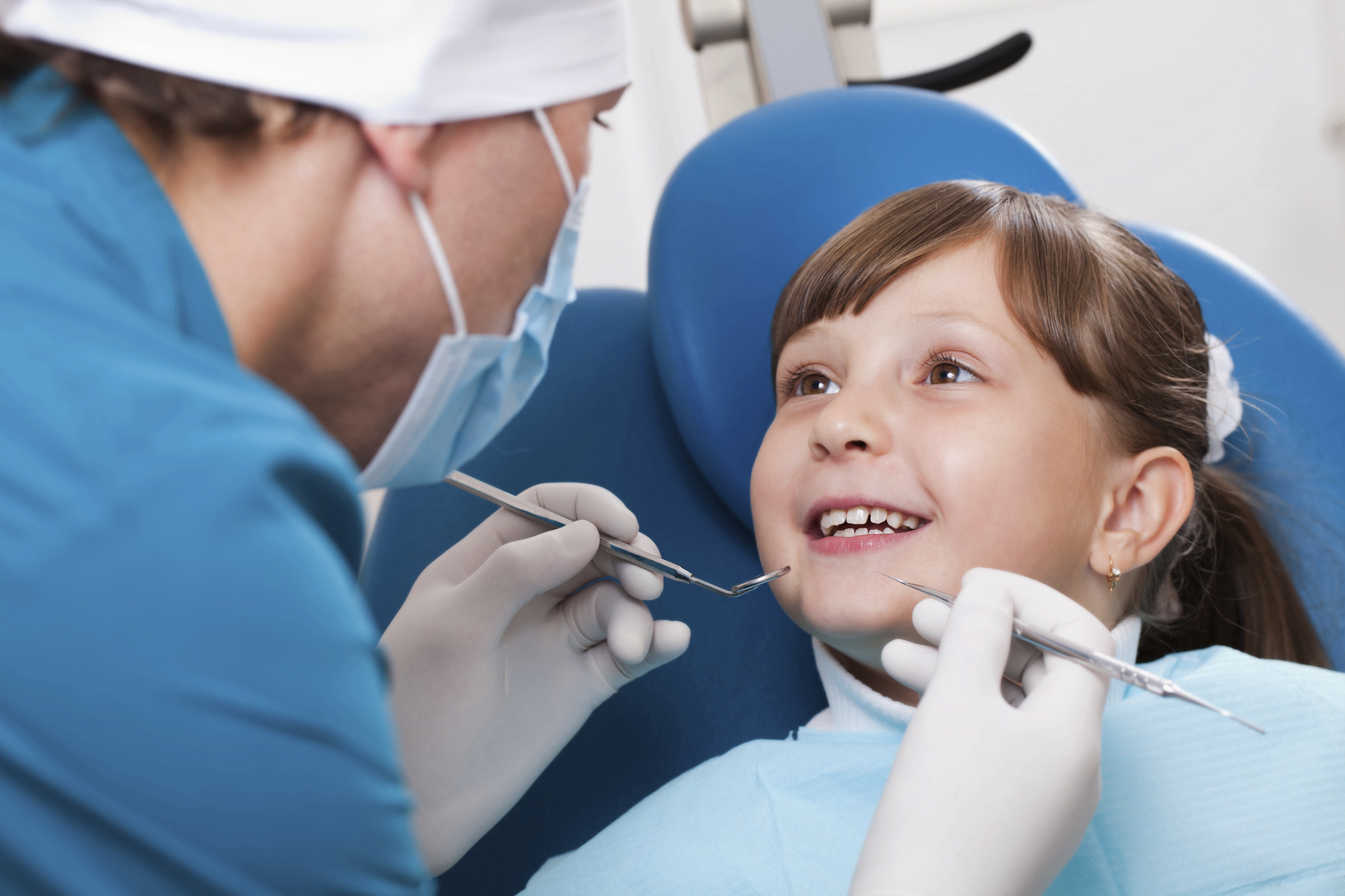
A major barrier to dental care for children is fear. Many of us have memories of clinical smells, the sound of the drill, and stern doctors that made us dread the dentist's chair. Modern clinics are working hard to change this narrative. The goal is to create a "dental home" where the child feels safe, understood, and even excited to visit.
This is achieved through a combination of environment and technique. Pediatric dentists use a "tell-show-do" technique where they explain the instrument, show it to the child in a non-threatening way, and then perform the procedure. The clinics are often designed with bright colors, toys, and cartoons to distract and relax the young patient. When you look for a dedicated Child dental clinic in satara or your local area, you are essentially looking for a place that prioritizes this psychological comfort. A positive experience in childhood ensures that the person will continue to look after their teeth as an adult, breaking the cycle of dental anxiety that affects so many people in our country.
Recognizing High Standards in Local Healthcare
With the mushrooming of clinics in every neighborhood, choosing the right healthcare provider can be confusing. It is no longer enough for a clinic to just have a chair and a doctor; the standards of sterilization, technology, and patient protocol have become the deciding factors. In the post-pandemic world, hygiene is non-negotiable. Patients now expect autoclave sterilization for instruments, the use of disposables wherever possible, and a clean, sanitized environment.
Furthermore, technology has made treatments faster and less painful. Digital X-rays (RVG) reduce radiation exposure, and intraoral cameras allow the patient to see exactly what the doctor sees, building trust. When residents search for the best dental clinic in satara or their respective cities, they are often looking for this blend of advanced infrastructure and ethical practice. It is about finding a doctor who takes the time to explain the 'why' behind a procedure rather than just rushing through the 'how'. This transparency builds a long-term relationship between the doctor and the family, which is essential for consistent healthcare.
Common Misconceptions About Dental Procedures
Despite the progress, several myths still persist in Indian society that prevent people from seeking timely help. One common myth is that cleaning (scaling) makes teeth loose. In reality, scaling removes the hard tartar that holds infected gums in place; removing it allows the gums to heal and reattach firmly. Another myth is that root canals are intensely painful. With modern anesthesia and rotary tools, a root canal is often as comfortable as a simple filling.
There is also a misconception that dental treatments are strictly for cosmetic purposes. While a good smile boosts confidence, the primary function of dentistry is health. Correcting a misaligned bite improves digestion, treating gum disease reduces systemic inflammation, and fixing a decayed tooth prevents the spread of infection to the jawbone. Education is the only way to combat these myths. As families become more educated, they are making better choices, moving away from home remedies like clove oil for deep cavities and towards scientific, permanent solutions.
Frequently Asked Questions
1. At what age should I take my child to the dentist for the first time?
It is recommended to visit the dentist by the child's first birthday or within six months of the first tooth erupting. This helps in early detection of any developmental issues and helps the child get used to the environment.
2. Is professional teeth cleaning safe for enamel?
Yes, professional scaling is completely safe. It uses ultrasonic vibrations to remove tartar and plaque without damaging the enamel. In fact, it prevents gum disease and bad breath.
3. How can I prevent cavities in my child's teeth?
Limit sugary snacks and sticky foods. Ensure they brush twice a day with fluoride toothpaste and visit the dentist every six months for routine check-ups and preventive fluoride applications.
4. Are dental X-rays safe for children?
Modern digital dental X-rays emit extremely low levels of radiation and are considered safe for both children and adults. Dentists use them only when necessary to diagnose issues between teeth or below the gum line.
5. What should I look for when choosing a family dental clinic?
Look for a clinic that follows strict sterilization protocols, has a friendly and patient-centric staff, uses modern technology, and offers clear explanations of treatment plans and costs.
6. Why do milk teeth need fillings if they fall out anyway?
Milk teeth guide the permanent teeth into the correct position. If they are lost early due to decay, it can cause crowding or alignment issues. They are also essential for proper chewing and speech development.
Conclusion
The landscape of oral healthcare in India is transforming for the better. We are moving away from the era of fear and neglect towards a future of awareness and preventive care. Whether it is ensuring the safety of our children's milk teeth or maintaining our own gum health, the focus has shifted to quality and consistency. By choosing the right healthcare partners and maintaining a disciplined hygiene routine at home, Indian families can ensure that their smiles remain healthy, confident, and pain-free for generations to come.