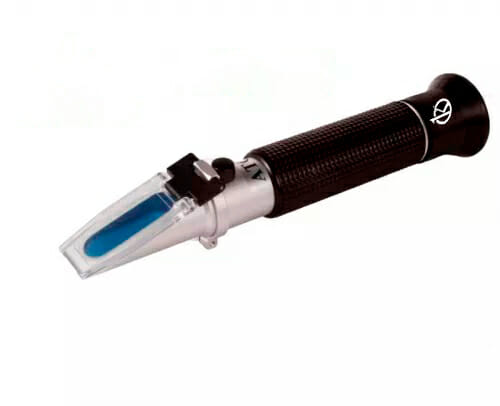
Refractometers are specialized optical instruments designed to evaluate how light behaves as it passes through a liquid or transparent material. By calculating the refractive index, these devices provide critical insights into the concentration or purity of a substance. Their use spans laboratories, production lines, agriculture, and even clinical diagnostics, making them versatile and dependable tools.
These instruments are especially valued for their ability to deliver rapid and reliable measurements using minimal sample volume, helping professionals make accurate decisions quickly.
How Does a Refractometer Measure Refractive Index?
When light transitions between materials of different densities, it changes speed and direction. This phenomenon is known as refraction. Refractometers quantify this change by comparing how light bends in the sample versus how it behaves in air. The result is expressed as a refractive index, which is then converted into practical units such as Brix, salinity, or specific gravity.
Light enters the device through a sample plate or prism, where it interacts with the liquid. Depending on the model, readings appear either on a calibrated scale via an eyepiece or on a digital screen for enhanced clarity.
What Types of Refractometers Are Available?
Different industries demand various levels of accuracy and convenience, which has led to the development of multiple refractometer designs.
Portable Handheld Models
Lightweight and compact, these analog devices are perfect for quick tests in the field. They are often used in food processing, horticulture, and marine environments due to their simplicity and durability.
Digital Refractometers
Offering higher precision, digital versions display results on electronic screens. These models frequently include temperature correction features, making them ideal for labs and controlled environments.
Inline Industrial Systems
These are integrated into manufacturing setups to continuously monitor solutions in real-time. Industries such as petrochemicals, brewing, and dairy rely on these systems for consistent quality control.
Tabletop Laboratory Refractometers
Designed for scientific and industrial analysis, benchtop models offer a wide measurement range and advanced software for data logging and calibration. These are typically used in pharmaceutical labs and research institutions.
Why Are Refractometers Widely Used?
The widespread adoption of refractometers is due to their practicality, speed, and versatility in various applications.
Beverage and Food Manufacturing
They help assess sugar levels in beverages, monitor syrup concentration, and check product consistency. Refractometers are critical during quality control stages to maintain flavour profiles and ensure customer satisfaction.
Agriculture and Horticulture
Farmers use refractometers to check sugar levels in fruits and vegetables, helping them determine the right harvest time. This improves both crop quality and shelf life.
Chemical Processing
They are used to monitor solvent mixtures, acids, and chemical solutions in real-time, ensuring safe and efficient processes.
Clinical Laboratories
Healthcare professionals utilize refractometers to measure body fluid concentrations such as protein in serum or urine density, aiding in non-invasive diagnosis.
Marine and Aquarium Applications
Refractometers help monitor water salinity, essential for maintaining a healthy aquatic environment in both commercial fisheries and home aquariums.
What Features Should You Look For in a Refractometer?
Choosing the right refractometer depends on the working environment, desired precision, and budget. Important features include:
Scale Range and Accuracy
Ensure the scale matches your measurement needs. Brix, salinity, or specific gravity should be clearly indicated and fall within the required resolution.
Temperature Adjustment
Look for models with automatic temperature compensation to correct for fluctuations in ambient conditions and enhance accuracy.
Ease of Calibration
A device that can be easily calibrated with distilled water or known solutions will maintain long-term precision and reliability.
Durability and Protection
For outdoor or industrial use, a rugged, waterproof design is ideal. This prevents damage from environmental exposure or accidental spills.
Display and Readability
Digital displays offer quick, easy-to-read results, reducing human error. Analog models require careful visual interpretation but are less dependent on batteries or electronics.
What Are the Benefits of Using Refractometers?
Refractometers have become an indispensable tool thanks to their many advantages across professional settings.
Speed of Analysis
Most samples take seconds to analyze, allowing rapid decision-making in production lines or field assessments.
Minimal Sample Requirements
Only a drop or two of liquid is required, which is ideal for testing rare, expensive, or sensitive substances.
User-Friendly Design
Simple calibration and straightforward operation make them suitable even for users without technical backgrounds.
Versatile Application Range
Their use spans dozens of industries, from winemaking to fuel testing, which speaks to their adaptability and value.
Reliable and Repeatable Results
Consistent outcomes ensure process stability and product quality, which are crucial in regulated environments such as pharmaceuticals and food production.
How Do You Maintain a Refractometer?
Proper maintenance ensures the longevity and accuracy of the device. Follow these steps for optimal performance:
- Clean the prism or sample area with distilled water after every use to prevent residue buildup.
- Avoid scratching the glass surfaces. Use soft, lint-free cloths or lens paper for cleaning.
- Store the device in a dry, dust-free case when not in use.
- Regularly calibrate the refractometer using known reference solutions.
- Protect the unit from extreme temperatures and moisture, especially electronic models.
Final Thoughts
Refractometers are essential for any operation requiring precise fluid analysis. From measuring sugar levels in beverages to testing chemical solutions, these tools provide critical data with ease and efficiency. Their compact size, low sample requirements, and versatile application make them a smart investment for industries focused on quality and consistency.
Whether you're analyzing fruit harvests, verifying chemical concentrations, or monitoring industrial fluids, a well-chosen refractometer enhances both accuracy and productivity. As industries continue to embrace precision tools, refractometers stand out as one of the most practical and reliable solutions available today.