

Anxiety is something many students and adults experience. It can show up as constant worry, restlessness, negative thoughts, or difficulty concentrating. While there are many ways to manage anxiety, one gentle and effective method is outdoor mindfulness. This practice combines being outside with paying attention to the present moment. It does not require special skills, yet it can make a real difference to mental wellbeing.
What Is Outdoor Mindfulness?
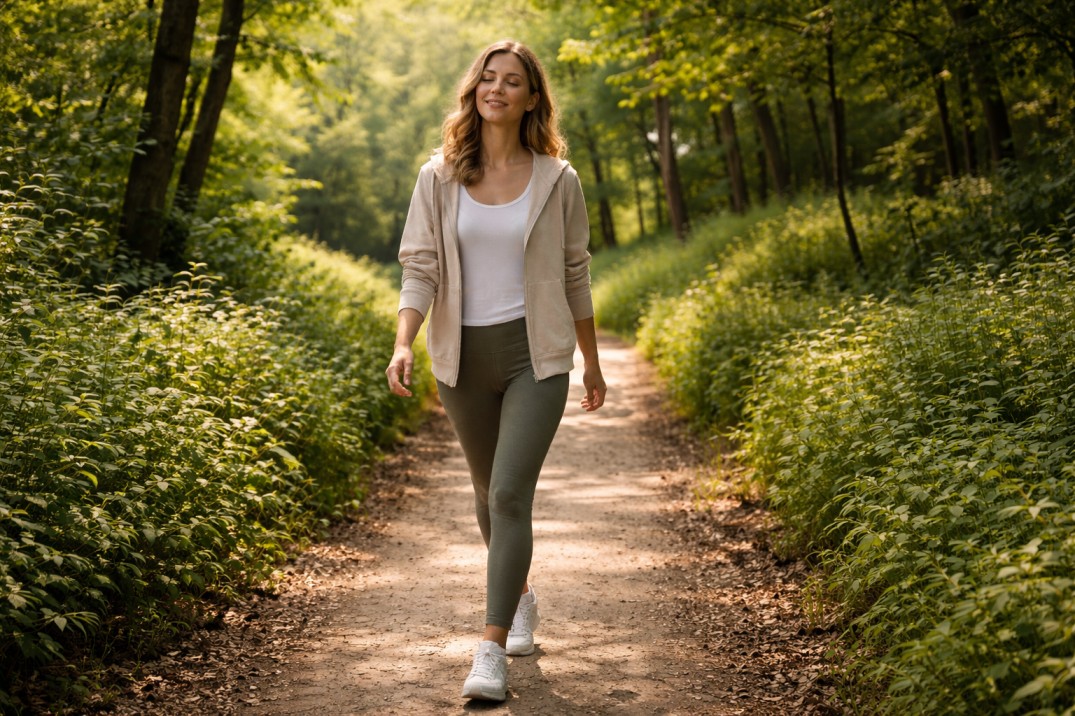
Outdoor mindfulness means being fully present while spending time outside. Instead of walking while lost in thoughts, you focus on what is happening around you. You notice the feeling of the ground under your feet, the sound of birds, the movement of leaves, or the warmth of sunlight. This simple awareness helps shift attention away from anxious thoughts and back to the present moment.
Unlike meditation that happens indoors with eyes closed, outdoor mindfulness feels more natural and easier for many people. Nature gently supports the process without forcing the mind to be silent.
Why Anxiety Reduces in Natural Spaces
Anxiety often grows when the mind keeps thinking about the future or replaying worries. Outdoor mindfulness interrupts this cycle. Natural surroundings do not demand constant attention like screens do. Instead, they offer calm sights and sounds that help the nervous system settle.
Fresh air and natural light also support the body’s balance. Breathing tends to become slower outdoors, which signals the body that it is safe to relax. Over time, this regular calming experience can reduce the intensity of anxious feelings.
How Outdoor Mindfulness Supports the Mind
When practiced regularly, outdoor mindfulness can:
- Reduce overthinking
- Improve emotional control
- Support clearer thinking
- Create a sense of calm
- Increase awareness of thoughts without feeling overwhelmed
Many people with anxiety find that their thoughts feel less powerful when they observe them while walking or sitting outdoors. The environment acts as a gentle anchor, helping attention return to the present instead of getting stuck in worry.
Simple Ways to Practice Outdoor Mindfulness
You do not need long sessions or complex routines. Small daily practices are enough:
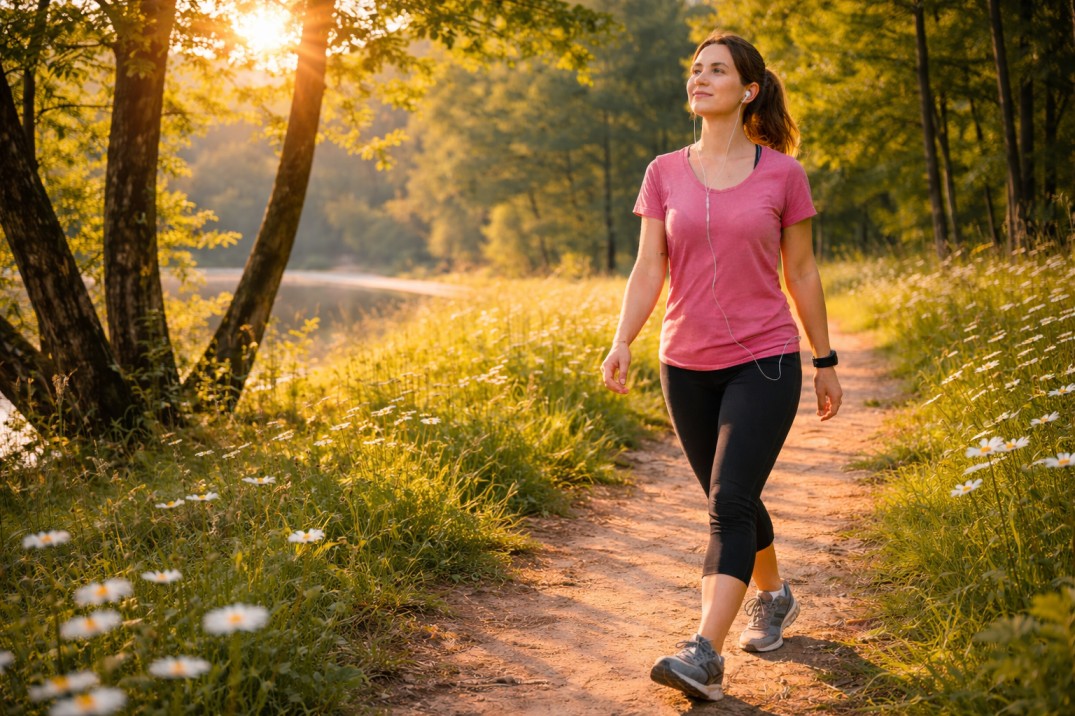
- Walk slowly while noticing each step
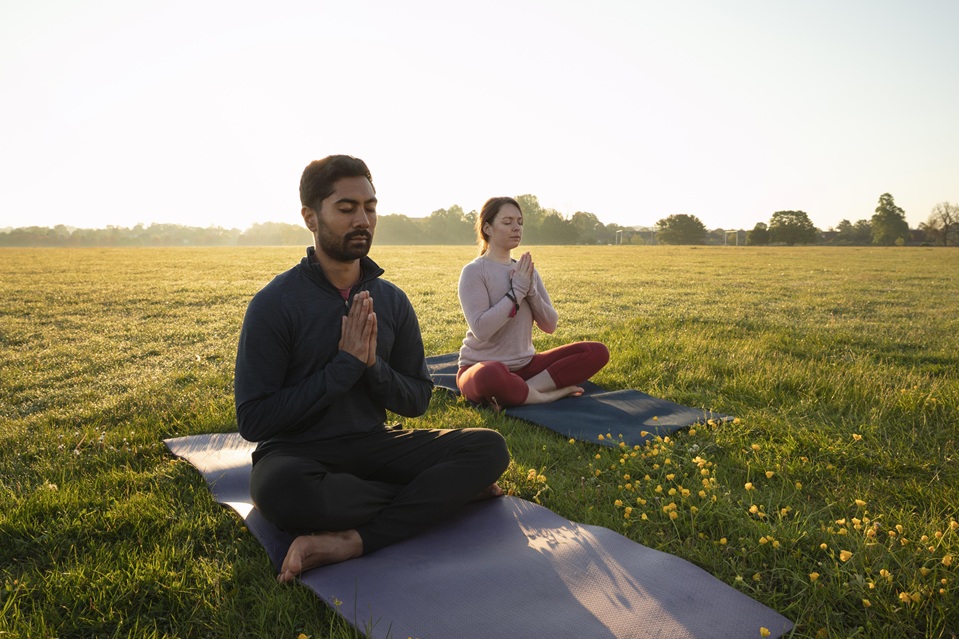
- Sit in a park and observe sounds without judging them
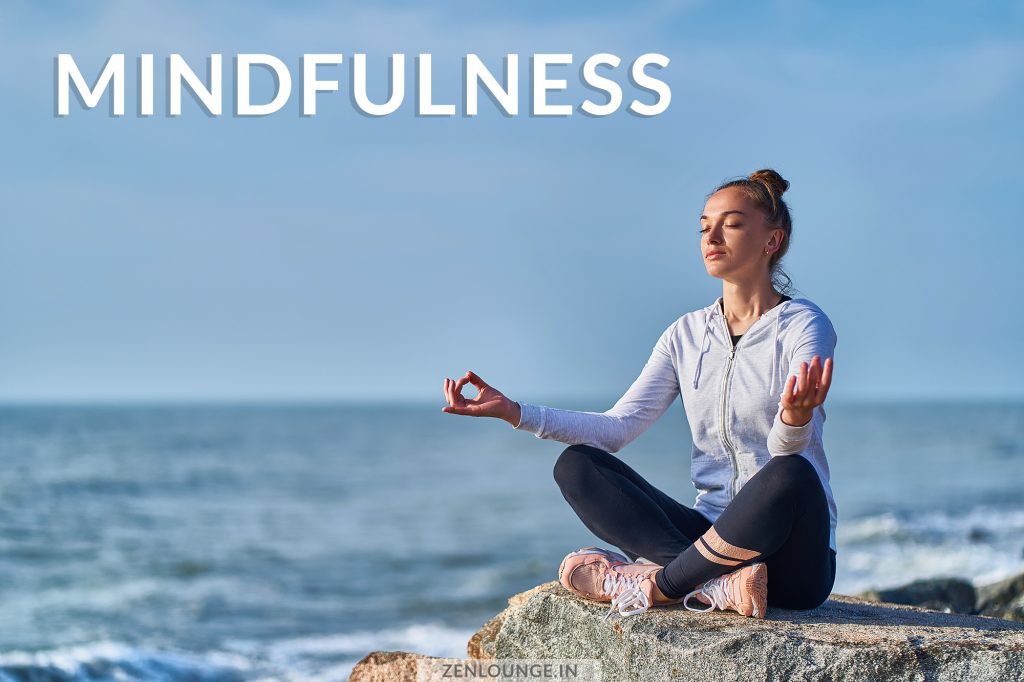
- Focus on breathing while watching the sky
- Touch tree bark or grass and notice the texture
- Listen fully to natural sounds like wind or birds
For beginners, structure can be helpful. A Walking Meditation App can guide users through mindful outdoor walks, making it easier to stay focused and build the habit gradually.
Why This Practice Is Helpful for Students
Students often deal with exam pressure, social expectations, and constant digital use. These factors can increase anxiety levels. Outdoor mindfulness gives the brain a break from information overload. Even 10–20 minutes a day can help improve focus, reduce mental tension, and support emotional balance. It also encourages healthier routines, such as moving the body and spending less time on screens.
Building Consistency Without Pressure
The goal of outdoor mindfulness is not perfection. Some days the mind will wander, and that is normal. What matters is returning attention gently to the present. Practicing a little every day builds long-term benefits. Over time, many people notice they feel more grounded, less reactive, and better able to handle stressful situations.
Conclusion
Outdoor mindfulness offers a simple, accessible way to manage anxiety without needing complex tools or environments. By spending mindful time outside, people can reduce overthinking, calm their nervous system, and feel more emotionally balanced. With regular practice, this habit can become a strong support for mental health. For those who want guided support on this journey, Rewyld offers tools designed to help people develop a deeper and more meaningful outdoor mindfulness practice.