

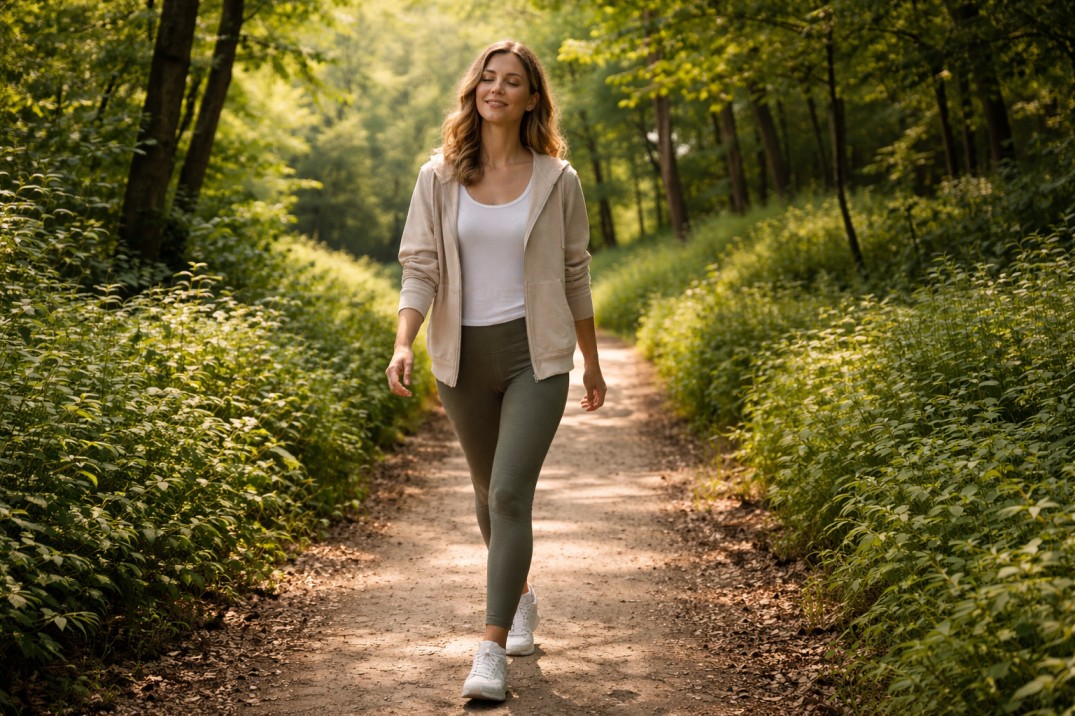
Stress and anxiety have become part of daily life for many people. Long work hours, constant notifications, and mental overload leave little space for calm. This is where people begin asking a practical question: does walking meditation reduce stress and anxiety, or is it just another wellness trend? Unlike practices that require silence, cushions, or extended time, walking meditation fits into real routines and everyday environments.
Walking meditation combines gentle movement with focused awareness. Instead of trying to empty the mind, the practice invites attention to simple physical sensations like each step, the rhythm of breathing, and the feeling of the ground beneath your feet. This blend of motion and mindfulness is what makes it especially effective for people who struggle with sitting still.
What Walking Meditation Really Is
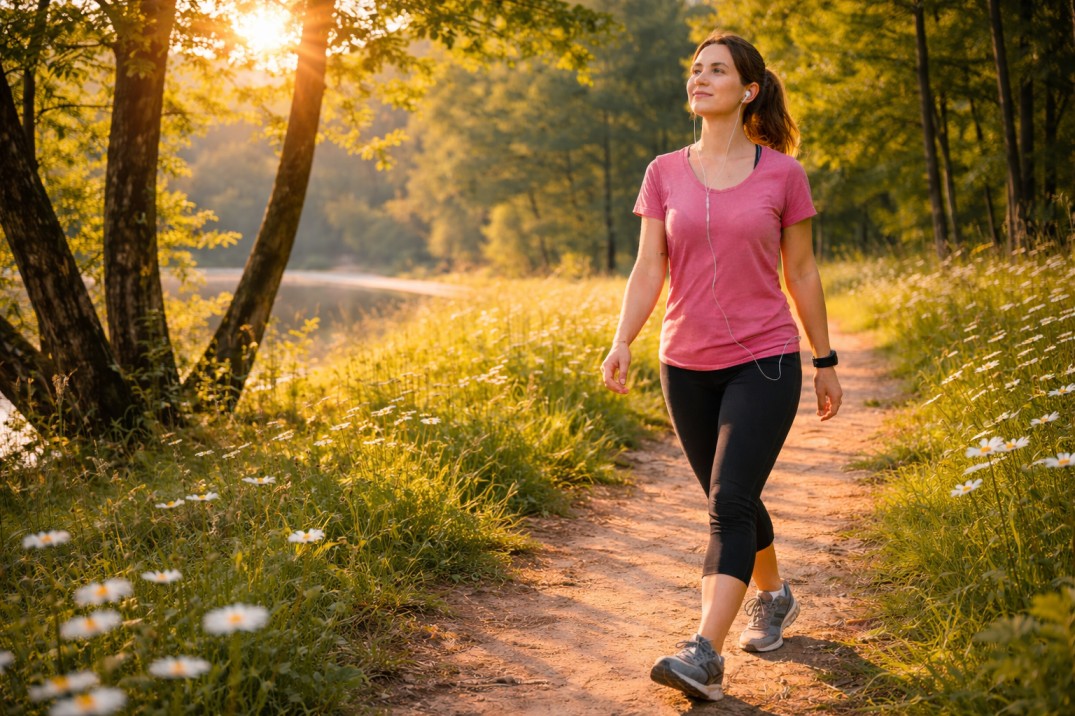
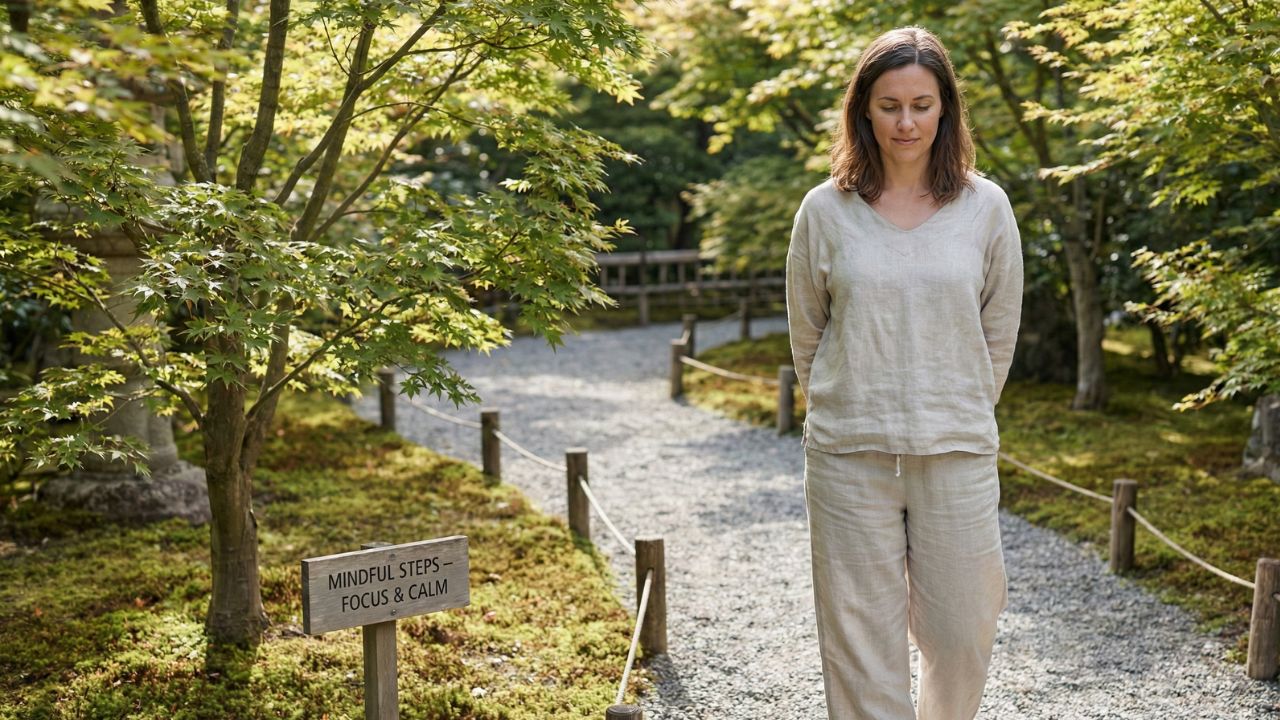
Walking meditation is a form of mindfulness practiced while moving at a slow, intentional pace. The goal is not exercise or reaching a destination. The focus is on being fully present with each step. Attention rests on how the body moves, how the breath flows, and how the mind responds.
Unlike casual walking, walking meditation removes distractions. There is no phone scrolling, music, or rushing. The walk itself becomes the experience. Each step is taken with awareness, allowing the mind to settle naturally without force.
How Walking Meditation Differs From Sitting Meditation
Many people find seated meditation challenging. Physical discomfort, restlessness, and racing thoughts often take over. Walking meditation offers an alternative by giving the body something steady to do. Movement helps release built-up tension while still anchoring awareness in the present moment.
For beginners, walking meditation often feels more approachable. It does not require silence, perfect posture, or long periods of stillness. It meets people where they are.
How Stress and Anxiety Affect the Mind and Body
Stress activates the body’s survival response. When pressure becomes constant, the nervous system stays on high alert. Cortisol levels rise, breathing becomes shallow, and muscles tighten. Over time, this state drains energy and disrupts emotional balance.
Anxiety adds another layer. It keeps the mind focused on imagined threats, future worries, and worst-case scenarios. This mental looping pulls attention away from the present and reinforces physical tension. Effective stress relief practices calm both the mind and the nervous system at the same time.
What Science Says About Walking Meditation and Stress Relief
Research shows that mindfulness practices involving movement can significantly reduce stress markers in the body. Walking meditation engages attention, breath, and sensory awareness together, which helps regulate the nervous system more effectively than mental effort alone.
Studies observing mindful movement report improvements in mood, emotional regulation, and perceived stress levels. These benefits occur because the brain responds positively when awareness and physical rhythm align.
Impact on Cortisol and Stress Hormones
Cortisol is the hormone released during stress. While it is useful in short bursts, chronic elevation contributes to fatigue, anxiety, and poor sleep. Mindful walking has been shown to lower cortisol levels by signaling safety to the brain. Slow, intentional movement combined with steady breathing reduces the fight or flight response.
Effects on the Nervous System
Walking meditation activates the parasympathetic nervous system, which supports rest and recovery. This activation slows heart rate, relaxes muscles, and improves digestion. Over time, regular practice trains the body to return to calm more easily after stress.
Research on Anxiety Reduction
Anxiety thrives on mental overactivity. Walking meditation interrupts this pattern by anchoring attention in physical sensation. Research indicates that mindful walking reduces rumination and improves emotional awareness. Participants often report feeling more grounded and less reactive after consistent practice.
Why Walking Meditation Works So Well for Anxiety
Anxiety pulls attention into the future. Walking meditation gently brings it back to the present. The repetitive motion of stepping creates a natural rhythm that calms mental noise. Each step becomes an anchor.
Sensory awareness also plays a role. Feeling the ground, noticing body movement, and observing breath patterns create a sense of stability. This grounding effect reduces anxious spirals and supports emotional balance.
Role of Breath and Body Awareness
Breathing naturally deepens during slow walking. When breath and movement synchronize, the nervous system receives clear signals of safety. Body awareness increases, making it easier to notice early signs of tension and release them before anxiety escalates.
Walking Meditation Compared to Other Stress Reduction Practices
Many stress reduction methods work well but require specific conditions. Sitting meditation needs quiet and stillness. Yoga often requires instruction and space. Exercise focuses on physical output.
Walking meditation stands out because it integrates easily into daily life. It can be practiced indoors, outdoors, during breaks, or while transitioning between tasks. This flexibility makes it easier to maintain consistently, which is key for long-term stress relief.
How to Practice Walking Meditation Correctly
Walking meditation does not require special skills. The simplicity is part of its effectiveness.
Choosing the Right Environment
Select a place where you can walk without interruption. A quiet path, hallway, garden, or park works well. The space should allow slow movement without obstacles.
Step by Step Walking Meditation Practice
- Walk at a slower pace than usual
- Feel each foot lift, move, and touch the ground
- Keep your gaze soft and slightly downward
- Breathe naturally without controlling it
- When the mind wanders, gently return attention to the steps
Even five to ten minutes can make a difference when practiced regularly.
Common Mistakes That Reduce the Benefits
Some people rush through the practice, turning it into exercise. Others overthink each step or expect immediate calm. Walking meditation works best when approached with patience and curiosity. The goal is awareness, not performance.
How Often Should You Practice for Real Results
Consistency matters more than duration. Practicing for ten minutes daily is more effective than one long session per week. Over time, the nervous system learns to associate walking with calm, making stress relief more accessible in everyday situations.
Using Digital Tools to Build a Consistent Practice
Guided support can help beginners stay focused and build routine. A well designed Walking Meditation App can provide structure, gentle reminders, and guided sessions that fit into busy schedules. Digital tools remove guesswork and support long-term habit formation without overwhelming the user.
- Android App: https://play.google.com/store/apps/details?id=com.wyldwalk
- IOS App: https://apps.apple.com/us/app/rewyld/id6754834256
Who Can Benefit Most From Walking Meditation
Walking meditation is especially helpful for:
- People experiencing anxiety or chronic stress
- Office workers who sit for long hours
- Beginners exploring mindfulness
- Anyone who finds sitting meditation uncomfortable
Its adaptability makes it suitable for a wide range of lifestyles.
Final Thoughts on Walking Meditation and Mental Health
Scientific evidence and lived experience point to the same conclusion. Walking meditation reduce stress and anxiety by calming the nervous system, grounding attention, and creating space between thoughts and reactions. When practiced consistently, it becomes a reliable tool for emotional balance.
If you are looking for a sustainable way to care for your mental health, walking meditation offers a simple starting point. With supportive tools like those offered by Reywyld, building a mindful walking practice becomes easier and more approachable over time.