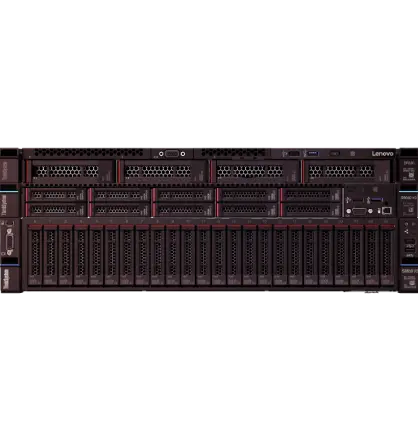
Businesses today depend on both cloud systems and on-site systems. This mix is called a hybrid environment. It helps teams stay flexible and ready for change. Rack servers play a strong role in this setup. They sit inside data centers and support daily work without breaks.
Gartner expects that by 2027, more than 70% of enterprises will use industry cloud platforms to accelerate their business initiatives
This number grows every year. The reason is clear. Businesses want to achieve speed control and safety simultaneously. These servers help reach this balance. They support both local systems and cloud platforms simultaneously.
This article explains seven clear ways these servers support hybrid and cloud environments.
1. Connect Local Systems With Cloud Platforms
Rack servers work like a strong link between local systems and cloud platforms. They help both sides talk to each other without delay. This connection ensures data flows smoothly.
Many businesses keep important data on-site. At the same time, they use cloud tools for sharing and storage. Rack servers manage both tasks together and help teams avoid confusion and data gaps. They also support steady performance. Local apps stay fast. Cloud apps stay available.
Users do not feel the switch between systems. This strong link helps businesses grow without losing control.
- They sync local data with cloud storage.
- They support smooth app access.
- They reduce delays during data transfer.
2. Handle Heavy Workloads With Ease
Hybrid environments often deal with heavy workloads. Rack servers handle this pressure well. They utilize powerful processors and sufficient memory to support multiple tasks.
Teams run both local software and cloud-connected tools simultaneously. These servers manage this work without slowing down. This keeps systems stable during busy hours.
How Balanced Workloads Help Daily Operations
These servers spread tasks across systems in a smart way. This balance prevents overload. It also keeps response time steady. Employees finish tasks faster. Apps stay responsive. Long workdays feel easier to manage. This support helps teams stay productive every day.
- They manage peak usage times.
- They reduce system stress.
- They keep the user experience smooth.
3. Improve Data Control and Security
Security is crucial in hybrid and cloud setups. These servers give teams more control over sensitive data. They allow businesses to store private data on-site.
At the same time, they support safe cloud access. This balance helps protect important information while still using cloud tools. Rack servers also help monitor access and teams can see who uses data and when. This visibility builds trust. Strong control helps meet safety needs and business rules.
- They support clear access rules.
- They help track data activity.
- They protect critical files.
4. Support Easy Scaling as Needs Grow
Business needs change over time. These servers support easy growth. Teams can add more servers when demand increases. This growth works well with cloud scaling. Local and cloud systems expand together. This keeps performance steady.
Why Step-by-Step Growth Matters
These servers allow gradual expansion. Teams avoid sudden big upgrades. This reduces risk. Systems stay balanced as work grows. Planning becomes easier. Leaders feel confident about future needs.
- They support modular expansion.
- They match cloud growth patterns.
- They reduce upgrade pressure.
5. Reduce Downtime in Hybrid Setups
Downtime causes delays and frustration. These servers help reduce this risk. They support backup and recovery systems.
If one server faces an issue, another server steps in. This keeps services running without long stops. These servers also support regular maintenance without shutdowns. This keeps systems healthy. This reliability helps teams trust hybrid systems.
- They support failover setups.
- They help with quick recovery.
- They keep access available.
6. Improve Cost Control and Planning
Cost control plays a big role in hybrid environments. These servers help manage spending in a smart way. They reduce the overuse of cloud resources. Teams run steady workloads on-site. They use cloud power only when needed. This balance avoids waste.
How Better Planning Supports Business Goals
These servers help predict costs. Teams see where money goes. This clarity helps planning. Unexpected bills are reduced. Budgets stay stable. Leaders make better choices for long-term growth.
- They reduce cloud overuse.
- They support budget planning.
- They improve cost visibility.
7. Support Modern Apps and Tools
Modern work depends on modern tools. These servers support virtual machines and containers. These tools are well-suited for use with cloud platforms.
Developers use rack servers to test and deploy apps. This speeds up delivery. These servers also support automation tools. This reduces manual work. This support helps teams stay competitive and ready for change.
- They support cloud-ready apps.
- They work with DevOps tools.
- They speed up deployment cycles.
Conclusion
Rack servers play a vital role in hybrid and cloud environments. They connect systems and manage workloads with ease. They improve security and support steady growth. They reduce downtime and help control costs. Each benefit links with the next. Together, they build a strong and flexible foundation.
Businesses gain speed and stability. Teams work with confidence every day. As hybrid cloud use continues to rise, rack servers will remain essential. They help organizations strike a balance between control and innovation. This balance supports success today and prepares teams for tomorrow.