In a digital-first world, every growing company depends on strong and stable IT systems. A rack server can play a central role in that foundation. It brings processing power, storage, and networking into one compact form that fits neatly in a data center rack.
For a business, this means more control over data and key applications. It also means room to grow without a full redesign of the IT setup. A rack server is easier to manage in large numbers than many small standalone machines.
It also supports clear standards for power, cooling, and cabling. With a good plan, a company can use rack servers to support new services, improve security, and drive better value from every IT dollar.
What Is a Rack Server and Why Does It Matter for Modern Business
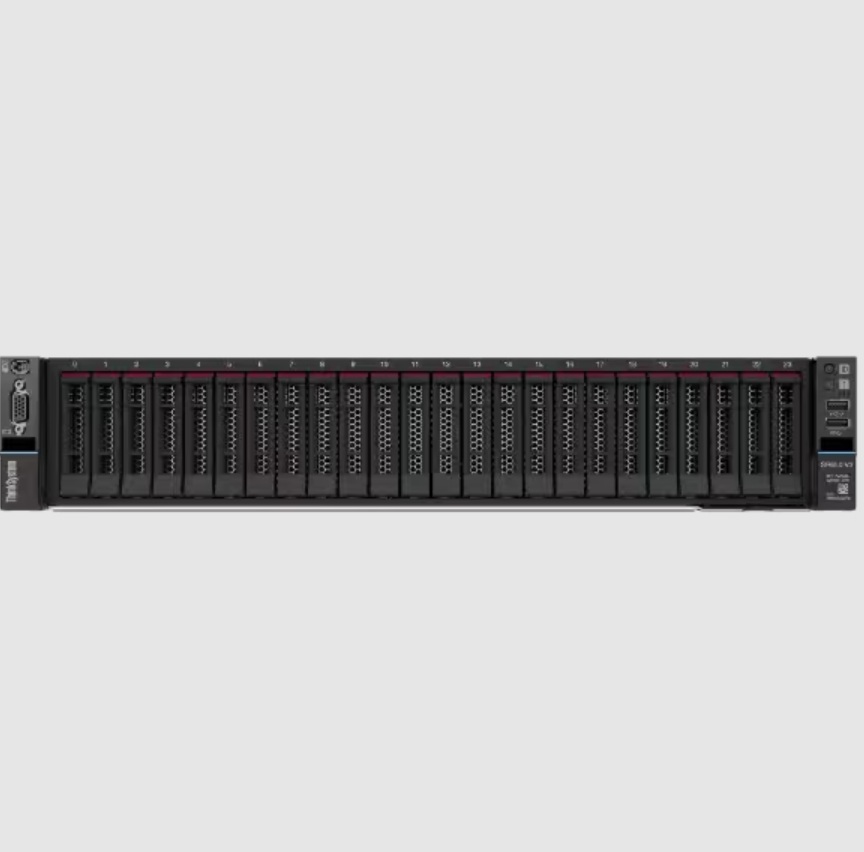
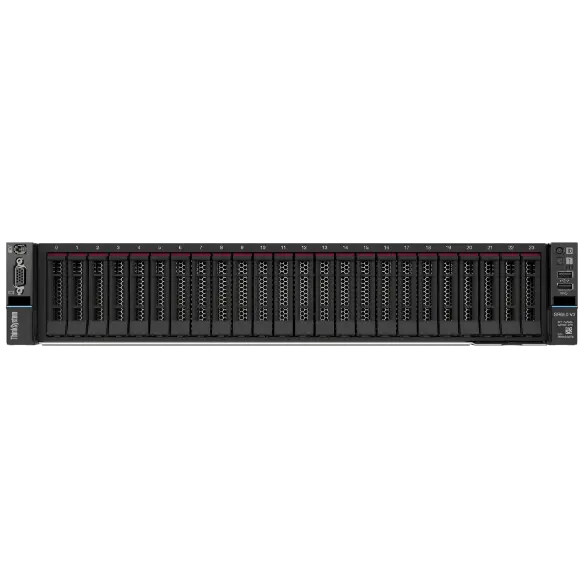
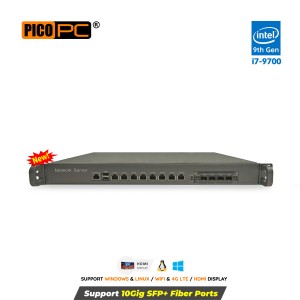
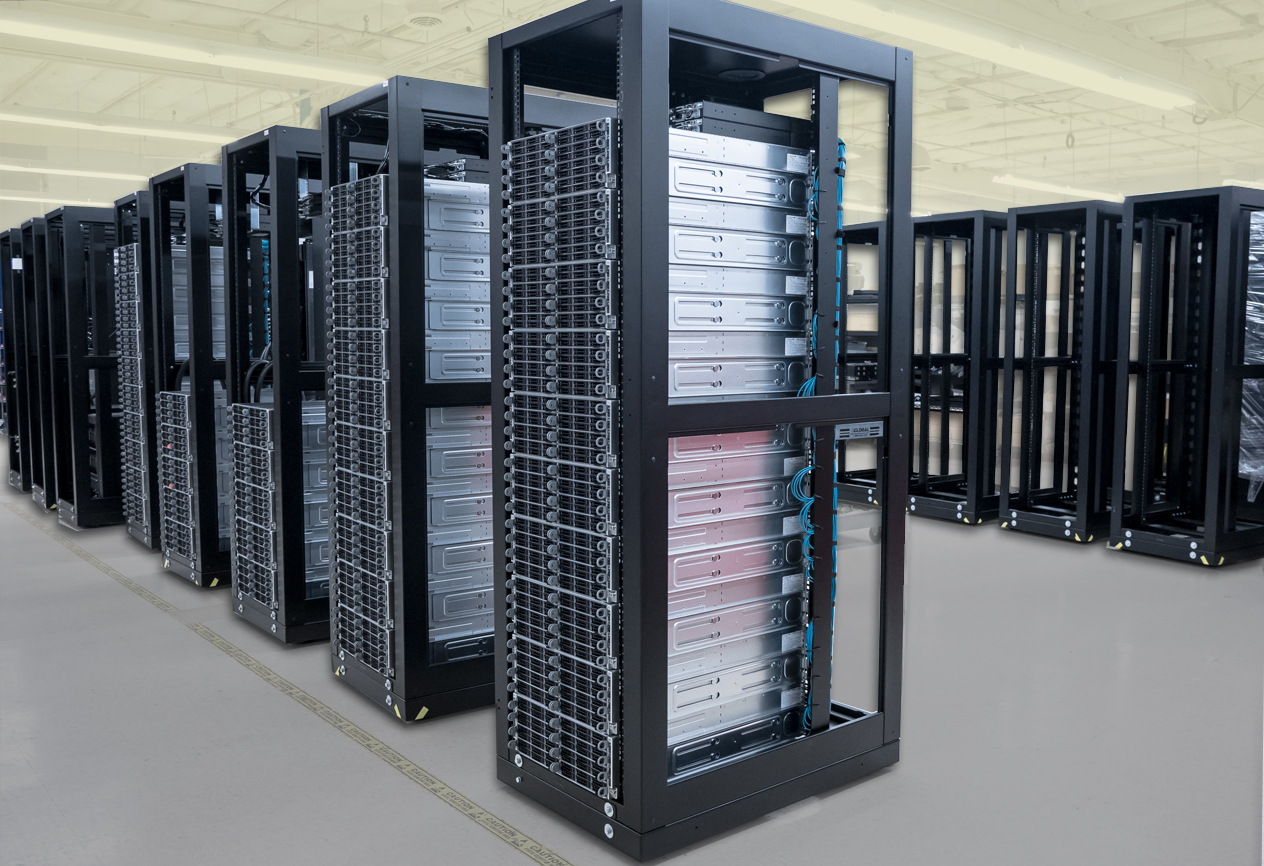
A rack server is a slim computer that slides into a standard rack frame in a data center. Each unit is built to sit close to other units in tight rows. This rack server design makes it easier for an IT team to manage power, cooling, and cables. Many vendors follow the same size rules, so a company can mix different brands in the same rack. For a business, the main value of a rack server is control. Key systems and data stay on hardware owned or leased by the company. This can support rules for data privacy or industry standards. It also gives the IT team clear insight into performance. Staff can track how each rack server handles load and plan upgrades before problems appear.
How Rack Servers Support Scalable Growth
Growth often brings new apps, larger databases, and more users. A rack-based design fits this change because:
- The company can add another rack server to the frame when demand rises.
- There is no need to change the whole layout for each new project.
- Past investment in racks, cabling, and cooling stays useful.
Rack servers also support flexible use:
- One rack server can run many virtual machines.
- Each virtual machine can host a separate business service or test setup.
- When a project ends, the team can free that capacity for the next one.
This helps the company match IT costs to real demand and shortens time to market. New ideas can launch faster because the rack server platform is already in place.
Improving Performance and Reliability with Rack Servers
Business leaders expect core systems to be fast and always on. A well-planned rack server setup can meet these goals:
- Modern rack servers offer strong processors, large memory, and fast storage.
- High-speed network links connect each rack server to switches and storage.
- Workloads can be tuned so that each rack server runs at an optimal level.
Reliability also improves with a rack layout:
- Critical services can spread across several rack servers.
- If one unit fails, the others keep working and support key apps.
- Many rack servers support redundant power supplies and hot swap drives.
Clear labeling on the rack helps staff find the right rack server in seconds. Faster repairs reduce the risk of long outages and lost revenue.
Rack Servers and Efficient Use of Space and Energy
Office and data center space is costly. Power and cooling costs also rise each year. A rack server design helps the company use space and energy in a smart way:
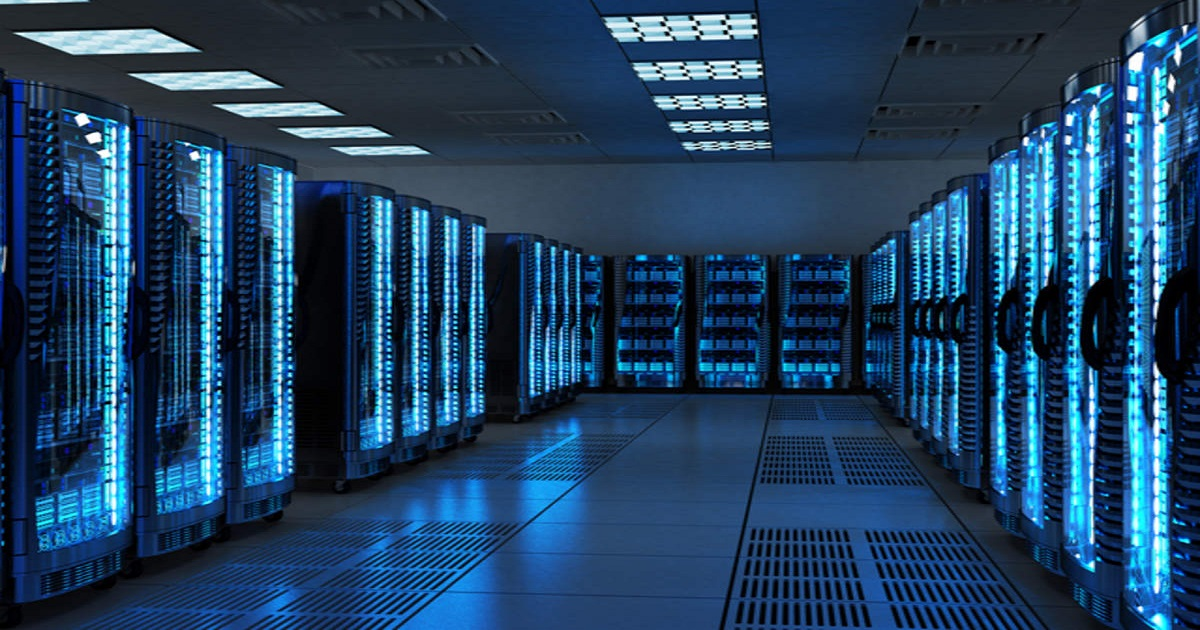
- Servers stack vertically, so many systems fit in a small footprint.
- Dense racks are helpful for firms in cities where floor space has a high price.
- Shared power strips and cable paths keep the layout neat and safe.
Energy use also becomes easier to control:
- Modern rack servers support features that limit power draw during light load.
- Monitoring tools show which rack server wastes energy or runs too hot.
- Old systems can be replaced with newer energy energy-efficient models.
Proper airflow planning across the rack rows also cuts cooling costs. The result is a data center that supports growth while holding down long-term bills.
Conclusion
Rack servers give modern businesses a strong and flexible base for digital work. With a clear plan, a company can place core systems on a stable rack server platform. This supports growth, better service levels, and sound control of data. It also makes power and space use more efficient. When leaders link rack server decisions to business goals, IT moves from a cost center to a source of value.
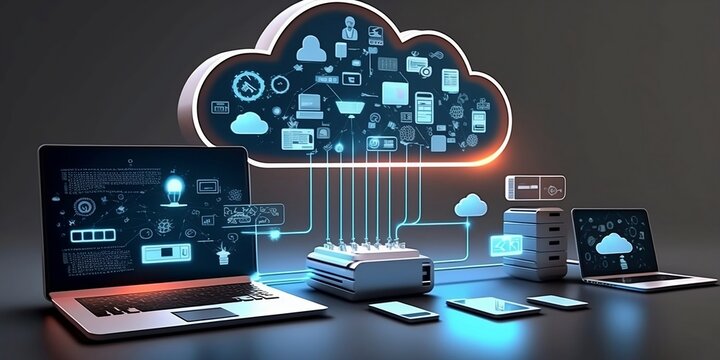
The shift to cloud services will not remove the need for on-site hardware. Many firms will follow a hybrid path that mixes cloud tools with a local rack server estate. In that model, the rack server remains a key part of the story. It anchors critical data, handles steady workloads, and offers a clear platform for future change.