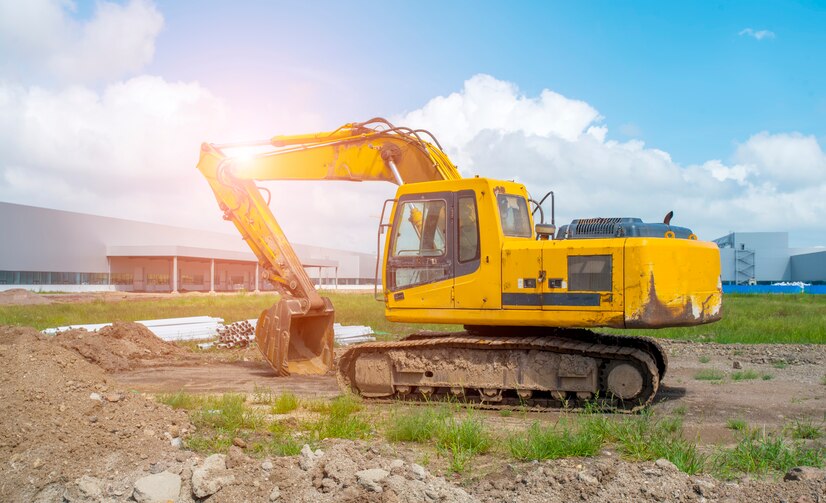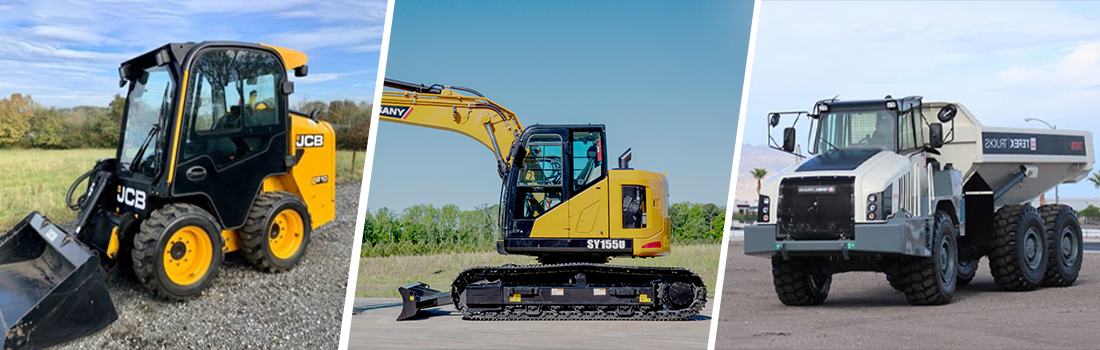


Construction work today doesn’t always happen on big, open land anymore. Most projects are now squeezed into busy city areas, residential lanes, or already-built properties. Whether it’s laying utility lines, fixing drainage, doing landscaping, or building a house, space is almost always limited. In such conditions, bringing in large machines often creates more problems than solutions. This is where mini excavators have become increasingly valuable.
Mini excavators are compact. They can dig trenches, level ground, break concrete, and move material in places where bigger excavators simply cannot enter. They are easier to move from one site to another, burn less fuel, and allow work to continue without damaging nearby structures.
As the use of mini excavators increases, one practical question keeps coming up on the business side. Is it better to rent a machine whenever a job demands it, or does it make more sense to own one and keep it ready?
Purpose of Mini-Excavators in Modern Construction
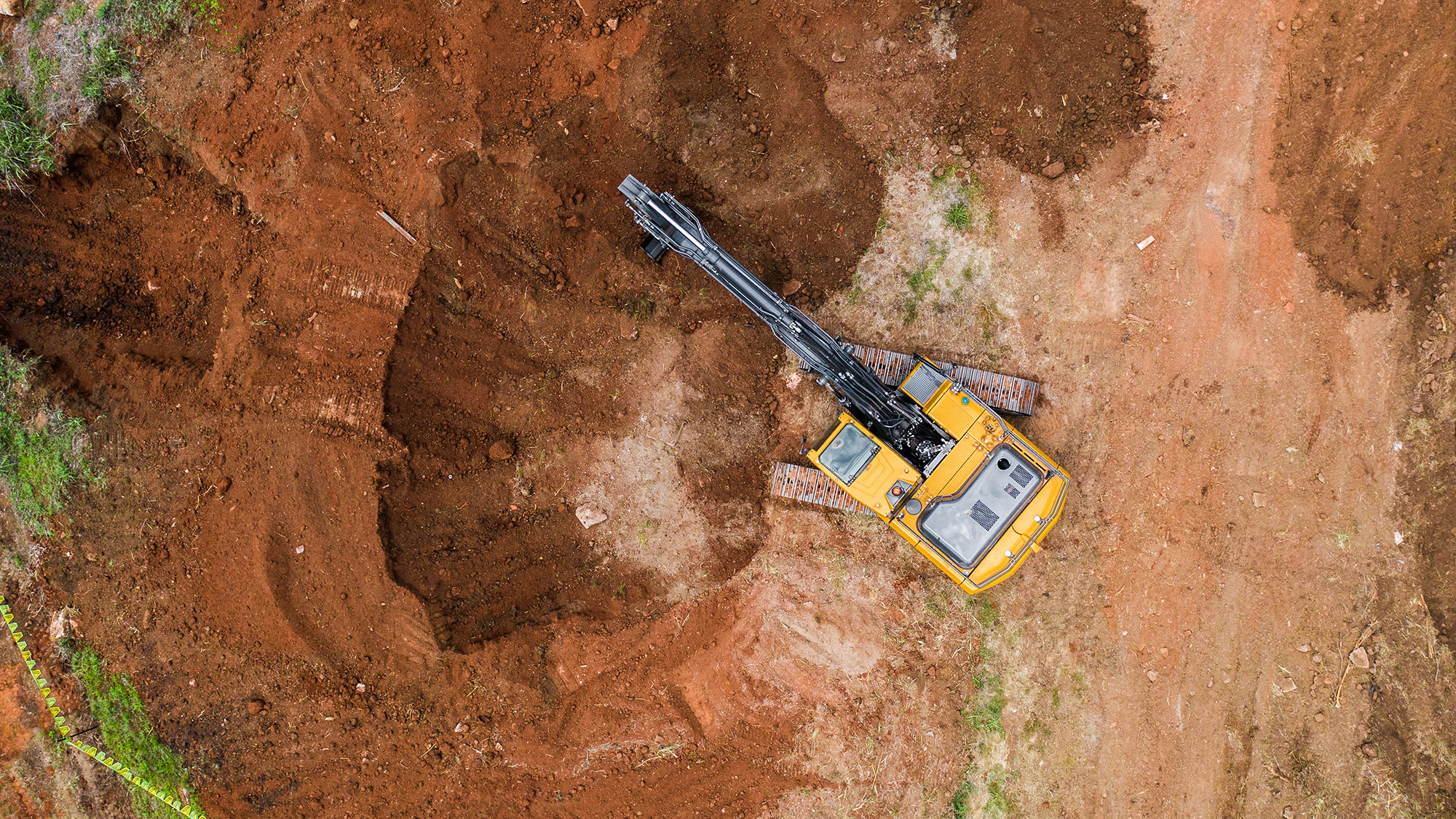
Mini excavators may be small in size, but on a job site, they pull far more weight than most people expect. These machines usually fall in the 1 to 6 tonne range. Their compact build allows operators to work right next to buildings, boundary walls, fences, and existing structures—areas where larger excavators simply cannot fit or would risk damage.
What really makes mini excavators popular is how many jobs one machine can handle. With simple attachment changes, the same machine can dig trenches, break concrete, and handle light material movement. This is exactly why the decision between renting and owning mini excavators is not just about cost, but about how effectively the machine will be used across different types of projects.
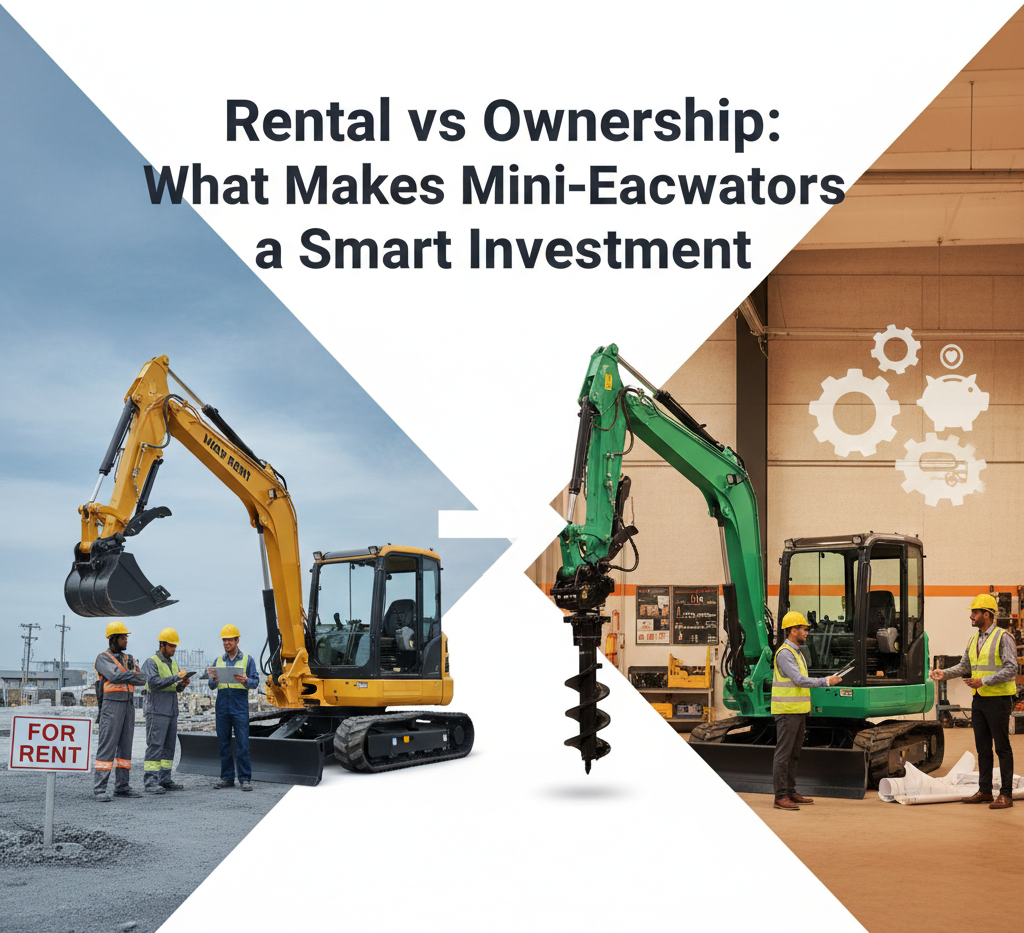
Rental vs Ownership: Which Is a Safer Financial Investment?
Mini excavators can be either used on a rental basis or can be owned by constructors or builders. But the real question is: Should you be wise enough to invest in a rental excavator or own one for a lifetime? Let’s find that out.
A. Rental Mini Excavators
Many contractors feel that renting a mini excavator is the safest starting point. There is no large upfront payment, no long-term commitment, and no pressure to keep the machine running just to justify the cost. When a project comes in, the machine is hired. When the job ends, it goes back. This approach works well for businesses that handle irregular projects or jobs that do not always require excavation work.
Here, in this case, maintenance is someone else’s problem. Mini excavators may be smaller than standard excavators, but they still require regular servicing. Hydraulic systems, filters, tracks, and engine components all need attention.
When renting, these responsibilities are usually handled by the rental company. If a machine breaks down, it is replaced or repaired without additional cost. This reduces downtime stress and avoids surprise repair bills, which can otherwise disrupt budgets.
Moreover, rental mode also gives you access to different models and sizes of mini excavators. If one project needs a lighter machine and the next requires more digging depth, contractors can switch without being locked into a single specification.
Limitations of Renting Mini Excavators
Although rental mode feels convenient, it also has its disadvantages.
1. Rental Costs Add Up
Renting a mini excavator feels easy at first. You pay only when you need the machine, and the cost seems manageable. But when the same machine is required again and again, the rental bills keep coming. And gradually, those small payments add up, and before you realise it, you’ve spent a large amount without owning anything.
2. No Guarantee on Availability
During busy construction seasons, rental machines are already booked. Even if your work is ready to start, the machine may not be available at that very moment. Contractors are then forced to wait, adjust timelines, or take whatever model is available, even if it is not the best fit for the job.
These delays may look small on paper, but on site, they slow progress, push deadlines, and can create pressure from clients who expect work to move on time.
3. Adjustability With Different Machines
Excavator operators tend to be most productive when they are familiar with the machine they are working with. But in renting a mini excavator, you may not be given the same machine the next day. The controls may not work the same way, or there might even be multiple faults. That’s probably the biggest drawback of renting mini excavators.
B. Owned Mini Excavators
Owning a mini excavator changes the way work runs on site. Once the machine is yours, planning becomes easier. There is no need to call rental yards, wait for confirmation, or rush work just to avoid extra rental charges. When a job comes up, the machine is already there. It can be sent to the site immediately, without delays.
Contractors handling multiple sites know how costly waiting can be. Every minute counts. When project time is tight, having your own mini excavator means that you start on time instead of getting delayed.
Using mini excavators regularly also makes ownership financially sensible. At first, buying a machine feels expensive. But when the cost is distributed for months and years of actual use, the per-day or per-hour cost becomes much lower than renting.
Even when you own a mini excavator, you still spend money on fuel, regular servicing, and the operator. Those costs are unavoidable and exist whether you rent or own. The real difference is what you get in return. With ownership, the machine is working for you every day, and over time, it starts covering its own cost. As months pass, the need to depend on rental machines reduces, and equipment expenses become easier to plan.
Final Thoughts
There’s no fixed rule that says renting is better or owning is smarter. It really comes down to what your site demands. If a mini excavator is needed once in a while, renting makes sense and keeps things simple. But if the rented machine keeps showing up on your site again and again, then owning one usually makes more sense.
The best way to make this decision is to look at how your work actually runs on site, not how you expect it to run. Think about how often you really need the machine and how much work gets delayed while waiting for rentals to arrive. When the choice is made based on real site experience, mini excavators stop feeling like an expense you’re trying to manage.
Frequently Asked Questions
1. I need a mini excavator only for short projects once in a while. Should I rent or buy?
Ans. If your projects are occasional and excavation work comes up only when specific jobs demand it, renting is the safer choice. It keeps costs low, avoids long-term commitment, and makes sense when the machine is not required regularly on site.
2. I am renting mini excavators frequently for similar types of work. Is ownership a better option now?
Ans. Yes, this is usually the point where ownership should be considered. If the same machine keeps coming back to your site again and again, rental costs start adding up. Owning a mini excavator can serve your purpose.
3. My project is delayed often because rental machines are not available on time. What should I do?
Ans. If equipment availability is affecting your project schedules, then owning a mini excavator can solve this problem. Having your own machine ensures work starts on time and reduces dependency on rental providers, especially during busy construction seasons.