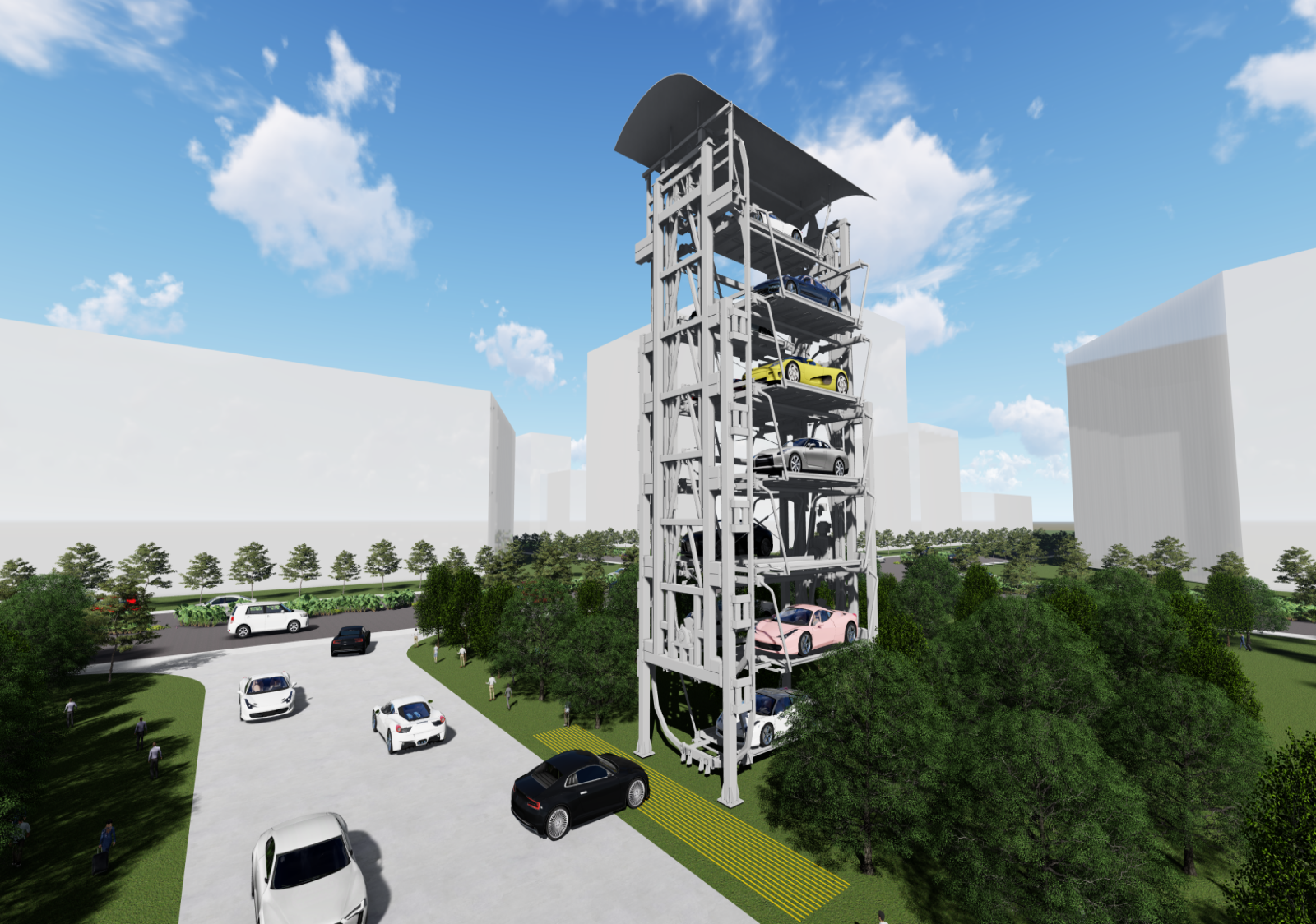


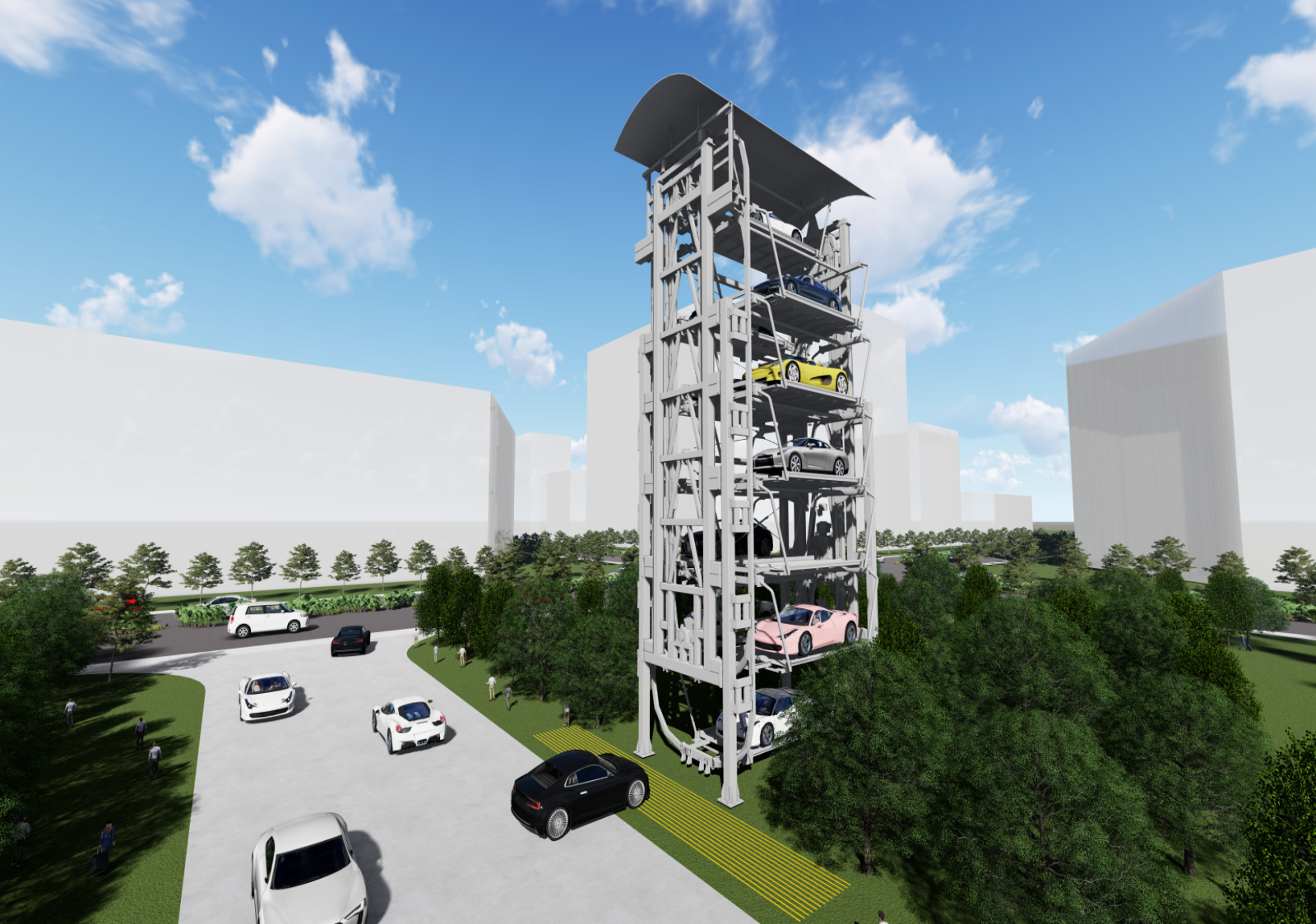
Introduction:
Imagine circling a city block for 20 minutes, your frustration rising with each loop, only to find a parking spot that’s comically small. This daily ritual wastes time, fuel, and sanity. But what if your car could talk to the parking lot? What if spaces could announce their availability? Welcome to the world of Smart Car Parking—a seamless fusion of IoT sensors, data analytics, and user-centric apps that’s turning urban parking from a nightmare into a streamlined experience.
The Core Technology: The Internet of Parking Spaces
At its heart, smart parking is built on a network of IoT sensors. These can be:
In-ground sensors: Embedded in each parking bay, detecting vehicle presence via magnetism or radar.
Overhead sensors: Cameras or lidar units mounted on lampposts, monitoring multiple spaces.
Vehicle-centric systems: Using the car’s own ultrasonic sensors to identify empty spots as it drives by.
These sensors feed real-time data to a central cloud platform, creating a live digital map of occupancy. This map is the golden ticket.
The User Experience: From Friction to Flow
For drivers, the magic happens in a smartphone app. You open it before your trip, enter your destination, and are shown:
Real-time availability and pricing for nearby lots and on-street spots.
The ability to reserve and pay in advance.
Turn-by-turn navigation directly to your reserved bay (or the most likely available one).
No more fumbling for coins or tickets; digital payments are automatic.
The result? Studies show smart parking can reduce search time by up to 45%, cut congestion by 30%, and lower vehicle emissions in crowded districts. It transforms parking from a stressful gamble into a predictable, controlled service.
The Bigger Picture: Smarter Cities
The benefits ripple outward. City planners gain invaluable data on parking patterns, peak demand, and revenue collection. This allows for dynamic pricing—adjusting rates to encourage turnover in high-demand areas or fill underutilized lots. Enforcement becomes more efficient, and freed-up curbside space can be repurposed for bike lanes, green spaces, or delivery zones.
Conclusion:
Smart parking is more than a convenience; it’s a critical component of the future smart city. By tackling the seemingly mundane problem of parking, we unlock cascading benefits: less traffic, cleaner air, recovered time, and more livable urban spaces. The future isn't just about autonomous cars driving us; it's about them finding a place to park, too.

The Future Is Feline Shirthttps://moteefe.com/store/the-future-is-feline-shirtShop The Future Is Feline Shirt, you'd like this The Future Is Feline T Shirt.
Special run of this shirt is for you The Future Is Feline.
Buy The Future Is Feline Shirts.