


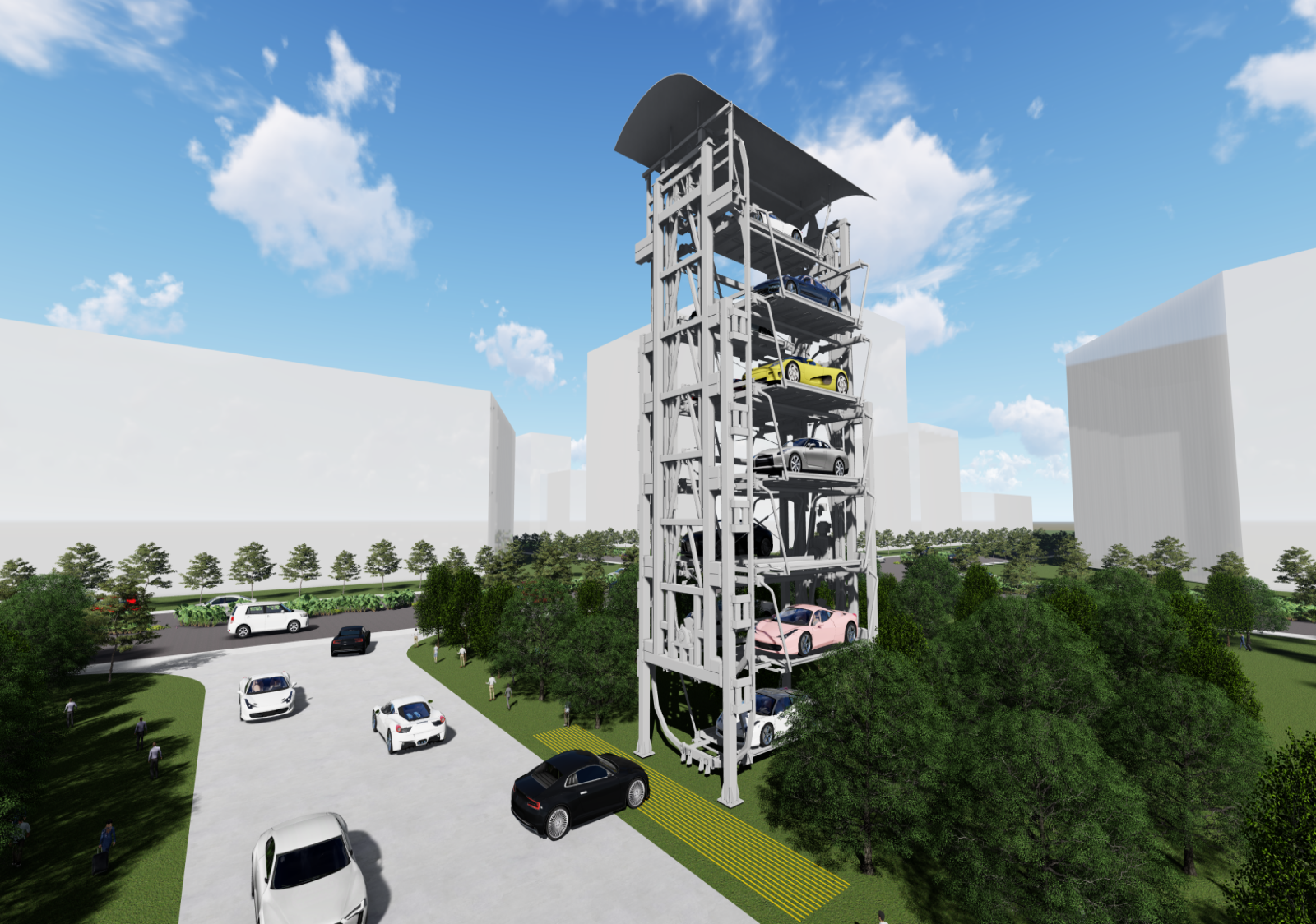


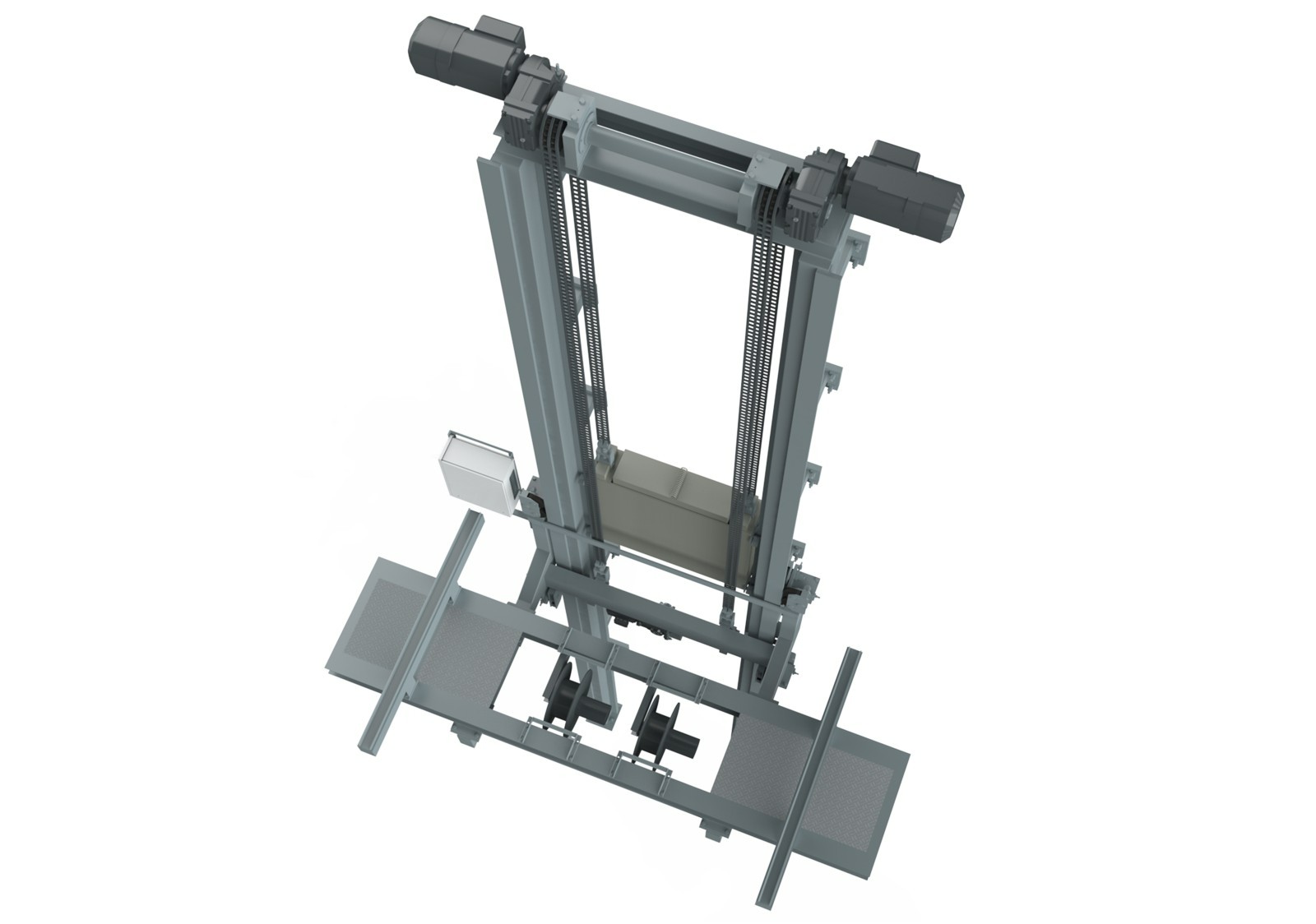
When we think of smart car parking, we picture a slick mobile app. But that app is just the tip of the iceberg. Beneath the surface lies a complex, robust ecosystem of hardware and software working in concert. Today, we dive deep into the unsung heroes that make the magic of seamless parking possible.
1. The Sensors: The Eyes on the Ground (and Above)
Magnetic (In-ground): The veterans. They detect the disturbance in the Earth’s magnetic field caused by a large metal object (your car). Rugged and reliable, but installation requires pavement cutting.
Radar (In-ground): The all-weather performers. They emit radio waves to detect vehicles, working perfectly through snow, rain, or debris. More expensive but highly accurate.
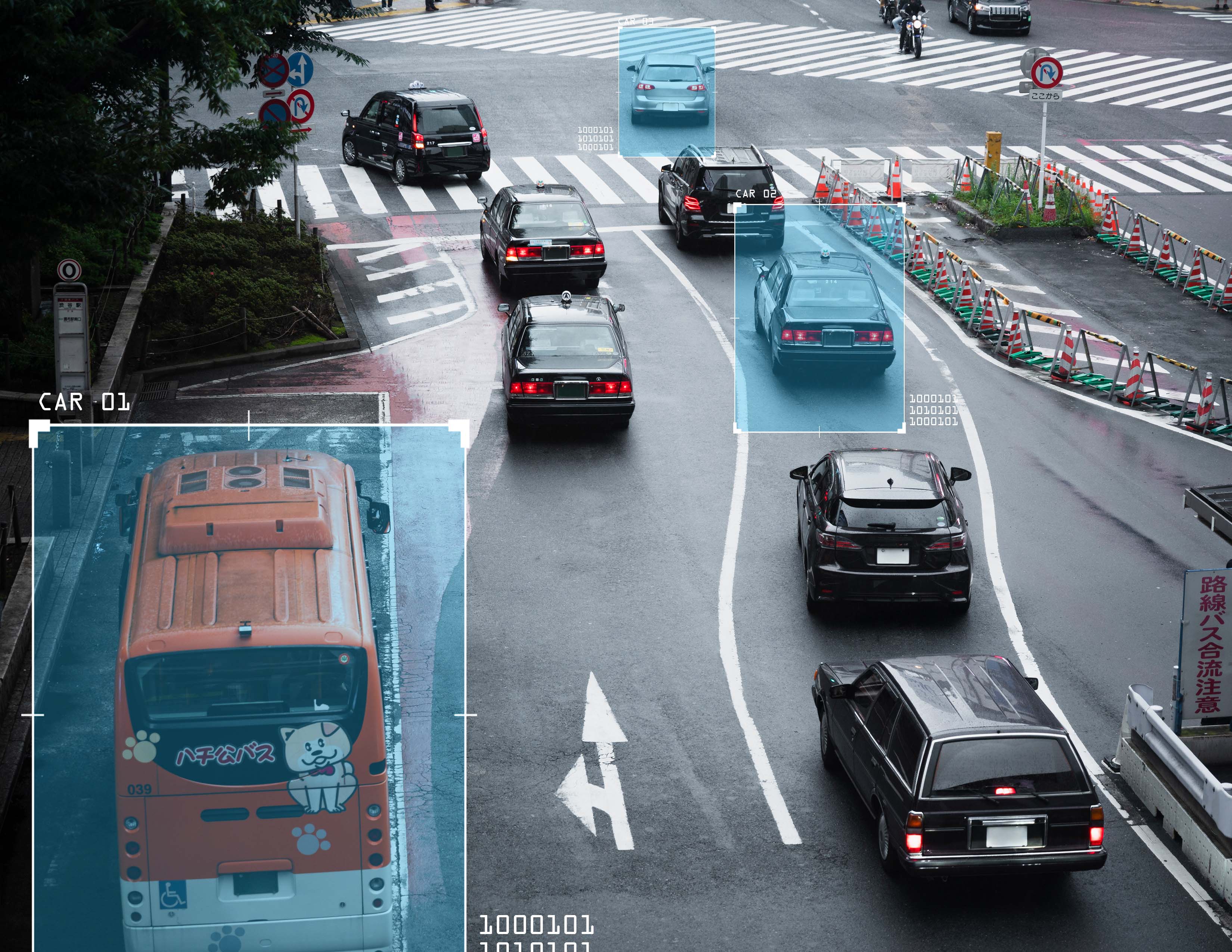
Computer Vision (Overhead): The multitaskers. AI-powered cameras don’t just detect presence; they can read license plates for frictionless entry/exit, identify vehicle type, and even spot improperly parked cars. They cover wide areas with a single unit.
2. The Connectivity Backbone: The Nervous System
Data from thousands of sensors is useless if it can’t travel. This is where Low-Power Wide-Area Networks (LPWAN) like LoRaWAN and NB-IoT shine. They send small packets of data (e.g., "Spot A7 is now occupied") over long distances with minimal battery drain, allowing sensors to last for years. For high-bandwidth needs like video, 5G and Wi-Fi come into play.
3. The Analytics Engine: The Brain
The raw data flood needs interpretation. Cloud-based platforms use machine learning algorithms to:
Predict occupancy: Forecasting how full a lot will be at 5 PM on a Friday.
Detect anomalies: Flagging a car that has been stationary for 48 hours.
Optimize pricing: Automatically adjusting rates based on predicted demand.
Provide insights: Telling facility managers which entrances are busiest or which floors fill first.
4. The Integration Layer: The Diplomat
A smart parking system doesn’t exist in a vacuum. Its true power is in talking to other systems via APIs:
Navigation Platforms: Feeding real-time space data directly into Google Maps, Waze, or Apple Maps.
City Infrastructure: Integrating with traffic light systems to manage flow.
Fleet Management Software: Guiding delivery and logistics vehicles to available commercial loading zones.
Conclusion:
The next time you effortlessly glide into a reserved spot, remember the orchestra of technology conducting your experience. From humble pavement sensors to sophisticated AI in the cloud, each component plays a vital role. Understanding this infrastructure reveals that automatic parking garage isn’t just an app—it’s a critical piece of modern urban tech-stack.
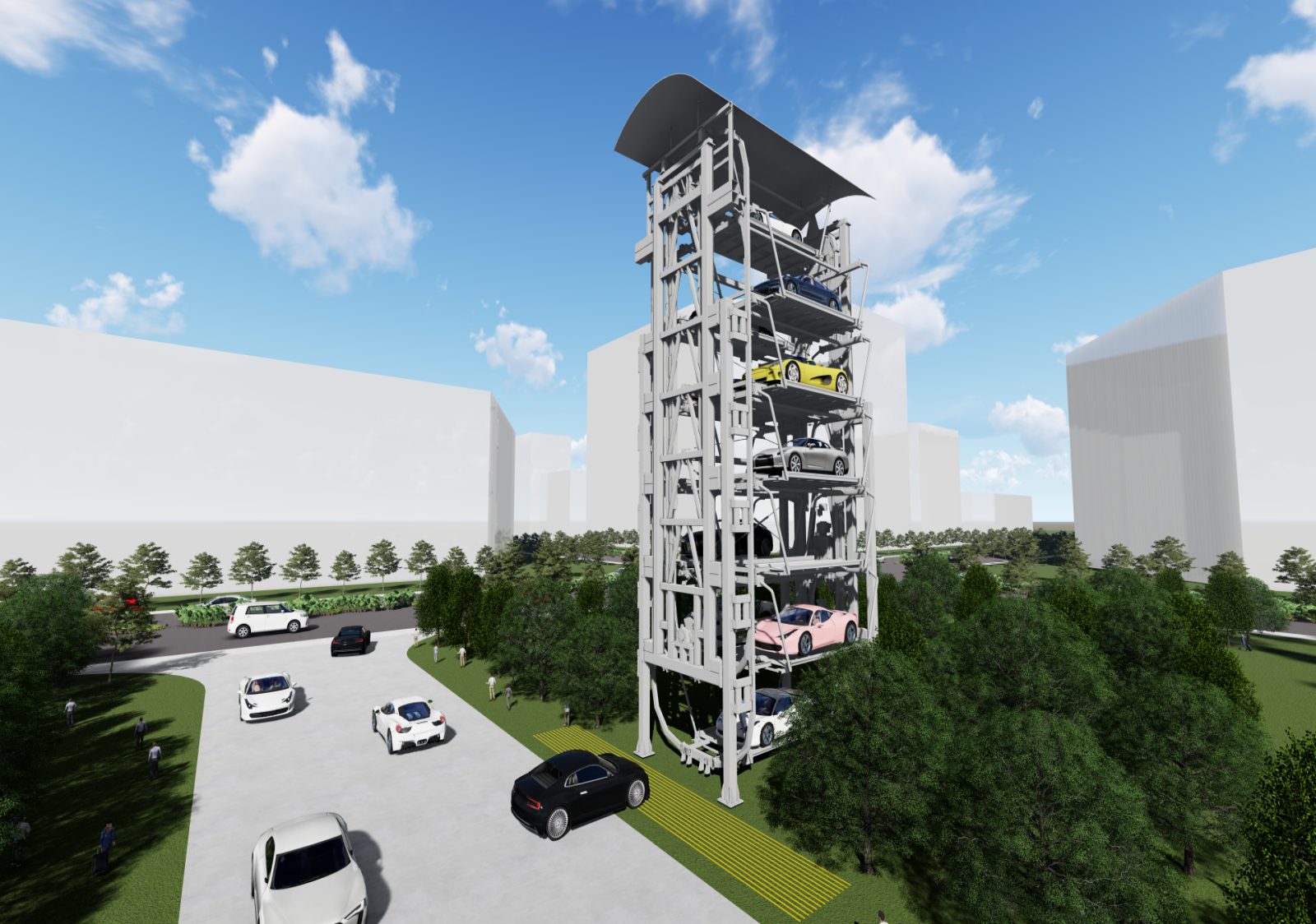


In 2018, the global Smart Parking Systems market size was million US$ and it is expected to reach million US$ by the end of 2025, with a CAGR of during 2019–2025.This report focuses on the global Smart Parking Systems status, future forecast, growth opportunity, key market and key players.
The study objectives are to present the Smart Parking Systems development in United States, Europe and China.Download FREE Sample of this Report @ https://www.grandresearchstore.com/report-sample/global-smart-parking-systems-2019-2025-504The key players covered in this studyStreetline, Inc.Smart Parking LimitedAmano McGannNedap N.V.Cisco System, Inc.UrbioticaParkmobile LLCParkMe, Inc.Skidata AGSwarco AGWorldsensingMarket segment by Type, the product can be split intoSensor and Network HardwareSoftware (Management and Analytics Software and Mobile Applications)ServicesMarket segment by Application, split intoAirportsGovernment and MunicipalitiesCorporate and Commercial InstitutionsMarket segment by Regions/Countries, this report coversUnited StatesEuropeChinaJapanSoutheast AsiaIndiaCentral & South AmericaThe study objectives of this report are:To analyze global Smart Parking Systems status, future forecast, growth opportunity, key market and key players.To present the Smart Parking Systems development in United States, Europe and China.To strategically profile the key players and comprehensively analyze their development plan and strategies.To define, describe and forecast the market by product type, market and key regions.In this study, the years considered to estimate the market size of Smart Parking Systems are as follows:History Year: 2014–2018Base Year: 2018Estimated Year: 2019Forecast Year 2019 to 2025For the data information by region, company, type and application, 2018 is considered as the base year.
Whenever data information was unavailable for the base year, the prior year has been considered.Get the Complete Report & TOC @ https://www.grandresearchstore.com/ict-and-media/global-smart-parking-systems-2019-2025-504Table of content1 Report Overview1.1 Study Scope1.2 Key Market Segments1.3 Players Covered1.4 Market Analysis by Type1.4.1 Global Smart Parking Systems Market Size Growth Rate by Type (2014–2025)1.4.2 Sensor and Network Hardware1.4.3 Software (Management and Analytics Software and Mobile Applications)1.4.4 Services1.5 Market by Application1.5.1 Global Smart Parking Systems Market Share by Application (2014–2025)1.5.2 Airports1.5.3 Government and Municipalities1.5.4 Corporate and Commercial Institutions1.6 Study Objectives1.7 Years Considered2 Global Growth Trends2.1 Smart Parking Systems Market Size2.2 Smart Parking Systems Growth Trends by Regions2.2.1 Smart Parking Systems Market Size by Regions (2014–2025)2.2.2 Smart Parking Systems Market Share by Regions (2014–2019)2.3 Industry Trends2.3.1 Market Top Trends2.3.2 Market Drivers2.3.3 Market Opportunities3 Market Share by Key Players3.1 Smart Parking Systems Market Size by Manufacturers3.1.1 Global Smart Parking Systems Revenue by Manufacturers (2014–2019)3.1.2 Global Smart Parking Systems Revenue Market Share by Manufacturers (2014–2019)3.1.3 Global Smart Parking Systems Market Concentration Ratio (CR5 and HHI)CONTACT US:276 5th Avenue, New York , NY 10001,United StatesInternational: (+1) 646 781 7170 / +91 8087042414Email: help@grandresearchstore.comFollow Us On linkedin :- https://www.linkedin.com/company/grand-research-store/