

When planning or upgrading metal buildings in Waco, TX, one of the most important design decisions is siding orientation. Horizontal and vertical metal siding each offers distinct advantages in durability, appearance, and long-term performance. Understanding these differences helps property owners make a smart, cost-effective choice—especially in Central Texas conditions.
This guide breaks it all down so you can confidently choose the best option for your metal building.
Understanding Metal Siding Orientation
Metal siding doesn’t just define how your building looks—it also affects weather resistance, maintenance, and even resale value. The right orientation depends on your building’s purpose, location, and aesthetic goals.
Horizontal Metal Siding: A Clean, Modern Look
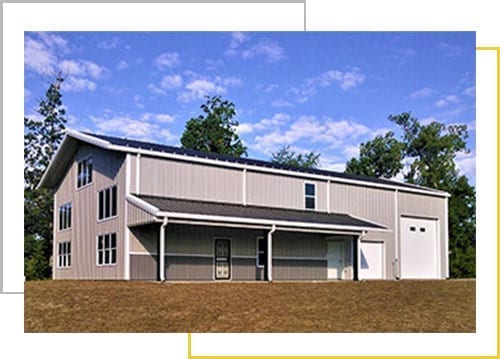
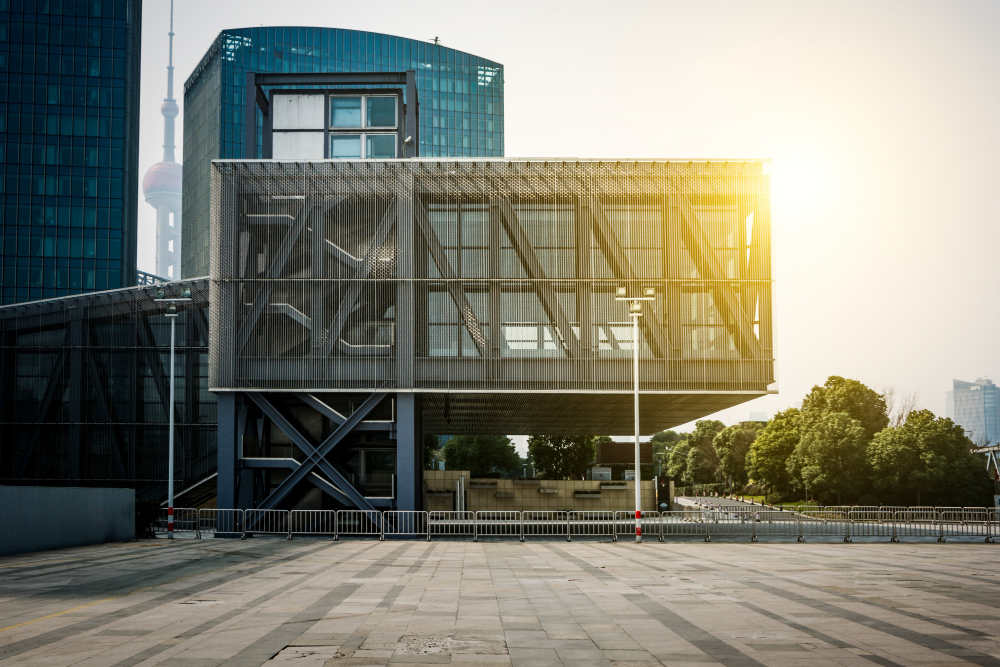
Horizontal siding is installed parallel to the ground and is popular in modern commercial and residential-style metal buildings.
Benefits of Horizontal Siding
● Contemporary appearance: Creates a sleek, modern aesthetic.
● Visual width: Makes buildings appear wider and more expansive.
● Design flexibility: Pairs well with mixed materials like brick or stone.
● Cost-effective installation: Often slightly easier and faster to install.
Considerations
● In areas with heavy rainfall, horizontal seams may require extra sealing.
● Slightly more maintenance may be needed to prevent water buildup over time.
Horizontal siding works well for offices, retail spaces, and residential-style metal structures across Waco, TX, where curb appeal matters.
Vertical Metal Siding: Strength Meets Practicality
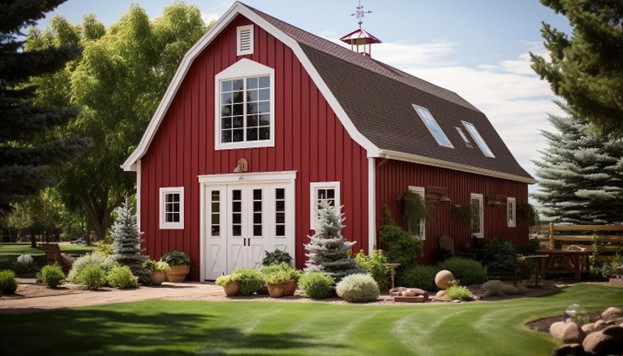
Vertical siding runs from top to bottom and is the most common choice for traditional metal buildings.
Benefits of Vertical Siding
● Superior water drainage: Rain flows down naturally, reducing leak risk.
● Low maintenance: Less chance of dirt and moisture buildup.
● Classic metal-building look: Ideal for barns, warehouses, and industrial sites.
● Structural efficiency: Often preferred for larger buildings.
Considerations
● The look can feel more industrial if not balanced with design accents.
● May visually increase building height, which isn’t always desired.
For durability-focused projects and agricultural or commercial use, vertical siding is often the go-to option.
Which Is Better for Metal Buildings
There’s no one-size-fits-all answer—but climate and building use are key factors.
Choose horizontal siding if you want:
● A modern, architectural finish
● Enhanced curb appeal
● Office, retail, or residential-style metal buildings
Choose vertical siding if you want:
● Maximum weather resistance
● Lower long-term maintenance
● Warehouses, workshops, or agricultural buildings
In Central Texas, where heavy rain and heat are common, proper installation matters more than orientation alone. Quality materials, expert workmanship, and correct insulation make all the difference.
Expert Guidance Makes the Difference
Whether you’re constructing a new facility or upgrading an existing structure, working with experienced professionals ensures your siding choice delivers both performance and value. For property owners researching metal buildings in Waco, TX, choosing the right siding can significantly impact longevity, energy efficiency, and visual appeal.
At Clark Roofing, expert guidance helps you select the best siding solution tailored to your building’s function, budget, and local climate—so your investment stands strong for years to come.