


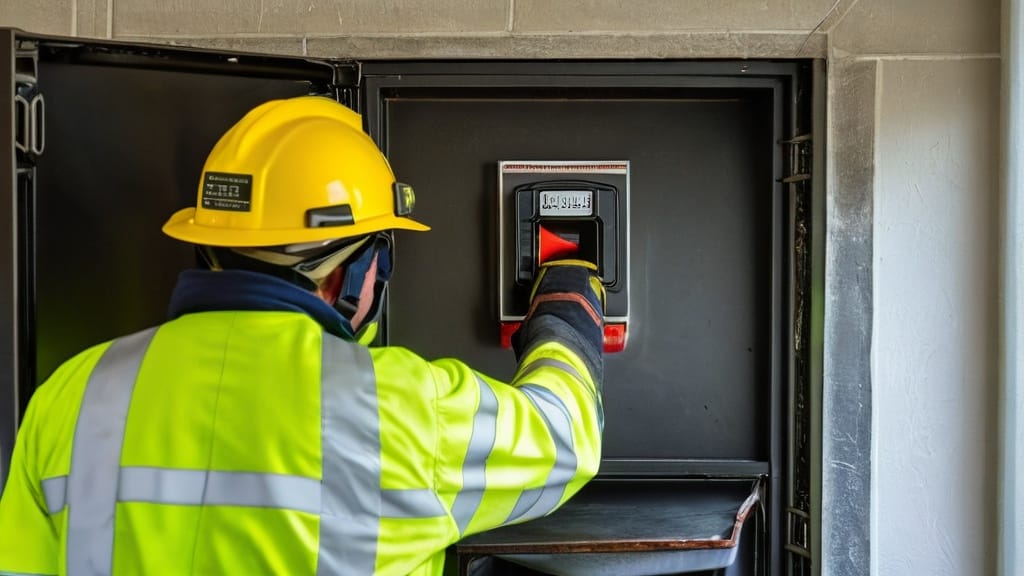
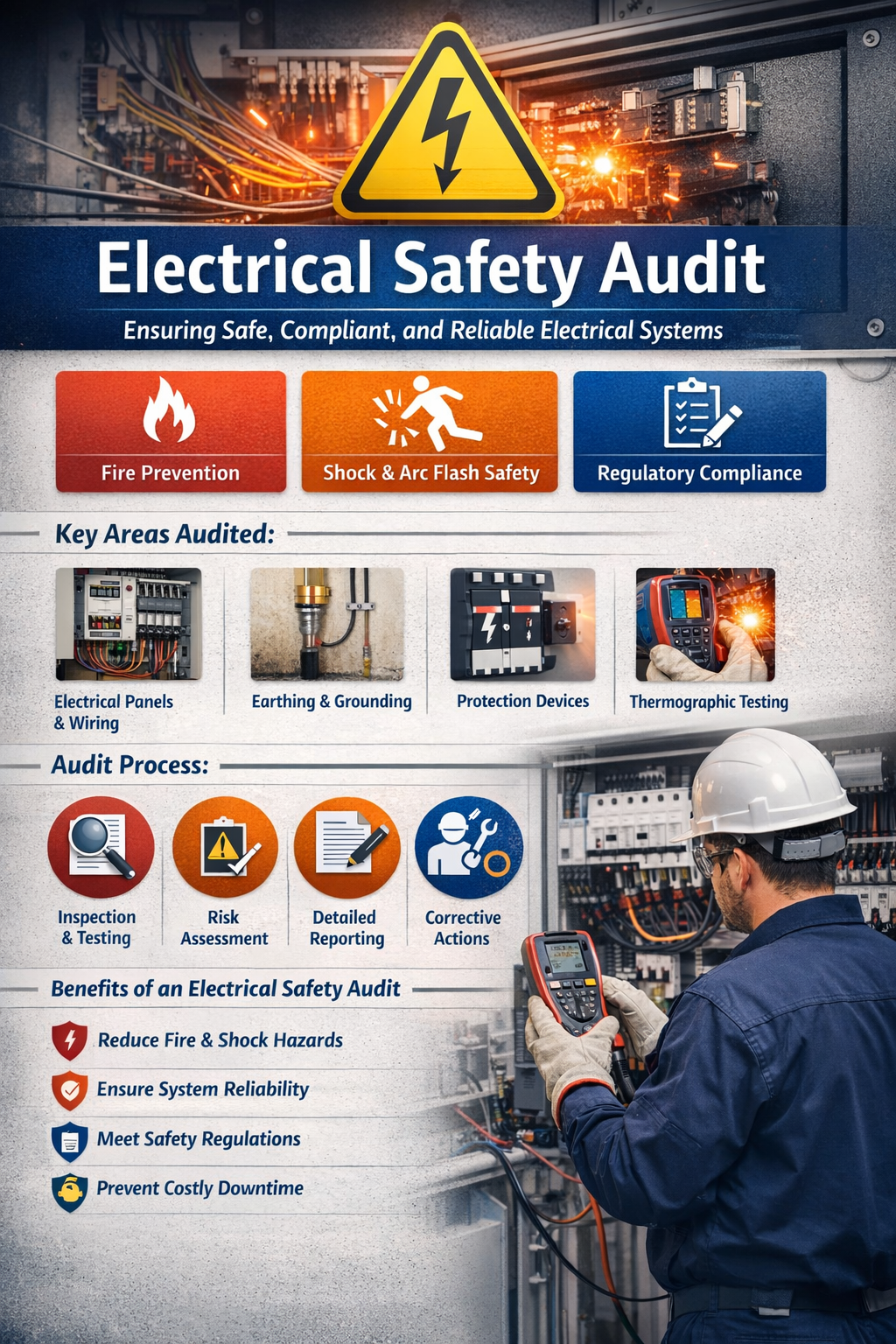
In warehouses and industrial facilities, operational complexity, regulatory obligations, and safety risks continue to increase. These environments involve large workforces, heavy machinery, electrical systems, material handling equipment, and hazardous processes. In such conditions, regular audits are essential to ensure safety, compliance, and operational reliability.
An audit is a structured and systematic evaluation of workplace conditions, processes, and systems to identify gaps, assess risks, and recommend corrective actions.
1. Systematic Identification of Risks and Hazards
Warehouses and industries are exposed to a wide range of operational risks, including:
- Mechanical and electrical hazards
- Fire and explosion risks
- Unsafe material storage and handling
- Inadequate emergency preparedness
Audits provide an objective assessment of these risks, enabling organizations to identify non-conformities and potential failure points before they lead to accidents or operational disruptions.
2. Compliance with Statutory and Regulatory Requirements
Industrial and warehouse operations are governed by multiple statutory requirements related to occupational safety, fire safety, electrical safety, and environmental protection. Regular audits help organizations:
- Ensure adherence to applicable laws and standards
- Maintain proper records and documentation
- Prepare effectively for inspections by authorities
Compliance through audits reduces legal exposure and supports sustainable business operations.
3. Enhancement of Workplace Safety and Health
Audits play a crucial role in safeguarding employees by:
- Evaluating the effectiveness of safety systems and procedures
- Identifying unsafe acts and conditions
- Recommending corrective and preventive measures
This structured approach strengthens workplace safety management and contributes to a healthier, more secure working environment.
4. Prevention of Operational Losses and Business Interruptions
Unplanned incidents such as fires, equipment failures, or accidents can result in production losses, asset damage, and reputational harm. Audits support:
- Early detection of equipment and system deficiencies
- Improved maintenance and operational controls
- Reduced likelihood of downtime and financial loss
Preventive auditing helps protect business continuity.
5. Improvement of Operational Efficiency and Process Control
Beyond compliance and safety, audits help identify inefficiencies in operations, such as:
- Suboptimal workflows
- Poor storage and layout planning
- Energy and resource wastage
Addressing these findings enables organizations to enhance productivity, optimize resource utilization, and improve overall process reliability.
6. Strengthening Stakeholder Confidence
Organizations that conduct regular audits demonstrate a commitment to safety, compliance, and quality. This builds confidence among:
- Clients and customers
- Regulatory authorities
- Insurers and business partners
A strong audit framework enhances corporate credibility and professional standing.
7. Driving Continuous Improvement
Audits provide measurable insights that support continuous improvement. Periodic audits help organizations:
- Track performance over time
- Verify the effectiveness of corrective actions
- Align operations with industry best practices
This ensures long-term operational excellence and resilience.
Conclusion
Audits are a critical management tool for warehouses and industrial facilities. They help organizations protect employees, comply with regulations, minimize risks, and improve operational efficiency. Regular and well-executed audits are fundamental to safe, compliant, and sustainable industrial operations.
About the Technical Review and Authorship
This blog is technically authored and peer-reviewed by certified Elion safety professionals, ensuring compliance with applicable codes, statutory requirements, and recognised industry best practices. The content is intended to support informed decision-making and responsible safety management.


In this blog post, our Co-founder Farzana explains why the website is important for small businesses.