


Process safety incidents don't announce themselves. A runaway reaction, a toxic gas release, an overpressure event — these typically develop from deviations that were foreseeable, that experienced engineers would have identified if they'd been asked the right questions systematically.
That's exactly what a HAZOP does. And yet a significant number of chemical plants, pharmaceutical facilities, and process industries in India have either never conducted one or are operating on a HAZOP study that was completed a decade ago and hasn't been revisited since.
What a HAZOP actually is (in plain terms)
HAZOP — Hazard and Operability Analysis — is a structured, team-based technique for identifying process hazards. It works by systematically applying "guide words" (No, More, Less, Reverse, Other than, etc.) to each process parameter (flow, pressure, temperature, composition) at every node of a process diagram. The team then asks: what happens if this deviation occurs? What are the causes? What are the consequences? What safeguards exist?
The output is a detailed register of hazard scenarios, each with associated causes, consequences, existing safeguards, and recommended actions — ranked by risk.
Three things that make HAZOP non-negotiable in 2025
- Regulatory pressure is increasing. PESO, factory inspectorates, and state pollution control boards are asking for process hazard documentation with increasing frequency — particularly after major process industry incidents. Having a documented, structured HAZOP on file is evidence of due diligence that can significantly affect regulatory outcomes.
- Insurance underwriters are asking for it. For high-hazard facilities — flammable storage, reactive chemicals, high-pressure processes — insurers are increasingly conditioning coverage or pricing on the existence of formal hazard studies. A HAZOP and QRA together provide the risk quantification that underwriters need to assess and price the risk.
- Process modifications create new hazards. Plants change. Equipment gets added. Operating conditions get pushed. A HAZOP study from 2015 doesn't capture the hazards introduced by the debottlenecking project in 2019 or the feedstock change in 2022. Facilities need re-HAZOP after material changes — and most don't do it.
HAZOP vs HIRA vs QRA — which one do you need?
HIRA — broader scope, covers all workplace hazards, faster to execute, good for factory safety compliance and first-pass risk register
HAZOP — deep-dive process hazard analysis for piped systems and process equipment; essential for chemical, pharma, oil & gas, and high-pressure steam systems
QRA — adds quantification to HAZOP scenarios: individual risk, societal risk, consequence modelling (toxic gas dispersion, explosion overpressure, thermal radiation). Required for siting decisions, major accident hazard notifications, and insurance risk quantification
For most process facilities: HIRA + HAZOP together cover regulatory and operational risk requirements. QRA is needed for major hazard facilities or land-use planning inputs.
What to expect from a HAZOP engagement
A credible HAZOP requires P&IDs, process descriptions, operating and design conditions, and a multi-disciplinary team. The study is conducted node-by-node by an experienced HAZOP facilitator working with process, operations, maintenance, and safety personnel. For a mid-sized process unit, expect several days of structured sessions. The output report documents every deviation scenario examined — giving you an auditable record of the analysis.
Elion Technologies & Consulting carries a HAZOP-certified engineering team and conducts HAZOP, HIRA, QRA, and zone classification studies across chemical, pharmaceutical, oil & gas, and process industries pan-India. Their process safety reports are structured to IEC 61511 and IS 5572 standards and are accepted by regulators and insurance underwriters. → elion.co.in/hazop


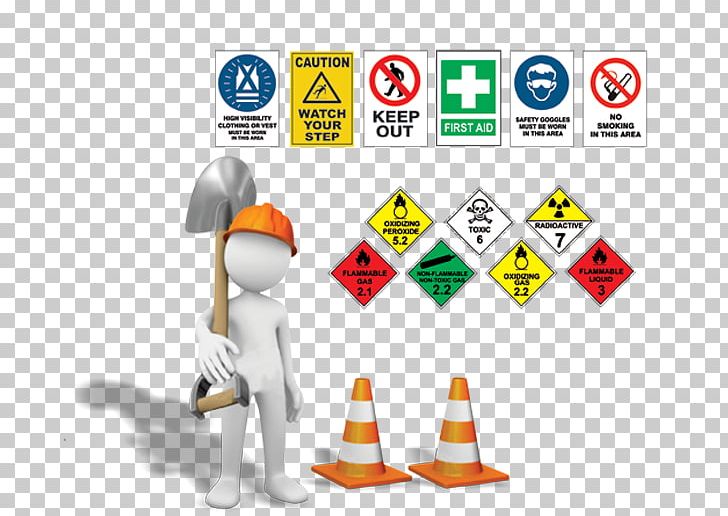
Process Safety Management is one of the most important functions of the management of any of the industries that are within the Oil & Gas, Pharmaceutical, Chemical, Petrochemical, fuel-based Power Generation, and similar domains.
This is because these industries generally handle tons of hazardous materials, that have the danger of fireside, explosion, damage to have assets, adverse effects on people, toxic leaks, and environmental destruction.
It has played an important role within the chemical processing industries in order to handle flammable liquids and gases could proceed without undesirable consequences.The process design and technology, changes within the method, materials, and changes in materials, operations, and maintenance practices and procedures, training, emergency preparedness and other elements affecting the tactics must all be considered within the systematic identification and evaluation of hazards so on to determine whether or not they need the potential to steer to a catastrophe within the workplace and surrounding community.Process safety management is an integral part of the chemical processing facility safety program.
An effective process safety management program requires the leadership, support, and involvement of top management, facility management, supervisors, employees, contractors, and contractor employees.The PSM standard targets highly hazardous chemicals that have the potential to cause a catastrophic incident.
The purpose of the quality as an entire is to assist employers in their efforts to stop or mitigate episodic chemical releases that would cause a catastrophe in the workplace and possibly in the surrounding community.
Organizations need to develop the specified experience, expertise, judgment, and initiative within their workforce to properly implement and maintain an efficient PSM program and to prevent these sorts of hazards.Even a robust process safety management program is subject to wear and tear if not properly maintained.