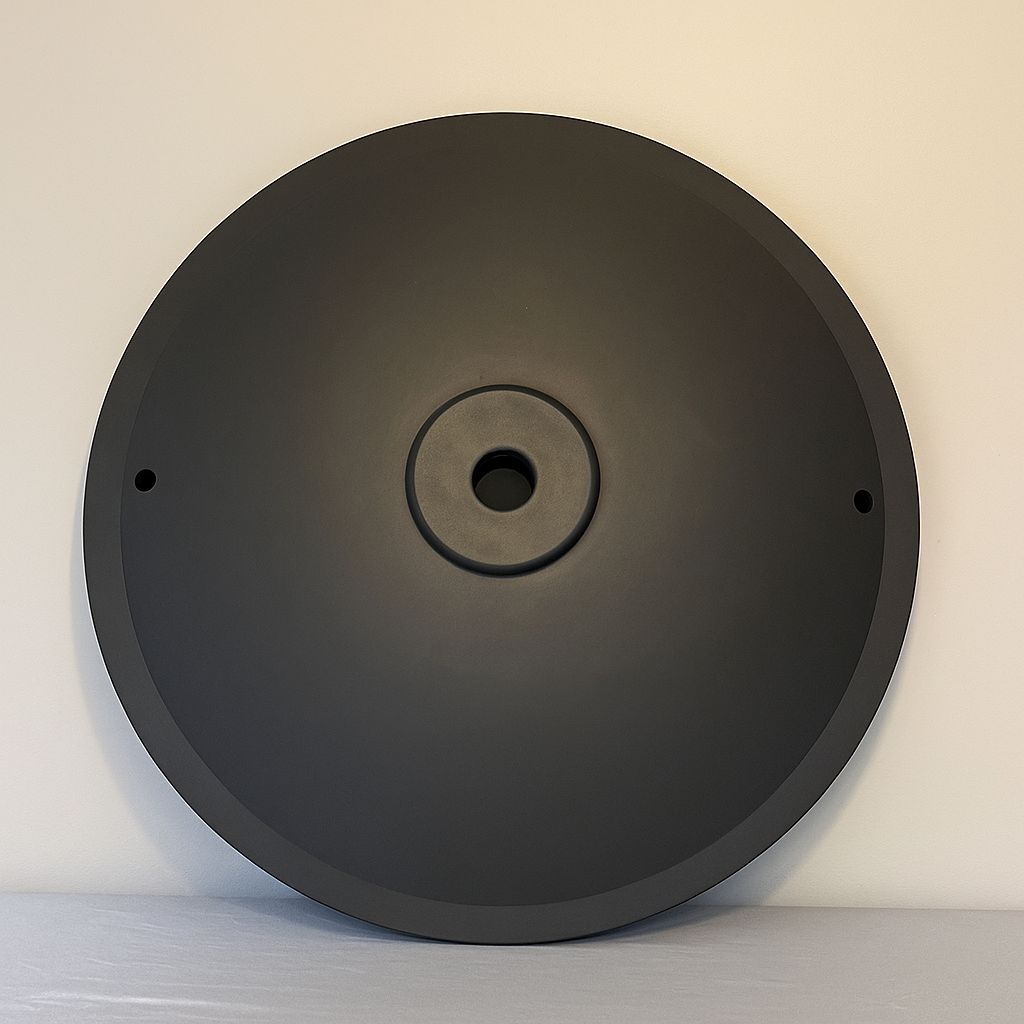
Outdoor water features enhance landscapes, but safety and stability are often overlooked during selection and installation. An improperly supported fountain can shift, tilt, or tip over, creating risks for people, pets, and surrounding property. Choosing the right outdoor fountain base plays a crucial role in preventing these hazards while also extending the life of the fountain itself. A stable foundation ensures balanced weight distribution, reliable pump operation, and resistance to environmental stressors like wind or uneven ground. This guide explains how fountain bases contribute to safety and what features buyers should prioritize when selecting outdoor fountain solutions.
Understanding Why Fountain Stability Matters
Stability is essential because outdoor fountains are exposed to constant environmental movement. Wind pressure, soil settling, vibration from water circulation, and accidental contact can all cause instability over time. When an outdoor fountain base lacks proper support, even minor shifts can lead to cracks, pump misalignment, or complete tipping. Stable bases reduce these risks by anchoring the fountain securely and keeping its center of gravity low.
Material Weight and Structural Support
The material used in a fountain base directly affects its ability to resist tipping. Heavier materials such as cast stone, reinforced concrete, and composite resin blends provide better grounding than lightweight plastics. A well-designed outdoor fountain base combines weight with internal reinforcement to handle the vertical load of the fountain and water volume. Structural integrity prevents flexing, which can weaken joints over time. Choosing materials engineered for outdoor exposure also ensures that the base maintains strength despite moisture, temperature changes, and prolonged sun exposure.
Base Dimensions and Ground Contact Area
Beyond weight, the footprint of the base plays a key role in overall stability. A wider contact area distributes load more evenly across the ground surface. When an outdoor fountain base has sufficient width and flatness, it minimizes pressure points that can cause sinking or tilting. This is especially important for installations on soil, grass, or pavers where ground movement is more likely. Adequate ground contact also helps the fountain remain level, supporting smooth water circulation and preventing mechanical strain.
Surface Preparation and Installation Practices
Even the strongest base cannot compensate for poor surface preparation. Level ground is essential before placing any fountain. In professional installations supported by Friendly Fountains, surface assessment is a key step to ensure long-term stability. Compacting soil, using gravel beds, or installing concrete pads helps create a solid platform. A properly prepared surface works together with the base to prevent shifting, especially in areas with heavy rainfall or freeze-thaw cycles that can destabilize outdoor structures.
Design Compatibility and Weight Balance
A fountain base must be proportionate to the fountain it supports. Tall or multi-tier fountains require broader and heavier bases to counteract upward weight distribution. An undersized outdoor fountain base may appear stable initially but becomes hazardous as water fills the structure. Balanced design ensures that the center of gravity remains low, reducing the risk of tipping. Selecting bases designed specifically for certain fountain styles improves safety and maintains aesthetic alignment.
Long-Term Durability and Maintenance
Durability contributes directly to stability over time. Cracks, erosion, or internal weakening can compromise a base’s ability to support the fountain. Regular inspection for wear and proper drainage around the base help maintain its integrity. A durable base reduces the likelihood of sudden failure, supporting both safety and consistent fountain performance.
Conclusion
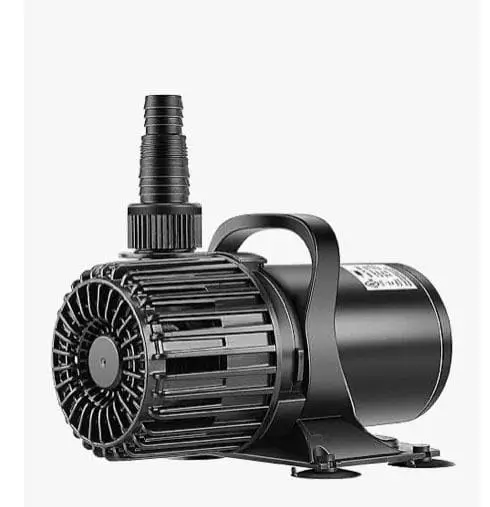
Preventing tipping hazards starts with understanding the importance of a stable foundation. Material strength, proper dimensions, surface preparation, and long-term durability all contribute to safe fountain operation. A carefully chosen base supports water circulation, protects surrounding areas, and ensures reliable performance of internal components. When stability is prioritized alongside pump compatibility, including systems powered by a 120v pond pump, outdoor fountains remain safe, functional, and visually appealing for years to come.