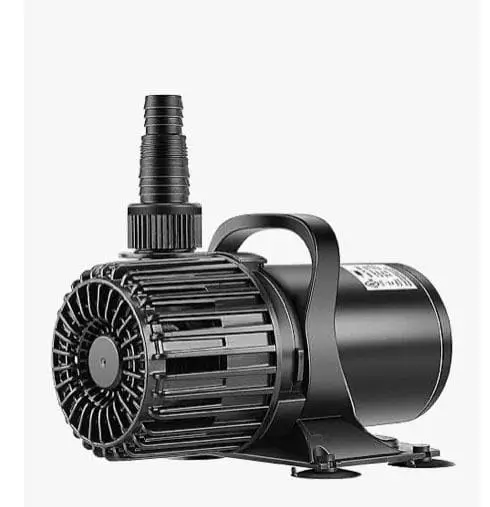
Proper water circulation is essential for maintaining a healthy and visually appealing pond. Flow rate, pressure, and overall pump capacity determine how efficiently water moves through filtration systems and decorative features. Selecting the correct equipment requires understanding how horsepower and pump size influence performance. Among the available circulation systems, pond water pumps are central to sustaining oxygen levels, supporting filtration, and powering fountains or waterfalls. Matching the pump’s specifications to pond volume and depth ensures consistent movement without unnecessary energy consumption or mechanical strain.
The Role of Horsepower in Pump Performance
Horsepower measures the mechanical strength of a pump motor. In pond systems, it determines how forcefully water can be moved through pipes, filters, and display features. Higher horsepower supports greater lift and stronger flow, which is particularly important for deeper ponds or installations that include elevation changes. Smaller ornamental ponds may operate efficiently with lower horsepower units, while larger water features demand more powerful motors. Appropriately sized pond water pumps maintain steady circulation without overworking components or creating excessive turbulence that disrupts aquatic balance.
Balancing Power and Efficiency
More horsepower does not always translate to better results. Oversized pumps can increase operating costs and cause unnecessary agitation, leading to water loss through splash or evaporation. Undersized units may struggle to maintain adequate circulation, resulting in stagnant zones. Energy efficiency becomes a significant factor in long-term operation, especially for systems running continuously. Selecting a pump with the right horsepower allows stable flow while controlling electricity usage. Proper sizing protects equipment longevity and preserves the ecological stability of the pond environment.
Understanding Flow Rate and Gallons Per Hour
Flow rate is typically measured in gallons per hour and indicates how much water a pump can move within sixty minutes. Determining the correct rate depends on total pond volume and the desired turnover cycle. Many pond systems aim to circulate the full water volume at least once every hour or two. This consistent movement supports oxygenation and filtration. When evaluating pond water pumps, considering both horsepower and gallons per hour ensures the system can handle the pond’s size and maintain balanced water chemistry throughout all depths.
Head Height and Pressure Considerations
Head height refers to the vertical distance water must travel from the pump to its outlet. Every foot of elevation reduces the effective flow rate. Pumps designed for shallow circulation differ from those required to push water to elevated waterfalls or decorative sprays. Accurate head height calculation prevents underperformance and uneven distribution. Proper alignment between flow capacity and elevation demands ensures consistent water delivery. When pump output matches these requirements, the system operates smoothly without excessive strain or fluctuating pressure.
Matching Pump Size to Pond Dimensions
Pond size plays a decisive role in pump selection. Small backyard ponds require modest circulation, while expansive decorative or koi ponds need higher capacity systems. Depth also influences oxygen distribution, as deeper ponds require stronger upward movement to prevent stratification. Pump intake placement further affects performance, ensuring debris is captured efficiently without clogging. When size and horsepower align with pond volume, circulation remains even and supports both filtration and aesthetic features without creating disruptive currents that stress aquatic life.
Integration with Filtration Systems
Filtration systems rely on steady water movement to remove debris and maintain clarity. Mechanical and biological filters depend on consistent flow to function effectively. If a pump is too small, the filtration media may not receive adequate water exposure. Excessively large pumps may overwhelm filter capacity. Coordinated sizing ensures balanced performance across all components. This integration strengthens water quality management and reduces maintenance frequency. Reliable circulation supports beneficial bacteria growth and improves overall clarity by preventing sediment buildup in low-flow areas.
Performance in Decorative Water Features
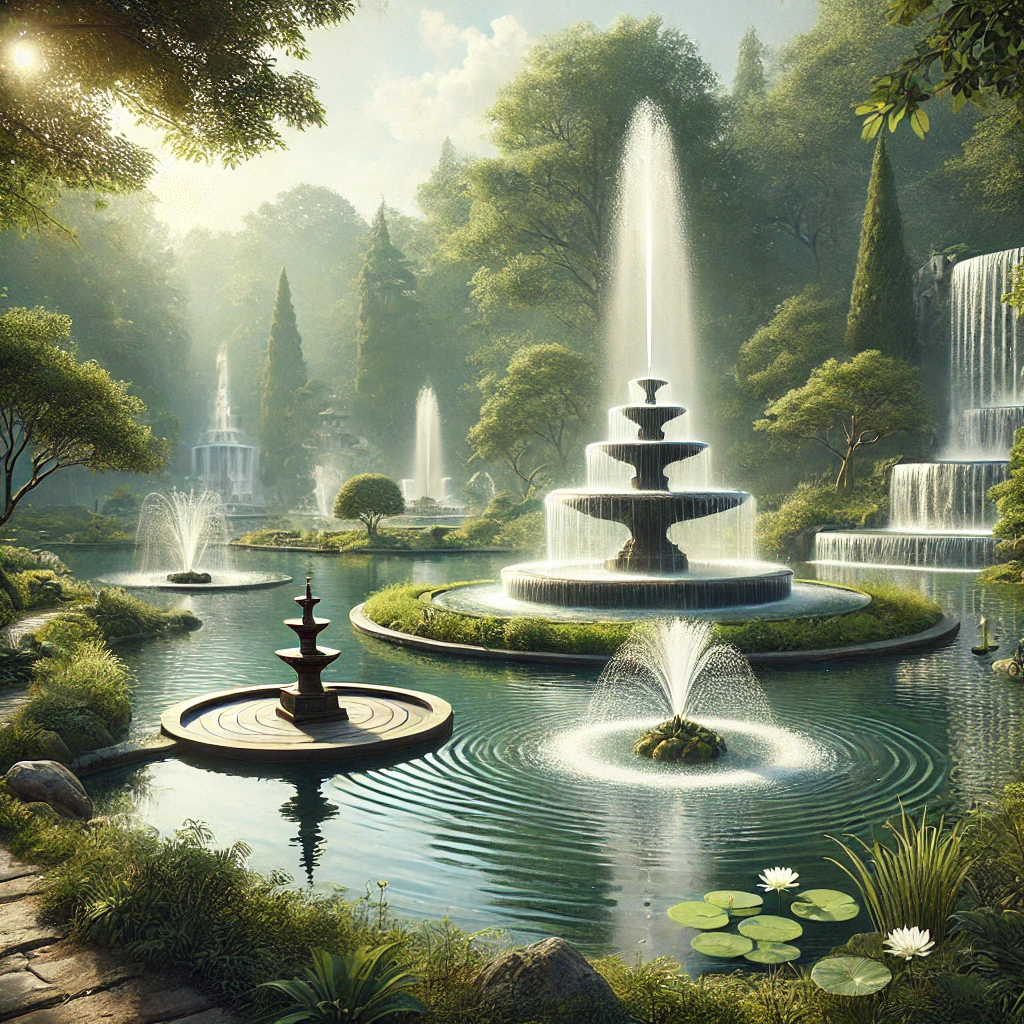
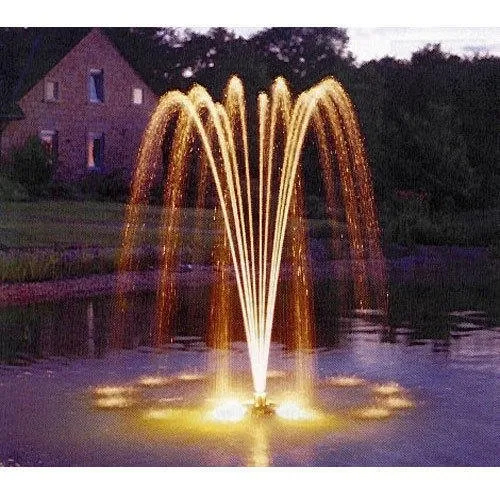
Decorative elements such as fountains and waterfalls depend on appropriate pressure and flow to achieve desired visual effects. Spray height and pattern consistency are directly influenced by pump strength. Stable pressure maintains symmetrical displays and prevents uneven output. When circulation equipment is properly sized, water features operate efficiently without surging or splashing. This harmony between mechanical capacity and design enhances both aesthetic appeal and environmental stability within the pond ecosystem.
Seasonal and Long-Term Reliability
Temperature fluctuations affect water density and oxygen solubility. During warmer months, stronger circulation supports higher oxygen demand from fish and aquatic plants. In colder climates, consistent movement prevents surface freezing that restricts gas exchange. Durable pump construction and correct horsepower selection contribute to reliable year-round operation. Maintaining balanced circulation reduces strain on equipment and limits emergency repairs. Long-term reliability stems from thoughtful sizing decisions that account for environmental conditions and continuous operational demands.
Conclusion
Selecting the right pump requires careful evaluation of horsepower, flow rate, pond volume, and head height. Balanced sizing ensures efficient circulation, strong filtration support, and consistent oxygen distribution. Properly matched pond pumps deliver reliable performance while protecting energy efficiency and aquatic health. Decorative elements also depend on stable pressure for visual impact, making system coordination essential. When integrated with features such as a fountain nozzle, the entire setup operates harmoniously, sustaining water clarity and long-term ecological balance.