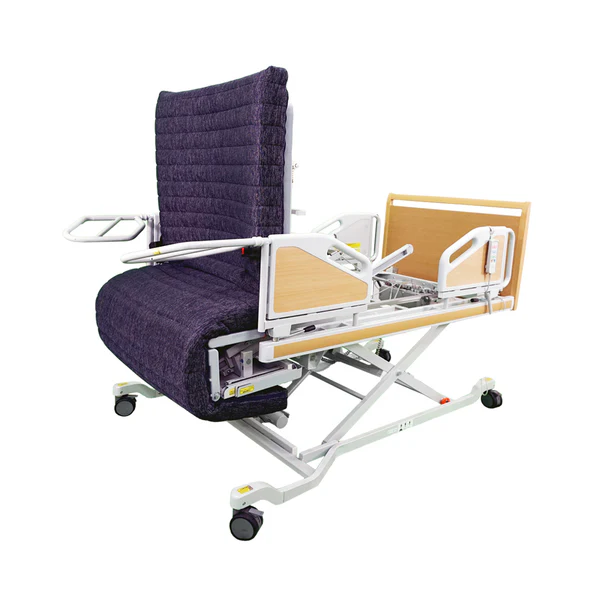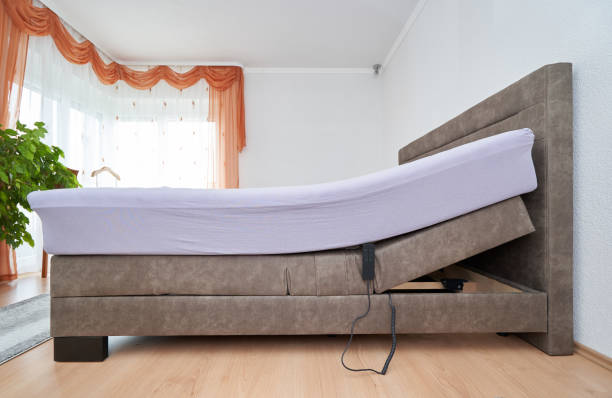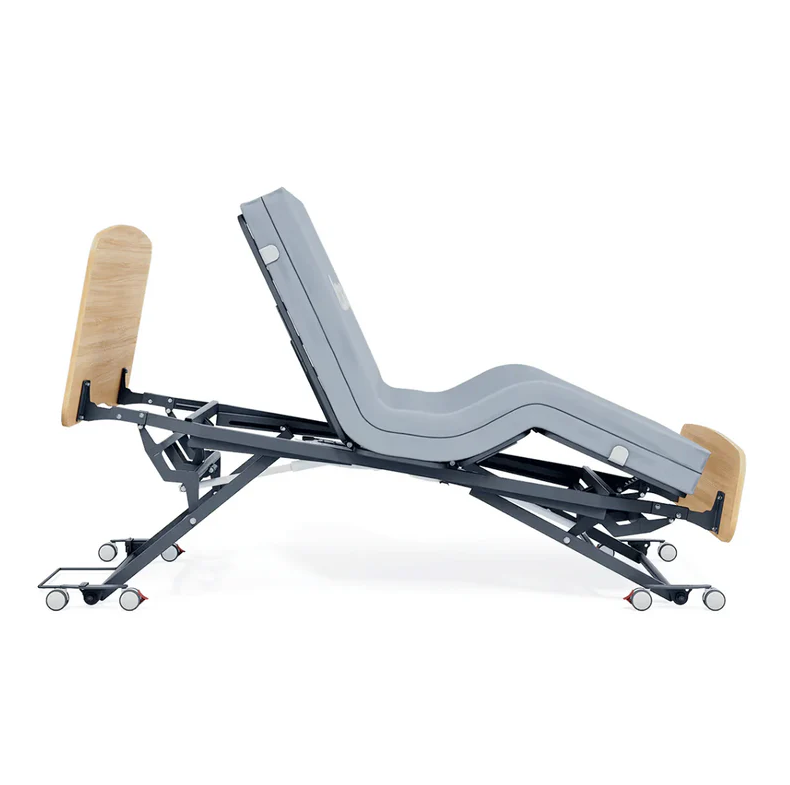
Recovering from surgery or a serious injury can be challenging, especially when comfort, mobility, and safety are limited. In many cases, a standard bed simply does not provide the support or adjustability needed for proper healing. That’s why choosing the right hospital bed for home can make a significant difference in the recovery process.
A home hospital bed is designed to provide adjustable positioning, safety features, and caregiver convenience—all of which help patients heal more comfortably and efficiently.
Why a Hospital Bed for Home Is Important After Surgery
After surgery or injury, the body requires proper support and positioning to recover effectively. A regular bed may force the patient into uncomfortable positions, which can slow healing or cause additional pain.
A hospital bed for home offers several advantages:
Adjustable positioning: Patients can raise the head or legs to reduce swelling, improve circulation, and ease breathing.
Improved comfort: Multiple positions help reduce pressure on sensitive areas.
Safer movement: Height adjustments make it easier to get in and out of bed.
Caregiver support: Adjustability reduces the need for heavy lifting and bending.
These features are especially helpful during the first few weeks after surgery, when movement is limited and rest is critical.
Key Features to Look for in the Best Hospital Bed for Home
When choosing a hospital bed for recovery, certain features can greatly improve comfort and safety.
1. Full Electric Adjustability
A fully electric bed allows patients or caregivers to adjust the head, foot, and height using a remote control. This is especially useful after surgery, when manual adjustments may be difficult or painful.
2. Height Adjustment
A bed that raises and lowers makes transfers safer. Lower heights reduce fall risk, while higher positions make caregiving tasks easier.
3. Side Rails for Safety
Side rails provide stability when repositioning and help prevent accidental falls, especially for patients with limited mobility.
4. Pressure-Relief Mattress Compatibility
A quality mattress designed for hospital beds helps reduce pressure sores and improves circulation during long recovery periods.
5. Smooth and Quiet Operation
Quiet motors and smooth transitions between positions allow the patient to rest without unnecessary disturbance.
Types of Hospital Beds for Home Recovery
There are several types of hospital beds available, each suited to different recovery needs and budgets.
Manual Hospital Beds
Manual beds use hand cranks to adjust positions. They are cost-effective and suitable for short-term recovery when frequent adjustments are not required.
Semi-Electric Hospital Beds
These beds use electric controls for the head and foot sections, while height is adjusted manually. They offer a balance between affordability and convenience.
Full Electric Hospital Beds
fully electric hospital bed provide motorized adjustments for head, foot, and height. They are ideal for post-surgery patients who need frequent repositioning or have limited strength.
Who Needs a Hospital Bed at Home After Surgery?
A hospital bed for home is especially beneficial for:
Patients recovering from hip or knee replacement
Individuals with spinal or back surgery
Injury rehabilitation patients
Seniors with limited mobility
Patients who must remain in bed for extended periods
These beds allow patients to sit up, elevate their legs, or lie flat as needed, supporting different stages of recovery.
How a Home Hospital Bed Speeds Up Recovery
Using a hospital bed at home can positively impact the healing process in several ways.
Better Positioning
Adjustable positions help reduce swelling, relieve pain, and support proper posture.
Easier Breathing and Circulation
Elevating the upper body improves lung function, while raising the legs helps circulation.
Reduced Risk of Pressure Sores
Specialized mattresses and position changes prevent prolonged pressure on one area.
Improved Sleep Quality
Comfortable positioning helps patients rest better, which is essential for healing.
Less Strain on Caregivers
Electric adjustments make it easier to assist with daily tasks such as feeding, dressing, and repositioning.
Tips for Choosing the Best Hospital Bed for Home Use
When selecting a hospital bed for post-surgery recovery, consider the following:
Type of surgery or injury: Some conditions require more frequent repositioning.
Duration of recovery: Long-term use may require a full electric model.
Patient mobility: Limited mobility often requires electric adjustments.
Safety features: Look for side rails and locking wheels.
Mattress compatibility: Choose a pressure-relief mattress for added comfort.
If you’re exploring options, you can view a range of hospital bed for home models designed for comfort, safety, and recovery at SlumberSource.
Final Thoughts
Recovering at home after surgery or injury can be much more comfortable with the right equipment. A properly selected hospital bed for home provides the adjustability, safety, and support needed for faster healing and better rest.
By choosing a bed with the right features—such as electric controls, height adjustment, and safety rails—you can create a safer and more comfortable recovery environment for both patients and caregivers.
Investing in the right hospital bed is not just about convenience—it’s about improving comfort, supporting healing, and making home care easier for everyone involved.