In the early days of a business, managing a team often feels personal and informal. You know everyone’s name, you see them arrive, and you trust that the work is getting done. But as your business grows—moving from five employees to fifteen, or from one office to a second location—that informal "trust-based" approach starts to show its cracks.
Maybe you’ve noticed a sudden spike in overtime costs that doesn’t quite match the workload. Or perhaps you’ve spent a Sunday evening cross-referencing messy paper timesheets with your calendar, trying to remember if a certain staff member was actually on-site last Tuesday. For small business owners in the UK, these administrative headaches aren't just annoying; they are a sign that your business has outgrown its manual processes.

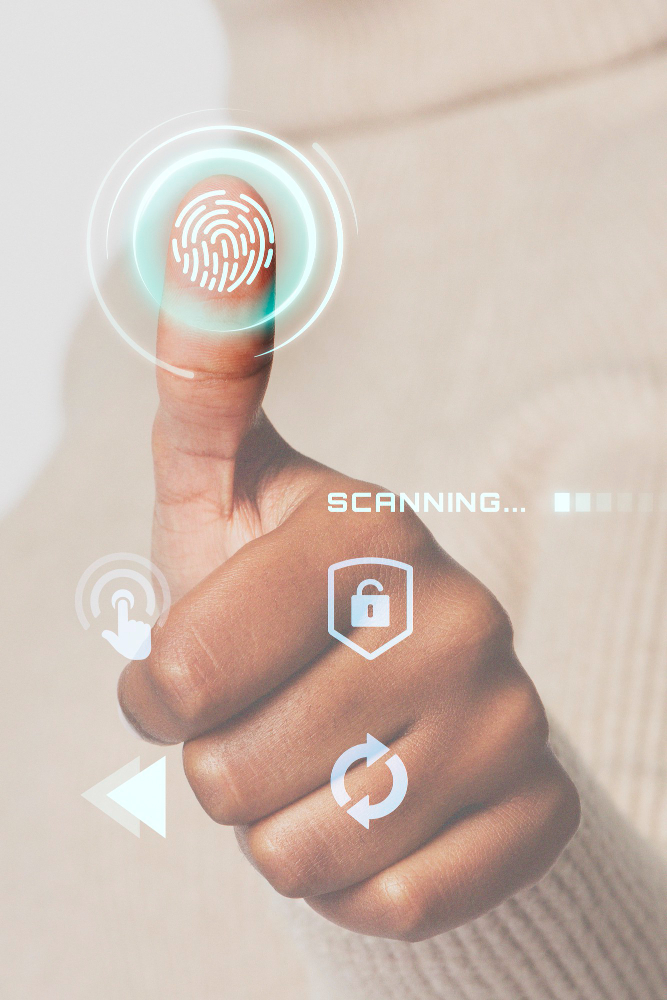
Transitioning to a professional is the single most effective way to reclaim your time, protect your profit margins, and ensure your team is treated fairly and accurately.
The Real Cost of "Rounding Up"
In many small businesses, employees are asked to manually log their hours at the end of the week. Because humans aren't perfect, we tend to round our times to the nearest five or ten minutes. A 9:06 AM start becomes 9:00 AM. A 4:54 PM finish becomes 5:00 PM.
On its own, ten minutes a day seems insignificant. However, across a team of ten employees, that "rounding error" adds up to nearly 400 paid, unworked hours every year. At the current UK National Living Wage, that is a silent leak of thousands of pounds from your bottom line. An automated employee clock in system records time to the second, ensuring that you pay for exactly what is worked—no more, no less.
Compliance: Your Legal Safety Net
Operating a business in the UK means navigating a dense forest of regulations. The Working Time Regulations 1998, for example, place strict limits on weekly working hours and mandatory rest breaks.
If an employee ever disputes their pay or claims they weren't allowed their legal breaks, the burden of proof is on you, the employer. A "handwritten diary" is rarely enough to stand up in an employment tribunal. A digital clocking system provides an unshakeable, timestamped audit trail. It automatically flags if an employee is working too many hours or if they haven't taken their required 20-minute break. It isn't just a management tool; it’s a legal insurance policy.
Choosing the Right System for Your Environment
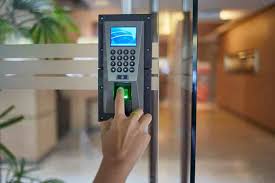
One of the biggest hurdles for small businesses is the fear that a "system" will be too complex or expensive. The truth is that modern are designed to be "plug and play." The key is choosing the hardware that fits your specific workplace:
Biometric Facial Recognition: Perfect for high-hygiene environments (like clinics or kitchens) or dusty sites (like workshops) where touching a screen isn't ideal. It is fast, contactless, and completely eliminates "buddy punching" (where one staff member clocks in for a late friend).
Proximity Fobs & Cards: Ideal for traditional office or retail environments. Employees simply tap a fob against a wall-mounted reader. It’s familiar, easy to use, and highly reliable.
Mobile Apps with GPS: If you have engineers on the road or a hybrid team working from home, a physical terminal doesn't make sense. A mobile app allows them to clock in from their phone, with GPS geofencing ensuring they are actually at the designated job site when they hit "start."
The ROI of Payroll Integration
The "secret" benefit of an biometric attendance system isn't the clock itself—it’s the data it produces. If you are still manually typing hours from a sheet into Sage, Xero, or QuickBooks, you are doing work that a computer can do in seconds.
By integrating your clocking data directly with your payroll software, you can reduce the time spent on payroll administration by up to 80%. This eliminates human transcription errors and ensures that everyone is paid on time, every time. For a small business owner, this means your Friday afternoons are no longer a "war room" of calculators and spreadsheets; they are spent on the high-level strategy that actually moves your business forward.
Building Culture Through Transparency
There is a common misconception that introducing a clock-in system signals a lack of trust. In reality, the most professional and high-performing employees actually prefer digital systems.

Why? Because it removes favoritism. It ensures that the person who consistently stays ten minutes late to help a customer is officially recognized and paid for it. It creates a "single source of truth" that protects both the employer and the employee. When the rules are clear and the data is objective, workplace disputes over hours and attendance virtually disappear.
Conclusion: Future-Proofing Your Business
A professional employee clock in system is more than just a way to "watch the clock." It is a foundational piece of infrastructure that allows a small business to scale without the administrative weight breaking the system.
By moving from manual logs to digital precision, you protect your profits, stay on the right side of UK law, and provide your team with the professional, fair environment they deserve. In 2026, the question isn't whether you can afford to implement a system—it’s whether you can afford the cost of remaining manual.