Efficient cable management is the backbone of every safe and reliable electrical system. Whether you’re designing a commercial building, industrial plant, hospital, or data center, selecting the right Raceway Cable Tray directly impacts safety, maintenance, scalability, and long-term costs.
With multiple material options such as GI Raceway, MS Powder Coated Raceway, and MS Hot Dip Galvanised Raceway, along with different sizes and load capacities, making the right decision requires both technical understanding and practical experience.
This guide combines informational clarity with commercial buying guidance, helping engineers, contractors, and procurement teams confidently select the best solution for their projects.
What Is a Raceway Cable Tray?
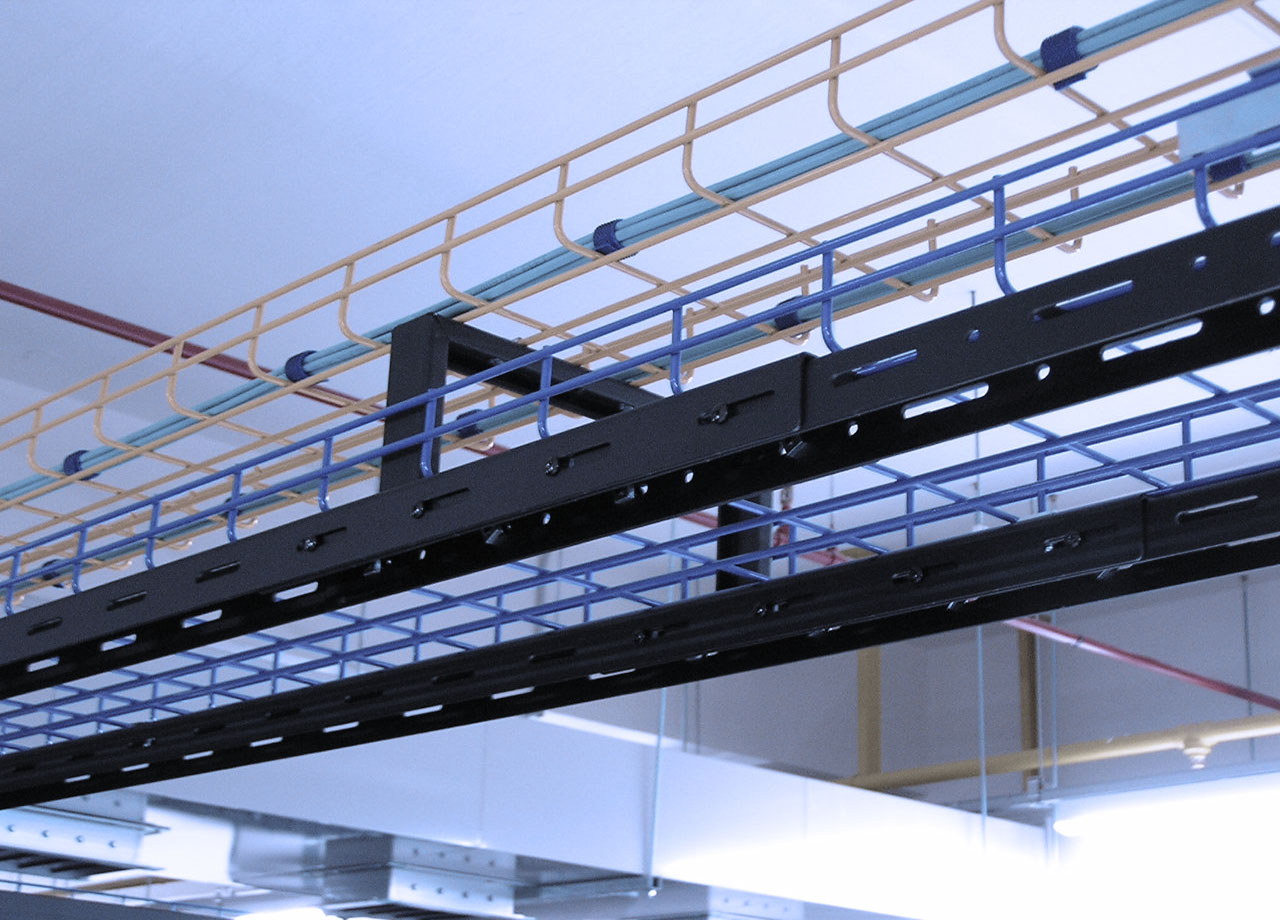
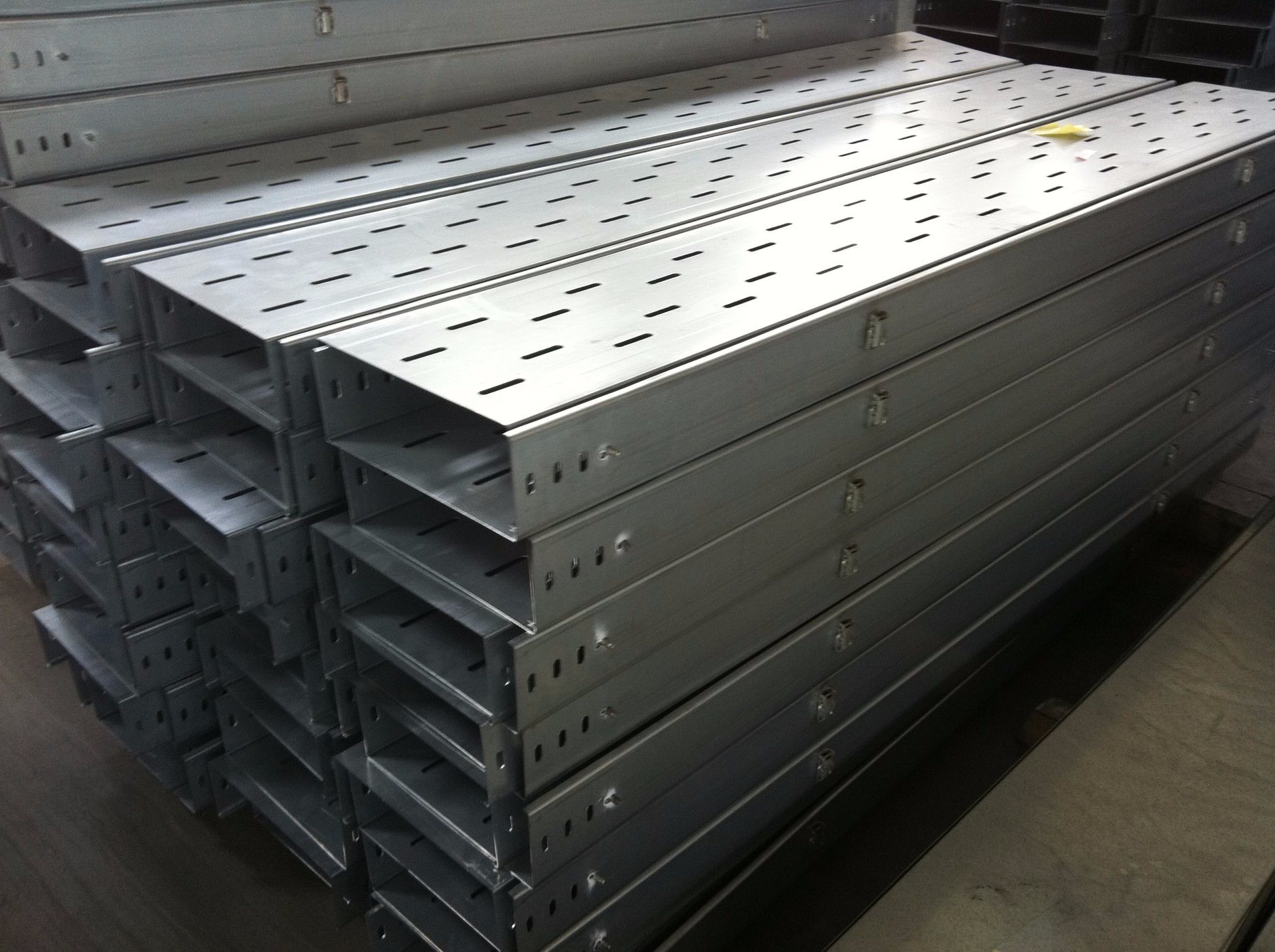
A Raceway Cable Tray is an enclosed or semi-enclosed cable management system designed to route, protect, and organize electrical cables. Unlike open ladder trays, raceway systems provide additional protection from dust, moisture, and accidental damage.
Key Features:
- Structured cable routing
- Mechanical protection
- Organized wiring layout
- Easy inspection and maintenance
- Scalability for future expansion
Raceway systems are widely used in:
- Commercial complexes
- Manufacturing plants
- Data centers
- Power plants
- Infrastructure projects
In many applications, a Cable Tray system replaces traditional conduit installations, offering easier maintenance and better ventilation.
Why Choosing the Right Raceway Cable Tray Matters
Selecting the correct system is not just about cable support — it affects:
1. Safety
Improper cable management can lead to overheating, short circuits, and fire hazards. A properly rated Raceway Cable Tray ensures load compliance and ventilation.
2. Cost Efficiency
Right-sizing your tray reduces material waste and future replacement costs.
3. Code Compliance
Electrical installations must comply with NEC, IEC, or local electrical standards. Choosing certified materials ensures regulatory approval.
4. Long-Term Durability
The right material prevents corrosion, rust, and structural failure — especially in industrial environments.
Key Factors to Consider Before Buying a Raceway Cable Tray
1. Load Capacity and Fill Ratio
Always calculate:
- Total cable weight
- Future expansion capacity
- Heat dissipation requirements
Overfilling a Cable Tray system reduces airflow and increases overheating risks. Industry best practice is to allow extra space for future cable additions.
2. Material Selection (Critical Buying Decision)
Material choice depends on environment, budget, and durability needs.
GI Raceway (Galvanized Iron)
- Suitable for indoor installations
- Cost-effective
- Good corrosion resistance
Best for: Commercial buildings and office spaces.
MS Powder Coated Raceway
- Mild steel with protective powder coating
- Improved aesthetic finish
- Moderate corrosion protection
Best for: Indoor industrial and commercial applications.
MS Hot Dip Galvanised Raceway
- Superior corrosion resistance
- Ideal for outdoor and harsh environments
- Longer lifespan
Best for: Outdoor installations, factories, and humid conditions.
3. Installation Environment
Consider:
- Indoor vs outdoor use
- Exposure to chemicals
- High humidity areas
- Temperature fluctuations
- Fire-resistant requirements
For corrosive environments, MS Hot Dip Galvanised Raceway offers better long-term reliability compared to standard GI Raceway systems.
4. Tray Design and Dimensions
Raceway Cable Tray systems come in various:
- Widths and heights
- Solid bottom designs
- Ventilated enclosures
- Custom fabrication options
- Choosing the correct dimensions ensures:
- Proper airflow
- Easy cable pulling
- Simplified maintenance
5. Compliance and Industry Standards
Ensure your Cable Tray meets:
- NEC (National Electrical Code)
- IEC Standards
- Local building regulations
- Fire safety guidelines
Working with certified manufacturers ensures product testing and load validation.
Raceway Cable Tray vs Other Cable Management Systems
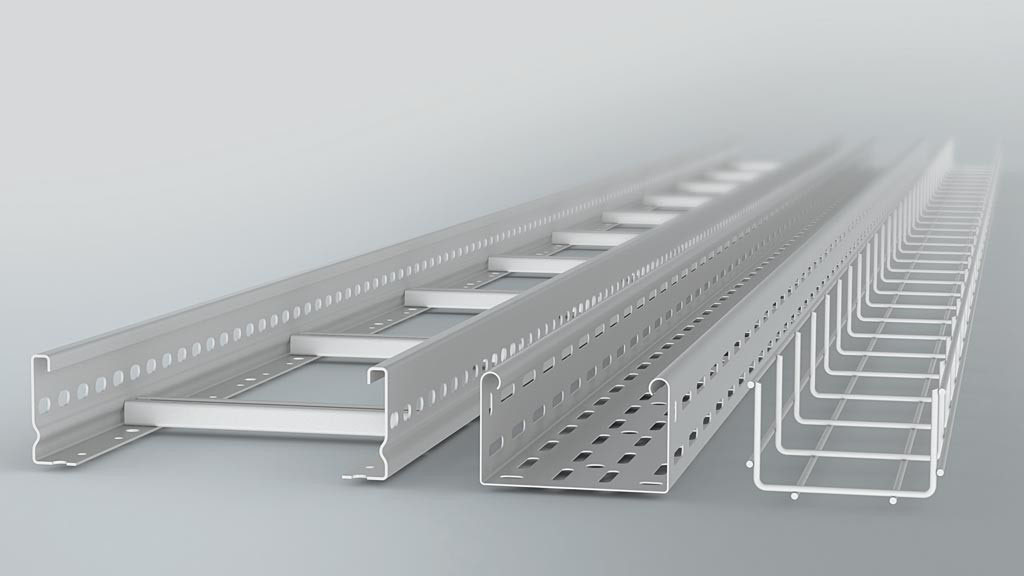
When comparing a Raceway Cable Tray with other cable management systems like conduit and ladder cable trays, the differences become clear in terms of protection, maintenance, cost, and scalability. A Raceway Cable Tray provides a high level of protection because it encloses or partially encloses the cables, shielding them from dust, moisture, and mechanical damage. Conduit systems offer very high protection since cables are fully enclosed within pipes, but they can be more difficult and time-consuming to install and modify. Ladder Cable Tray systems, on the other hand, provide moderate protection because they are open structures, mainly designed for ventilation and easy cable routing rather than enclosure.
From a maintenance perspective, Raceway Cable Tray systems and ladder trays allow easy inspection, cable replacement, and expansion. Conduits, however, can make maintenance challenging because cables are enclosed and often require pulling or reinstallation for modifications. In terms of cost, conduit systems generally involve higher material and labor expenses, while ladder Cable Tray systems are considered cost-effective for large installations. Raceway Cable Tray solutions typically fall in the moderate range, offering a strong balance between affordability and performance.
When it comes to scalability, both Raceway Cable Tray and ladder systems allow for future expansion and additional cable routing, making them ideal for growing infrastructure. Conduit systems are more limited in this regard. Overall, Raceway systems provide an excellent balance between protection, accessibility, and long-term flexibility, making them a preferred choice for commercial and industrial electrical infrastructure.
Cost Considerations and Budget Planning
When planning your project, evaluate:
- Material cost (GI Raceway vs MS Hot Dip Galvanised Raceway)
- Installation labor
- Maintenance cost
- Replacement frequency
- Total cost of ownership
Although MS Hot Dip Galvanised Raceway may have a higher initial cost, it often delivers lower lifetime maintenance expenses.
Smart procurement teams focus on durability and compliance rather than only upfront price.
Common Mistakes to Avoid
- Choosing undersized trays
- Ignoring expansion planning
- Selecting material without environmental analysis
- Overlooking compliance standards
- Buying from uncertified suppliers
These mistakes often result in higher long-term project costs.
How to Choose the Right Supplier
A reliable manufacturer should offer:
- Certified quality standards
- Load-tested products
- Custom sizing options
- Timely delivery
- Technical consultation
Why Work With Super Cable Tray?
At Super Cable Tray, we combine engineering expertise with high-quality manufacturing standards. Our range includes:
- GI Raceway
- MS Powder Coated Raceway
- MS Hot Dip Galvanised Raceway
- Complete Cable Tray systems
We focus on durability, compliance, and tailored solutions for commercial and industrial projects. Our technical team supports clients from design consultation to final installation, ensuring safe and cost-effective electrical infrastructure.
Frequently Asked Questions
What size Raceway Cable Tray do I need?
The size depends on total cable load, fill ratio, and future expansion plans. Always calculate load before selection.
Can GI Raceway be used outdoors?
GI Raceway is suitable for mild environments, but for outdoor or corrosive areas, MS Hot Dip Galvanised Raceway is recommended.
What is the difference between Cable Tray and Raceway?
A Cable Tray can be open (ladder type), while a Raceway Cable Tray is enclosed or semi-enclosed, offering additional cable protection.
How long does a Raceway Cable Tray last?
With proper material selection and installation, systems can last 15–25+ years depending on environmental conditions.
Final Thoughts
Choosing the right Raceway Cable Tray is a critical decision that affects safety, durability, compliance, and long-term cost efficiency. By considering load capacity, environmental conditions, material type, and supplier reliability, you can ensure a future-proof electrical system.
Whether you require GI Raceway, MS Powder Coated Raceway, or MS Hot Dip Galvanised Raceway, selecting a trusted manufacturer and following best installation practices will guarantee performance and peace of mind.
If you are planning your next electrical project, consult experienced professionals and choose a Cable Tray system designed for strength, safety, and scalability.