


Dyspraxia is a neurodevelopmental condition that affects coordination, motor skills, and sometimes planning of everyday tasks. While it is often identified in children, adults can also experience challenges linked to dyspraxia. The good news is that there are multiple approaches that can support effective dyspraxia treatment, helping both children as well as adults manage their symptoms and improve daily functioning. In this article, we explore practical strategies, therapies, and lifestyle adjustments that can make a meaningful difference.
Understanding Dyspraxia in Different Age Groups
Dyspraxia can manifest differently depending on a person’s age. In children, it may show up as difficulty with tasks such as tying shoelaces, using cutlery, or participating in sports. Adults may experience challenges with organisation, time management, or driving. Recognising these differences is the first step towards tailoring effective dyspraxia treatment.
Occupational Therapy and Skill Development
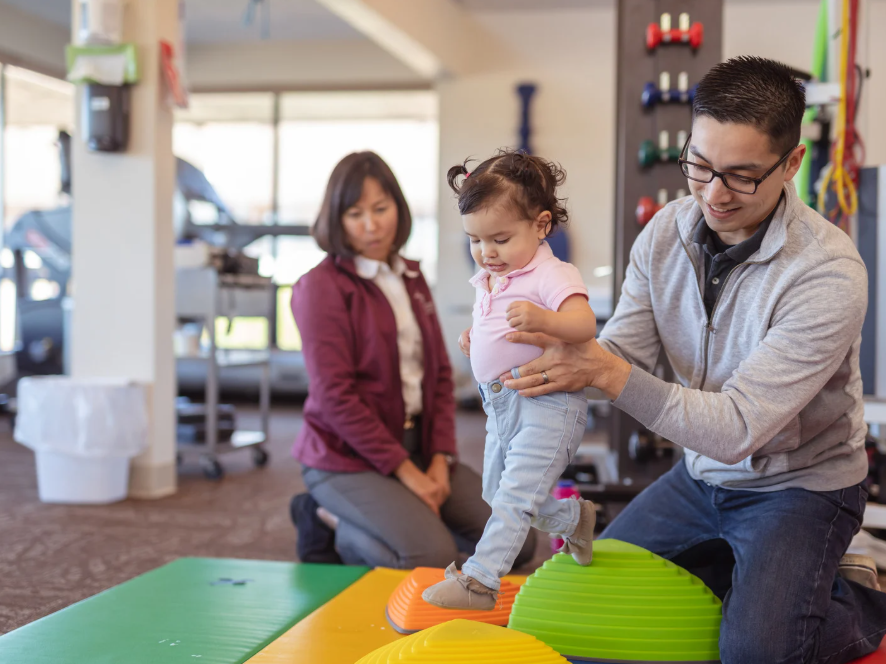
Occupational therapy is a cornerstone of dyspraxia treatment. Professionals work with children and adults to develop fine and gross motor skills, improve hand-eye coordination, and enhance independence in daily activities.
For children, therapy often includes:
- Play-based exercises that strengthen coordination
- Practising self-care tasks like dressing and feeding
- Using adaptive tools to make learning easier
Adults may benefit from:
- Strategies for workplace organisation
- Techniques to improve typing, writing, or handling objects
- Time management and planning exercises
The focus is always on practical skills that directly improve daily life, rather than abstract exercises.
Physical Activity and Exercise
Regular physical activity can support motor development and overall wellbeing for individuals with dyspraxia. For children, engaging in activities that challenge coordination in a fun way is key. Sports such as swimming, martial arts, or dancing allow them to develop motor planning skills in a structured environment.
Adults can benefit from targeted exercise routines that improve balance, coordination, and strength. Low-impact activities like yoga, Pilates, or tai chi are often recommended, as they allow adults to focus on controlled movements while reducing stress on the body. Exercise also promotes confidence and helps reduce anxiety, which can sometimes accompany dyspraxia.
Cognitive and Educational Support
Dyspraxia is not only about physical coordination; it can affect learning and organisation. Educational and cognitive support can be highly effective, especially for children in school settings. Professionals may work on:
- Task sequencing and memory strategies
- Using visual aids or step-by-step instructions
- Adjusting classroom environments to reduce distractions
For adults, support might include workplace adjustments, such as:
- Breaking tasks into smaller, manageable steps
- Using apps or digital planners to stay organised
- Creating routines that simplify complex activities
These strategies are designed to reduce frustration and help individuals achieve their goals more effectively.
Speech and Communication Assistance
Some individuals with dyspraxia may have challenges with speech and language due to difficulties coordinating mouth movements. Speech and language support can play an important role in improving communication skills, which in turn enhances social confidence and learning outcomes.
Children may engage in playful speech exercises or structured sessions to improve clarity and pronunciation. Adults might work on professional communication skills, presentation techniques, and daily conversation strategies. The goal is always practical and measurable improvement rather than perfection.
Lifestyle and Environmental Adjustments
Small lifestyle changes can make a significant difference in managing dyspraxia. Simple adjustments at home, school, or work can reduce stress and increase independence.
Tips include:
- Using labels, checklists, and timers to organise tasks
- Creating structured routines to improve consistency
- Optimising home and workspaces to reduce clutter and distractions
- Encouraging rest breaks to prevent fatigue
These changes complement formal therapies and make everyday life more manageable.
Emotional and Social Support
Dyspraxia can sometimes affect self-esteem, social interactions, and mental wellbeing. Building a strong support network is essential.
- Encourage children to participate in social activities and group games
- For adults, connecting with peers or support groups can provide understanding and encouragement
- Counselling or coaching can help manage anxiety, frustration, or low confidence
Supportive environments enable individuals with dyspraxia to develop resilience and enjoy more fulfilling social experiences.
Summary
Effective dyspraxia treatment combines practical therapies, lifestyle adjustments, and emotional support to help both children and adults manage the condition. Occupational therapy, physical activity, educational support, speech assistance, and structured routines all contribute to improved coordination and daily functioning. By adopting a holistic approach, individuals with dyspraxia can gain greater independence and confidence in their personal and professional lives. Whether it is helping a child master motor skills or supporting an adult with organisational challenges, tailored strategies are key. With the right guidance and support, dyspraxia treatment can make a meaningful difference.