 Every year during monsoon, diagnostic labs and hospitals see the same problem. Fever cases suddenly increase. Doctors start suspecting dengue, chikungunya, viral fever or mixed infection. Patients want fast reports. Clinicians want confirmed results. Labs are under pressure to deliver both speed and accuracy.
In this situation, believing only on rapid cards or antibody tests does not work properly. Many times, patients come within three to four days of fever. At this stage, antibodies are not clearly developed. Reports sometimes come negative. After two days, the same patient tests positive. This creates confusion and damages trust. This is where a proper Dengue detection kit based on PCR becomes useful.
Why PCR Testing Makes Sense in Real Practice
PCR testing looks for the virus itself, not the body’s response. When dengue or chikungunya virus is present in blood, PCR can detect it even in the early stage. That is why many hospitals now prefer molecular confirmation in suspected cases.
A good Dengue detection test helps labs avoid repeat sampling and unnecessary follow-ups. From a business point of view, fewer repeat tests also mean better workflow and better use of reagents.
How PCR Dengue Testing Works in Daily Lab Operations
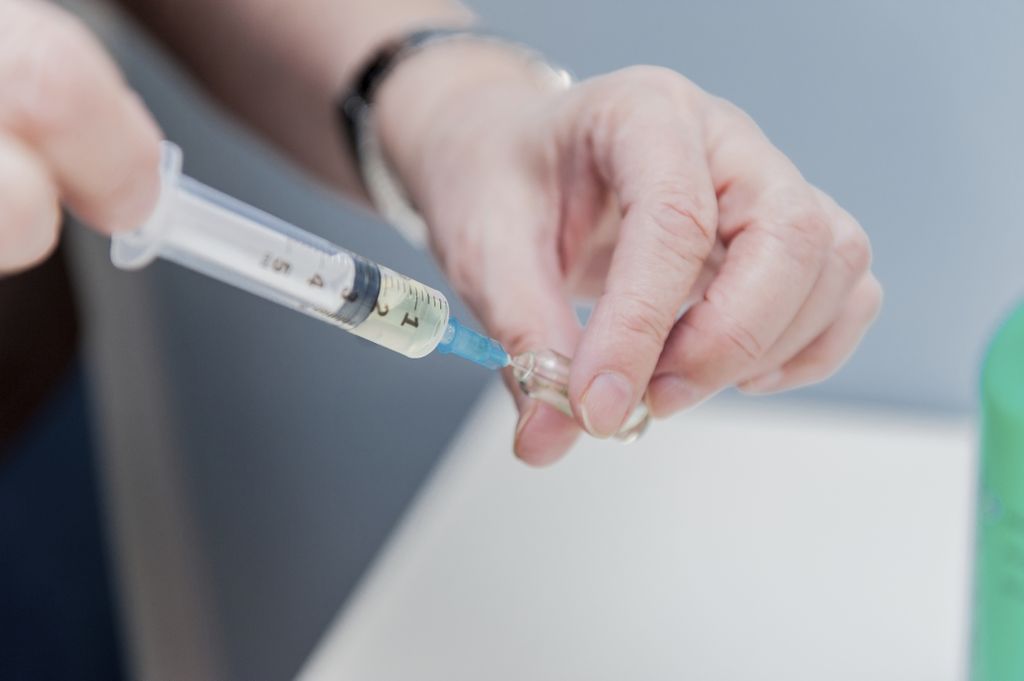
In practical terms, the process is simple for trained staff. Blood sample is collected. RNA is extracted. The sample goes into the PCR machine. After the run, the system gives clear amplification curves.
If the viral signal crosses the threshold, the case is positive. If not, it is negative. Internal controls confirm whether extraction and amplification were done properly.
A reliable Dengue detection kit gives consistent curves and stable Ct values. This matters because unstable results lead to re-runs and waste of time.
Managing Dengue and Chikungunya Together
In many cities, both dengue and chikungunya spread at the same time. Doctors often ask for both tests together. If labs run two separate PCR tests, cost and processing time increase.
A combined Dengue and Chikungunya PCR test solves this problem. Both viruses are detected in one run. Different channels show which infection is present. In some cases, both are detected.
For labs, this means:
Less reagent usage
Faster reporting
Lower operational cost
Better patient handling
During peak season, this becomes a major advantage.
What Labs Expect from a Good PCR Kit
Labs do not want complicated kits. They want something that works daily without trouble. They want stable reagents, simple protocols and proper technical support.
A good kit should not require frequent troubleshooting. It should perform the same way in June and in September. It should not give false alarms or random failures.
When technicians trust the kit, reporting becomes smooth.
TRUPCR Kits in Routine Diagnostic Use
TRUPCR kits from 3B BlackBio Dx Ltd are designed for regular diagnostic use, not just for research. These kits focus on stable reagents, optimized primers and clear protocols.
Many labs use TRUPCR assays for dengue and chikungunya testing because they integrate easily with standard PCR machines. Internal controls are included to verify each run.
When used properly, TRUPCR kits support consistent testing even during heavy sample load.
Impact on Doctors and Patients
When reports are reliable, doctors can plan treatment properly. In dengue cases, platelet monitoring starts early. Warning signs are observed. Hospitalization decisions become clearer.
In chikungunya cases, unnecessary investigations are avoided. Pain management starts on time.
A dependable Dengue detection test reduces arguments at reception counters and builds confidence among referring doctors.
How Labs Should Select Their PCR Kits
Labs should not choose kits only based on price. Cheap kits often create hidden costs through re-testing, wastage and complaints.
Before selecting a Dengue and Chikungunya PCR test, labs should check validation data, technical support and supply consistency. Availability during outbreak season is especially important.
Reliable suppliers matter as much as reliable products.
Final Word
Dengue and chikungunya testing is not seasonal business anymore. It has become a regular requirement for many diagnostic centres. PCR-based testing offers clear benefits in early detection, reporting accuracy and workflow control.
A dependable Dengue detection kit, supported by trained staff and proper quality control, helps labs handle outbreaks professionally and maintain long-term credibility.