


In most cases, Hepatitis C is not diagnosed because of clear symptoms. Many patients come for testing after routine checkups or when some liver-related issue shows up. That’s why proper testing is important not just to confirm infection, but to understand what exactly is happening inside the body.
In labs today PCR-based methods are commonly used for this. They don’t depend on indirect markers. Instead they detect the virus itself. This makes the results more reliable especially when doctors need to take treatment decisions.
There are two main parts of HCV testing in practice. One is genotyping and the other is viral load testing. Both serve different purposes and skipping either one can leave the picture incomplete.
The HCV kit used for genotyping helps identify the type of virus a patient has. This step usually comes after confirming that the patient is HCV positive. It may sound like a small detail but it is not. Hepatitis C has different genotypes and treatment does not work the same way for all of them.
In a lab setup the process is quite standard. A plasma or serum sample is taken, RNA is extracted and then PCR is run to detect specific regions of the virus. Based on that the genotype is identified. The system is designed in a way that even if the viral count is not very high, the result can still be picked up correctly.
From a doctor’s side this information is used before starting treatment. It helps in choosing the right drug combination and estimating how long the treatment might be needed. Without this step treatment planning becomes less precise.
Once treatment starts, the focus shifts to monitoring. This is where the HCV PCR Kit for viral load testing comes into use. Instead of just telling whether the virus is present, this test shows how much virus is there in the blood.
This number matters. For example if a patient starts treatment and the viral load drops steadily, it usually means things are going in the right direction. If the levels stay the same or increase it indicates that the response is not as expected.
In practical lab work, this test is done using real-time PCR. The machine measures the amount of viral RNA in the sample and gives a quantitative result. There are built-in controls in the process so if something goes wrong during testing, it gets flagged. This reduces chances of reporting errors.
One important point here is sensitivity. These tests can detect very low levels of the virus. This becomes useful during follow-ups, where even a small remaining viral load needs to be tracked. Doctors believe on this data to decide whether to continue, stop or change the treatment.
The HCV PCR test is also useful in early-stage detection. There are situations where antibody tests may not show positive results immediately, especially during the initial phase of infection. PCR testing helps in such cases because it directly detects viral RNA. This reduces the waiting time for diagnosis.
If we look at both tests together, they are not alternatives they are used at different stages. Genotyping is done to understand the virus type before treatment. Viral load testing is done multiple times to see how the patient is responding.
From a lab management point of view these tests are not difficult to handle. Most labs that already run PCR don’t need major changes. The workflow is similar sample preparation, amplification and result analysis. What matters more is consistency in handling and reporting.
Places, where patient follow-up is not always regular, having accurate baseline and monitoring data becomes even more important. If the initial testing is not done properly it becomes difficult to track progress later. That is why both tests are usually recommended as part of the overall process.
3B BlackBio has developed these kits keeping routine lab use in mind. The focus is on making sure the tests run without unnecessary complications. In a busy lab that matters more than anything else. There is limited time, multiple samples and pressure to deliver correct results.
Another practical aspect is compatibility. These kits are designed to work on commonly available PCR systems, so labs don’t have to invest in new machines. This makes adoption easier especially for mid-sized diagnostic centers.
At the end of the day, HCV testing is not just about detecting infection. It is about managing it properly. Without knowing the genotype, treatment may not be well planned. Without viral load monitoring, there is no clear way to track progress.
That’s why both steps are part of standard practice now. They give doctors clear information and help avoid guesswork. For patients this means better chances of effective treatment and fewer complications.
In real lab conditions, what works is not complexity, but clarity. These PCR-based tests provide that clarity, which is exactly what is needed when dealing with infections like Hepatitis C.

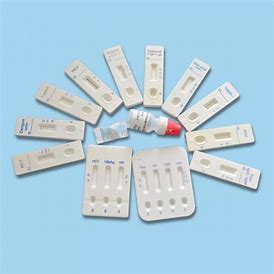
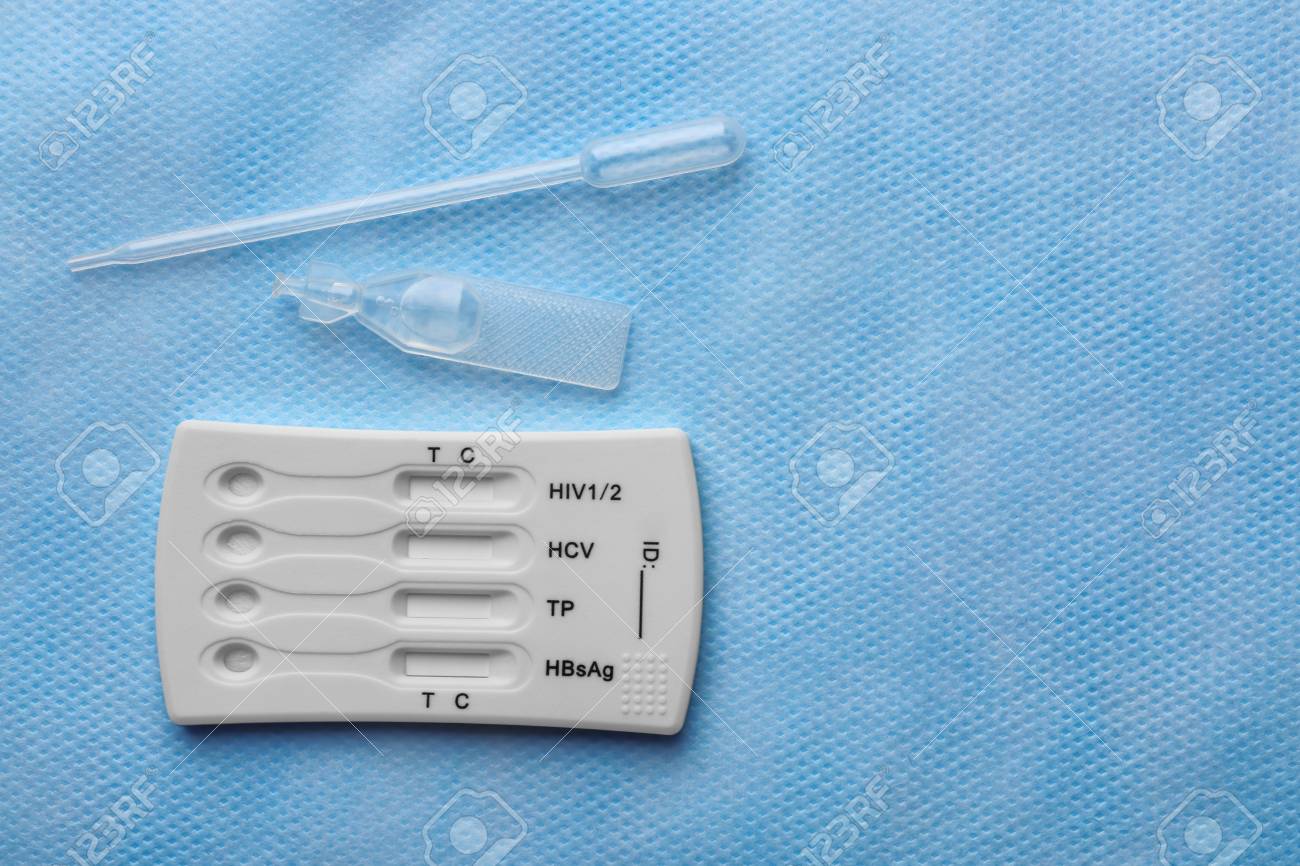
The new research report titled "HIV/HBV/HCV Test Kits Market, Global Industry Analysis, and Forecast to 2027" gives a detailed analysis and future forecasts of the market.
The report highlights the significant players, including market size, share, and demand, development.
This report further covers the latest trends, technological advancements, and growth opportunities.The research report also covers the comprehensive profiles of the key players in the market and an in-depth view of the competitive landscape worldwide.
The major players in the hiv/hbv/hcv test kits market include Abbott Laboratories, Hoffmann-La Roche Ltd., Bio-Rad Laboratories Inc., bioMérieux SA, QIAGEN, Meridian Bioscience, Inc., Hologic Inc., Siemens AG, Maternova, Creative Diagnostics, and othersS.
This section includes a holistic view of the competitive landscape that includes various strategic developments such as key mergers & acquisitions, future capacities, partnerships, financial overviews, collaborations, new product developments, new product launches, and other developments.Get more information on "Global HIV/HBV/HCV Test Kits Market Research Report" by requesting FREE Sample Copy athttps://www.valuemarketresearch.com/contact/hiv-hbv-hcv-test-kits-market/download-sampleMarket DynamicsThe rising incidence of HIV and hepatitis will be the key driver expected to boost the HIV/HBV/HCV test kits market worldwide.
HIV is one of the significant public health issues globally, will raise the demand for these kits.