


In most diagnostic labs today, PCR testing is not something new or advanced anymore it has become part of routine work. The reason is simple. It gives clearer results, detects problems early and reduces guesswork. Whether it is cancer-related mutation testing or identifying infections, PCR-based kits are now widely used because they are more dependable than older methods.
If we look at three different use cases, cancer testing, viral infection and malaria diagnosis, it becomes easier to understand how these kits are actually used in day-to-day lab work.
Starting with oncology the FLT3 PCR Kit is mainly used in cases of acute myeloid leukemia (AML). This is a type of blood cancer where genetic mutations directly affect how the disease behaves. One of the most important mutations in AML is the FLT3 mutation. If this mutation is present, the disease can progress faster and the chances of relapse are higher.
In practical terms, this kit helps labs check whether that mutation exists in a patient’s sample. The process is straightforward for a lab setup, DNA is extracted from a blood sample and tested using PCR. What makes this useful is its sensitivity. Even if the mutation is present in a small percentage, it can still be detected. This is important because missing it can lead to wrong treatment decisions.
Doctors don’t use this test just for confirmation. It actually helps them decide the next step whether standard treatment is enough or if targeted therapy is needed. So, it’s not just a lab report value; it directly affects how the patient is treated.
Now coming to viral infections the EBV PCR Test is used for detecting Epstein Barr Virus. Many people may already carry this virus without symptoms, but in certain cases especially in patients with weak immunity it can cause serious complications.
What makes this test useful is that it doesn’t just say “positive” or “negative.” It measures how much virus is present in the body. This is called viral load. For doctors this number matters more than just detection. For example if the viral load is increasing, it may indicate that the condition is getting worse or treatment is not working properly.
In a lab the test is usually done on blood or plasma samples. It uses real-time PCR, which gives quantifiable results. There are also internal checks in the process to make sure the result is accurate and not affected by technical errors. This kind of testing is often used in monitoring patients over time not just for one-time diagnosis.
The third example is from infectious diseases where the Malaria detection kit is used. Malaria is still common in many parts of India and early detection is important. Traditional methods like microscopy depend a lot on the technician’s skill and can miss cases where parasite levels are low.
This is where PCR-based testing makes a difference. It can detect malaria parasites even when they are present in very small numbers. Another practical advantage is that it can identify multiple species in a single test. This matters because treatment can vary depending on the species involved.
The process here is also simple for labs that already run PCR tests. Whole blood is used and the system checks for the presence of parasite DNA. Internal controls are included to avoid false negatives and contamination control steps are built into the process. This reduces the chances of incorrect reporting, which is critical in infectious disease management.
If we step back and look at all three, the main difference is not the technology but the purpose. One is used in cancer one in viral monitoring and one in infectious disease detection. But all of them believe on the same basic principle detecting genetic material accurately.
From a lab’s point of view, this is practical. The same PCR machines can be used for different tests. Staff don’t need completely different training for each new kit. This makes it easier to manage workload without adding complexity.
In India where both infectious diseases and cancer cases are seen in large numbers, having reliable testing methods is important. Delays or errors in diagnosis can affect treatment outcomes. For example missing a mutation in AML can lead to less effective treatment. Not tracking viral load properly can delay intervention. And incorrect malaria diagnosis can lead to unnecessary medication or delayed care.
This is where companies like 3B BlackBio have focused their approach making kits that fit into regular lab workflows without making things complicated. The idea is not to introduce something difficult to use, but something that gives consistent results without extra effort.
Overall PCR-based kits have moved from being specialized tools to everyday diagnostic support. Labs believe on them because they reduce uncertainty and give clear data that doctors can use. There is no unnecessary complexity in how they are used but the impact on diagnosis and treatment is significant.
For anyone working in diagnostics or healthcare, this shift is already visible. Testing is becoming more precise and decisions are becoming more data-driven. That is the real value these kits bring into the system.

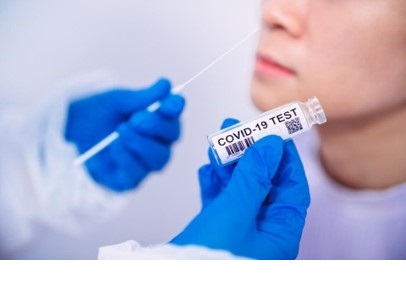
COVID 19 home test kits are available for the corporate clientele.
We want your employees to be protected and confident to return to work.