Modern CNC manufacturing requires more than advanced machinery and software to produce precise, high-quality components consistently. Every part, whether for aerospace, automotive, medical, or industrial applications, relies on stable and accurate setups to achieve dimensional accuracy and repeatability. One of the most important elements in maintaining this stability is jigs and fixtures which ensure that workpieces are accurately positioned, firmly supported, and properly aligned throughout the machining process. These tooling systems transform CNC machines from standard equipment into reliable production systems capable of repeatable, high-precision results.
As manufacturing demands grow more complex, the need for controlled processes and structured tooling becomes essential. While CNC machines follow programmed tool paths, they cannot account for variations in workpiece positioning or vibrations that occur during cutting. Well-engineered jigs and fixtures reduce errors, enhance process consistency, and help manufacturers maintain tight tolerances, even when producing large volumes or intricate components. This makes tooling integration a crucial step in modern CNC workflows.
The Importance of Jigs and Fixtures in CNC Accuracy
Precision in CNC machining is determined not just by machine capability but also by how consistently the part is located and held. Jigs and fixtures define fixed reference points that establish the spatial relationship between the cutting tool, machine, and workpiece. When these reference points are stable, every part produced mirrors the design specifications, minimizing variations caused by operator differences or setup changes.
Accurate tooling improves overall process reliability. By controlling positioning and alignment, manufacturers can maintain uniform dimensions, consistent surface finishes, and repeatable results across batches. This level of control is critical in industries where interchangeability, mechanical performance, and safety standards are non-negotiable.
Understanding Jigs, Fixtures, and Their Roles
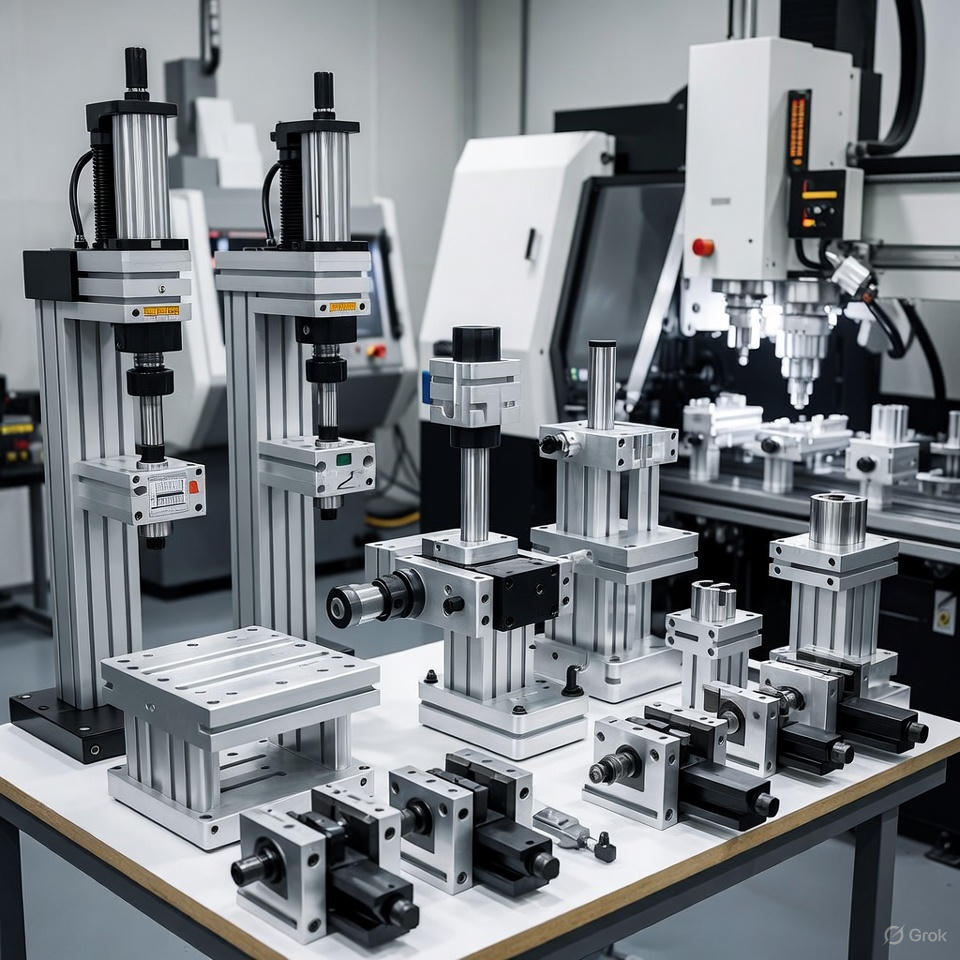
While jigs and fixtures are often discussed together, they serve distinct purposes. Jigs are primarily designed to guide cutting tools during operations such as drilling, reaming, or tapping, while fixtures focus on holding and locating the workpiece during milling, turning, or other machining processes. Both are essential in creating a controlled environment that supports precision and repeatability.
Effective tooling design balances rigidity, accuracy, and usability. Tooling must withstand cutting forces without flexing, yet allow easy loading and unloading of components. Poorly designed tooling increases setup time, introduces errors, and accelerates wear on both machines and tools. Thoughtful engineering ensures that jigs and fixtures enhance productivity without compromising machining precision.
Workholding Tools and Machining Stability
Workholding tools are critical for maintaining stability during machining. Cutting operations generate forces that can cause vibration or displacement if the workpiece is not secured correctly. Properly designed workholding systems apply controlled clamping forces to stabilize the part without introducing distortion or stress.
The advantages of reliable workholding tools include:
Reduced vibration and chatter during cutting
Improved dimensional accuracy and repeatability
Better surface finish and extended cutting tool life
Stable workholding is particularly important when working with hard materials or complex geometries. Even minor movements can lead to defects, scrap, or rework, making precise clamping essential for consistent results.
CNC Fixture Design and Datum Control
CNC fixture design focuses on accurately locating and rigidly supporting components using defined datum points. These reference points ensure the part is aligned correctly relative to the machine, allowing tool paths to remain consistent and predictable. Proper datum control is vital for maintaining tight tolerances and producing accurate feature placement throughout the machining process.
Fixtures must also be practical for daily production. Designs that allow quick loading and secure clamping reduce cycle times while maintaining rigidity. By balancing precision and usability, fixtures enable operators to work efficiently while preserving part quality across every run.
Machining Support Tooling for Complex Parts
Some components require additional support due to their shape, size, or material characteristics. Thin-walled, long, or delicate parts are prone to deflection during cutting, which can result in dimensional errors or surface imperfections. Machining support tooling reinforces these vulnerable areas, maintaining stability and ensuring precise results.
Support tooling helps distribute cutting forces evenly, minimizes vibration, and improves surface finishes. Over time, consistent support reduces scrap rates, extends tool life, and contributes to predictable machining outcomes, allowing manufacturers to deliver high-quality components reliably.
Precision Locating Devices and Repeatability
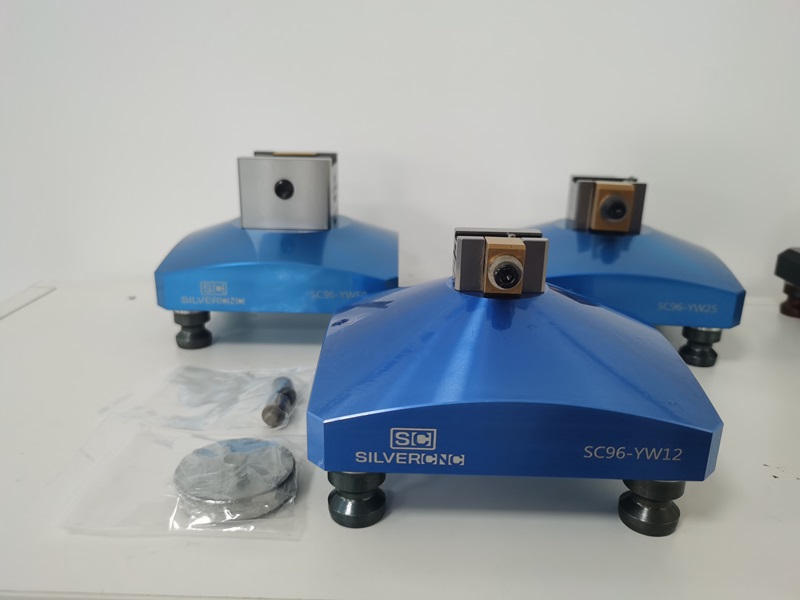
Precision locating devices, including pins, bushings, and reference surfaces, ensure that each workpiece is positioned exactly the same during every setup. This eliminates cumulative errors that occur when parts are repositioned manually and ensures repeatable machining results.
Benefits of precision locating devices include:
Faster and more consistent setups
Improved part interchangeability
Reduced variation across machines and operators
These devices are essential in high-volume production environments where consistency, efficiency, and tight tolerances are critical to maintaining quality and meeting delivery schedules.
Industry Applications of Advanced Tooling
Various industries rely on CNC machining for components requiring strict dimensional control. Aerospace, automotive, medical, and industrial equipment sectors all benefit from structured tooling systems. These systems help manufacturers meet regulatory and quality requirements while maintaining efficient production schedules.
Custom tooling often provides the solution when standard fixtures and jigs are insufficient. Tailored designs address unique part geometries, challenging materials, or complex machining processes. Custom tooling ensures that manufacturing accuracy is maintained without limiting flexibility or production efficiency.
Integrating Tooling into CNC Process Planning
Tooling should be considered an integral part of CNC process planning rather than an afterthought. Early integration allows tooling design to align with part geometry, machining strategy, and production goals. This approach reduces costly modifications and production delays during the ramp-up phase.
Tooling designed for adaptability supports long-term process improvement. Fixtures and supports can often be modified to accommodate new design iterations, helping manufacturers respond quickly to evolving requirements while protecting their tooling investment.
Cost Efficiency and Long-Term Value
Well-engineered tooling systems support cost control by reducing errors, rework, and downtime. Stable setups allow CNC machines to operate closer to optimal parameters, improving productivity and extending cutting tool life. Over time, these efficiencies result in lower production costs, higher throughput, and improved profitability.
Consistent and reliable tooling also supports scalable production. As volumes increase, predictable processes allow manufacturers to maintain quality, meet delivery deadlines, and strengthen customer confidence in their products.
Conclusion
A deep understanding of manufacturing engineering emphasizes the importance of controlled processes, repeatability, and system stability in achieving long-term production success. CNC machining depends not only on advanced machines but also on precise positioning, secure support, and structured tooling throughout the operation.
At the heart of this stability are jigs and fixtures, which provide accurate locating, dependable workholding, and consistent results across production runs. Insights into CNC machining and numerical control, as highlighted in numerical control reinforce why reliable tooling is critical for achieving repeatable, high-quality, and efficient manufacturing outcomes.
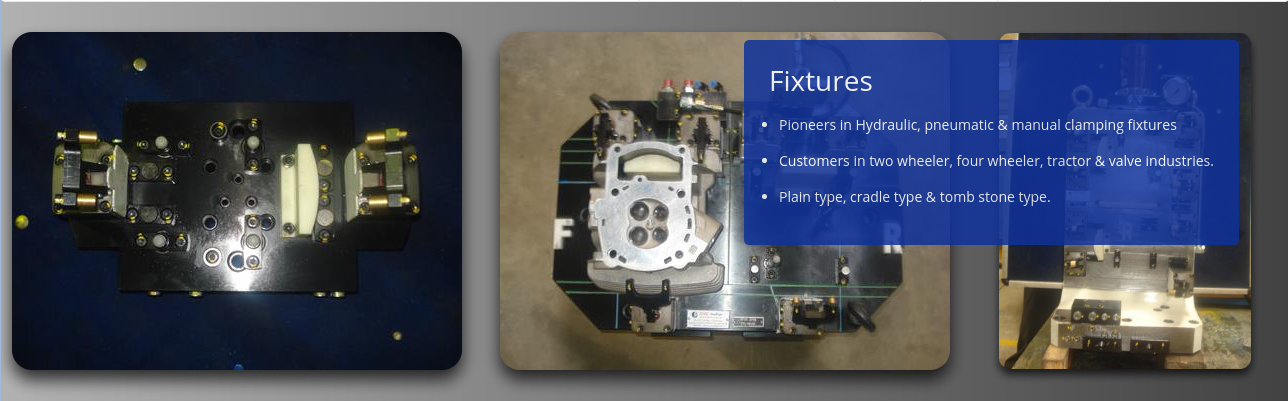
CNC India is pioneers in design and manufacture of Jigs and Fixtures in Bangalore.
CNC India is known for jigs and fixtures manufacturers and has catered wide range of customers in and around Bangalore