Did you know that the U.S. B2B trade show market successfully eclipsed its pre-pandemic performance in 2024, reaching a staggering $15.78 billion valuation with projections to hit $17.3 billion by 2028? This resurgence is not merely a return to form but a radical transformation of the exhibition floor itself, driven by a new technological catalyst.
As senior executives seek to justify an average annual trade show spend of $1.4 million per company, the focus has shifted from simple presence to high-performance spatial engineering.
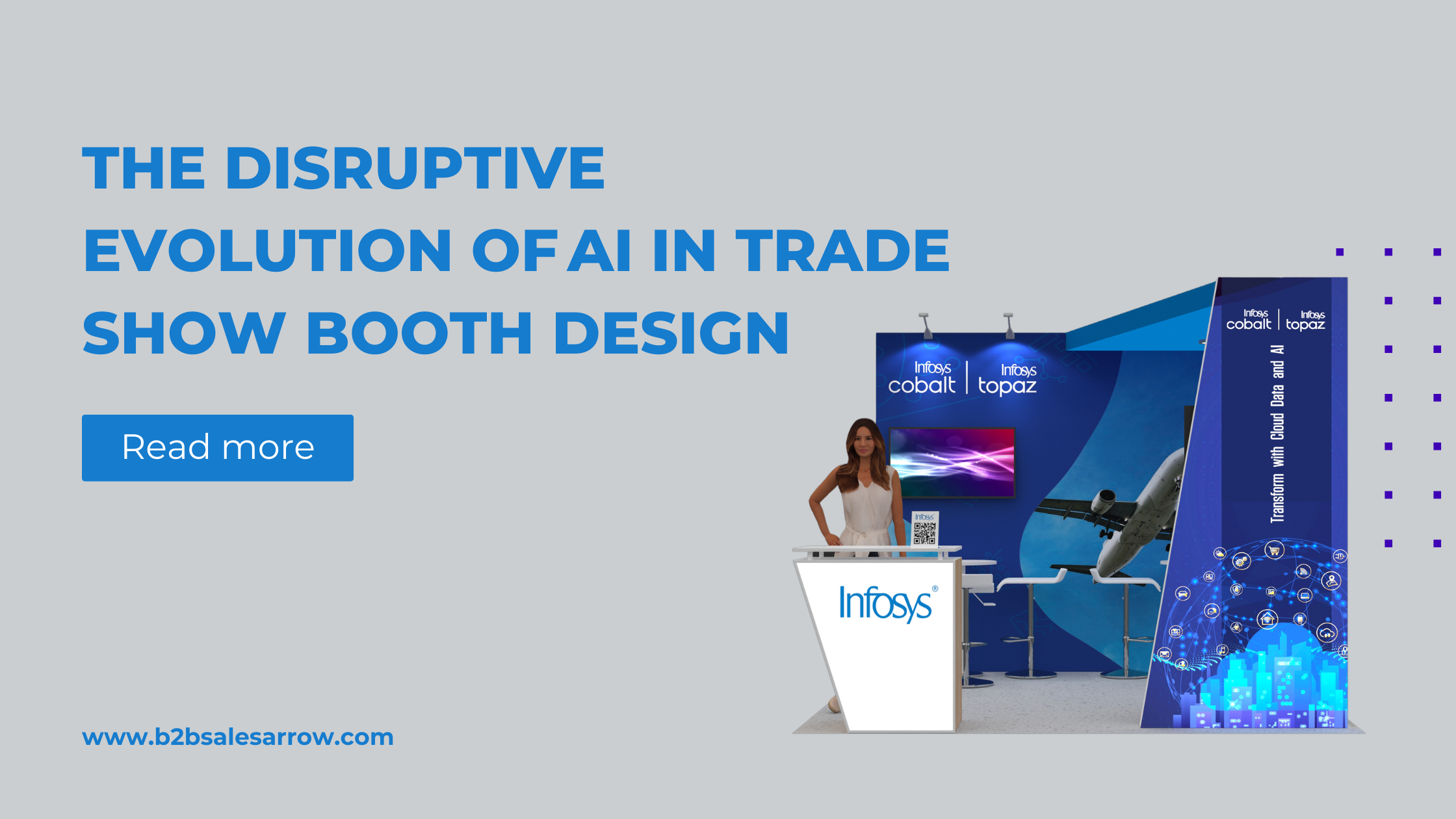
The integration of AI in trade show booth design is redefining how brands occupy space, moving away from static structures toward dynamic, data-optimized environments.
By leveraging advanced computational models, designers can now predict attendee behavior, optimize traffic flow, and create hyper-personalized experiences that resonate on a psychological level.
How is AI in trade show booth design changing?
The architectural philosophy of the modern exhibition floor is being rewritten by digital intelligence, shifting from purely aesthetic drafting to a framework of predictive optimization. The following points illustrate how AI in trade show booth design is fundamentally altering the design landscape for the next generation of global exhibitions.
Predictive Spatial Optimization and Traffic Flow Engineering
The primary shift in modern design is the move from intuitive layout planning to predictive spatial modeling. Designers now employ AI-driven exhibition planning to analyze historical attendee movement data and simulate thousands of potential floor plan configurations before any physical construction begins.
By using tools like ClickUp Brain or Eptura’s space planning software, designers can identify "friction points" where bottlenecks might occur, ensuring that traffic flow remains fluid and that entry points are naturally intuitive. This data-driven approach allows for the strategic placement of high-value demo stations in "hot zones" identified by heat mapping technology, which maximizes the visibility of sales representatives and ensures they can spot warm prospects with ease.
For example, a technology firm planning a 2,000-square-foot island booth can use AI to simulate how 138,000 attendees (a standard attendance for a major event like CES) will interact with the space. This simulation helps in designing "standing-height counters" for fast lead qualification and "semi-private pods" for deeper discussions, ensuring each zone is used to its full potential.
The result is a booth that works in harmony with the staff, reducing the logistical heavy lifting of crowd management and allowing human experts to focus on building meaningful connections.
- Spatial Metric
- Traditional Planning
- AI-Optimized Planning
- Traffic Flow Analysis
- Intuitive/Manual
- Predictive Simulation
- Lead Capture Visibility
- Random Placement
- Heatmap-Based Zoning
- Space Utilization
- Standard Templates
- Dynamic Square-Foot Optimization
- Bottleneck Reduction
- Reactive Adjustments
- Pre-Show Congestion Modeling
Generative Ideation and the Acceleration of Aesthetic Speed
The creative process itself has undergone a massive acceleration through the use of generative AI booth layouts. In the traditional design cycle, mood boards and initial renders could take weeks to refine. However, AI now serves as a high-speed "copilot" that can process user prompts and brand assets to generate multiple high-fidelity concepts in seconds.
Tools such as Midjourney and Adobe Firefly allow designers to experiment with complex geometric forms, such as biophilic "living walls" or kinetic sculptures, that align perfectly with the corporate identity. This rapid visualization enables senior stakeholders to iterate on "what-if" scenarios in real-time, significantly reducing the time spent in the brainstorming phase and accelerating the path from concept to physical reality.
A practical application of this is seen in the industrial design workflow, where tools like Vizcom are used to transform rough 2D sketches or blocky CAD models into photorealistic visuals in under 30 seconds.
It was a task that previously took hours of professional rendering time. This allows design teams to explore a wider array of concepts, such as integrating "selfie architecture" or layered backdrop walls specifically designed for social media amplification, ensuring the booth achieves a high post-event reach. The ability to see lifelike images of a concept before investing in physical prototypes saves money and ensures that the final design is eye-catching and strategically aligned with the brand story.
Hyper-Personalization through Biometric Integration
In 2026, the future of booth design lies in its ability to adapt to the individual attendee through "Emotional AI" and biometric sensors. Advanced artificial intelligence exhibition design now incorporates computer vision and facial analysis to track real-time attendee sentiment, identifying when a visitor is confused, excited, or frustrated during a product demonstration.
Systems like Zenus or Mood-Me provide anonymized, aggregated data on how groups react to specific stimuli, such as a digital banner or a live demo. This allows the booth environment to become a living entity that adjusts its content, lighting, or even music tempo based on the collective mood of the audience.
Consider a scenario where a visitor stands in front of an AI-powered kiosk. The system can recognize their level of interest and automatically adjust the digital signage to show a demo that matches their demographic profile or past interaction history. This level of personalization extends to "biometric environment adjustment," where 5G-connected sensors might trigger personalized messaging based on an attendee's badge or emotional state, making the experience feel uniquely tailored.
For executives, this means every interaction is optimized for engagement, and hidden "pain points" in the customer journey can be identified and corrected in real-time. It leads to higher-quality lead scoring and more effective post-show follow-ups.
- AI Technology
- Interaction Type
- Strategic Outcome
- Facial Analysis
- Sentiment Tracking
- Real-Time Atmosphere Tuning
- Smart QR/NFC
- Digital Linking
- Personalized Content Delivery
- Eye Tracking
- Gaze Mapping
- Optimized Message Placement
- Holographic Telepresence
- Virtual Interaction
- High-Impact Brand Connection
Sustainability and Computational Material Selection
As environmental responsibility becomes a core requirement for global brands, AI is being used to design booths that are both visually stunning and ecologically sustainable. Modern AI-powered booth design analyzes historical performance data to recommend modular systems that can be reconfigured for multiple shows. It significantly reduces the waste associated with single-use custom builds.
Machine learning models can evaluate the carbon footprint of different materials, suggesting biodegradable alternatives or energy-efficient LED lighting that lowers both the environmental impact and the operational costs of the exhibit.
Designers now use AI to optimize the weight and volume of structural components, ensuring that booth materials can be transported more efficiently, which reduces shipping emissions. The digital-first design strategies, such as using high-resolution LED video walls instead of 10 pounds of printed brochures, are becoming the standard.
By simulating the life cycle of a booth, AI helps companies move toward "greener" trade shows while maintaining a modern, innovative brand image. This shift is particularly critical for senior decision-makers who must align their marketing efforts with broader corporate ESG (Environmental, Social, and Governance) goals.
Immersive 3D Workflows and Virtual Walkthroughs
The transition from a 2D concept to a 3D physical form is now facilitated by advanced AI modeling tools that bridge the gap between imagination and execution. Tools like Kaedim and Luma AI are transforming how architects and designers create 3D scans and models. It allows them to iterate and refine their vision in a virtual space before any materials are cut.
The use of generative AI booth layouts extends into the creation of "digital twins" of the booth, which can be shared with stakeholders for immersive 3D walkthroughs. These virtual tours allow clients to assess the layout's effectiveness from a visitor's perspective, testing different color palettes, branding elements, and lighting effects in a risk-free environment.
A sophisticated example of this workflow involves using Midjourney to generate a base aesthetic, which is then processed through Tripo AI to create a segmented, editable 3D mesh with physically based rendering (PBR) materials.
By using AI-powered rendering platforms like Foyr Neo or Spacely AI, design firms can produce professional-grade visualizations that look strikingly real, providing a "30-second adventure" for stakeholders to explore their future presence at a show.
Psychological Cue Integration and Booth Recommendation Systems
The final and perhaps most subtle change is the use of AI to tap into visitor psychology through strategic storytelling and spatial cues. Using the "Villamil-Molina Method," designers can track how visitors look at and process visual information, revealing exactly where attendees focus their attention. This allows for the design of booths that act like a "treasure map," using rounded designs, color play, and sensory hints to guide visitors smoothly toward a sales pitch or a product demo.
AI-enabled Booth Recommendation Systems (BRS) can even provide real-time suggestions to attendees on the show floor, driving unplanned booth visits by personalizing their journey based on their expressed business objectives.
These systems analyze vast datasets from past events to suggest the most effective "psychological triggers," such as large-scale kinetic sculptures that create a sense of wonder or "comfort zones" that use ambient soundscapes to create tranquility.
By understanding that engaging three or more senses can increase brand engagement by up to 70%, AI helps designers move beyond mere visuals to build a holistic experience that captivates and converts.
Conclusion
The evidence presented throughout this analysis clearly indicates that AI in trade show booth design is no longer a futuristic aspiration but a mission-critical tool for senior leaders seeking a competitive advantage in an increasingly expensive exhibition market.
By synthesizing predictive analytics, generative creativity, and biometric feedback, AI enables the creation of exhibits that are mathematically optimized for engagement and psychologically tuned for conversion. As the industry moves toward 2026, the successful organizations will be those that transition from static display models to dynamic, AI-powered environments that prioritize sustainability and hyper-personalization.
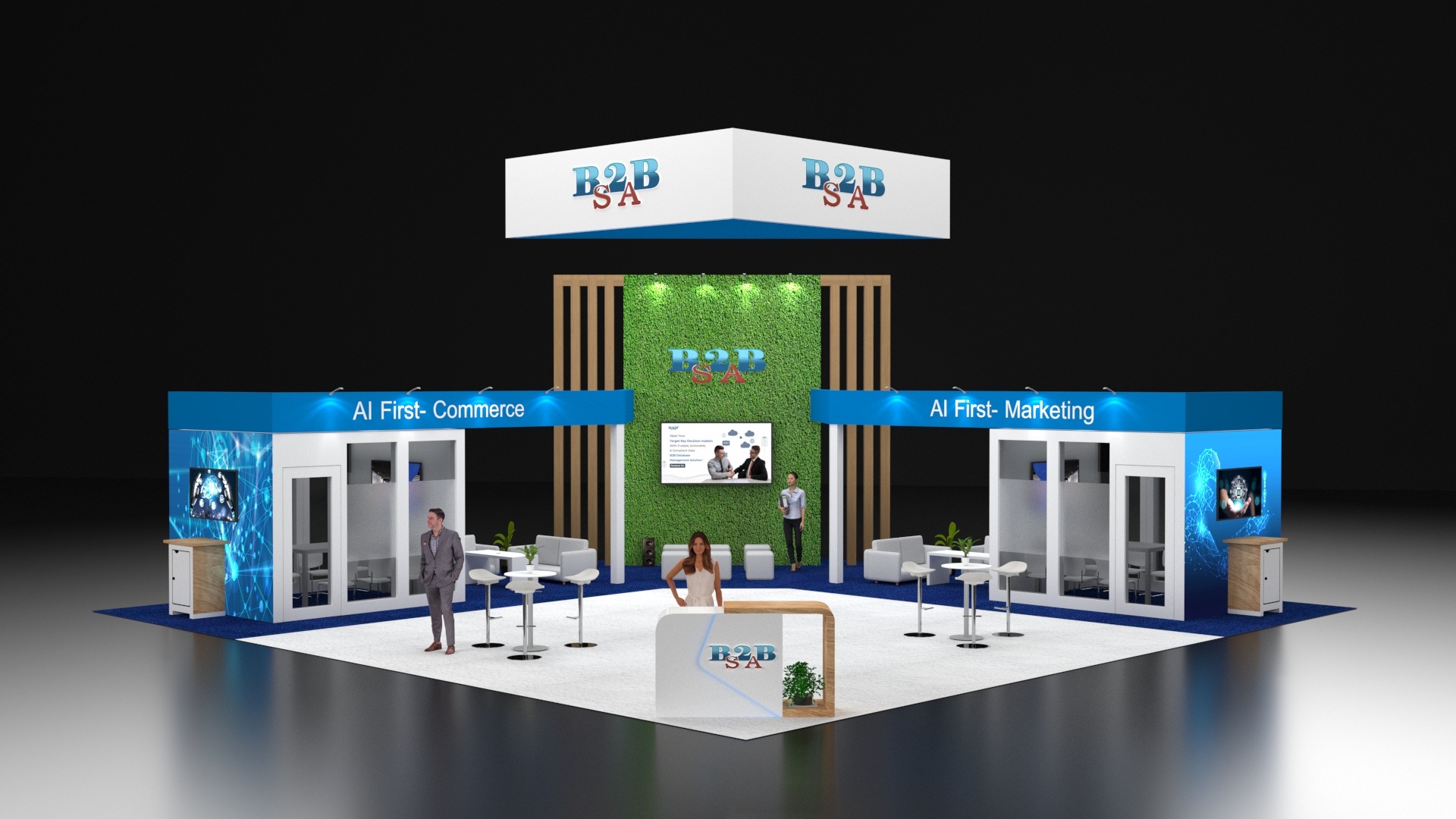
At B2B Sales Arrow, we utilize different AI tools in our booth designing process to deliver these high-impact results. Partner with us today to revolutionize your exhibition strategy and dominate the show floor with an AI-powered design that drives real business outcomes.
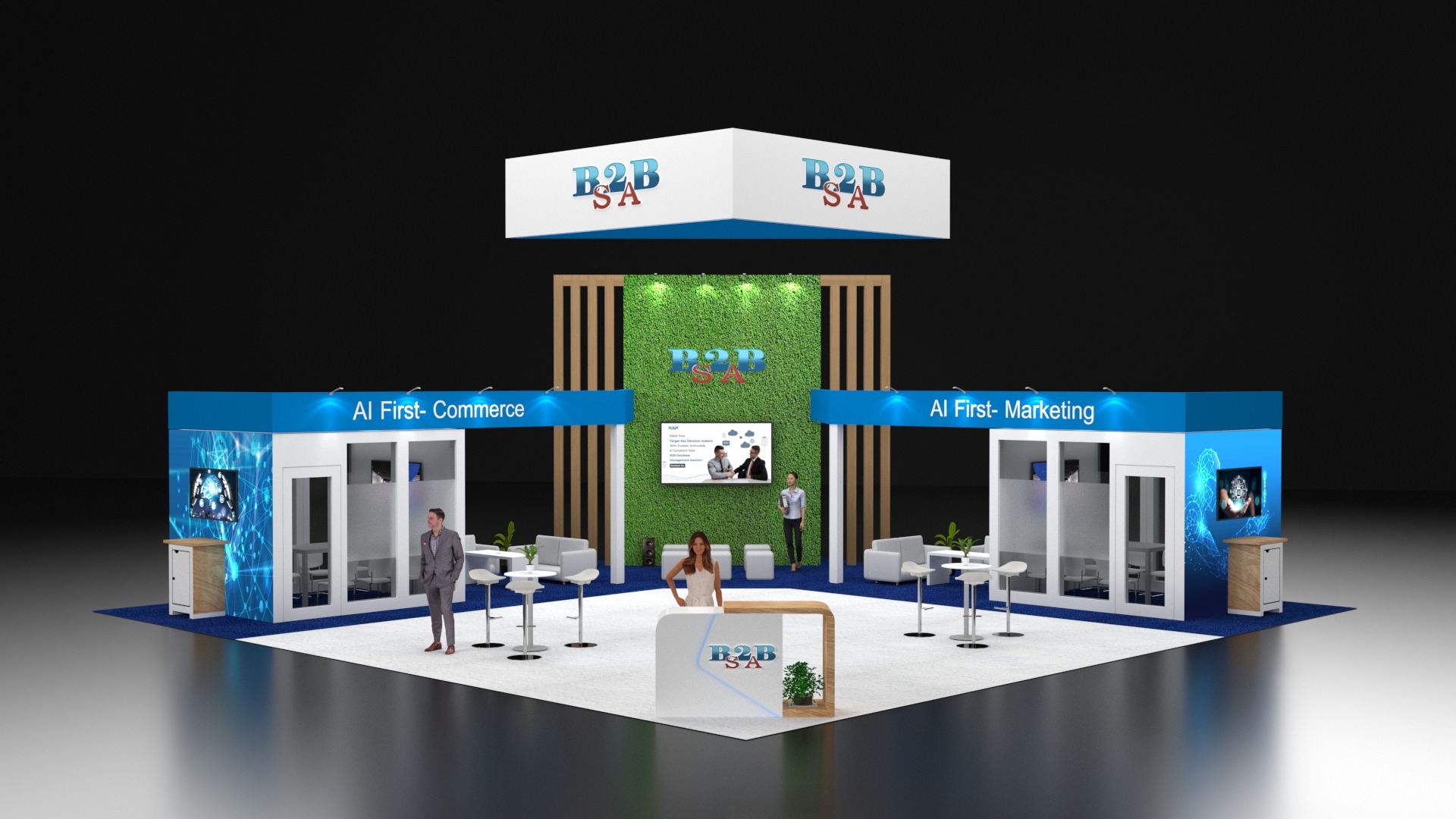
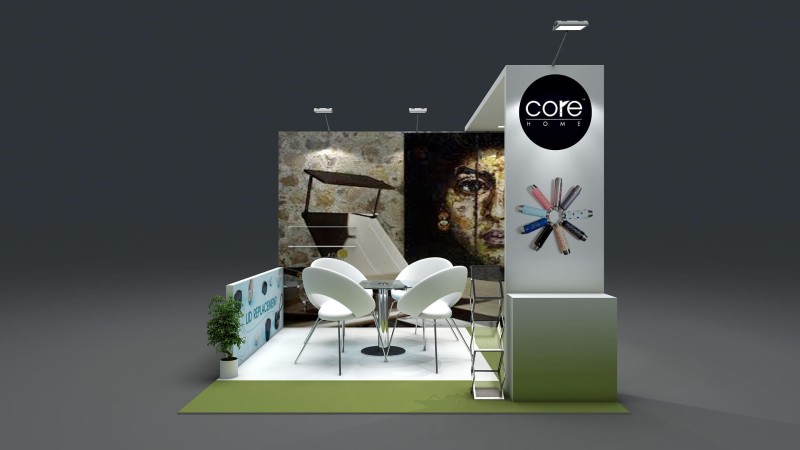
Your trade show booth design requirements got heard by Sensations Exhibits.
We have a team of in-house team of 3D booth designers who have years of knowledge and expertise.
Assisted number of international clients, we have attained success in selling hundreds of trade show exhibit design for top-notch events in USA.