

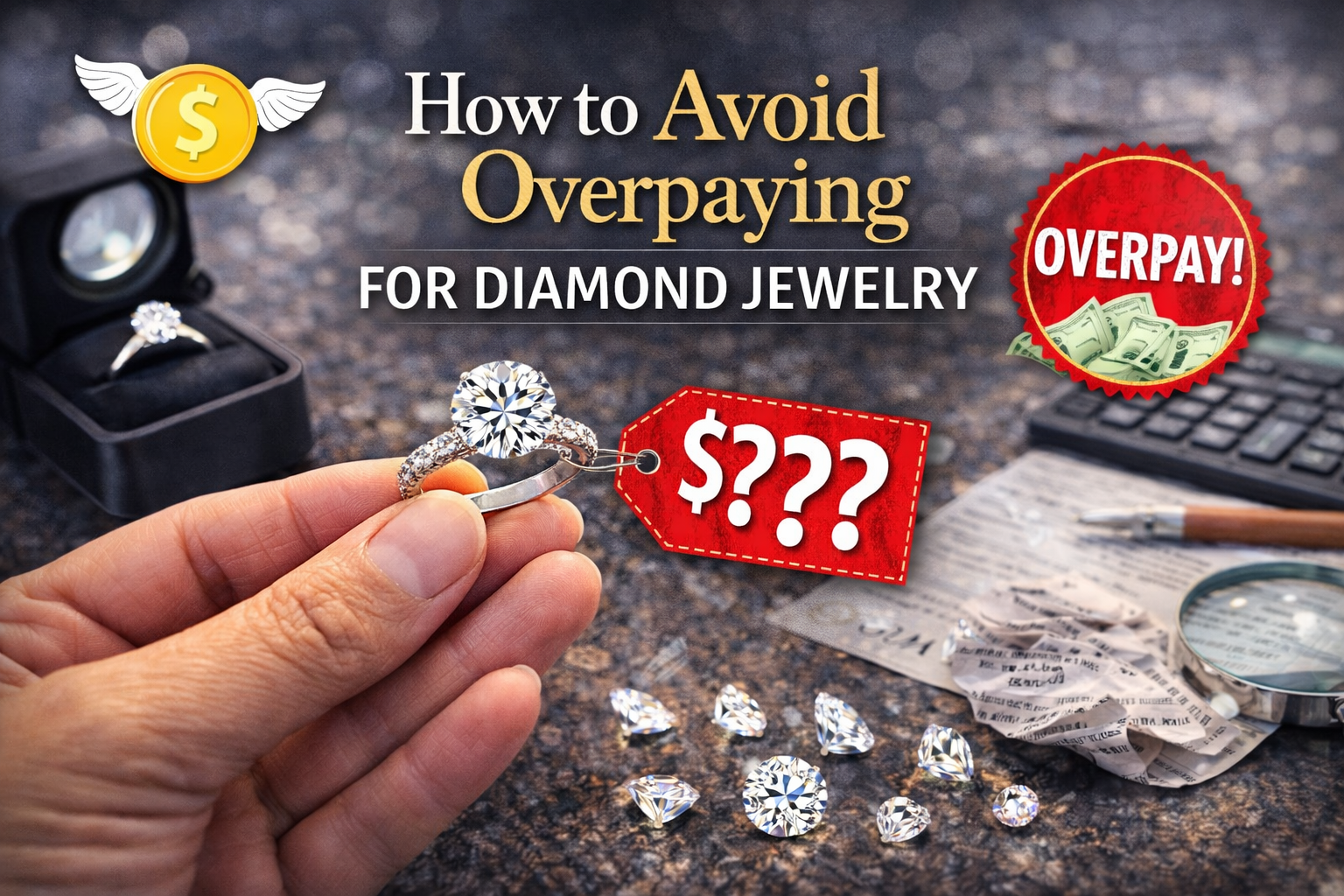
Buying diamond jewelry should be one of the most exciting and meaningful experiences in life. Whether it’s an engagement ring, an anniversary gift, or a personal milestone purchase, the moment carries emotion, anticipation, and a sense of importance. But alongside the excitement, many buyers share the same quiet concern:
Am I paying too much?
This question is more common than most people admit — and for good reason.
Unlike many products, diamonds don’t have fixed retail pricing. Two diamonds with the same specifications can be priced very differently depending on where you shop, the brand name attached to the piece, and how much information you have before making a decision. Without a clear understanding of value, it’s easy to pay significantly more than necessary.
Many buyers unknowingly overpay because of emotional pressure, limited time, or lack of education. Retail environments are designed to encourage upgrades. Branding can add a premium that has little to do with the diamond itself. Store lighting and presentation can make higher-priced options feel like the safer or more impressive choice.
The result isn’t usually a bad diamond — it’s simply a purchase that costs more than it should.
The purpose of this guide is to help you understand how diamond pricing really works. When you know where value comes from, where you can save, and how to compare options correctly, you gain control over the buying process.
Because true luxury isn’t about spending the most. It’s about getting exceptional beauty, quality, and meaning at a smart value — and feeling confident about your decision long after the purchase.
Why Diamond Prices Vary So Much
One of the most confusing aspects of diamond buying is the wide variation in pricing. Many buyers assume there is a standard retail price for a diamond based on its 4Cs, but this isn’t the case.
Diamonds are traded globally through a complex supply chain that includes miners, cutters, wholesalers, and retailers. Each step adds a margin, and by the time the stone reaches a showroom, pricing reflects not only the diamond itself but also the business model of the seller.
Retailers with physical stores often have higher operating costs, including rent, staff, security, and inventory. These overhead expenses are built into the final price. Online retailers, operating with lower overhead and virtual inventory systems, often sell comparable diamonds at more competitive prices.
Branding also plays a major role. Well-known luxury brands may charge a significant premium for their name, packaging, and brand experience. While craftsmanship and design can justify part of the cost, the diamond itself is often priced higher than an equivalent unbranded stone.
Location matters as well. Diamonds sold in high-end shopping districts or luxury malls typically carry higher markups than those sold through independent jewelers or online platforms.
Understanding these factors helps explain why price comparison is essential — and why the first price you see is rarely the best value.
The Biggest Reason People Overpay: Lack of Knowledge
The single biggest reason buyers overpay is simple: they don’t know what truly affects a diamond’s appearance and value.
Diamond purchases are emotional. Engagement timelines, special occasions, and the desire to make the moment perfect often push buyers toward quick decisions. Sales professionals may suggest upgrades that sound impressive — higher clarity, better color, larger carat — even when the visual difference is minimal.
First-time buyers are especially vulnerable. Without understanding where compromises can be made safely, many assume that higher grades always mean a better diamond.
This isn’t how value works.
In reality, certain improvements have little visible impact but significantly increase price. Basic diamond education allows buyers to focus their budget where it actually matters — on beauty rather than unnecessary perfection.
Knowledge doesn’t just save money. It protects confidence.
Understand the 4Cs — But Know Where to Save
The 4Cs determine a diamond’s quality and price, but they don’t all affect appearance equally. Smart buyers understand where to invest and where to compromise.
Cut is the most important factor and should never be compromised. Excellent or Ideal cut ensures maximum brilliance and light performance.
Color offers strong savings opportunities. Diamonds in the G–I range appear white to the naked eye, especially when set. Moving into the D–F range increases price significantly with minimal visible difference.
Clarity is another area where buyers often overspend. VS2 or SI1 diamonds are frequently eye-clean, meaning no visible inclusions without magnification. Paying for flawless or VVS clarity rarely improves real-world appearance.
Carat should be balanced after optimizing the other factors. A slightly smaller diamond with excellent cut and balanced color and clarity will often look better than a larger stone with compromised quality.
A smart value combination often includes:
- Excellent or Ideal cut
- G–H color
- VS2–SI1 clarity
- Carat based on budget
This approach maximizes both beauty and financial efficiency.
Why Cut Quality Protects Your Money
Cut quality directly affects both sparkle and perceived size.
Poorly cut diamonds hide weight in the depth, making them look smaller and less brilliant. This means you may be paying for carat weight that isn’t visible.
Well-cut diamonds maximize surface spread and reflect light efficiently, creating brightness, fire, and presence. Because brilliance attracts attention, a diamond with excellent cut often appears larger and more valuable.
For round diamonds, ideal depth typically falls between 59% and 62.5%, with balanced table proportions.
Investing in cut ensures your money goes toward visible beauty rather than hidden weight.
Avoid Paying for Grades You Can’t See
Marketing often emphasizes the highest possible grades, but many of these differences are invisible in everyday wear.
The difference between D color and G color is extremely subtle once the diamond is set. Similarly, inclusions in VS2 or SI1 diamonds are rarely visible without magnification.
Upgrading beyond these ranges usually increases price without improving appearance.
Smart buyers focus on real-world performance rather than perfection on paper.
Always Compare Prices Before Buying
Comparison shopping is one of the most effective ways to avoid overpaying.
Start by identifying diamonds with similar:
- Certification (GIA or AGS)
- Carat weight
- Color and clarity range
- Cut quality
- Millimeter measurements
Then compare prices across multiple reputable retailers.
Online platforms often offer lower prices due to reduced overhead and larger virtual inventories. However, traditional jewelers may provide personalized service, custom settings, or after-sales support that adds value.
The goal isn’t to find the cheapest option — it’s to understand the market range so you know when a price is fair.
Certification Matters More Than Most Buyers Realize
Accurate grading is essential for price comparison.
Trusted laboratories such as GIA and AGS use strict and consistent standards. Diamonds graded by softer labs may appear higher quality on paper, leading buyers to pay more than the stone is worth.
Always verify the certification before comparing prices. Without consistent grading, price comparisons are meaningless.
Be Careful with Brand Premiums
Luxury branding can add significant cost without changing the diamond’s core quality.
In many cases, you’re paying for packaging, reputation, and brand identity rather than measurable differences in the stone itself.
If brand heritage and design are important to you, the premium may be worthwhile. But buyers focused purely on diamond value should compare equivalent unbranded options.
Understand Retail Markups and Sales Tactics
Jewelry retail often includes strategic pricing techniques.
Common tactics include:
- Inflated original prices followed by “discounts”
- Limited-time promotions to create urgency
- Suggesting upgrades as small monthly payment increases
These strategies encourage emotional decision-making rather than value-based buying.
Taking time to research and compare removes the pressure and helps you negotiate from an informed position.
Choose the Right Shape for Better Value
Round diamonds command the highest prices due to demand and cutting waste.
Fancy shapes such as oval, pear, cushion, emerald, and marquise often cost less per carat and may appear larger due to their elongated dimensions.
For buyers seeking maximum visual size at a lower price, shape selection can make a significant difference.
Setting Choices Can Save or Cost You Money
The setting contributes to overall cost and visual impact.
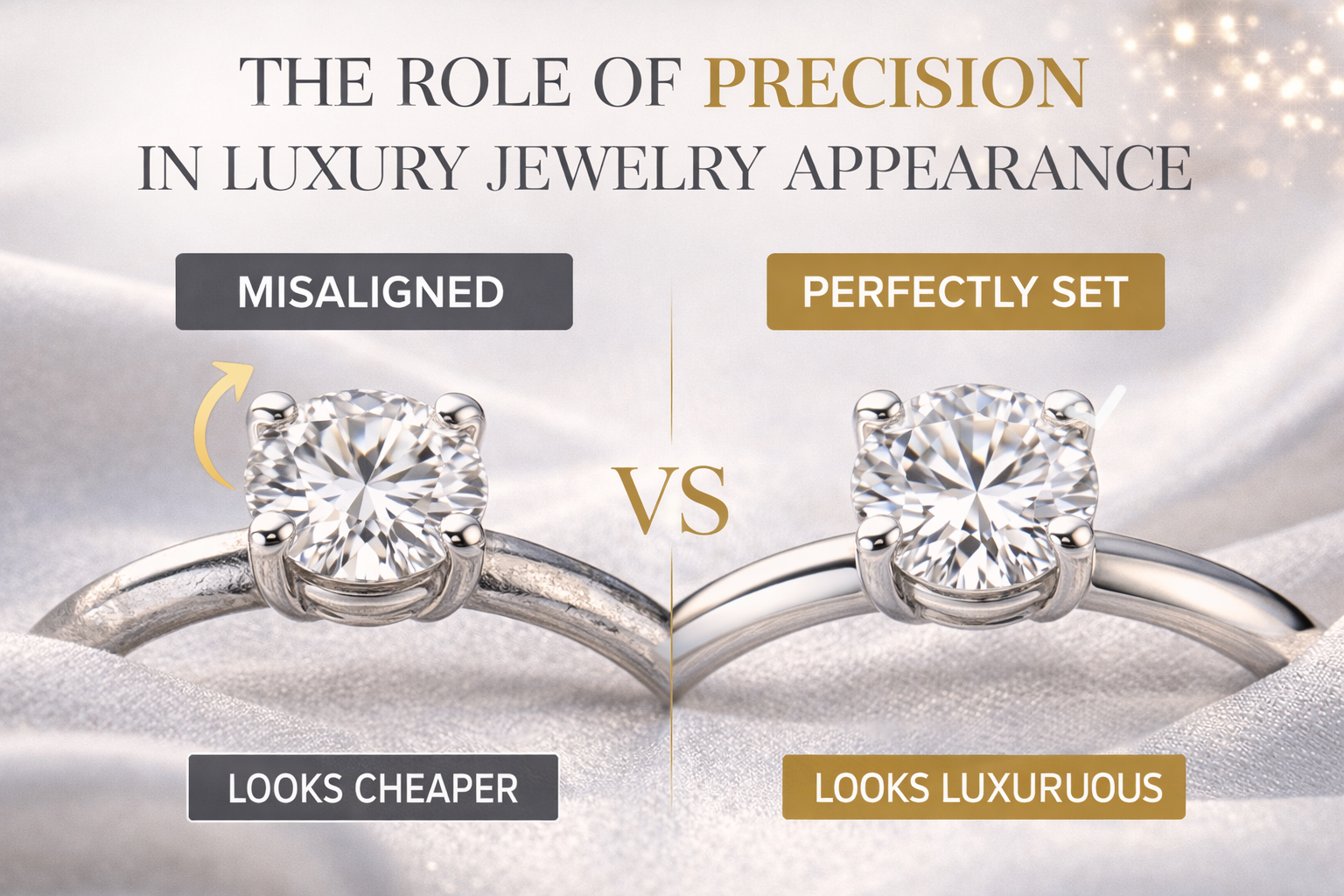
Simple solitaire designs are typically more affordable than intricate designer settings. Metal choice also affects price, with platinum generally costing more than gold.
At the same time, certain settings — such as halo designs or thin bands — can make the center diamond appear larger, increasing visual value without increasing stone cost.
The Hidden Cost Factors Buyers Miss
Beyond the initial purchase, buyers should consider:
- Warranty and maintenance services
- Insurance costs
- Financing interest charges
- Upgrade or trade-in policies
Financing, in particular, can significantly increase the total cost if high interest rates apply.
Understanding the full ownership cost helps prevent unexpected expenses.
A Smart Step-by-Step Strategy to Avoid Overpaying
- Set a realistic budget before shopping
- Prioritize Excellent or Ideal cut
- Choose G–H color and VS2–SI1 clarity
- Verify GIA or AGS certification
- Compare at least three to five similar diamonds
- Check millimeter measurements, not just carat weight
- Review images or videos for real appearance
- Evaluate setting cost and design impact
- Confirm return, upgrade, and warranty policies
Ask these questions:
- Is the diamond eye-clean?
- What are the exact measurements?
- How does this price compare to similar stones?
- What flexibility do I have after purchase?
Signs You’re Getting a Fair Price
You’re likely paying a fair price when:
- The diamond has trusted certification
- Pricing falls within the market range after comparison
- The seller provides clear documentation and transparency
- Return and upgrade policies are available
- There is no pressure to buy immediately
Confidence comes from transparency, not urgency.
The Mindset of Smart Diamond Buyers
Smart buyers focus on appearance, value, and long-term satisfaction rather than chasing the highest grades.
They take time to research, compare options, and understand how diamonds perform in real life. Instead of buying impulsively, they make decisions based on knowledge and comfort.
This approach leads to better value — and lasting confidence.
Conclusion
Overpaying for a diamond doesn’t happen because buyers make poor choices. It happens when emotion, urgency, and marketing replace information.
The diamond industry rewards educated buyers. When you understand pricing, certification, value ranges, and comparison strategies, the process becomes clear and controlled.
True luxury isn’t about paying the highest price. It’s about selecting a diamond that delivers exceptional beauty, quality, and meaning at a smart value.
When you buy with knowledge, you don’t just purchase a diamond. You purchase confidence, satisfaction, and peace of mind that lasts long after the moment itself.
FAQ
How do I know if I’m overpaying for a diamond?
Compare prices for diamonds with the same certification, cut, color, clarity, and measurements across multiple reputable retailers. If the price is significantly higher than the market range, you may be overpaying.
Which diamond grades offer the best value?
Excellent or Ideal cut, G–H color, and VS2–SI1 clarity typically provide the best balance between appearance and price.
Is it cheaper to buy diamonds online?
Online retailers often offer lower prices due to reduced overhead, but the key is choosing a reputable seller with trusted certification and a return policy.
What is the most important factor when buying a diamond?
Cut quality is the most important factor because it determines the diamond’s sparkle and overall visual impact.
How much markup do jewelers add?
Retail markups can vary widely depending on the business model, brand positioning, and overhead costs. This is why comparing multiple sellers is essential to understanding fair market value.

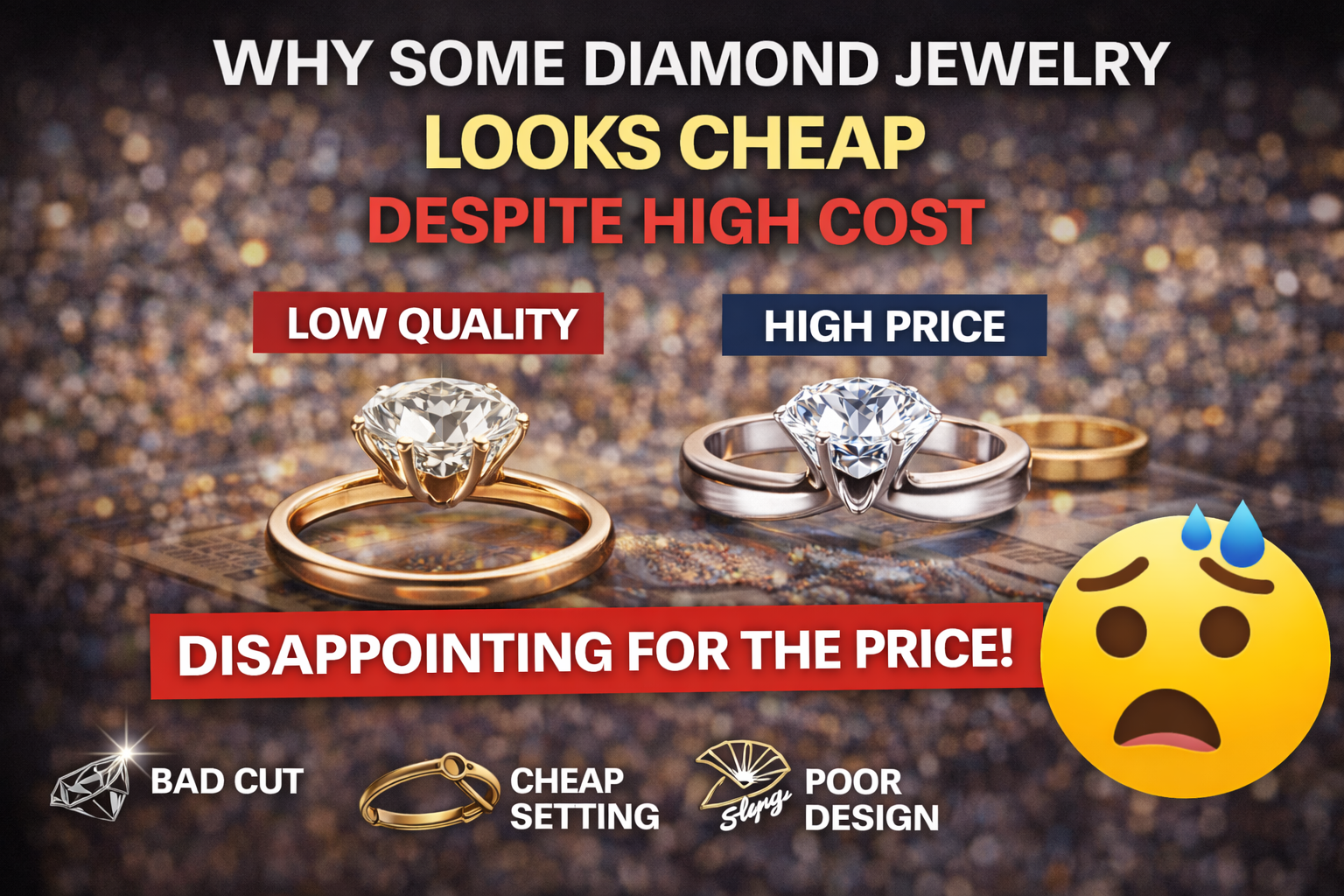
Have you ever bought a diamond before?
You think that it is way over expensive and above your budget and drop the idea of buying one.
To avoid confusion and make the best choice while buying diamonds here are a few tips to help you out.