

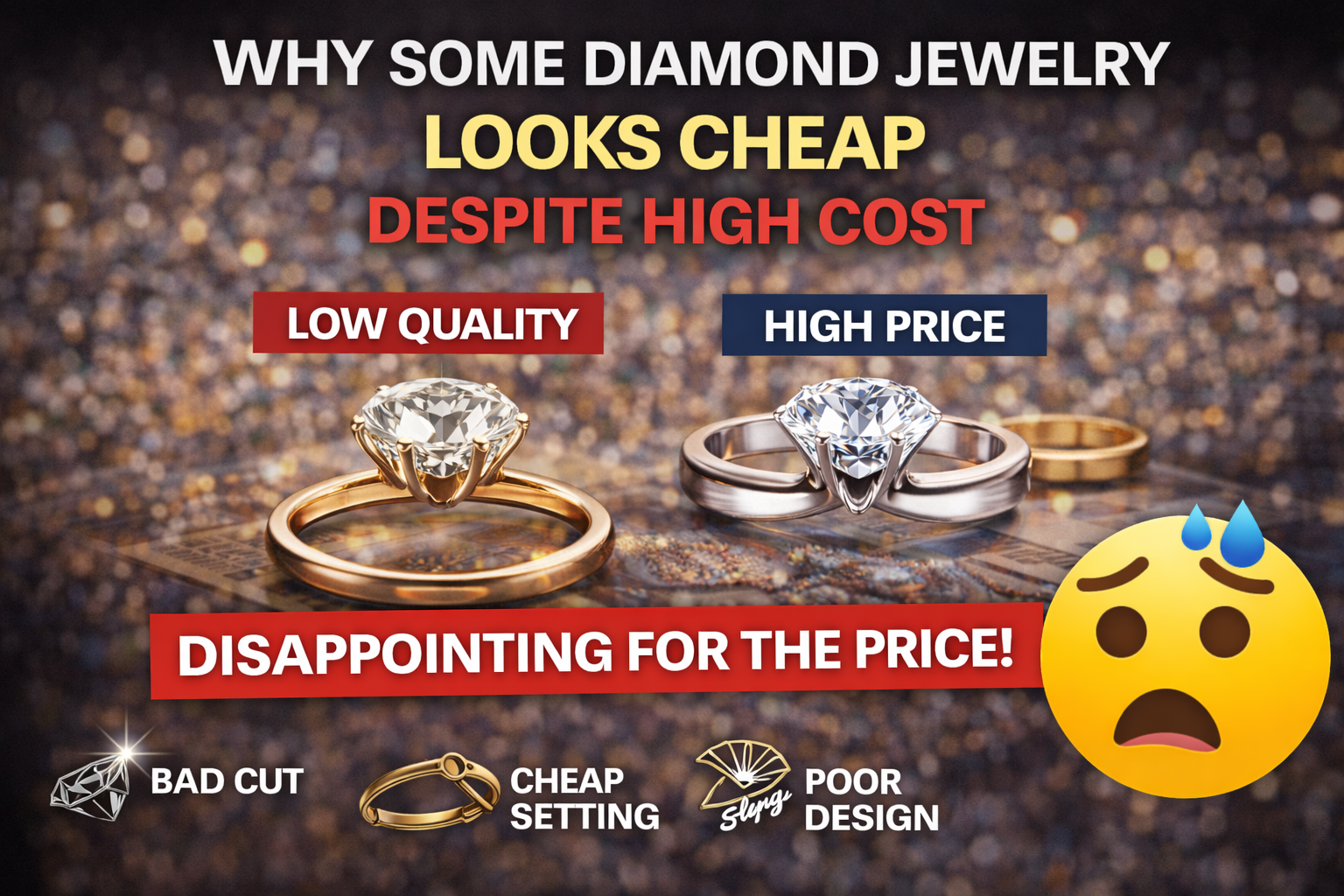
Many buyers believe that the more they spend on diamond jewelry, the more luxurious it will look. It’s a reasonable assumption — higher price should mean better quality, better appearance, and a stronger sense of luxury.
But the reality is often surprising.
Some expensive diamond pieces still look ordinary. Others may even appear dull, unbalanced, or less refined than lower-priced alternatives. This creates a frustrating gap between actual cost and perceived value. Buyers invest significant money, only to feel underwhelmed once the excitement of the purchase fades.
The reason is simple: price alone does not determine how luxurious jewelry looks.
Perceived quality comes from visual impact — sparkle, proportions, design balance, craftsmanship, and finishing. When these elements are weak, even a high-cost piece can look less impressive. On the other hand, when they are done well, a moderately priced piece can appear elegant, refined, and premium.
Many buyers unintentionally prioritize the wrong factors. They focus on carat weight instead of cut quality, choose larger stones with visible compromises, or select settings that don’t complement the diamond. Retail lighting and presentation can also create a stronger impression in-store than what the piece delivers in everyday life.
Understanding what actually affects appearance helps buyers avoid disappointment. Instead of paying more for specifications that don’t improve the look, you can focus on the factors that truly create a luxurious result.
This article explains why some expensive diamond jewelry looks cheap, the common mistakes that reduce perceived value, the psychology behind visual quality, and practical ways to choose pieces that look premium — not just expensive.
The Difference Between Price and Perceived Value
Expensive jewelry doesn’t automatically look luxurious because people judge quality visually, not financially.
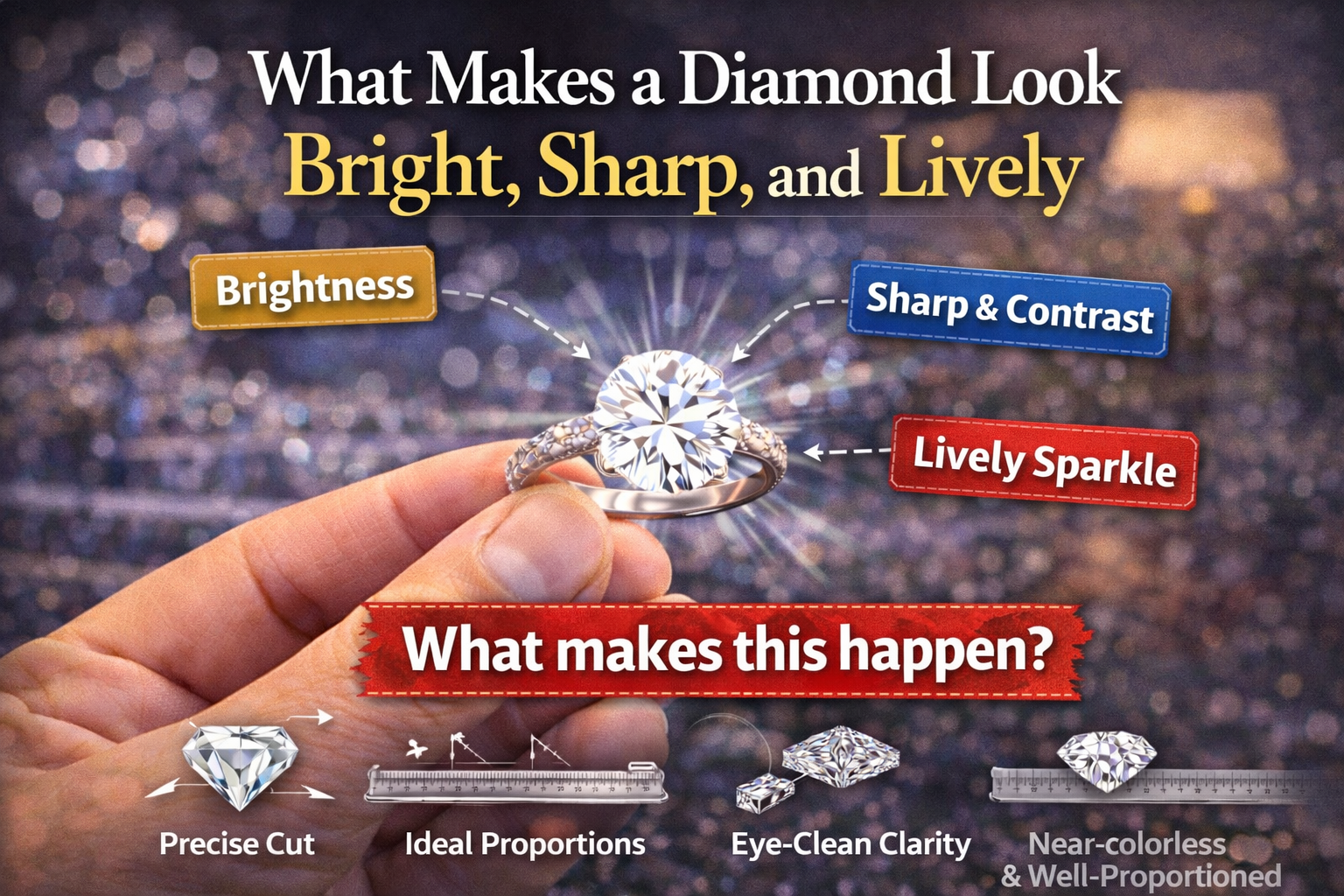
Buyers form impressions based on brightness, balance, and overall refinement. A piece that sparkles strongly, looks proportionate, and feels well made will appear premium, regardless of its price.
First impressions matter. If a diamond looks dull, the setting appears thin, or the design feels unbalanced, the entire piece can seem lower in value.
Perceived luxury comes from harmony — strong light performance, clean finishing, and thoughtful design working together.
Poor Cut Quality – The Biggest Reason Jewelry Looks Cheap
Cut quality has the greatest impact on how a diamond looks. A poorly cut diamond reflects less light, making it appear dull, dark, or lifeless.
Even a large diamond with high color and clarity grades can look unimpressive if the cut is weak.
Well-cut diamonds create brilliance, fire, and sparkle — the visual effects people associate with luxury. In contrast, poorly cut stones often look flat, even under good lighting.
In many cases, a smaller diamond with excellent cut quality will look more impressive than a larger diamond with poor proportions.
Oversized Diamonds with Compromised Quality
One of the most common mistakes is prioritizing carat weight over overall quality.
To afford a larger size, buyers sometimes compromise on cut, color, or clarity. The result can be a diamond with visible tint, noticeable inclusions, or weak sparkle.
This creates the “big but lifeless” effect — the diamond has size but lacks visual presence.
True luxury comes from brightness and life, not size alone.
Weak or Poorly Designed Settings
The setting plays a major role in how expensive jewelry looks.
Thin or lightweight metal can make a piece feel fragile or less substantial. Poor proportions between the stone and band may create an unbalanced appearance.
Bulky or outdated designs can also reduce perceived elegance. When the setting overwhelms the diamond or lacks refinement, the overall piece looks less premium.
A well-designed setting should enhance the stone, not compete with it.
Craftsmanship and Finishing Issues
Luxury jewelry is defined by attention to detail.
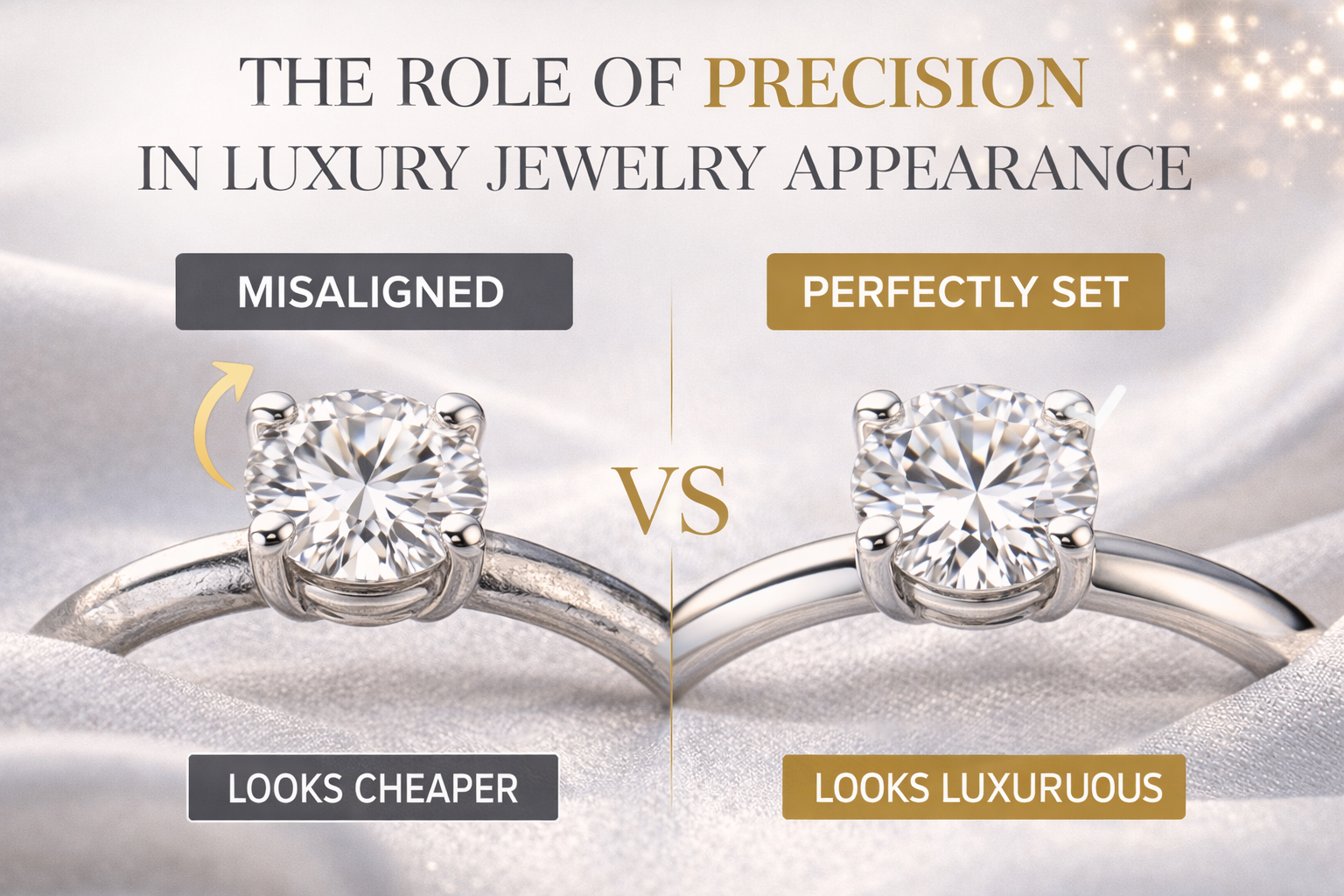
Uneven stone placement, visible gaps, rough edges, or poor polish immediately reduce perceived quality. Lack of symmetry or alignment can make even high-value materials look ordinary.
High-quality craftsmanship includes smooth finishing, precise setting, and clean, polished surfaces that reflect light evenly.
These small details make a significant difference in how expensive a piece feels.
Color and Clarity Choices That Hurt Appearance
Choosing the wrong balance of color and clarity can negatively affect how jewelry looks.
Larger diamonds with lower color grades may show noticeable yellow tint, especially in white metal settings. Visible inclusions can reduce transparency and brilliance.
Mismatch between a center stone and side stones can also create an uneven look.
Instead of chasing high specifications, the goal should be a clean, bright, and balanced appearance.
Design Mistakes That Reduce Luxury Perception
Design plays a major role in perceived value.
Overly trendy styles may look fashionable initially but can quickly feel dated. Excessive small stones or overly complex details may create a crowded or “busy” appearance.
Poor proportion or lack of visual focus reduces elegance. Premium designs typically highlight the center stone and maintain balance and simplicity.
Timeless styles tend to look more refined and valuable over time.
Metal Choice and Quality Factors
Metal quality affects both appearance and durability.
Very thin bands can look delicate in a negative way and may not hold their shape over time. Poor finishing or low-quality plating can reduce shine and longevity.
Color choice also matters. White metals enhance diamond brightness, while mismatched tones may reduce visual contrast.
A well-finished, substantial metal setting contributes significantly to a luxury feel.
Presentation and Maintenance Issues
Even high-quality jewelry can look inexpensive if it is not properly maintained.
Dirt, oil, and residue block light and reduce sparkle. Scratches and surface wear can dull the metal’s finish.
Another factor is lighting. Jewelry often looks more brilliant under store spotlights than in everyday environments.
Regular cleaning and proper care help maintain the premium appearance.
Common Buyer Mistakes That Lead to a “Cheap” Look
Focusing only on carat weight
Ignoring cut quality
Choosing low-quality settings to afford a bigger stone
Not viewing the piece in natural lighting
Skipping side-by-side comparison
These mistakes often increase cost without improving appearance.
Practical Guide – How to Choose Jewelry That Looks Premium
Prioritize excellent cut and strong sparkle
Balance size with appropriate color and clarity
Choose well-proportioned, timeless designs
Inspect craftsmanship and finishing carefully
Compare pieces in different lighting conditions
This approach focuses spending where it actually improves visual impact.
How to Make the Right Decision with Confidence
Focus on overall appearance rather than price or specifications alone. The 80/20 value approach — strong cut with balanced quality — delivers the best visual results.
Avoid chasing size if it requires compromising sparkle or craftsmanship. Stay within a comfort-based budget and choose pieces that look bright, balanced, and well made.
Work with sellers who emphasize quality and transparency rather than pushing higher grades that don’t improve appearance.
Long-Term Factors That Maintain a Luxury Look
Durable construction helps jewelry maintain its shape and finish over time.
Regular cleaning preserves sparkle and shine. Professional inspections ensure stones remain secure.
Upgrade and service options add long-term value, while timeless design helps the piece remain stylish and elegant for years.
Conclusion
A high price does not guarantee a luxurious appearance.
The true factors that determine how expensive diamond jewelry looks are cut quality, design balance, craftsmanship, and finishing. When these elements are weak, even costly pieces can appear ordinary or underwhelming.
Many buyers unknowingly prioritize size or specifications that add cost without improving visual impact. As a result, they spend more but don’t achieve the refined look they expected.
The smartest approach is to focus on visual performance and overall harmony. Bright sparkle, clean design, strong craftsmanship, and balanced proportions create the premium appearance people associate with luxury.
When you understand the difference between price and perceived value, you can choose jewelry that not only costs more — but actually looks as impressive as it should.
FAQ
Why does my expensive diamond not look very sparkly?
Poor cut quality reduces light reflection, making the diamond appear dull even if other grades are high.
What matters more for appearance: carat or cut?
Cut quality has the biggest impact on sparkle and overall visual impact.
Can a smaller diamond look more luxurious than a bigger one?
Yes. A well-cut smaller diamond often looks brighter and more impressive than a larger poorly cut stone.
How does the setting affect the overall look?
A well-proportioned, high-quality setting enhances the diamond and creates a refined appearance.
What color and clarity should I choose to avoid a cheap appearance?
Near-colorless and eye-clean diamonds usually provide the best balance of appearance and value.
How can I check craftsmanship before buying?
Look for smooth finishing, secure stone placement, symmetry, and clean polishing with no visible gaps or rough edges.