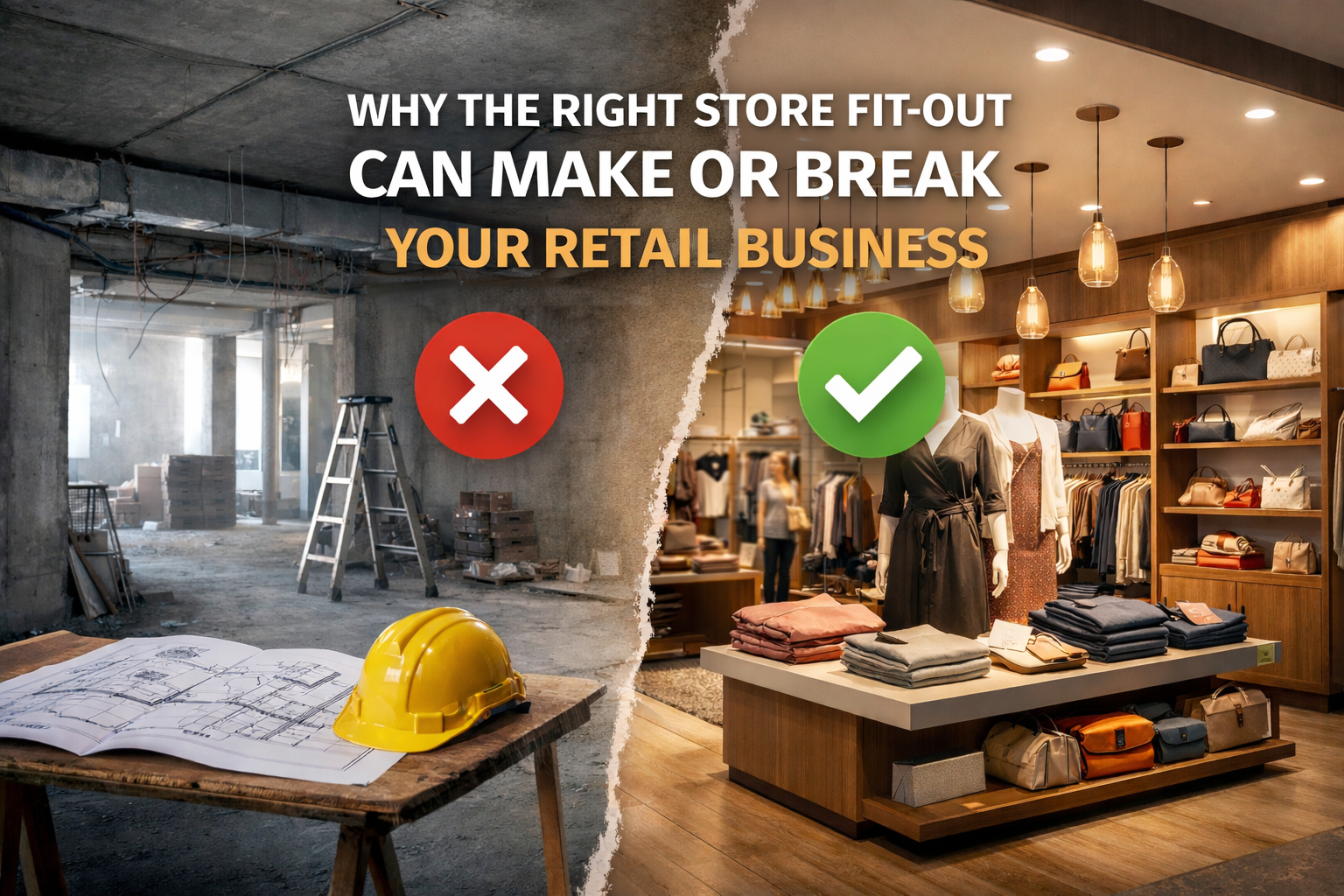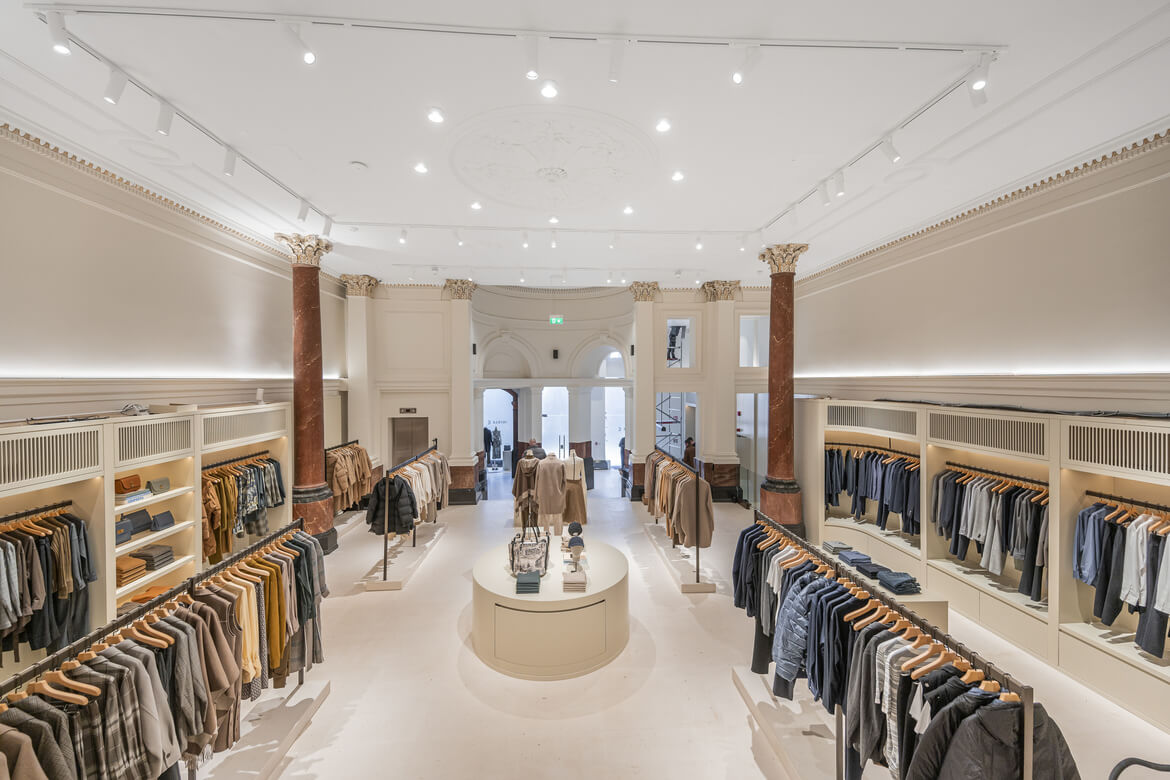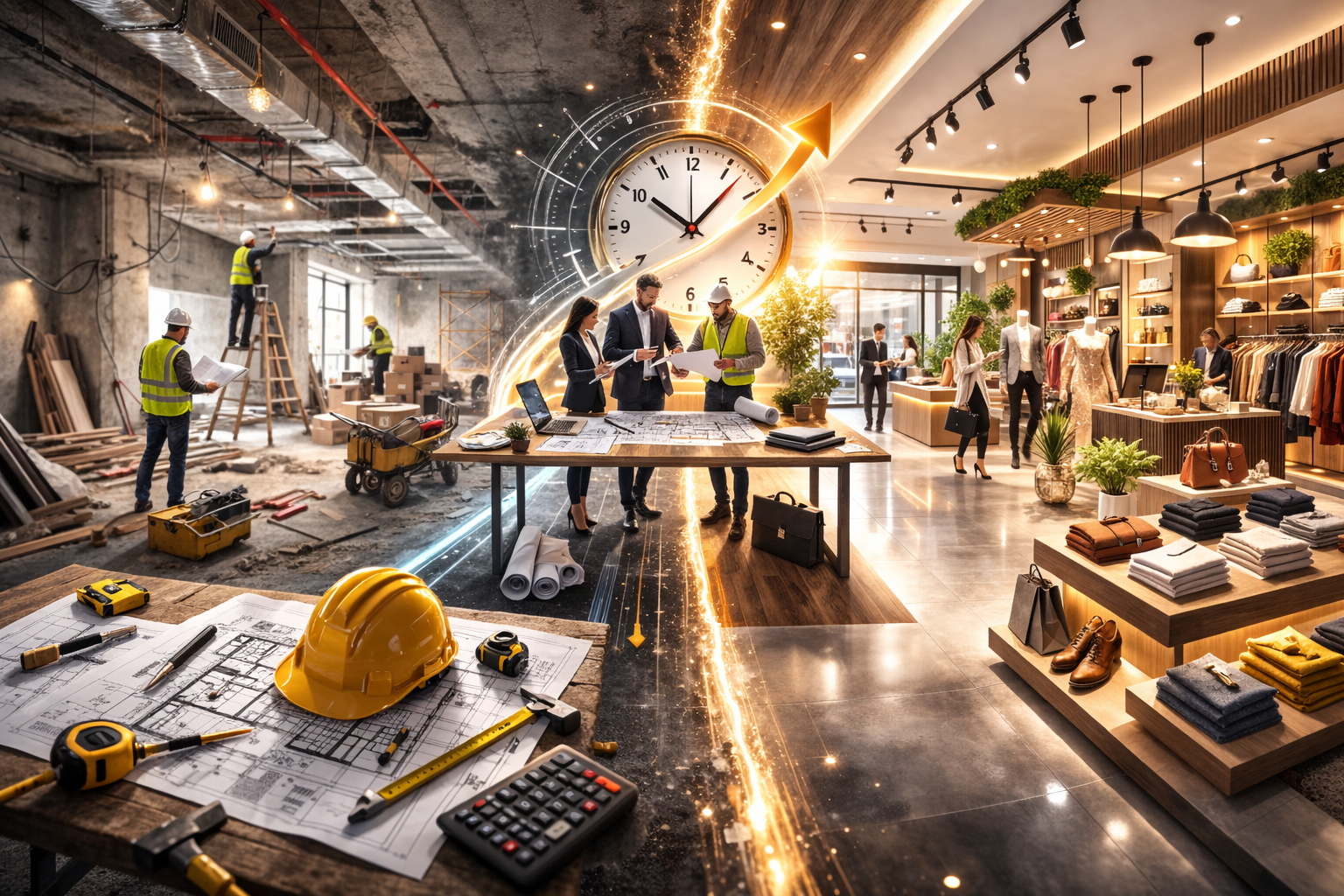
Opening a retail store is more than just putting up shelves and displaying products. It’s about creating an environment that tells your brand’s story and delivers an exceptional experience to your customers. However, achieving this requires seamless execution of the entire fit-out process. Timely execution of retail store fit-outs is critical for ensuring the store is launched on schedule, ready for business, and aligned with the brand’s identity.
At the heart of retail expansion is efficient execution that balances speed, cost, and quality. In today’s competitive retail landscape, delays can lead to missed opportunities, increased costs, and operational disruptions. Therefore, timely execution is not just about finishing the work quickly; it's about executing every aspect of the fit-out to the highest standards within a defined timeline, ensuring that your store opens as planned.
What Is Timely Execution in Retail Store Fit-Out?
Timely execution in retail store fit-out refers to completing the project within the scheduled timeline, ensuring all tasks — from design, construction, and installation — are finished on time.
For a retail brand, this means that the store is ready for business when planned, with no delays in product displays, inventory, staff training, or marketing campaigns. Timely execution involves managing multiple activities, such as:
Coordination between contractors and suppliers
Managing construction schedules and fitting timelines
Ensuring the delivery of fixtures, furnishings, and technology installations on time
Conducting quality inspections and snagging without postponing the store’s launch
By sticking to a clear, structured timeline, retail brands can avoid costly delays that disrupt their business strategy and revenue generation.
Why Is Timely Execution Crucial for Retail Success?
Timely execution is crucial for retail success because any delay can negatively impact the brand’s ability to engage customers, maximize revenue, and maintain market competitiveness.
Here’s why executing on time is essential:
Brand Reputation
A brand that consistently meets deadlines gains the trust of its customers. Delayed store openings create frustration, and customers may perceive the brand as unreliable. A timely fit-out enhances the brand’s credibility and professionalism, ensuring that the store opening is smooth and impactful.
Revenue Generation
Retailers often plan store openings around specific dates to capitalize on peak shopping seasons, festivals, or marketing campaigns. Delays in fit-out can mean missing out on these opportunities, leading to a direct loss in revenue. Timely execution ensures that the store opens when it’s most profitable.
Operational Continuity
A delay in one store fit-out can have a ripple effect on other projects or locations. Managing multiple locations requires adherence to strict timelines to avoid disruption to subsequent launches. Retailers can avoid bottlenecks and stay on schedule by ensuring timely execution of every store fit-out.
Cost Control
Delays lead to additional costs, such as extended labor charges, higher material costs due to inflation, and delays in vendor payments. Timely execution helps prevent these additional financial burdens and ensures that the project stays within budget.
Key Challenges in Timely Retail Fit-Out Execution
While timely execution is crucial, it can be challenging to achieve due to several common obstacles in the retail fit-out process:
Supply Chain Delays
Retail projects often rely on timely deliveries of materials, fixtures, and equipment. Delays in the supply chain can halt the entire project. By planning well in advance, securing reliable suppliers, and having backup options, these delays can be minimized.
Coordination Between Multiple Teams
A retail fit-out involves a variety of teams, including architects, designers, electricians, carpenters, and contractors. Any lack of coordination can cause delays. A strong project manager or consultancy can streamline communication and keep everyone aligned to prevent delays.
Unforeseen Construction Issues
Unexpected structural issues or changes in design can lead to delays. A well-managed project with continuous oversight can address these problems early on and keep the project on track.
Regulatory Approvals
Obtaining approvals from authorities, such as safety inspections or mall compliance checks, can take longer than expected. Retailers must factor this into their timeline and ensure that all necessary permits and inspections are handled promptly.
The Steps to Ensure Timely Retail Fit-Out Execution
To ensure timely execution, retail brands should follow these key steps:
1. Planning and Project Kickoff
Before construction begins, ensure that all aspects of the fit-out are planned and approved. This includes design finalization, supplier selection, procurement timelines, and budget approvals. A well-planned project has a higher chance of being executed on time.
2. Clear Timeline and Milestone Setting
Define specific timelines and milestones for each phase of the project — design, procurement, construction, and installation. Monitor progress regularly to ensure that each stage is completed on schedule.
3. Vendor and Contractor Coordination
Ensure that all contractors, vendors, and suppliers understand their roles and deadlines. Regular meetings and clear communication are essential to prevent delays and ensure that every party works towards the same timeline.
4. Site Supervision and Quality Checks
Effective site supervision ensures that the construction process stays on track and adheres to quality standards. Regular inspections and checks help identify potential issues early, allowing for corrective actions to be taken without delaying the project.
5. Buffer Time for Contingencies
Despite the best planning, issues may arise. Including buffer time for unexpected delays, such as material shortages or unforeseen design changes, helps keep the project on track without affecting the final opening date.
Conclusion
Timely retail store fit-out execution is crucial for brand success. Retailers must manage multiple tasks — from design and construction to installations and branding — within tight timelines. Delays can lead to lost revenue, operational inefficiencies, and negative customer perceptions. By focusing on detailed planning, vendor coordination, site supervision, and proactive problem-solving, retail brands can ensure that their stores open on time, with minimal disruptions and maximum impact.