The world of mobile apps moves very fast. Only a few years ago, businesses had to make a tough choice: spend a lot of money to build two separate apps for iPhone and Android, or build one simple app that didn’t work very well.
In 2026, the landscape has changed. Technology has improved so much that "hybrid apps" are now the top choice for most companies. If you are thinking about building a mobile presence this year, understanding hybrid development is the first step to success.
What is Hybrid App Development?
To understand hybrid apps, think of them as a mix of two worlds.
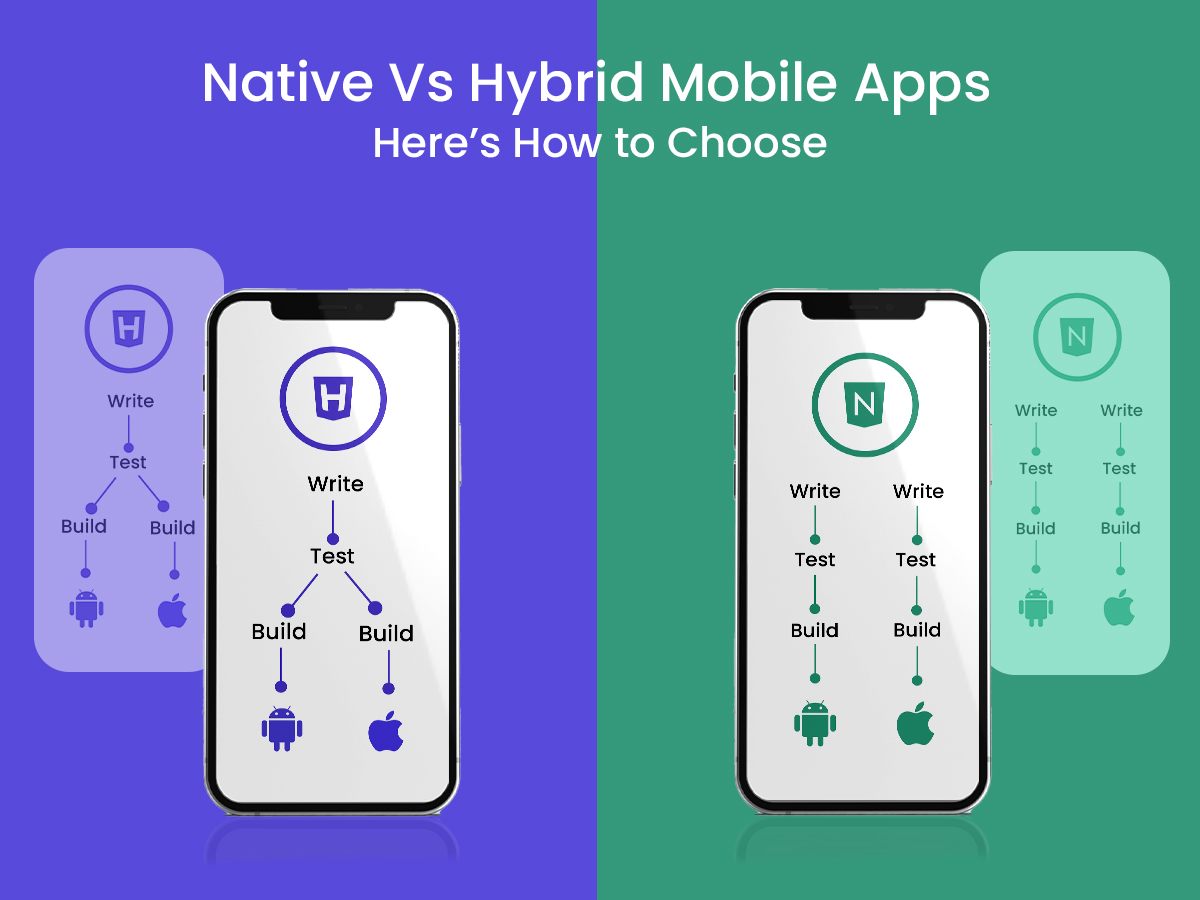
In the past, we had Native Apps. These are built specifically for one system (like iOS or Android). If you wanted your app on both, you had to hire two different teams and write two different sets of code.
On the other side, we had Web Apps. These are basically websites that look like apps but run inside a phone’s browser. They are cheap to make but often feel slow and cannot use phone features like the camera or GPS very well.
Hybrid App Development combines these two. Developers write the code once using web-friendly languages (like JavaScript or Dart). This code is then "wrapped" in a native shell. To the user, it looks and feels like a regular app they downloaded from the App Store. To the business, it is one single project that works everywhere.
Why 2026 is the Year of the Hybrid App
By 2026, the gap between hybrid and native performance has almost disappeared. Modern frameworks like Flutter and React Native have become so advanced that most users cannot tell the difference.
For a business owner, this means you no longer have to sacrifice quality to save money. Whether you are a small start-up or a growing company looking for a custom mobile app development agency in Dubai, hybrid development offers a balanced path forward.
Key Benefits of Hybrid Apps for Your Business
1. Massive Cost Savings
This is usually the biggest reason businesses choose hybrid apps. Since you only develop one codebase, you don't need to pay for two separate development cycles. You save money on:
Hiring: You need one team of experts instead of two.
Development hours: Building one app takes much less time than building two.
Initial investment: You can get your product into the hands of users for a fraction of the cost of native development.
2. Faster Time-to-Market
In today’s business world, being first matters. If you have a great idea, you want to launch it before your competitors do. Because hybrid apps use a single codebase, the "build" phase is much faster. You can launch on both the Apple App Store and Google Play Store at the exact same time.
3. Easier Maintenance and Updates
Apps are never "finished." You will always want to fix bugs, add new features, or change the design based on user feedback.
With a native approach, every update has to be done twice. With a hybrid app, you update the code once, and the changes apply to all users across all devices. This keeps your maintenance costs low for years to come.
4. Consistent User Experience
When you have two different teams building two different native apps, they sometimes end up looking or acting slightly differently. Hybrid development ensures that your brand looks exactly the same on an iPhone as it does on a Samsung Galaxy. This consistency helps build trust with your customers.
Comparing Hybrid vs. Native: A Simple View
It helps to see the differences clearly. Here is how they compare in 2026:
Development Cost: Hybrid apps have a lower cost because you only build one version. Native apps are more expensive because you need two separate versions.
Launch Speed: Hybrid apps are very fast to launch. Native apps take longer to develop and release.
Maintenance: Hybrid apps are simple and cheap to keep updated. Native apps are complex and more expensive to maintain.
Device Access: Both hybrid and native apps now have full access to phone features like the Camera, GPS, and Bluetooth.
Best Usage: Hybrid is best for most business and e-commerce apps. Native is still preferred for high-end 3D games or heavy video editing tools.
Practical Examples of Hybrid Success
Many of the most famous apps you use every day are actually hybrid or cross-platform.
Instagram: It uses hybrid technology to ensure that its many features (filters, stories, and shopping) work perfectly for millions of users on different devices.
Uber: By using a shared codebase, Uber can push updates to drivers and riders instantly across the globe.
E-commerce Stores: Most local shopping apps use hybrid development because it allows them to sync their online inventory with the mobile app easily without spending a fortune.
For businesses in competitive markets, working with a custom mobile app development agency in Dubai to build a hybrid app can provide a professional, high-quality tool that helps you compete with much larger companies.
When Should You Choose Hybrid?
While hybrid is great, it is important to be practical. You should choose hybrid development if:
You want to reach both Android and iOS users.
You have a specific budget and want to spend it wisely.
Your app is focused on content, shopping, services, or business tasks.
You want to test an idea in the market quickly.
On the other side, if you are building a very high-end 3D game that needs every bit of the phone’s processing power, native might still be the better choice. But for 90% of business needs in 2026, hybrid is the winner.
Scalability: Growing with Your Business
A common worry for business owners is: "Will my app break if I get too many users?"
In 2026, hybrid apps are highly scalable. Because they are often built with "cloud-native" structures, they can handle thousands or even millions of users easily. As your business grows from 100 customers to 100,000, your hybrid app can grow with you. You can add new features, integrate AI chatbots, or connect to different payment systems without having to rebuild the entire app from scratch.
Conclusion
Choosing how to build your mobile app is a big decision. In 2026, hybrid app development has reached a "sweet spot" where it offers the best value for your money. It is fast, affordable, and provides a great experience for your customers.
By choosing a hybrid approach, you are not just saving money today; you are setting your business up for an easier future with simpler updates and a consistent brand image. If you want to stay competitive and provide your customers with a modern tool they will love to use, hybrid is the way to go.