


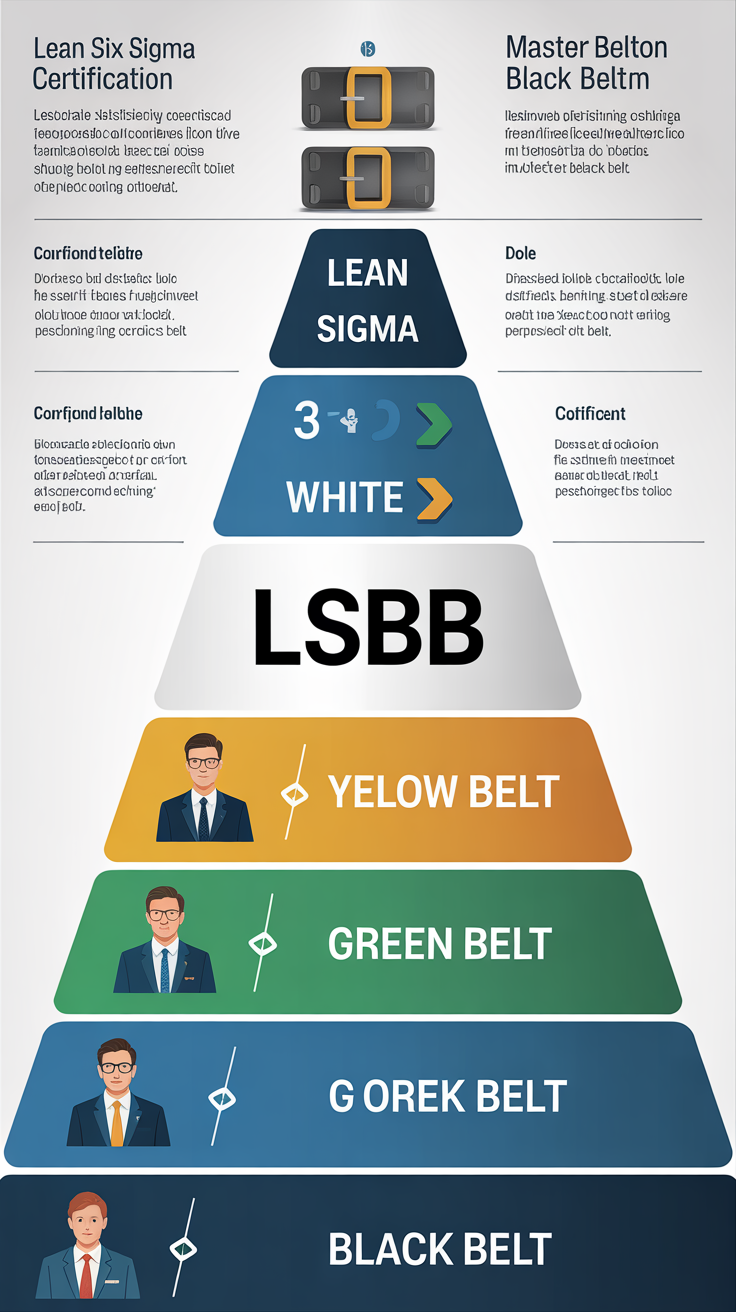
The Lean Six Sigma Black Belt (LSSBB) is the "master builder" of the Lean Six Sigma hierarchy. While other certifications focus on participation or localized improvement, the Black Belt is defined by strategic scope, statistical depth, and the "Multiplier Effect" of leadership.
Here is how the LSSBB differs from the rest of the pack:
1. From "Participant" to "Architect"
Yellow/Green Belts: These are typically part-time roles. They focus on executing specific, well-defined tasks within a larger project. They are the "frontline soldiers" of the quality movement.
Black Belts: This is almost always a full-time, dedicated professional role. A Black Belt doesn't just work on a project; they define the project architecture, manage the cross-functional resources, and ensure the improvement aligns with the company’s "Strategic North Star."
2. Statistical Rigor vs. Basic Application
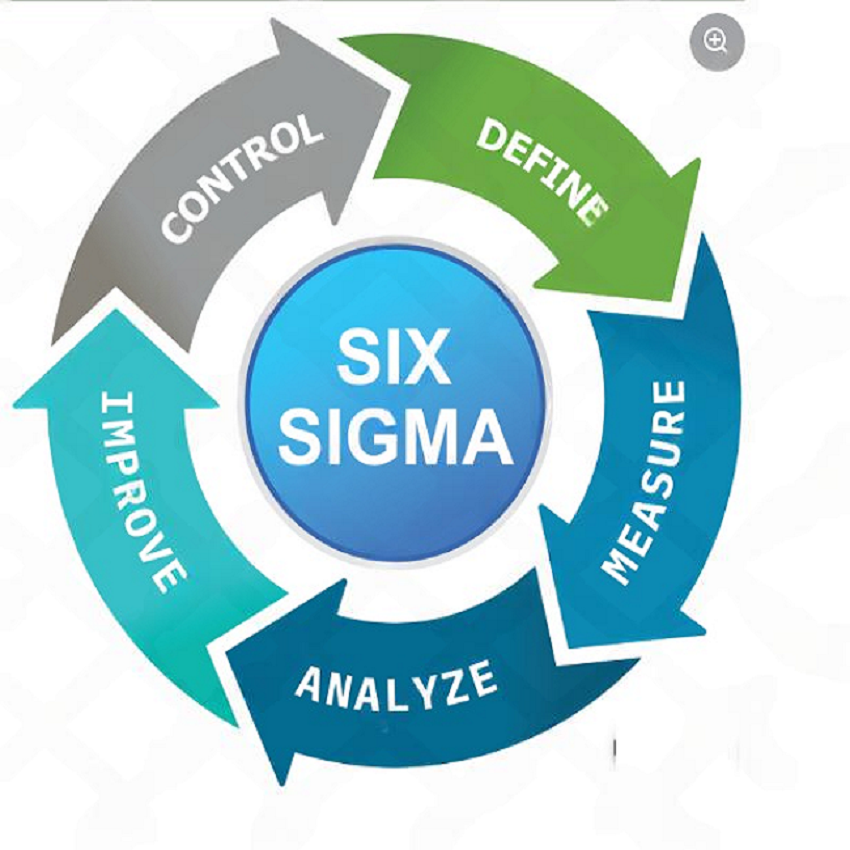
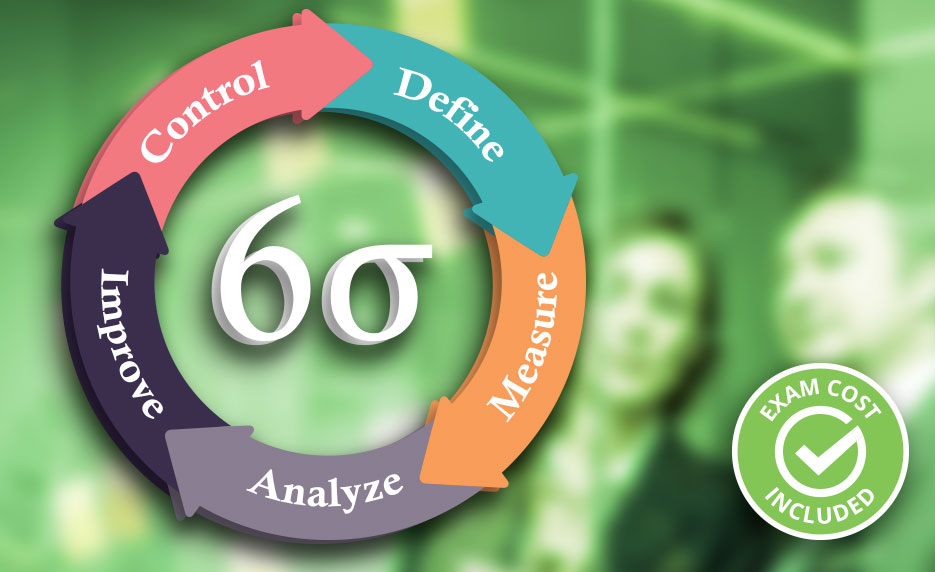
While Green Belts are proficient in the core DMAIC framework, they often rely on descriptive statistics (telling you what happened). Black Belts are required to master inferential statistics (telling you why it happened and predicting what will happen next).
Inferential Tools: Black Belts must master Hypothesis Testing, ANOVA, and Regression Analysis. They use $P$-values to prove, with mathematical certainty, that a change to a process will yield a specific result.
Design of Experiments (DOE): This is a defining tool for Black Belts. While lower belts focus on one factor at a time, Black Belts use DOE to test multiple process variables simultaneously to find the "golden recipe" for efficiency.
3. The "Multiplier Effect" (Mentorship)
The most significant differentiator is the mandate to train others.
A Green Belt is responsible for their own project results.
A Black Belt is measured by the success of the Green and Yellow Belts they mentor. By coaching 3–5 junior team members annually, the Black Belt scales the culture of quality across the entire enterprise, creating a force-multiplier effect that lower-level certifications cannot match.
4. Financial & Strategic Authority
Black Belts are trained to translate operational "noise" into "bottom-line impact."
Cost of Poor Quality (COPQ): Black Belts are experts at quantifying the revenue lost to inefficiencies ($150k–$500k+ per project).
Executive Presence: Unlike lower-level belts, Black Belts must be able to translate complex data into business strategy for the C-suite. They use Force Field Analysis to navigate the human and political barriers to change that often stall lesser projects.
Comparison Summary: The Hierarchy of Impact
Feature
Yellow/Green Belt
Black Belt
Role Focus
Tactical / Project Execution
Strategic / Operational Architecture
Data Capability
Descriptive (What)
Inferential / Predictive (Why/What Next)
Leadership
Individual Contributor
Mentor / Change Agent
ROI Scope
Localized / Process Task
Enterprise / Bottom-line Profit
Professionals are considered Six Sigma White Belts if they have not undergone a formal certification program or extended training.
A single session with an overview of relevant methods and vocabulary for lean six sigma certification shows workers at all levels of an organization how they contribute to efficient, reliable outcomes.
With this basic grounding, White Belts participate in projects and problem-solving tasks related to quality management and waste reduction.Read More About...
