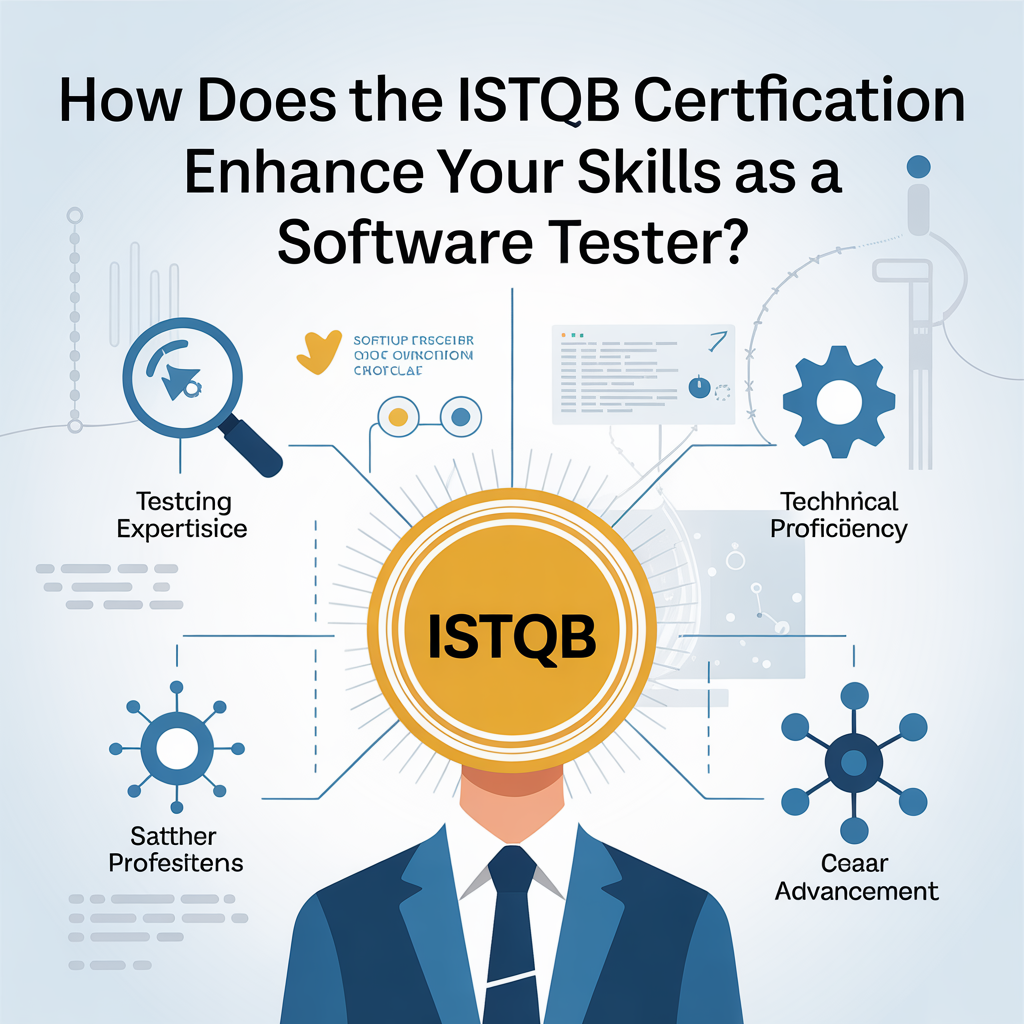
ISTQB certification isn't just a badge for your resume; it fundamentally shifts your mindset from "finding bugs" to "managing quality risks." By standardizing how you approach testing, it transforms your role from a tactical activity into a strategic engineering discipline.
Here is how it enhances your core skills:
1. Mastery of Structured Test Design
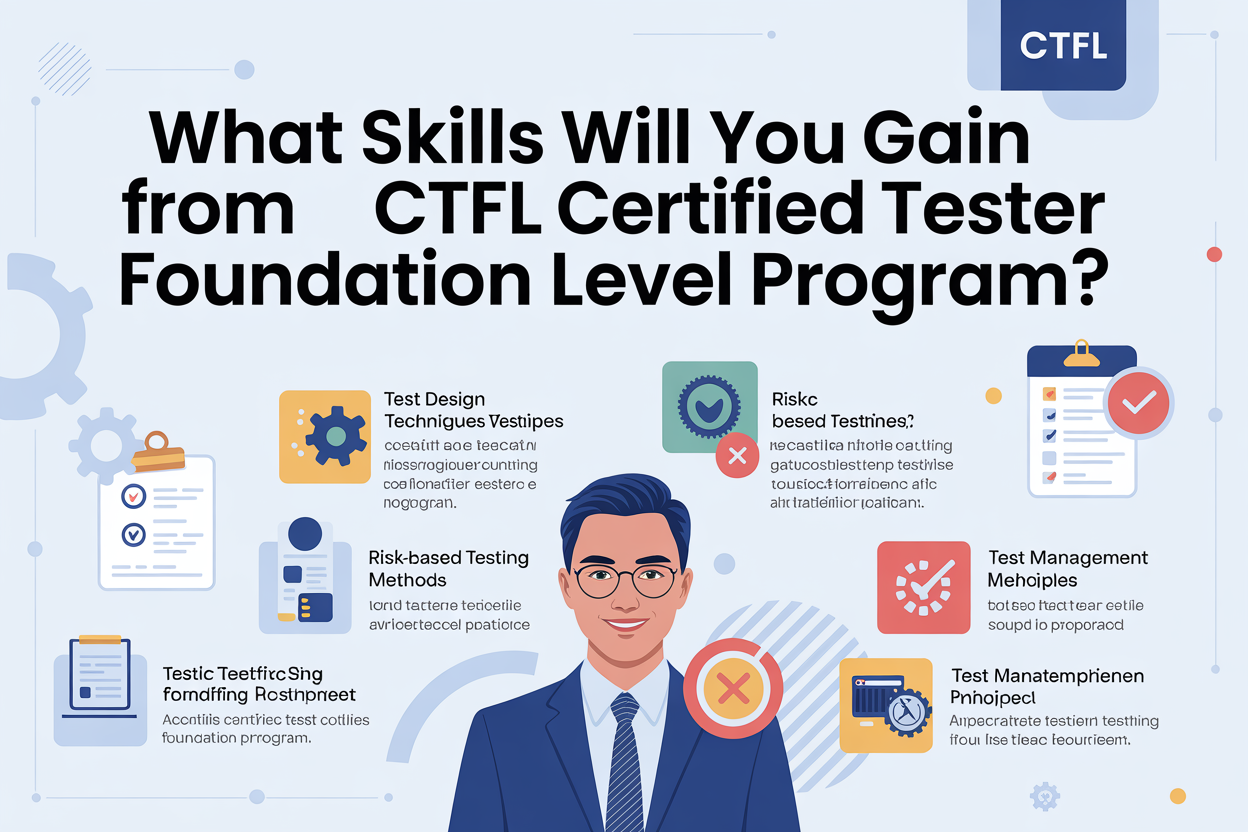
Many testers rely on intuition, which often leads to "blind spots." The CTFL syllabus forces you to master formal Test Design Techniques, allowing you to create tests that are mathematically defensible. You will learn to use:
Boundary Value Analysis: To catch errors at the limits of input ranges.
Decision Table Testing: To handle complex business logic where multiple conditions interact.
State Transition Testing: To map out how software behaves across different states.
2. Risk-Based Testing Approach
One of the most valuable skills you gain is the ability to prioritize. The certification teaches you to analyze software risks, helping you decide which areas of an application require the most rigorous testing and which can be covered more lightly. This makes you significantly more efficient at delivering value under tight deadlines.
3. Understanding the Full SDLC
You will gain a clear view of how testing integrates into various development models, from Waterfall to Agile/DevOps. You learn how to shift left—identifying defects during the requirements or design phase—which is drastically cheaper and faster than finding them post-release.
4. Precision in Documentation
Clear documentation is often the difference between a high-performing team and a chaotic one. ISTQB provides the templates and standards for:
Test Plans: Defining scope and approach.
Test Condition & Case Creation: Ensuring traceability back to requirements.
Incident Reporting: Writing bug reports that developers can actually reproduce and fix without back-and-forth emails.
5. Cultivating a "Quality" Mindset
The certification emphasizes that quality is not just about the code; it’s about the process. You learn to analyze why a bug happened, not just what the bug is, enabling you to suggest improvements to the development process itself.
Summary of Skill Shift
Before Certification
After Certification
Intuitive/Ad-hoc testing
Systematic/Technique-driven
Reactive (finding bugs)
Proactive (preventing defects)
Testing in isolation
Integrated into the full SDLC
Informal bug reporting
Traceable and standardized documentation