


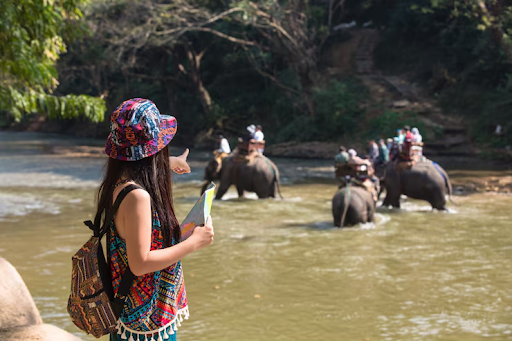
Wildlife photography is one of the most challenging and rewarding forms of photography. Capturing animals in their natural habitat requires patience, skill, and access to the right locations. That’s why many photographers—both beginners and professionals—join wildlife photography tours. These tours provide expert guidance, access to remote locations, and opportunities to capture incredible wild photography that is difficult to achieve alone.
However, not all tours deliver the same value. Some are designed for casual travelers with a camera, while others are serious photography expeditions. Choosing the wrong one can mean poor lighting conditions, limited wildlife sightings, and overcrowded shooting locations. Here’s how to choose the right wildlife photography tour so your investment actually produces the results you want.
Understand the Purpose of the Tour
First, be clear about what type of experience you want. Many tours marketed as photography trips are actually general wildlife safaris where photography is just an add-on. If photography is your priority, look for tours specifically designed for photographers.
A genuine wildlife photography tour focuses on:
- Optimal shooting times (sunrise and sunset)
- Vehicles positioned for the best angles
- Longer stops for photography instead of quick sightseeing
- Smaller groups for better shooting space
Providers like trogon photo tours often structure trips around photographic opportunities rather than tourism schedules. That difference alone can determine whether you come home with portfolio-quality images or basic snapshots.
Evaluate the Destination and Wildlife Opportunities
The location of the tour is critical. Some destinations offer reliable wildlife sightings, while others are unpredictable.
Before booking, research:
- The species you want to photograph
- The season when animals are most active
- Weather and lighting conditions
- Habitat accessibility
For example, tropical forests may offer incredible biodiversity but can present challenges such as low light and dense vegetation. On the other hand, open savannas or wetlands provide clearer sightlines and easier opportunities for capturing wild photography photos.
A good tour operator will clearly explain what wildlife species you are likely to encounter and the realistic expectations for photography.
Check the Experience of the Photography Guide
One of the biggest mistakes photographers make is choosing a tour led by a general wildlife guide rather than an experienced photography instructor.
The guide should understand:
- Camera settings for wildlife
- Tracking animal behavior
- Positioning vehicles for light and composition
- Helping participants improve their shots
Look for guides with a strong photography portfolio and proven experience leading wildlife photography tours. If the operator can’t show examples of professional-quality images taken during their tours, that’s a red flag.
Look at Group Size
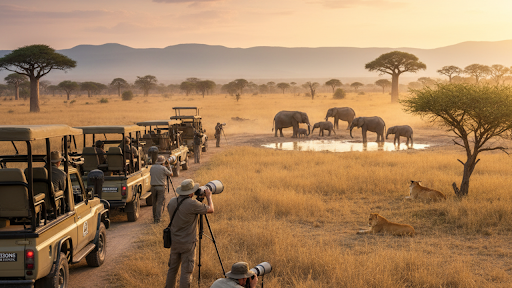
Group size directly impacts your photography opportunities. Large groups may mean:
- Limited space in vehicles
- Less time per shooting position
- Difficulty getting clear angles
The best wildlife photography tours usually limit groups to small numbers—often four to six photographers per vehicle. Smaller groups allow each participant to shoot comfortably and give guides time to offer individual advice.
If a tour advertises photography but allows 12–15 people in a group, it’s likely focused more on tourism than photography.
Review the Itinerary Carefully
Many people skim the itinerary and focus only on the destination. That’s a mistake.
A strong photography itinerary should include:
- Multiple daily wildlife drives
- Early morning and late afternoon shooting sessions
- Flexible schedules based on wildlife activity
- Time for reviewing and discussing photos
If the itinerary includes lots of unrelated sightseeing or long travel days, it reduces actual photography time.
High-quality wildlife photography tours prioritize time in the field rather than time in hotels or tourist attractions.
Consider Logistics and Equipment Support
Wildlife photography often involves large telephoto lenses, tripods, and specialized gear. A professional tour should be designed to accommodate photographers and their equipment.
Important logistical considerations include:
- Vehicles with open or photographic roofs
- Stable beanbags or mounts for lenses
- Knowledge of camera-friendly positioning
- Charging stations for batteries
If the tour operator hasn’t thought about these details, photographers may struggle to capture quality images.
Research Reviews and Past Participant Feedback
Marketing pages always look impressive. Real insights come from past participants.
Look for reviews that mention:
- Wildlife sightings
- Guide expertise
- Group size and organization
- Photography opportunities
Pay particular attention to whether participants actually improved their photography or captured memorable shots. That’s the real measure of a successful wildlife photography tour.
If possible, search for images taken by previous tour participants. Authentic tours produce strong photographic results.
Compare Price vs. Value
Price matters, but it shouldn’t be the only factor. Cheap tours often cut corners with large groups, inexperienced guides, or poorly planned itineraries.
Instead of focusing on cost alone, evaluate:
- Number of days in the field
- Guide expertise
- Group size
- Wildlife access
- Photography-focused logistics
A slightly more expensive tour that provides better access and guidance will almost always deliver better results.
Final Thoughts
Choosing the right wildlife photography tours requires more than picking an exciting destination. The quality of the guide, group size, itinerary, and logistics all determine whether you return home with extraordinary images or just average travel photos.
Before booking, research carefully, ask detailed questions, and review past results. Tours like trogon photo tours that prioritize photography, wildlife access, and expert guidance often provide the best environment for capturing stunning wild photography photos.
With the right tour, photographers gain not only incredible images but also valuable experience observing wildlife and improving their skills in the field.



Nature photography is a wide range of photography taken outdoors and devoted to displaying natural elements such as landscapes, wildlife, plants, and close-ups of natural scenes and textures.
Nature photography emphasizes the aesthetic value of the photo than other photography genres, such as photojournalism and documentary photography.Several ethical concerns and debates surround the creation of nature photography.
Common issues involve the potential of stress or harm to wildlife, the possibility of photographers overrunning and destroying natural areas, the use of game farms, and integrity and manipulation in photography.
Also, photographers' information on social media of endangered species' location leads to poachers using this information to hunt these animals.Wildlife photography is a genre of photography concerned with documenting various forms of wildlife in their natural habitat.
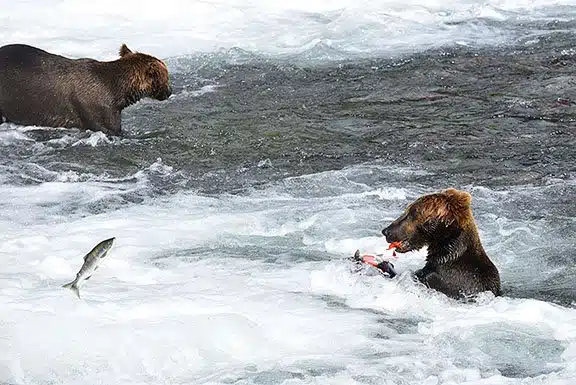
The animals are often photographed in action, such as eating, fighting, or in flight.
Alternatively, more static portraits may be used to show the animal's detail or depict it in its environment.