

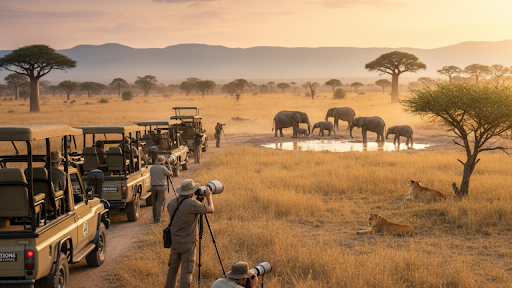
Wildlife photography tours are a thrilling way to capture the beauty of nature, but they come with their own set of challenges. Whether you're a seasoned photographer or a beginner, avoiding common mistakes can make all the difference between getting a handful of great shots and returning home empty-handed.
Here are some common mistakes to avoid so that you can return with not only memories but also images worth framing.
1. Ignoring Research Before the Trip
A common mistake many beginners make is skipping the research phase before their photography trips. Every destination has its own unique wildlife. The more you know ahead of time, the better prepared you’ll be.
Learn about the types of animals you’re most likely to encounter.
Understand their behavior, feeding patterns, or migration habits.
Study the weather and light conditions you’ll face in the field.
2. Inadequate Gear Preparation
Another common mistake is not bringing the right gear or not being fully prepared for unexpected situations.
Why it’s essential: Wildlife can be unpredictable. You need gear that can handle a variety of conditions and subjects.
What to do: Always bring a telephoto lens for capturing distant animals, a wide-angle lens for landscapes, and a sturdy tripod for stability. Also, don’t forget extra memory cards, batteries, and lens cleaning tools.
Tip: Test all your equipment before the trip to ensure everything is in working order.
3. Getting Too Close to Animals
It’s thrilling to see wildlife up close, but getting too close can disturb the animal and even put you at risk. Intruding on their space can alter their natural behavior, which undermines the purpose of wildlife photography.
Why it’s important: Getting too close can harm both you and the animal, compromising the authenticity of your photos.
What to do: Always follow ethical guidelines and respect safe distances. Use a telephoto lens to capture wildlife from a distance without disturbing it.
Tip: Use a telephoto lens to get close-up shots while maintaining a safe and respectful distance.
4. Overpacking
Packing too much gear or unnecessary items can weigh you down and hinder your mobility, especially in remote areas.
Why it’s essential: Extra gear can become a burden, making it difficult to move quickly when a great photo opportunity arises.
What to do: Pack only essential gear. Choose versatile items like a multi-purpose lens or a lightweight camera bag for easy access to your equipment.
Tip: Lighten your load by packing compact, travel-friendly equipment.
5. Neglecting to Adapt to Changing Conditions
Wildlife photography is an unpredictable experience. Weather, light, and animal behavior can change quickly, and failure to adapt can lead to missed opportunities.
Why it’s important: Being unprepared for changes can result in poor-quality photos or even missed moments.
What to do: Be flexible. If the light changes, adjust your camera settings. If an animal moves to a different location, follow it without hesitation.
Tip: Use the camera's auto settings for quicker adjustments in fast-changing environments.
6. Not Listening to the Guide
Guides are experts who understand the terrain, wildlife, and animal behavior. Not paying attention to their advice can lead to missed sightings or disrupt the group's flow.
Why it’s important: Guides help you spot wildlife, ensure safety, and enhance your photography experience.
What to do: Trust their expertise, follow their advice, and ask questions for better insight.
Tip: Engage with your guide to learn valuable tips and maximize your opportunities.
7. Lack of Patience
Wildlife doesn’t follow a schedule, and expecting constant action can lead to frustration.
Why it’s important: Patience is key. Many stunning shots come from waiting quietly and observing.
What to do: Use downtime to adjust settings, observe behaviors, and prepare for unexpected moments.
Tip: Enjoy the process and be patient—wildlife photography is about waiting for the perfect shot.
8. Ignoring Backup Plans
Technology can fail unexpectedly—memory cards can corrupt, batteries die, and luggage can be delayed.
Why it’s important: Without backups, a simple issue can ruin your trip.
What to do: Bring extra memory cards, batteries, and a backup camera. Regularly back up your photos to avoid losing your shots.
Tip: Pack extra gear to ensure you're prepared for any technical mishap.
Conclusion
Wildlife photography tours are incredible opportunities, but they come with challenges that require preparation and mindfulness. By avoiding common mistakes like skipping research, overpacking, or disturbing animals, you’ll have a more successful and ethical experience. Most importantly, enjoy the adventure. After all, these photography trips are about capturing both the beauty of wildlife and your journey in the wild.