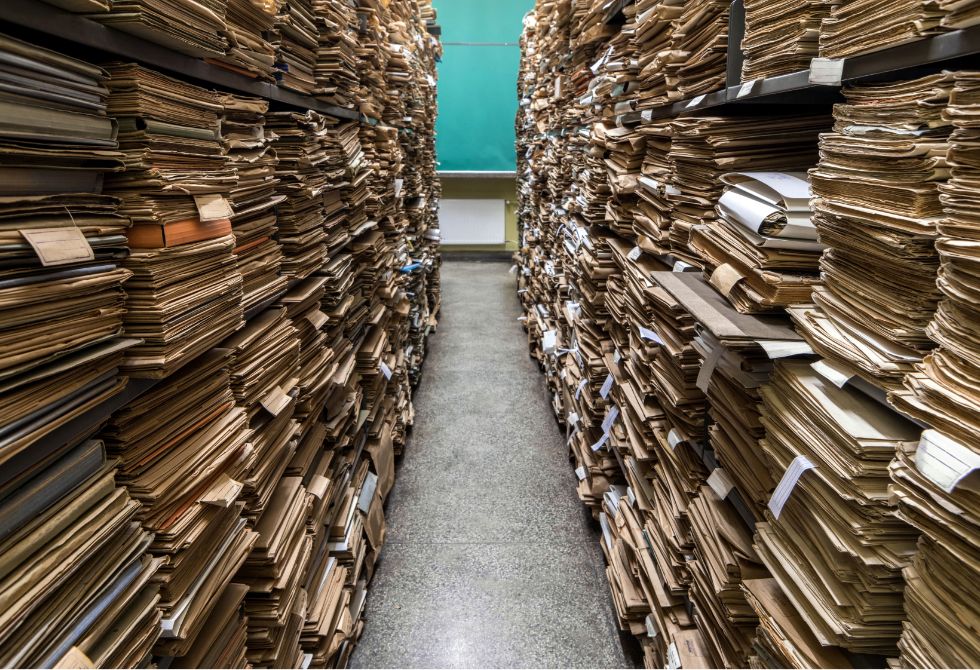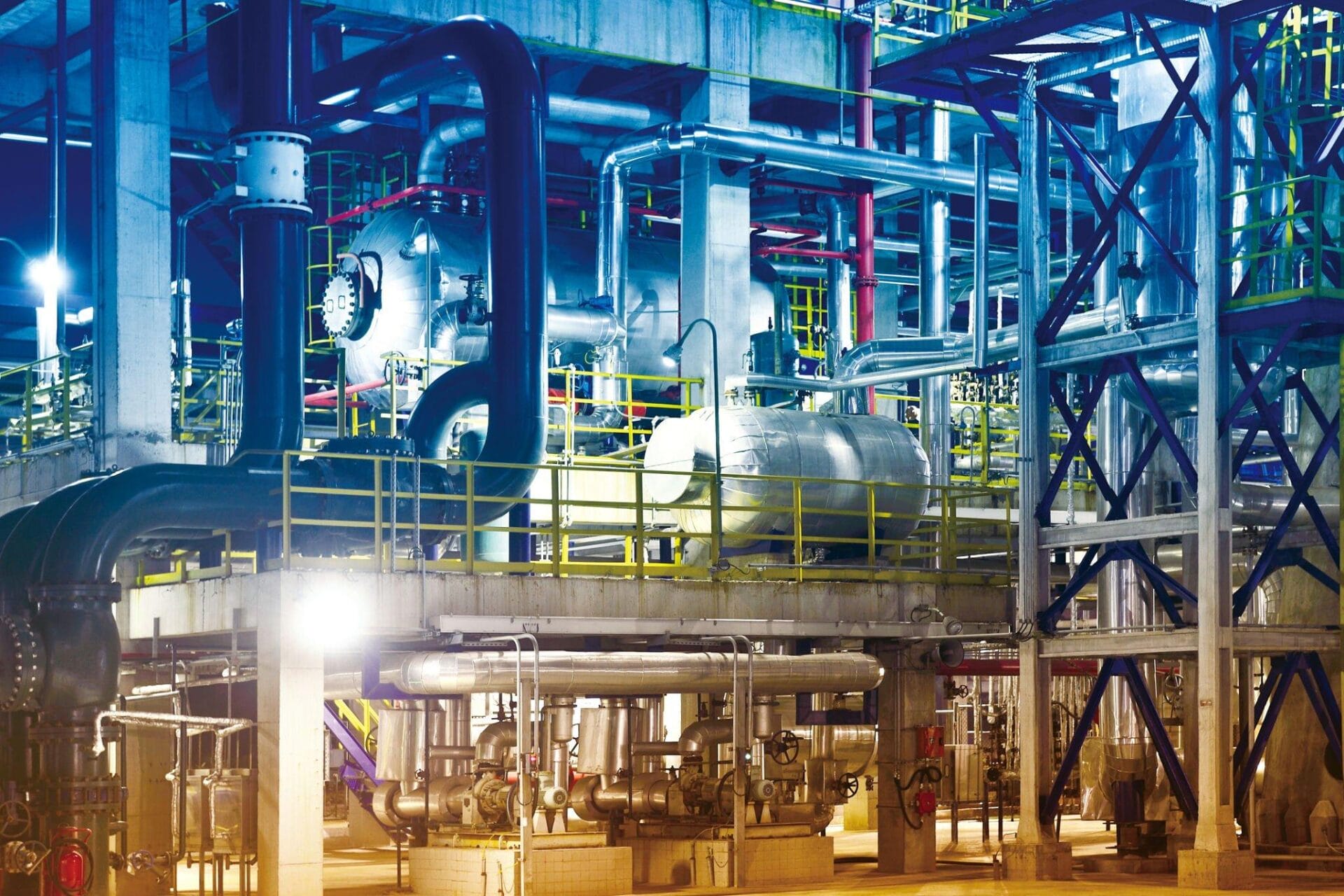
In many industries, hazards don’t appear suddenly.
They grow quietly—day by day—until one incident exposes years of neglect.
A loose cable near a machine.
A blocked fire exit used as storage.
A control panel that overheats “sometimes.”
None of these feel urgent. Until the day they are.
Why Industrial Hazards Are Often Ignored
Most industrial accidents don’t happen because people are careless. They happen because unsafe conditions become familiar.
- Workers adapt to risks instead of fixing them
- Temporary arrangements turn permanent
- Maintenance is delayed to avoid downtime
- “It hasn’t failed yet” becomes the safety strategy
Over time, this creates a false sense of security.
Common Hazard Areas in Industrial Facilities
Across manufacturing plants, warehouses, and process industries, the same hazard patterns keep repeating:
1. Electrical Hazards
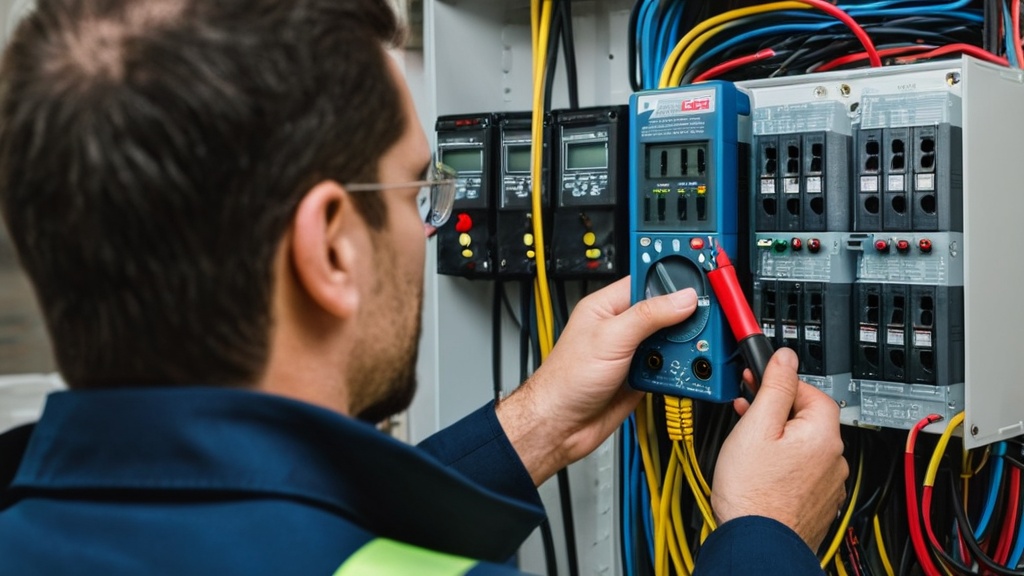
Overloaded panels, loose terminations, damaged insulation, and untested earthing systems often operate unnoticed until overheating or short circuits occur.
2. Fire Hazards
Obstructed exits, expired extinguishers, non-functional alarms, poor housekeeping, and missing fire compartmentation increase fire spread and evacuation risk.
3. Mechanical & Equipment Hazards
Unguarded moving parts, worn belts, missing emergency stops, and poor lockout/tagout practices expose workers to serious injuries.
4. Chemical & Process Hazards
Improper storage, missing MSDS, inadequate ventilation, and lack of spill response planning create invisible but dangerous exposure risks.
5. Human & Behavioral Hazards
Fatigue, lack of training, shortcuts, and unclear procedures often contribute more to incidents than equipment failure.
The Real Cost of Ignoring Hazards
When safety is compromised, the impact goes far beyond compliance fines.
- Production shutdowns
- Equipment damage
- Legal liability
- Loss of skilled manpower
- Reputation damage
- In severe cases, loss of life
The irony? Most of these losses cost far more than prevention.
Why Hazard Safety Audits Matter
A proper hazard safety audit doesn’t just point out problems—it reveals risks you’ve learned to ignore.
Audits help industries:
- Identify hidden and emerging hazards
- Prioritize risks based on severity, not convenience
- Improve compliance with statutory requirements
- Reduce near-misses before they become accidents
- Build a proactive safety culture
Good audits focus on systems, behavior, and real-world conditions—not just paperwork.
Safety Is Not a One-Time Activity
Installing safety equipment once doesn’t make a facility safe forever.
Hazards evolve as operations change.
New machines.
Higher loads.
Different materials.
New workers.
This blog is technically authored and peer-reviewed by certified Elion HAZARD safety professionals, ensuring compliance with applicable fire codes, statutory requirements, and recognised industry best practices. The content is intended to support informed decision-making and responsible fire safety management.

Šis klausimas, tikriausiai, aktualus kiekvienam turinčiam automobilį, kadangi padangos neatsiejama jo dalis.
Ir nors universalios padangos siūlo išspręsti jų keitimo nepatogumą, tačiau daugumos pasirinkimas vis dar yra vasarinės padangos ir žieminės padangos, o jų keitimas žmonėms nesukelia tokių didelių problemų.
Ir tokį pasirinkimą lemią saugumo bei racionalumo faktorius.
Logiška, kad atitinkamam sezonui pritaikytos padangos tarnaus patikimiau, negu tos, kurios pritaikytos visiems orams.
Nors šioje vietoje dar labai daug priklauso ir nuo pačių padangų, jeigu jos bus susidėvėję ar prastesnės kokybės, atitinkamai mažės ir jų atliekamos funkcijos kokybė.