




Healthcare saves lives—but it also produces a surprising amount of waste. From used syringes to contaminated gloves, managing this waste isn’t just about cleanliness—it’s about safety, compliance, and responsibility. If you’re new to the field, understanding medical waste disposal services is essential to keep your facility safe and running smoothly (and to avoid turning your clinic into a real-life horror story).
Let’s break it down in a simple, slightly entertaining way.
What Is Medical Waste?
Medical waste refers to any waste generated during healthcare activities that may be infectious, hazardous, or harmful to people and the environment.
Common types include:
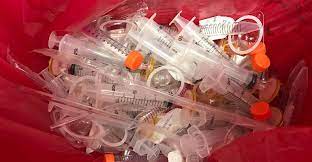
Used needles and sharps (yes, the scary ones)
Blood-soaked bandages
Contaminated PPE (gloves, masks, gowns)
Laboratory waste
Expired or unused pharmaceuticals
If it looks like something you wouldn’t want to accidentally step on—or worse, reuse—it likely belongs in medical waste.
Why Proper Disposal Matters
Improper disposal isn’t just “a bit messy”—it can have serious consequences:
Health risks: Spreading infections like hepatitis or other bloodborne diseases
Environmental damage: Contaminating soil and water
Legal trouble: Non-compliance with regulations can lead to heavy fines
Reputation damage: Nobody wants to visit a clinic known for poor hygiene
In short, medical waste should never be treated like regular trash. (Your office bin is not a superhero—it cannot handle this job.)
How Medical Waste Disposal Services Work
Professional medical waste disposal services are designed to handle waste safely and in compliance with regulations.
Typical process:
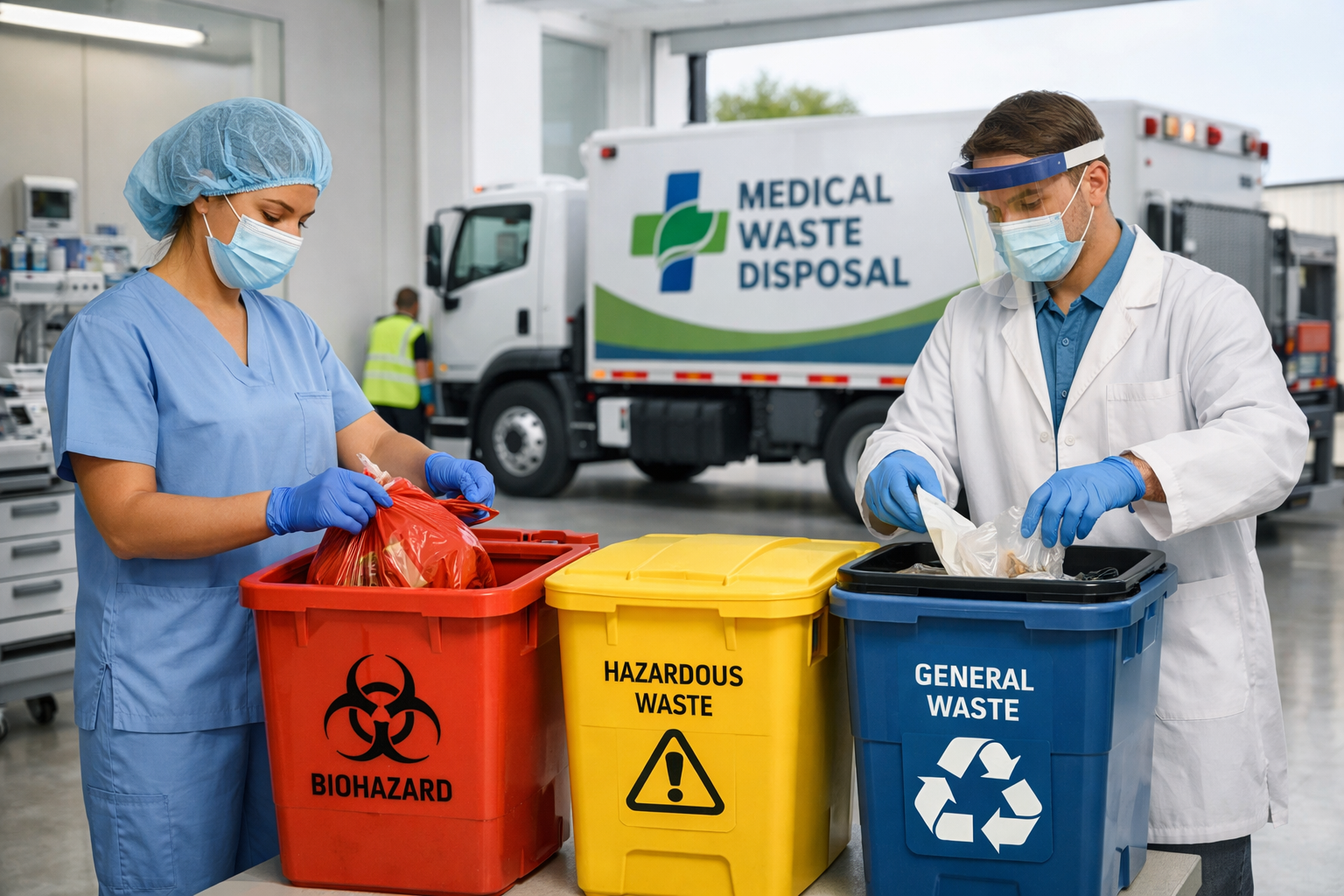
Segregation – Waste is sorted at the source (color-coded bins are your best friend)
Collection – Licensed professionals collect waste on a scheduled basis
Transportation – Waste is transported in secure, compliant vehicles
Treatment – Methods like incineration or autoclaving are used
Disposal – Final disposal is done safely and legally
This system ensures that waste is handled without risking public health.
Dental Clinical Waste Disposal
Dental clinics generate a unique type of waste that requires special handling. dental clinical waste disposal includes items like:
Extracted teeth (yes, they still count as medical waste!)
Blood-contaminated materials
Dental amalgam (contains mercury)
Sharps used in dental procedures
Proper disposal in dental practices is crucial to prevent environmental contamination, especially from mercury-based materials.
Tips for Healthcare Providers
Here are some practical tips to keep your waste management in check:
Always use labeled and color-coded bins
Never mix general waste with medical waste
Train staff regularly on disposal procedures
Partner with certified medical waste disposal services
Maintain proper documentation for compliance audits
Think of waste management as part of patient care—just the behind-the-scenes kind that patients never see but definitely benefit from.
Final Thoughts
Medical waste disposal might not be the most glamorous part of healthcare, but it’s one of the most important. With the right systems and a reliable disposal partner, you can ensure safety, compliance, and peace of mind.
After all, running a healthcare facility is hard enough—you don’t need your trash making things more complicated.
And remember: when it comes to medical waste, “out of sight” should always mean “properly disposed”—not “mysteriously forgotten behind the building.”
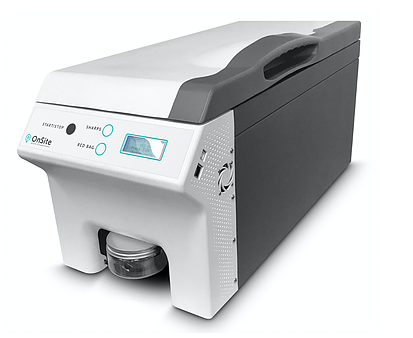
Alongside the pressure to ensure people are healthy and fit, there will also be increasing pressure to look for medical waste disposal solutions that are safe, eco-friendly, and healthy.
When you talk about medical waste, it encompasses the following:Solid waste- towels, gloves, non-sharp itemsLiquid waste- blood and other bodily fluidsSharp Waste- syringes, broken glass, scalpels, needlesPathological waste- human tissues, organs, and other partsAll of these can endanger and contaminate our environment and health if not disposed of properly.Effects of Medical Waste on the EnvironmentImproper separation of different forms of medical waste from the origin point causes a domino effect on the surroundings and environment that sustains dangers to natural resources such as soil & water, people, and animals.
Improper disposal of medical waste can contaminate groundwater that infects human life and animals, including other life forms on earth.
Medical waste ranging from hospital waste to storage receptacles & landfills need to be kept away from rodents, birds, stray animals, and humans.
In addition, it enhances the labeling and packaging of contaminants along with prevention of the illness from spread through animal and human populations by land, air, and water.
In addition, radioactive particles are produced through diagnostic technologies that can reach to landfill and other parts of the environment that can cause several diseases and illnesses.