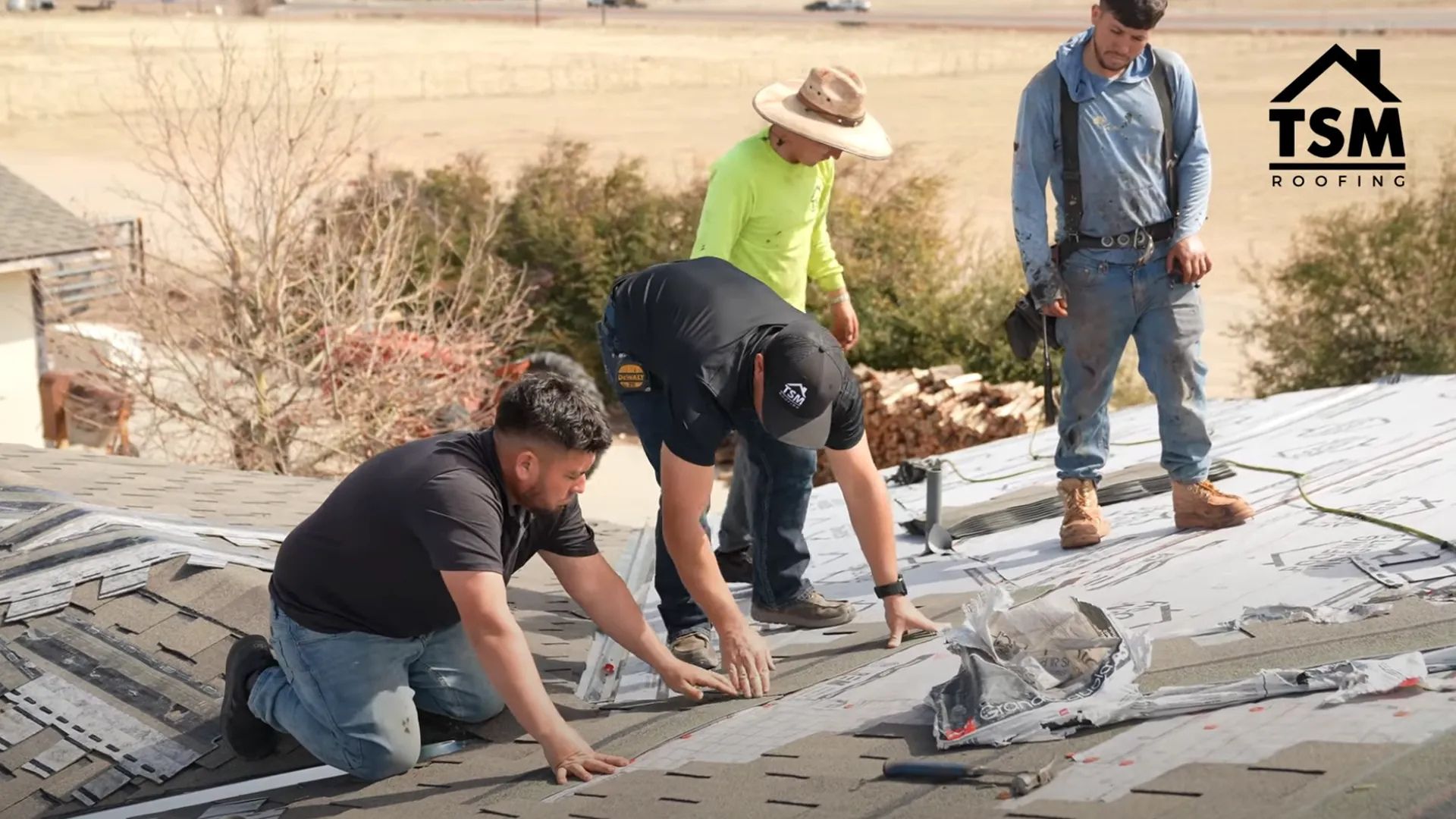
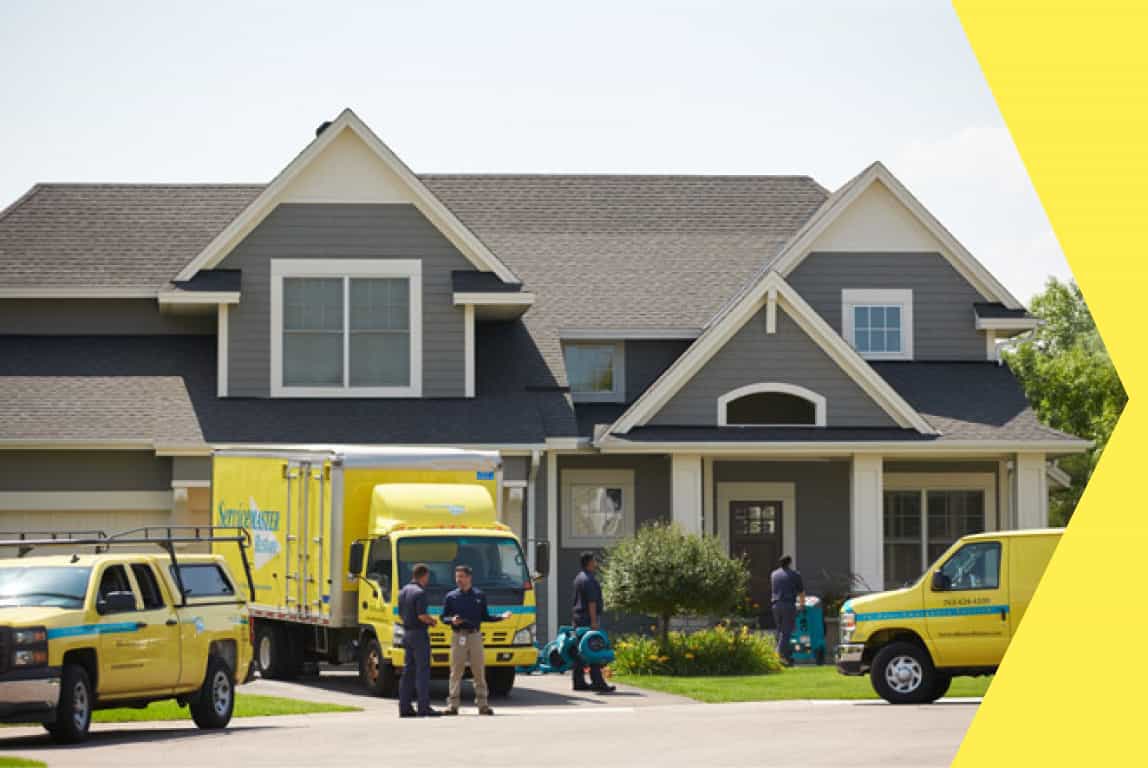
When storms hit and shingles go missing, a steep roof can turn a small leak into a major emergency within minutes. Roof tarping services provide a critical first line of defense, buying time until permanent repairs can be completed. Whether you manage a commercial property or own a steep-slope residential home, understanding how emergency roof leak repair works—especially on high-pitch roofs—can help you act quickly, stay safe, and limit damage.
Steep roofs pose unique risks and technical challenges. The same slope that enhances drainage and curb appeal also increases fall hazards, complicates access, and demands specialized gear and training. For homeowners and facilities managers, the key is knowing when to call a roof leak hotline, what a fast-response roofing team will do on arrival, and how to prepare your property for temporary roof repairs.
Safety First: Why Steep Roofs Require Specialized Response
Elevated fall risk: Steeper pitches reduce foot traction and increase sliding force. Professional crews use fall-arrest systems, roof jacks, walk boards, ladder stabilizers, and anchor points to maintain safe footing. Weather volatility: Emergency roof patching often happens in the aftermath of wind, rain, or hail. Wet shingles are slick. Crews may delay ascent during active lightning or high winds and perform ground-based leak containment solutions indoors until conditions improve. Structural uncertainty: Damage from tree limbs or uplifted decking can make surfaces unstable. Experienced technicians probe the substrate and identify safe bearing areas before stepping off the ladder. Material management: On steep slopes, tarps, sandbags, and battens can shift if not secured correctly. Crews use reinforced tarps, proper overlap, wind-direction planning, and mechanical fastening (where appropriate) to ensure stability without causing additional damage.
What You Can Expect During a Professional Tarp Installation 1) Triage via phone:
When you call a roof leak hotline or a Modesto emergency roofer, be ready to describe the roof pitch, roofing material (asphalt shingles, tile, metal), visible damage, and any interior leaks. Photos help the dispatcher size the crew and select equipment. You’ll receive guidance for immediate water damage mitigation inside—like moving valuables, placing buckets, and protecting electrical components.
2) On-site assessment:
The fast-response roofing team confirms the roof pitch, evaluates access points, locates leak sources, and identifies hazards (loose limbs, live wires, skylights). For commercial roof emergencies with steep-sloped entries, crews assess parapets, tie-off points, and staging zones to avoid impeding business operations.
3) Interior leak containment:
Before ascending, technicians often set up leak containment solutions inside: poly sheeting, drip diverters, floor protection, and dehumidifiers. This reduces secondary damage and mold risk.
4) Controlled roof access:

Crews deploy ladder stabilizers, tie-off anchors, safety harnesses, and roof jacks. On especially steep roofs or in low-light conditions, they may also use temporary roof stairs, headlamps, and communication headsets.
5) Tarp selection and placement:
Heavy-duty, UV-resistant tarps with reinforced grommets are standard. Sizing is generous, extending a minimum of 3–4 feet beyond the damaged zone up-slope and to the sides. For shingle roofs, tarps are typically secured with sandbags and wood battens positioned in alignment with rafters to minimize fastener penetrations. The team ensures water sheds over—not under—the tarp edges. On tile or metal, attachment points vary to avoid cracking tiles or deforming panels. Where direct fastening isn’t advisable, weighted and strapped systems may be used.
6) Edge sealing and wind strategy:
Overlaps are set with the prevailing wind in mind. Edges are smoothed to prevent ballooning, and high-wind anchors or rim battens may be added. Penetrations (vents, chimneys) are bridged with additional layers to prevent wind-driven rain intrusion.
7) Documentation and next steps:
You’ll receive photos, a written summary of the emergency roof patching and materials used, and recommendations for permanent repair or replacement. For insurance claims, the report supports your documentation of water damage mitigation and temporary roof repairs completed to protect the structure.
How Long Does a Tarp Last? A professionally installed tarp on a steep roof is a temporary measure. In fair weather, it can protect for weeks to a few months, but sun exposure, wind, and ongoing precipitation degrade materials over time. The goal is always to bridge the gap between emergency roof leak repair and a scheduled permanent fix. Your roofer may schedule periodic checks https://jsbin.com/zomaropiyu if supply chains or weather delay the final repair.
Cost Factors to Expect
Roof pitch and height: Steeper, taller structures require more safety equipment and labor. Access and complexity: Limited staging areas, landscaping obstacles, or complex rooflines add time. Material type: Tile and metal demand more careful handling than asphalt shingles. Weather and timing: After-hours calls and storm surges can affect pricing. Many providers offer transparent estimates upon arrival after a brief inspection.
Homeowner and Property Manager Preparation Checklist
Call early: Don’t wait for the ceiling to stain. A quick call to a roof leak hotline can mobilize help and reduce downstream repairs. Protect the interior: Move electronics and furniture, lay down plastic sheeting, and place buckets where dripping occurs. Photograph damage: Exterior when safe (from the ground) and interior where leaks appear—useful for insurance. Clear access: Move vehicles and debris to open a safe staging area for the fast-response roofing team. Be candid about hazards: Let the crew know about attic accessibility, alarms, pets, or sensitive operations for commercial sites.
Steep Roof Tarping vs. DIY: Why Pro Help Matters While handy homeowners may feel tempted to climb up with a tarp, steep-slope conditions are unforgiving. Professionals bring fall protection, team coordination, and the right materials to secure a tarp without causing additional damage. Misplaced nails, poorly oriented overlaps, or insufficient anchoring can turn a tarp into a sail, worsen leaks, and void warranties. When you need rapid leak containment solutions, the safest and most cost-effective route is calling trained pros—especially for multi-story or complex roofs.
Commercial Considerations For commercial roof emergencies on steep or hybrid systems (such as retail centers with pitched entries and low-slope main roofs), continuity of operations is key. Crews plan ingress and egress to maintain customer safety, coordinate with facility teams to isolate wet areas, and implement water damage mitigation to protect inventory and sensitive equipment. Documentation, compliance with OSHA standards, and clear communication are integral to minimizing downtime.
When to Call a Modesto Emergency Roofer
Active leaking during or after rain Visible shingle loss, lifted flashing, or fallen limbs Interior ceiling sagging or stained drywall Hail impacts or wind gusts exceeding local thresholds Prior to an incoming storm if prior damage exists
The Transition From Temporary to Permanent Repairs Once the weather clears, your roofer will remove the tarp, inspect the decking, underlayment, and penetrations, and present repair options. Depending on findings and insurance coverage, you may proceed with targeted fixes or broader restoration. Acting fast with professional roof tarping services helps keep repairs manageable by limiting structural and interior damage.
FAQs
Q: How quickly can a fast-response roofing team arrive? A: Many providers aim for same-day or within-hours response during storm events. Calling a roof leak hotline early increases your chance of rapid dispatch and prioritization.
Q: Will temporary roof repairs affect my insurance claim? A: Insurers generally expect prompt water damage mitigation. Keep invoices and photos; professional emergency roof patching and tarping usually support your claim rather than hinder it.
Q: Can tarps be installed during active rain? A: Yes, with caution. Crews may first set up interior leak containment solutions and then proceed outside when wind and lightning risks are acceptable. Safety dictates timing.
Q: How do I know if my steep roof is safe to walk on? A: Assume it isn’t. Without fall protection and training, steep roofs are hazardous—especially when wet. Leave access and installation to qualified professionals.
Q: What if I have a commercial property with mixed roof types? A: Inform the dispatcher. Teams experienced in commercial roof emergencies will bring the right materials and plan a segmented approach to secure both steep and low-slope areas efficiently.