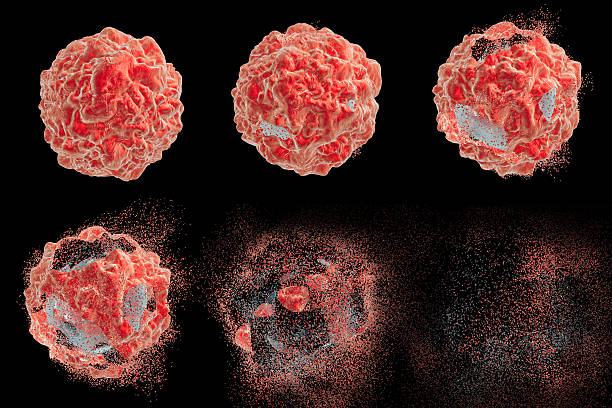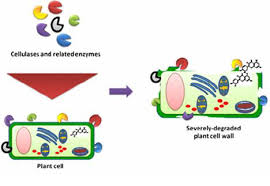


Cell disruption, also known as cell lysis, is the process of breaking open cells to release intracellular contents such as proteins, enzymes, nucleic acids, and viruses. Proper cell lysis preserves biomolecule integrity and maximizes yields for downstream processing.
Applications include protein and enzyme extraction, vaccine or biologic production, metabolite or nanoparticle recovery, and research across microbiology, biotechnology, and pharmaceutical fields.
Challenges in Cell Disruption
Efficient cell disruption can be technically challenging. Common issues include:
Tough cell walls or membranes, which make bacteria, yeast, and plant cells difficult to rupture.
Heat-sensitive biomolecules, which may be damaged by excessive shear or friction.
Inconsistent lysis between batches, reducing yield and reproducibility.
Scaling issues, where lab-scale methods may not translate efficiently to pilot or industrial production.
Genizer Cell Disruption Solutions
Traditional methods such as sonication, bead milling, enzymatic digestion, or freeze-thaw cycles often suffer from low efficiency, inconsistent results, or damage to sensitive biomolecules.
Genizer high-pressure homogenizers provide a controlled, efficient, and scalable solution. They deliver uniform shear forces for effective cell rupture across all cell types. Large cell membrane fragments simplify downstream processing, while precise cooling protects sensitive proteins and enzymes, resulting in consistently high yields with minimal time and waste.
High-Pressure Homogenization for Effective Lysis
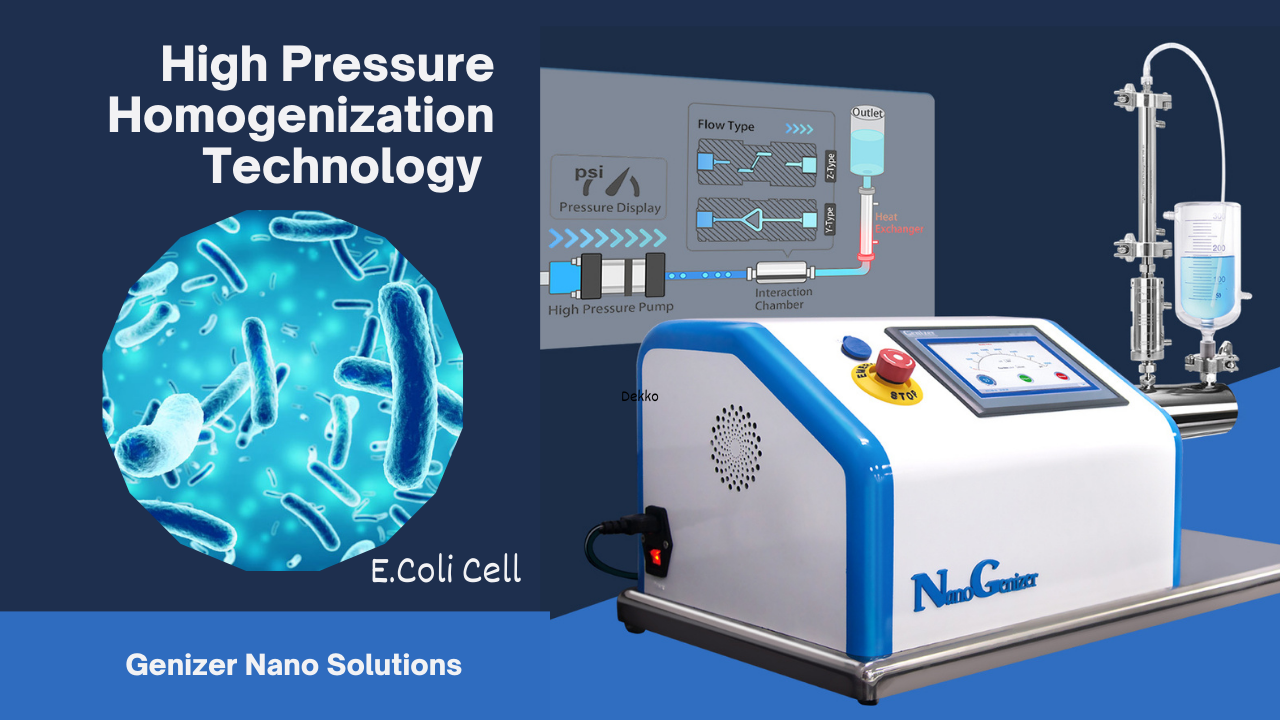
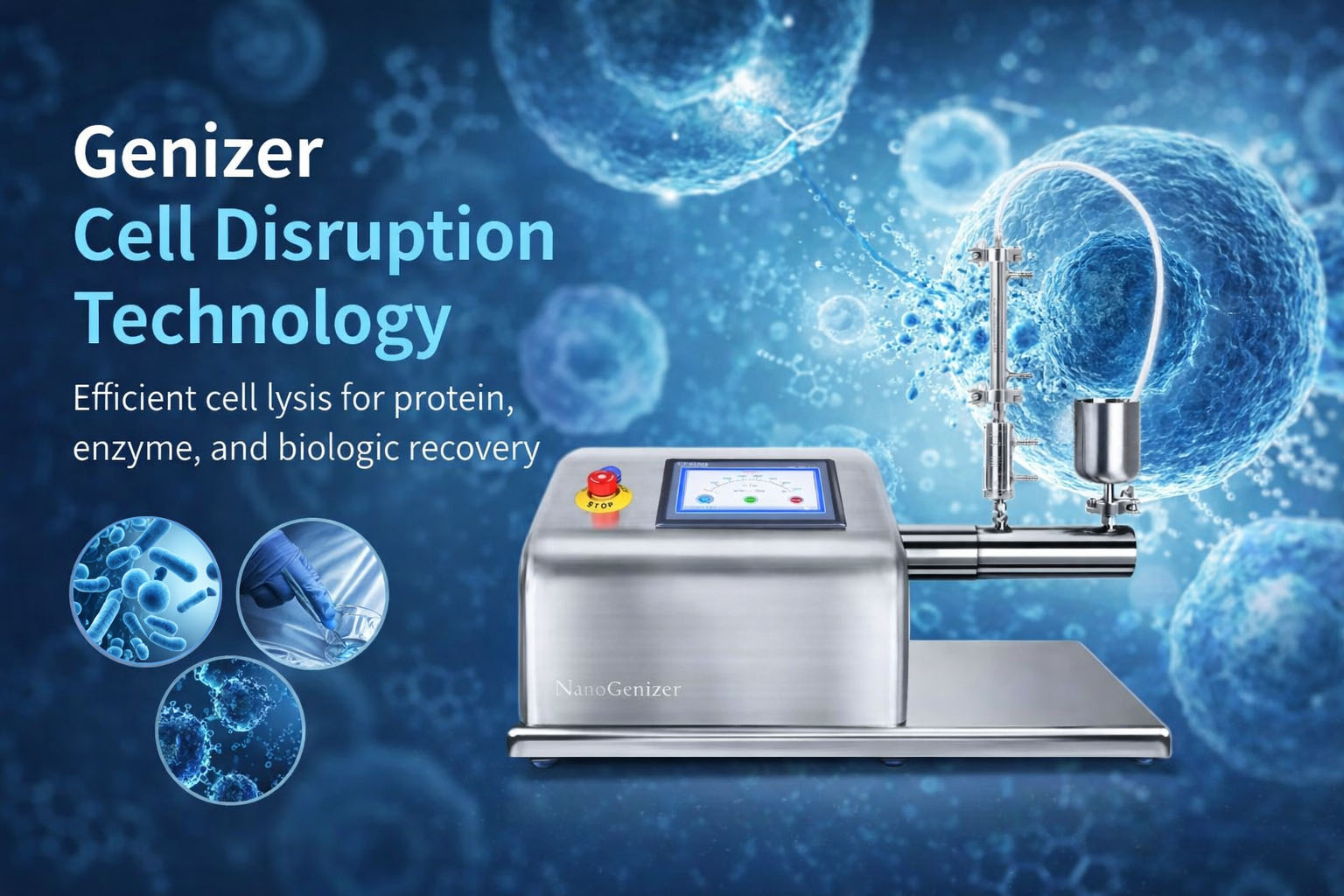
Genizer high-pressure homogenizers force cell suspensions through diamond interaction chambers at high pressure. This creates intense shear, turbulence, and cavitation forces that break cells open while preserving delicate biomolecules.
They are suitable for a wide range of cells, including mammalian cells, insect cells, bacteria such as E. coli, yeast, microalgae, and fungal spores, enabling efficient recovery of proteins and other valuable biomolecules.
Pressure and Chamber Selection with NanoGenizer High Pressure Homogenizer
Different cell types require specific pressures and chamber designs to achieve optimal disruption:
Mammalian cells (CHO, HeLa): 600–800 bar / 8500–11500 psi, H10Z or H10Z-RT chamber
Insect cells (Sf9, Sf21, H5): 600–1000 bar / 8500–14500 psi, H10Z or H10Z-RT
Bacteria (E. coli): 800–1000 bar / 11500–14500 psi, H10Z or H10Z-RT
Yeast: 1200–1400 bar / 17500–20000 psi, H10Z or H10Z-RT
Algae: 1200–1500 bar / 17500–21500 psi, H10Z or H10Z-RT
Fungal spores (Ganoderma): 1300–1600 bar / 18500–23000 psi, H10Z or H10Z-RT
Using an RT chamber maximizes activity of sensitive biomolecules, allowing gentle yet effective lysis while maintaining protein and enzyme integrity.
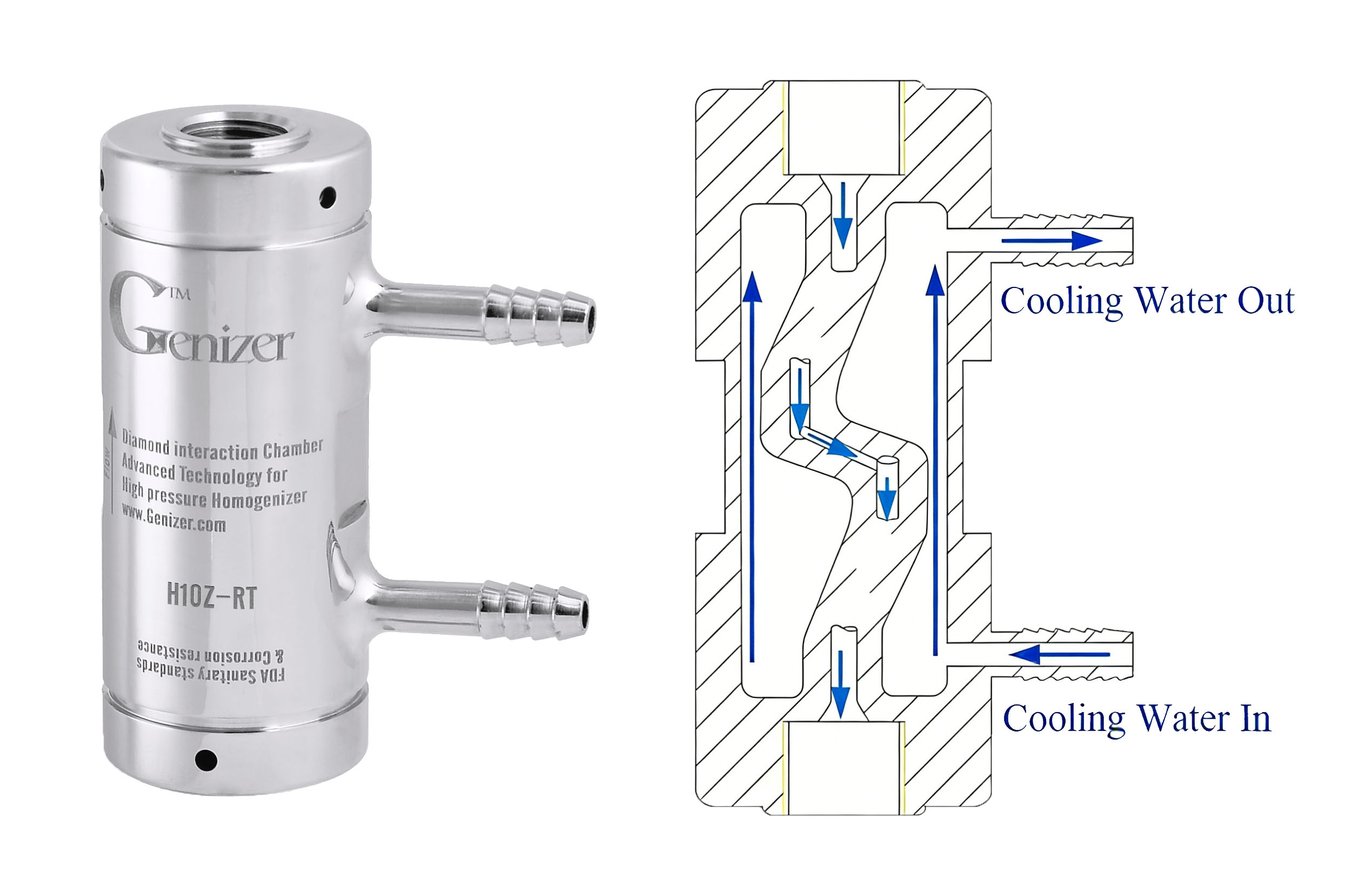
Example: E. coli Lysis
Equipment: NanoGenizer 30K with H30Z-RT and H10Z-RT chambers, plus cooling circulation.
E. coli cells were maintained at 4 °C and homogenized 3–5 times at 15,000 psi. Three cycles achieved >99.99% disruption; five cycles achieved 100%. Protein extraction yields remained consistent, demonstrating highly efficient, temperature-controlled lysis.
Genizer Cell Disruption Equipment
Genizer offers a complete range of high-pressure homogenizers, from lab to industrial scale, engineered for reproducible, efficient lysis while preserving sensitive biomolecules. Processing volumes range from 100 mL/min to 500 L/h, supporting small research batches up to continuous manufacturing.
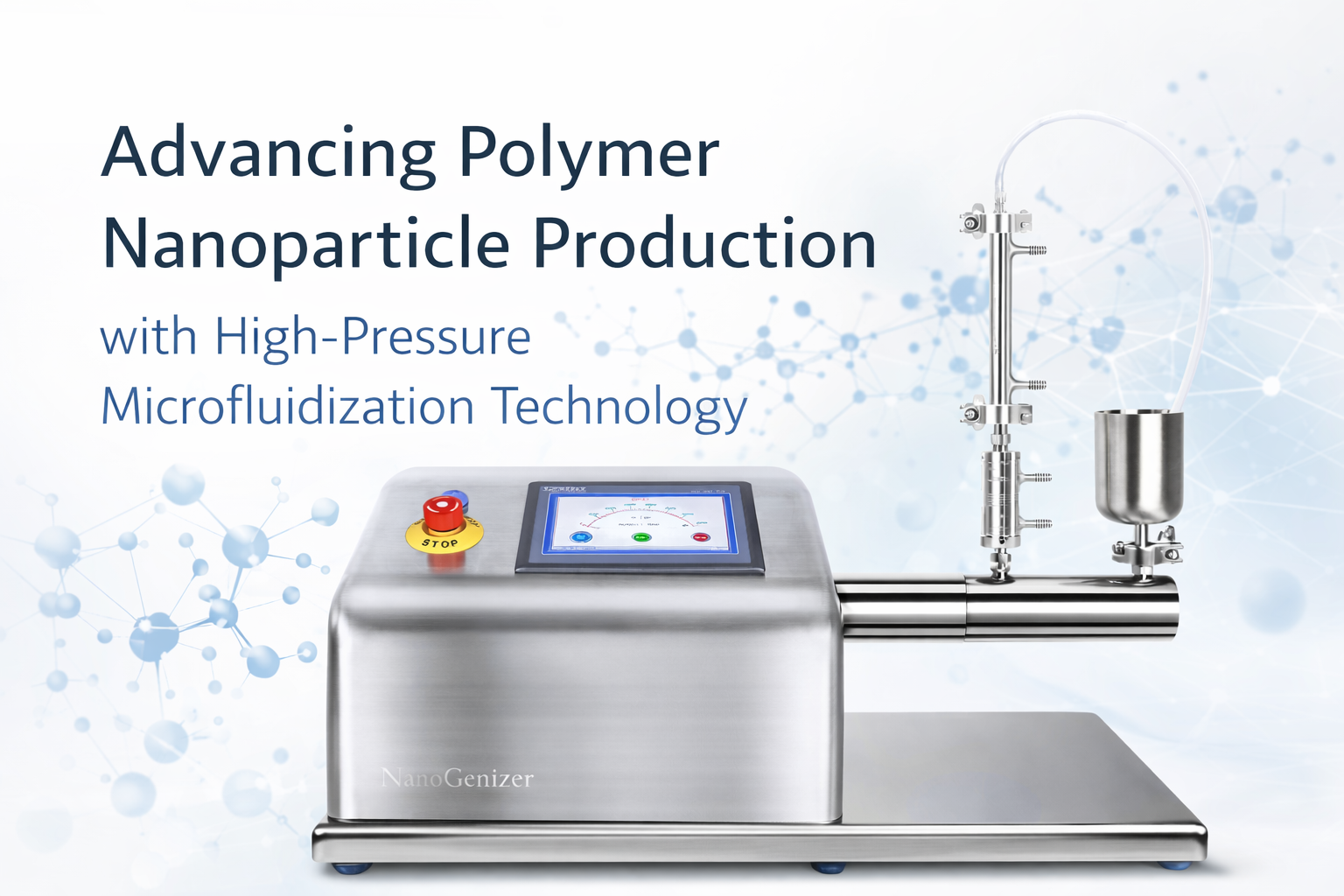
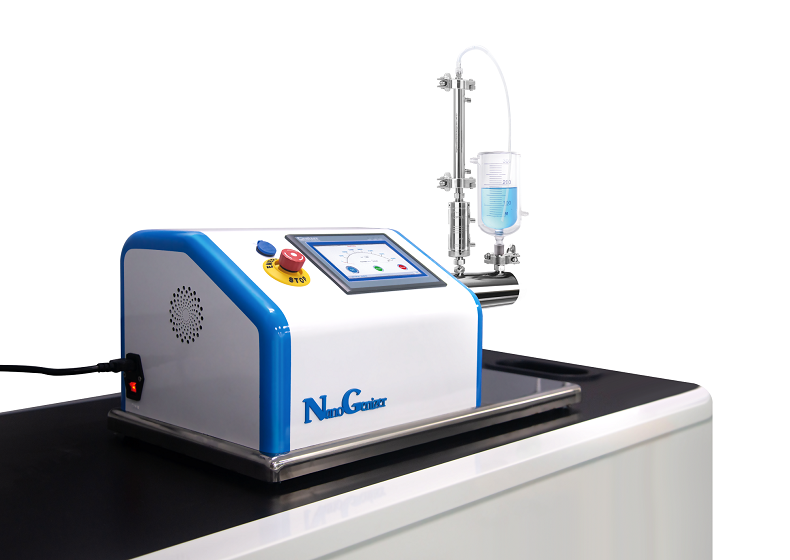
NanoGenizer: 100 mL/min, lab-scale cell disruption
NanoGenizer-Micromix: 100 mL/min, lab-scale research
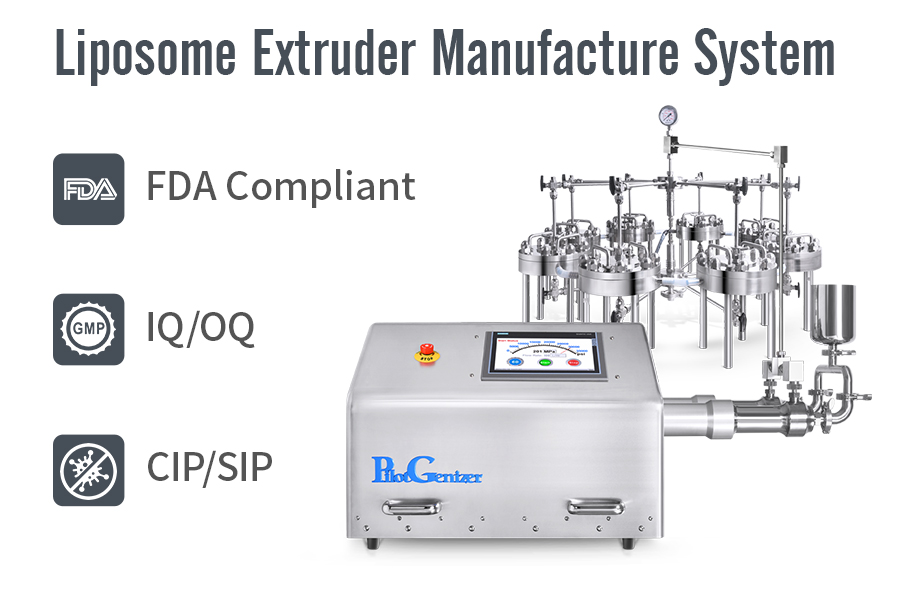
PilotGenizer: 20–60 L/h, pilot-scale production
WILL Series: 60–500 L/h, industrial-scale manufacturing
Genizer systems provide reliable, scalable solutions for high-yield cell disruption and lysis, suitable for research, pilot, and industrial production environments.