






What if the most expensive tool on your construction site wasn't the tower crane, but the pencil used to mark incorrect measurements? In an industry where nearly 30% of all construction work is actually rework, the margin for human error in manual site calculations has become a critical bottleneck. As we move through 2026, the integration of Virtual Reality (VR) and Building Information Modeling (BIM) is turning "site math" from a risky manual task into a verified digital workflow, ensuring that what is calculated in the virtual world fits perfectly in the physical one.
The Hidden Cost of Calculation Errors
The AEC industry is currently facing a productivity crisis exacerbated by rising material costs and a global talent shortage. Recent industry reports indicate that discrepancies between design documents and field conditions contribute to over 50% of project cost overruns. Traditionally, site supervisors relied on physical tape measures and 2D blueprints to verify clearances, volumes, and grades—a process prone to environmental interference and cognitive fatigue.
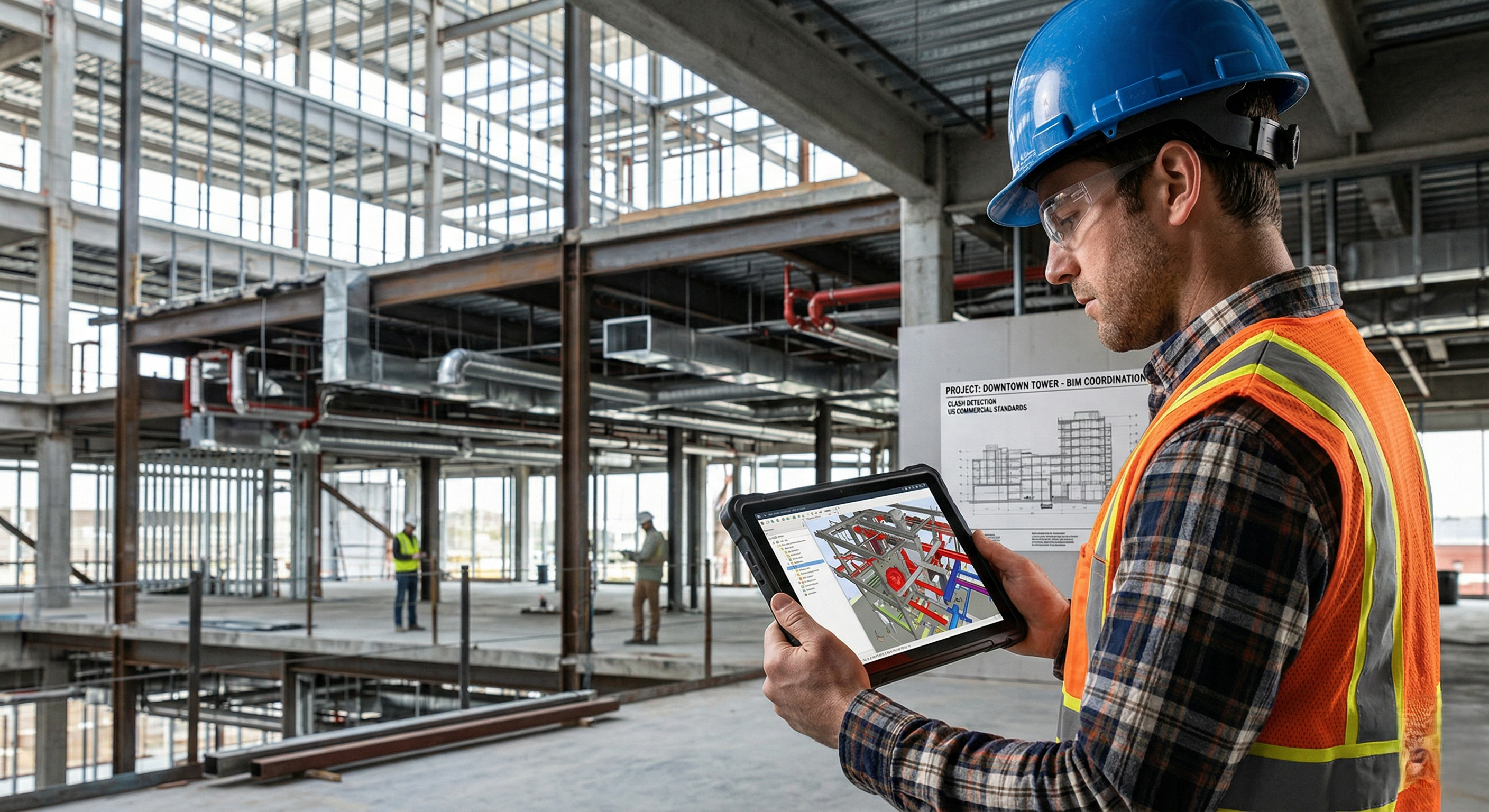
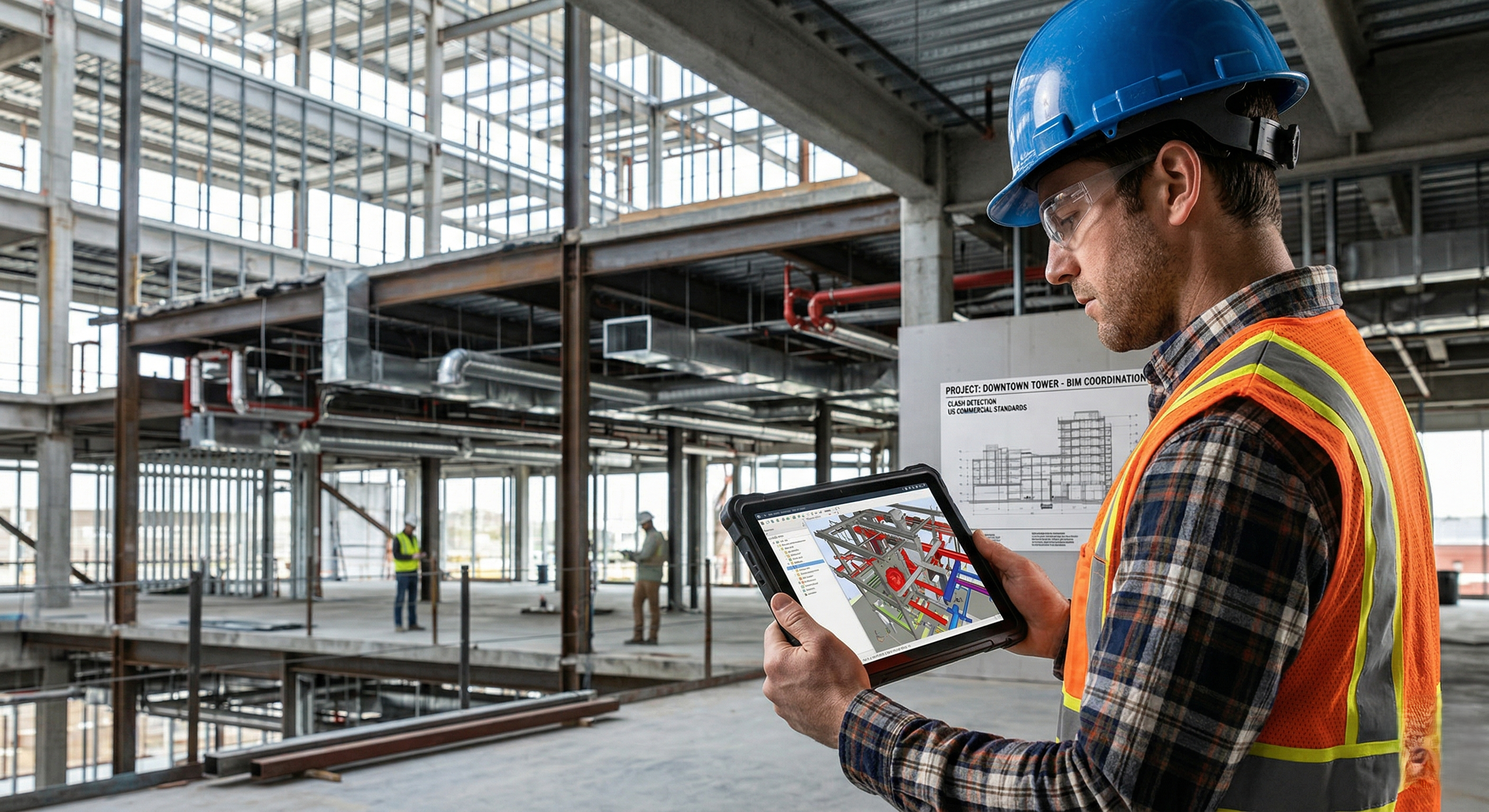
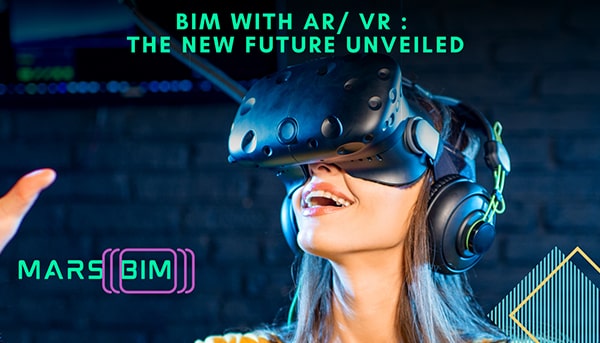
In the 2026 landscape, the demand for high Level of Detail (LOD) 400 and 500 models has made manual verification nearly impossible due to the sheer density of data. VR-driven site calculations address this by allowing project leads to "step into" the calculation. By using immersive headsets tethered to the BIM cloud, a foreman can perform real-time volumetric analysis or distance checks against the "as-built" reality of the site, catching millimetric deviations before they escalate into million-dollar errors.
Immersive Quantification: Beyond the Tape Measure
The integration of VR with Point Cloud data and LiDAR (Light Detection and Ranging) has revolutionized how we quantify progress. Instead of estimating the volume of a concrete pour or the length of a complex duct run, site managers use VR to overlay the digital model onto the physical space. This "Mixed Reality" approach to calculation allows for instant, precise quantification.
Research from firms like McKinsey suggests that digital collaboration and real-time data visualization can increase construction productivity by 14% to 15%. In VR-driven workflows, this is realized through automated tallying. For example, a MEP (Mechanical, Electrical, and Plumbing) engineer can virtually "tag" and calculate the exact quantity of fittings required for a specific floor in a VR environment, which then automatically updates the procurement schedule in the Common Data Environment (CDE). This link between virtual calculation and supply chain logistics is a primary driver of ROI in modern project management.
Bridging the Gap: Stakeholder Perspectives on Digital Accuracy
The adoption of VR for site calculations benefits more than just the field crew. From a business perspective, it provides a "Digital Audit Trail" that protects all stakeholders. For architects, it ensures that the design intent is being met with nano-precision. For contractors, it provides undeniable proof of work completed, which is essential for progress payments and dispute resolution.
In global markets, specifically across North America and the Asia-Pacific, regulatory bodies are beginning to recognize VR-verified calculations as a standard for quality assurance. In high-density urban projects where space is at a premium, the ability to virtually calculate the "turning radius" of heavy machinery or the "clash clearance" of structural steel ensures that site logistics are optimized for safety and speed. This proactive calculation reduces the likelihood of on-site accidents, further protecting the project's bottom line.
Actionable Takeaways for Workflow Optimization
To effectively integrate VR-driven calculations into your daily site operations, consider these implementation strategies:
•Deploy "Mobile VR" Units: Utilize standalone, high-performance headsets that allow site leads to perform quick "check-and-verify" calculations on the fly without needing a tethered workstation.
•Synchronize with Point Clouds: Regularly update your VR model with the latest site scans. This ensures that your virtual calculations are being made against the actual site conditions (as-built) rather than just the initial design (as-planned).
•Establish a "Virtual Peer Review" Protocol: Before finalizing major material orders, have a secondary engineer perform a "VR Walk-through" to double-check quantities and clearances. The spatial context of VR often reveals errors that are invisible in a spreadsheet.
•Incorporate 4D Temporal Calculations: Use VR to calculate not just the amount of material, but the timing of its arrival based on available site storage space. This "just-in-time" calculation is critical for lean construction.
Learn more- https://www.bimservicesindia.com/blog/how-to-incorporate-virtual-reality-in-the-construction-sector/

Seeking one of the top virtual design and construction services in USA?
Contact Revit BIM VDC consultants of Tejjy Inc. and assess your virtual building models, optimizing the process of your building construction.
