

Concrete resurfacing Melbourne: A Smarter Way to Restore Old Concrete
Old concrete does not always need to be removed and replaced. In many cases, a tired driveway, patio, pathway, pool surround, or commercial surface can be restored with concrete resurfacing instead.
Concrete resurfacing is the process of applying a new cement-based surface over existing concrete. It can improve the look, texture, safety, and usability of the area without the cost, mess, and downtime of full concrete replacement.
For many Melbourne properties, this makes resurfacing a practical option when the concrete is still structurally suitable but the surface has become faded, worn, slippery, stained, or outdated.
What Is Concrete Resurfacing?
Concrete resurfacing is often mistaken for painting concrete, but the two are very different.
Paint and thin surface coatings generally sit on top of the concrete. Resurfacing, when done correctly, involves preparing the existing slab and applying a polymer-modified resurfacing compound that bonds to the surface and creates a new wearing layer.
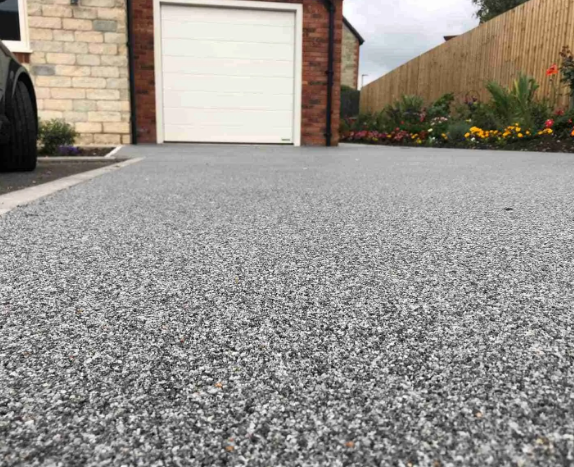
This new surface can be textured, coloured, patterned, or sealed depending on the finish required. It is commonly used for driveways, outdoor entertaining areas, paths, pool surrounds, commercial entries, workshops, and high-traffic zones.
The goal is not just to make the concrete look better. A good resurfacing system should also improve grip, make the surface easier to maintain, and extend the useful life of the existing slab.
Get Your Free Onsite Quote Today!
Why Melbourne Homeowners Choose Concrete Resurfacing
Melbourne properties are exposed to a mix of harsh sun, rain, temperature changes, UV exposure, and general wear. Outdoor concrete can fade, stain, lose grip, or start looking dated over time.
Replacing concrete can be expensive and disruptive. It may involve demolition, disposal, excavation, drainage adjustments, formwork, new concrete placement, and curing time.
Resurfacing avoids much of that disruption. Where the existing slab is suitable, the original concrete can stay in place while the surface is renewed.
This can make concrete resurfacing a more cost-effective choice for homeowners who want a fresh, modern finish without starting from scratch.
Common Areas Suitable for Resurfacing
Concrete resurfacing can be used on a wide range of residential and commercial surfaces, including:
Driveways
Patios
Pathways
Pool surrounds
Courtyards
Commercial walkways
Aged care facilities
Childcare centres
Warehouse entries
Workshop floors
Car park pedestrian areas
Each surface needs to be assessed properly before work begins. Slope, drainage, traffic, cracking, existing coatings, moisture, and surface condition all affect what system should be used.
Resurfacing for Driveways
Driveways are one of the most common areas for concrete resurfacing.
Over time, driveway concrete can become stained, faded, slippery, or unattractive. A resurfacing system can give the area a completely new appearance while also improving surface texture.
For steep driveways, slip resistance is especially important. A decorative finish that looks good but becomes slippery in wet weather is not a good result. The right texture, sealer choice, and surface preparation all matter.
A resurfaced driveway can often deliver a major street appeal improvement at a much lower cost than replacing the concrete.
Is Concrete Resurfacing Strong?
A properly installed resurfacing system is designed to handle normal outdoor traffic, including cars on driveways.
The strength of the finished surface depends on the product, preparation, application method, curing, and ongoing maintenance. The existing concrete also needs to be suitable.
Resurfacing is not a magic fix for every slab. If the concrete is severely cracked, moving, sinking, drummy, contaminated, or structurally failing, replacement or repair work may be required first.
However, where the slab is sound, resurfacing can create a durable new surface that performs well for many years.
Surface Preparation Matters
The success of concrete resurfacing depends heavily on preparation.
The surface may need pressure cleaning, grinding, repair work, crack treatment, priming, or removal of old coatings before resurfacing can begin.
Poor preparation is one of the biggest reasons resurfacing jobs fail. If the new material cannot bond properly to the existing concrete, it may delaminate, peel, or break down prematurely.
A professional installer should assess the condition of the slab and choose the correct preparation method before applying any resurfacing compound.
Slip Resistance and Safety
One of the major benefits of resurfacing is the ability to improve grip.
Smooth concrete, worn sealer, steep driveways, wet paths, and pool surrounds can all become slip hazards. Resurfacing allows texture to be added to the surface, making it safer underfoot and better suited to outdoor use.
Slip resistance is especially important for:
https://www.nupave.com.au/concrete-resurfacing-steep-driveways-melbourne/
Pool surrounds
Aged care facilities
Childcare centres
Public access areas
Commercial walkways
Shaded or damp areas
The finish should be chosen based on how the area is used, not just how it looks.
Decorative Concrete Finish Options
Concrete resurfacing also offers a wide range of design choices.
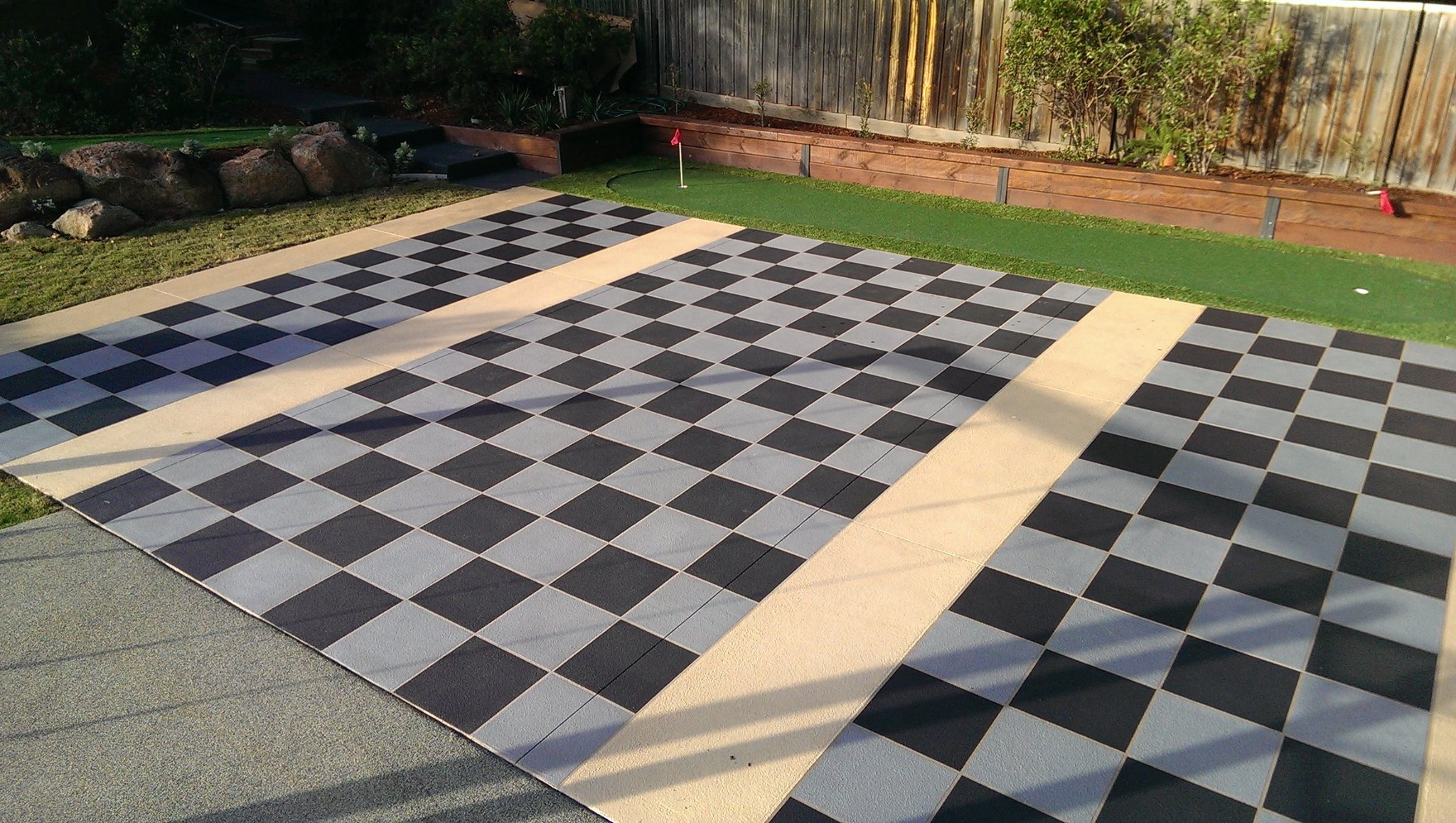
Instead of plain grey concrete, homeowners can choose colours, textures, patterns, and decorative finishes that suit the property.
Popular resurfacing finishes include:
Spray-on paving
Exposed aggregate-style resurfacing
Slate-style finishes
Cut stone concrete resurfacing
Granite-style textures
Sandstone-inspired finishes
Solid colour resurfacing
Cobblestone-style patterns
Custom commercial designs
These finishes can help modernise older concrete and give the property a more finished, high-value appearance.
Residential Concrete Resurfacing
For residential properties, resurfacing is often used to improve appearance, safety, and usability.
A tired driveway can be transformed into a cleaner, more modern entrance. A slippery pool surround can be upgraded with a textured finish. Old pathways can be refreshed to better match the rest of the home.
The right resurfacing finish should suit the house, the traffic level, the surrounding landscape, and the way the area is used day to day.
Commercial Concrete Resurfacing
Concrete resurfacing is also useful for commercial properties.
Businesses, aged care facilities, childcare centres, retail spaces, warehouses, and body corporate areas often need surfaces that are safe, durable, easy to maintain, and presentable.
Commercial resurfacing may focus more heavily on slip resistance, traffic wear, maintenance planning, and minimising downtime.
In these environments, the surface needs to do more than look good. It needs to perform.
How Long Does Concrete Resurfacing Last?
The lifespan of resurfaced concrete depends on several factors, including:
Quality of surface preparation
Product selection
Thickness and application method
Traffic level
Drainage
Sun and weather exposure
Cleaning habits
Resealing schedule
Existing slab condition
With proper installation and maintenance, resurfacing can significantly extend the life of existing concrete.
Regular cleaning and resealing are important. Outdoor decorative concrete surfaces are exposed to UV, dirt, moisture, tyre traffic, and general wear, so maintenance plays a major role in long-term performance.
Is Concrete Resurfacing Cheaper Than Replacement?
In many cases, yes.
Concrete resurfacing is often much cheaper than removing and replacing concrete because the existing slab remains in place. This reduces demolition, disposal, labour, concrete supply, and downtime.
However, the final cost depends on the condition of the slab, preparation required, finish selected, access, repairs, and project size.
If the slab is badly damaged or unstable, resurfacing may not be the right option. But for suitable concrete, it can offer a strong balance of appearance, performance, and value.
When Concrete Should Not Be Resurfaced
Not every concrete slab is a good candidate for resurfacing.
Resurfacing may not be suitable if the concrete has major structural movement, severe cracking, sinking sections, major drainage issues, widespread delamination, or contamination that prevents bonding.
In these cases, repairs or replacement may be needed before any decorative resurfacing system is considered.
A proper inspection should always come before a quote or recommendation.
Final Thoughts
Concrete resurfacing is a practical way to restore old concrete without jumping straight to full replacement.
For Melbourne homeowners and commercial property owners, it can improve the appearance, safety, texture, and lifespan of existing concrete while keeping costs and disruption lower than a full demolition and repour.
The key is choosing the right system, preparing the surface correctly, and maintaining it properly over time.
To read the full guide and see more detail about concrete resurfacing options, finishes, costs, and long-term performance, click here to visit the full Nupave article.
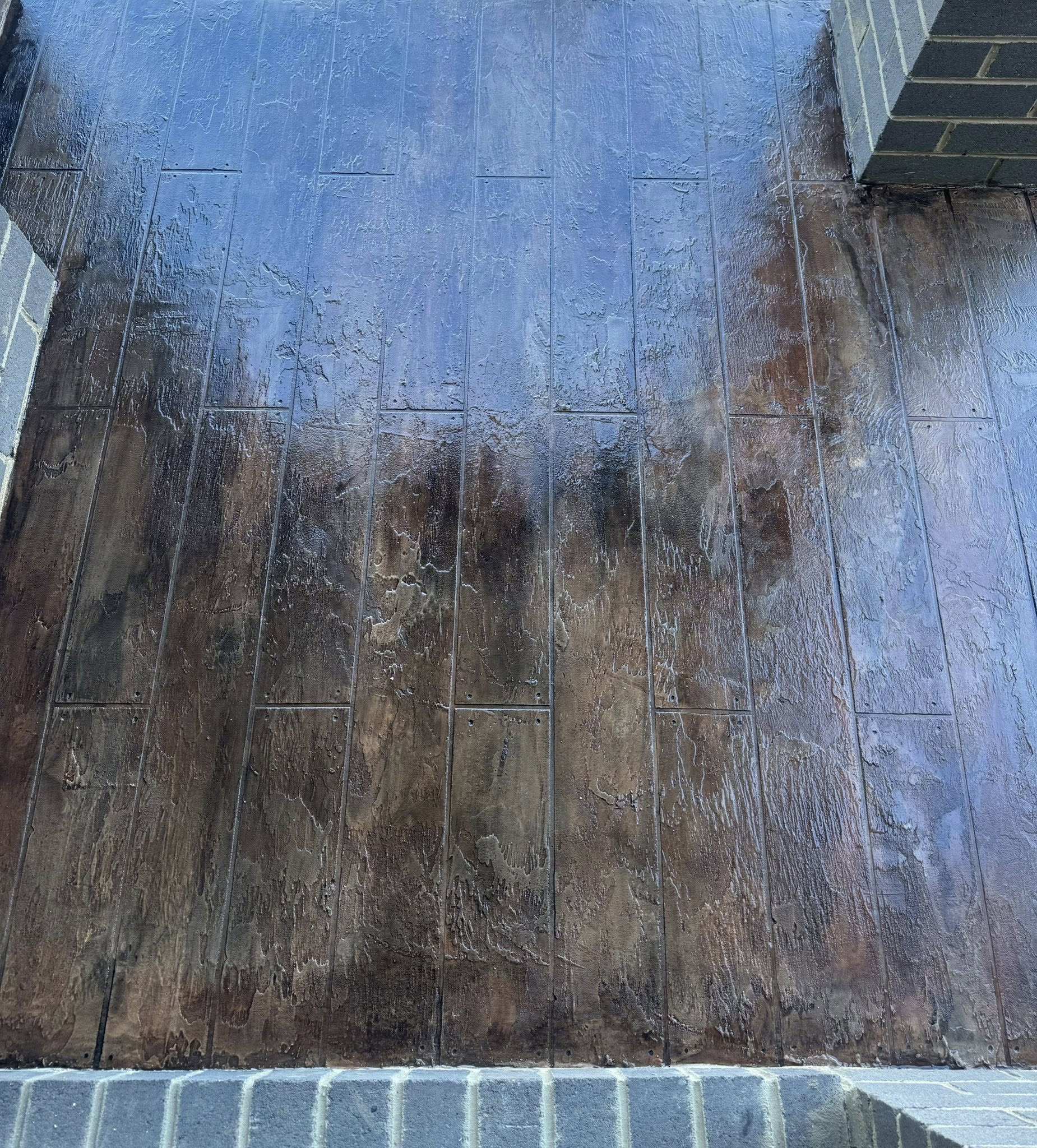
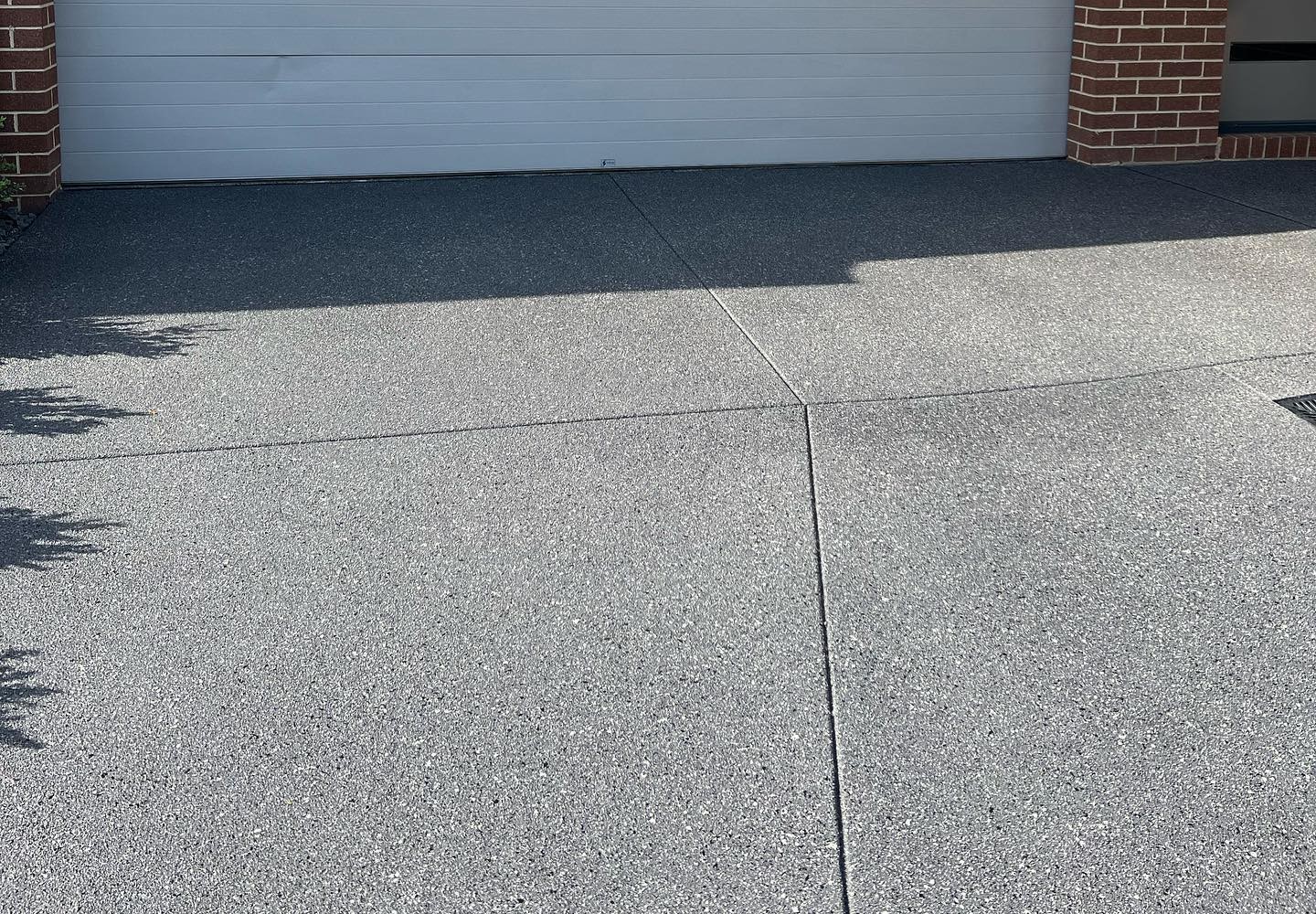
Timbercrete Concrete Resurfacing
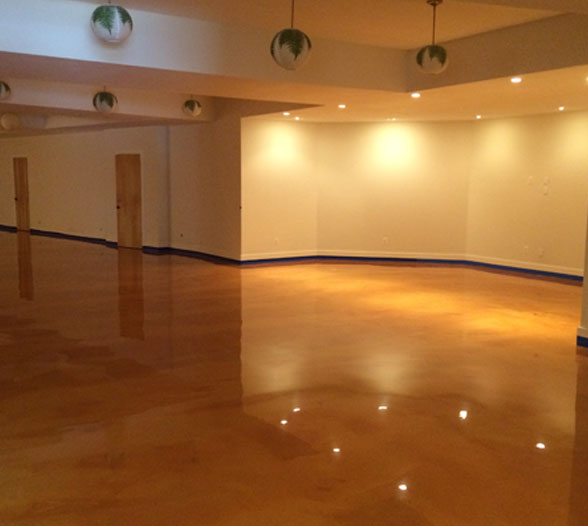
Metallic Epoxy Dayton Ohio serves high-quality epoxy flooring systems and other concrete coatings designed to protect your concrete with a resilient new surface.
Along with custom epoxy concrete coatings, we also offer other concrete services for residential and commercial customers such as wood stamped concrete, concrete sealing, concrete resurfacing, and waterproofing.
You can count on our concrete and epoxy flooring contractors for results that exceed your expectations.