

Repair over Replacement?
If your concrete driveway is starting to look its age — cracks creeping across the surface, faded patches where the colour has worn off, flaking from years of sun and tyre traffic — you've probably already had a contractor wave a replacement quote at you. The number usually lands somewhere between $8,000 and $15,000 for an average suburban Melbourne driveway. It's the kind of figure that makes a lot of homeowners shrug and keep parking on the cracks.
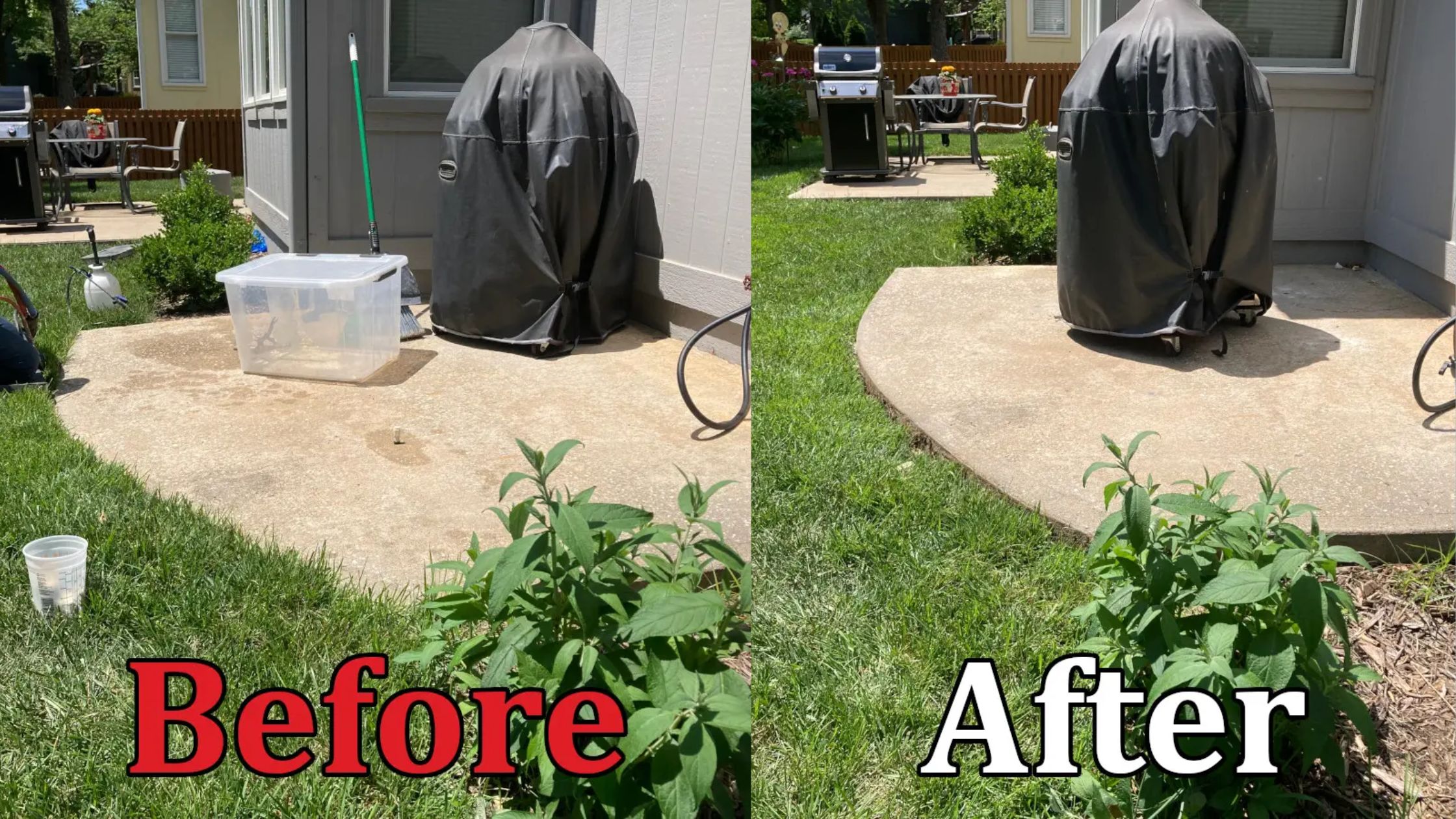
Here's what most people don't realise: a full replacement is often completely unnecessary. If your driveway's structural slab is still sound, you can have it resurfaced for roughly half the price of a rip-and-pour, and walk away with a finish that looks brand new.
What is driveway resurfacing, exactly?
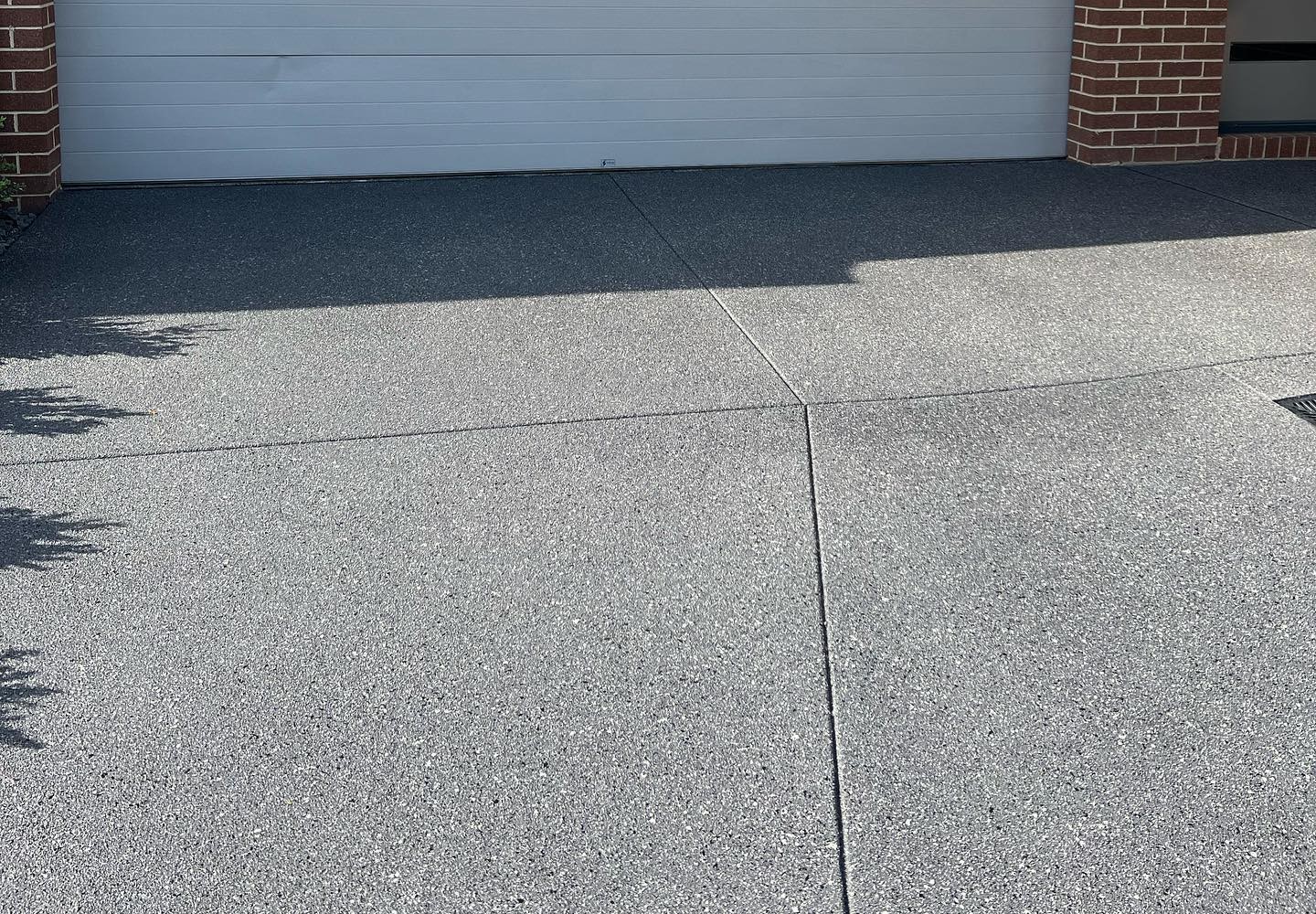
Resurfacing is the process of bonding a new decorative concrete layer onto your existing slab. Done properly, the overlay is around 6–10mm thick, hard-wearing, UV-stable, and available in dozens of finishes — stencilled brick patterns, stamped stone, slate, sandstone, smooth modern grey, even timber-look concrete.
Your existing slab stays in the ground. The driveway profile, levels, drainage, kerbs and edges all stay exactly as they are. Only the visible top layer changes.
The real cost difference
A typical Melbourne residential driveway sits somewhere between 50 and 120 square metres. Rough cost comparison:
Full replacement: $110–$200 per square metre, or roughly $11,000–$20,000 for an average driveway. Includes demolition, removal of the old slab, new base prep, pouring and finishing.
Resurfacing: $50–$110 per square metre, or roughly $4,500–$10,000 for the same driveway. Most homeowners save between 40% and 70% on the direct quote alone.
But the direct quote isn't the only money in play.
The hidden costs of full replacement most homeowners miss
When you replace a driveway, the contractor's quote is usually just part of what you'll actually spend. The real bill often includes:
Demolition and disposal. Tipping fees in Melbourne have climbed sharply — $200–$500 in disposal costs is common for a tonne of broken concrete.
Site rectification. Heavy machinery tears up edges, lawn, garden beds and kerb returns. Re-landscaping a yard after a pour adds up fast.
Council compliance. A new driveway sometimes triggers crossover and drainage checks. Resurfacing an existing driveway usually doesn't.
When resurfacing is the right call
Resurfacing works when the existing slab is structurally sound but cosmetically worn or surface-damaged. Good candidates include:
Driveways with surface cracking but no major movement or subsidence
Concrete that's faded, stained or showing pattern wear
Old aggregate or pebblecrete that's broken down on top
Driveways that just look dated next to a recently renovated home
When you genuinely do need a full replacement
There are situations where resurfacing isn't the answer. If you've got large structural cracks you can see daylight through, sinking slabs, tree root damage lifting the concrete, or a driveway pooling water badly because the falls are wrong, you're past resurfacing territory. A reputable contractor will tell you this honestly on a site inspection — if someone's quoting resurfacing on a structurally failed slab, get a second opinion before you sign anything.
At Nupave we specialise in concrete driveway resurfacing across Melbourne — and on the rare occasions a driveway can't be saved, we'll tell you honestly that it needs a full replacement rather than waste your money on an overlay that won't last.
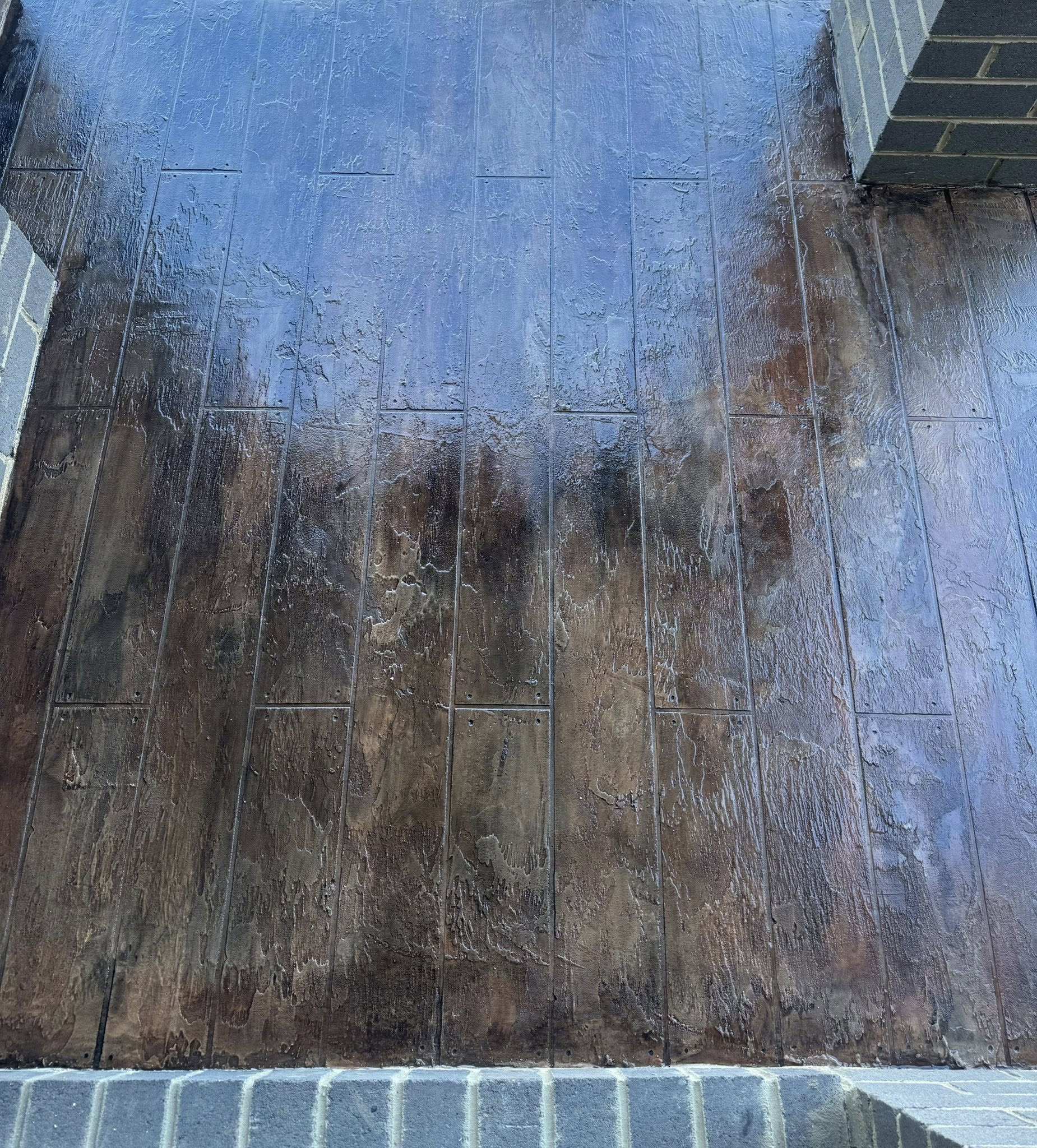
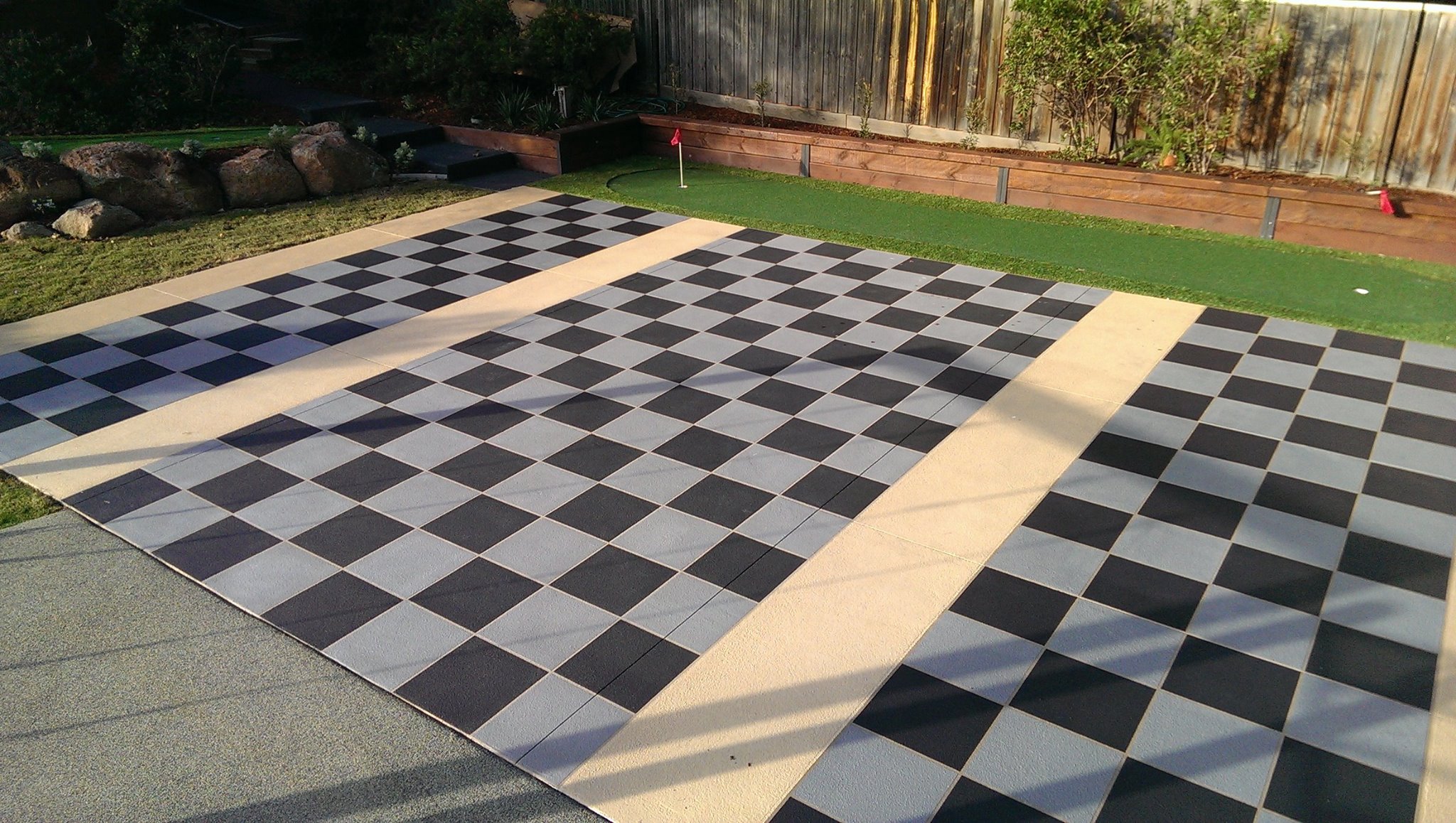
Timbercrete Concrete Resurfacing