According to eLearning Industry, employees trained with digital learning solutions are 35% more productive than those trained with traditional learning. Similarly, online learning programs show better retention when compared with in-class learning.
Digital learning solutions and traditional learning programs are two types of learning. One is completely online, depending on tools and technology, while the other has a human impact on the learning and takes place in a live class.
For the learning and development (L&D) team, learning about their differences will help in making decisions for the right training method in the future.
What are digital learning solutions?
This learning format includes only digital tools. The program is delivered through different platforms and applications. The content includes video lectures, modules, microlearning sessions, gamification, virtual instructor classes, and an AI-driven platform to support active tracking of learners' activities.
The corporations use these programs for closing skills gaps, developing new, useful skills, and training the workforce with compliance without excessive travelling or cost.
What is traditional learning?
This format of learning takes place live; the instructor and learners are both physically present in one class. The content is delivered by the trainer to students in class, and they can resolve any doubts or queries instantly. The corporate sector uses traditional learning for offline workshops, in-person training for complex skill development, and scheduled training events.
Differences between digital learning and traditional learning
Based on the accessibility
Digital learning solutions can easily be accessed anywhere and anytime. The learners can check or revise the content in the field or remote places.
The traditional learning requires learners to travel across the city to reach the venue, and there attend a scheduled class with peers.
Based on the cost of learning
Digital learning solutions are more cost-effective; they save 50% - 70% more because this format cuts unnecessary expenses like travelling, venue maintenance, and printing material.
In-class learning is more expensive due to these same attributes mentioned in the above point: travelling, venue, and printing.
Based on retention and engagement
The digital learning solutions program uses various multimedia elements such as gamification, AR/VR, and microlearning to make the learning experience more engaging and fun. This improves engagement and retention of content.
On the contrary, traditional learning still relies on instructor inputs, note-taking, and peer activities to make learning engaging, with good retention rates.
Based on human interference
Digital learning has limited human impact on learning; the sessions could be pre-recorded or live with instructors. Beyond this, the program is self-paced.
Traditional learning has some major advances in this field. The complete process requires the constant presence of a human trainer, with tasks like discussions, peer interaction, and instant feedback.
Based on the scalability
Digital learning solutions contain highly scalable content, which can be used by learners across the company without any or minimal extra cost.
In-person training is more critical and expensive to scale because the company has to pay for trainers, venue maintenance, and other expenses again, while the content is also altered.
Based on success metrics
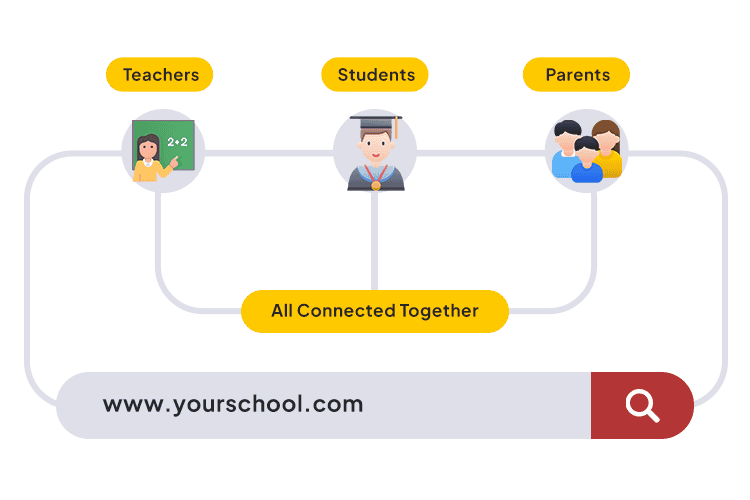
Digital or online learning programs are accessed on an LMS or platforms, and the server on those sites tracks completion rates, assessment scores, and engagement. All these metrics help in calculating ROI and business outcomes.
Traditional learning has limited factors that can help markers decide the success metrics, such as attendance, test scores, and trainer feedback.
When does digital learning work best?
Digital learning solutions work best in industries like IT, healthcare, fintech, and manufacturing, all of which have two things in common: the employees do not have time to leave work for training, and the industry is rapidly changing in terms of regulation and policies.
In such scenarios, digital training can step up and train large workforces, including field workers, through microlearning and a mobile-first program. The format provides compliance refresher content, an onboarding process, upskilling modules, software training, and gamification to make the course engaging.
When does traditional learning work best?
The traditional learning works best for aviation learners, surgical students, construction, engineering, hospitality, and leadership development skills.
The in-person training provides learners with physical practice, human feedback, and the development of any high skill that is not possible with generic content. For instance, with traditional learning, the surgeon can learn standard procedures, or an aviation student can learn about the machinery in an emergency.
Final Thought
Digital learning solutions and traditional learning both serve very different purposes, but they do overlap in some sectors. While the key differences are well established, choosing between these formats depends on what learning objectives and industry regulations are in place.
For extracting the best of both worlds, these two formats can be mixed accordingly, and that is called blended learning. This format allows learners to use the program at their own pace, while there are options for instructor-led training.