





Introduction
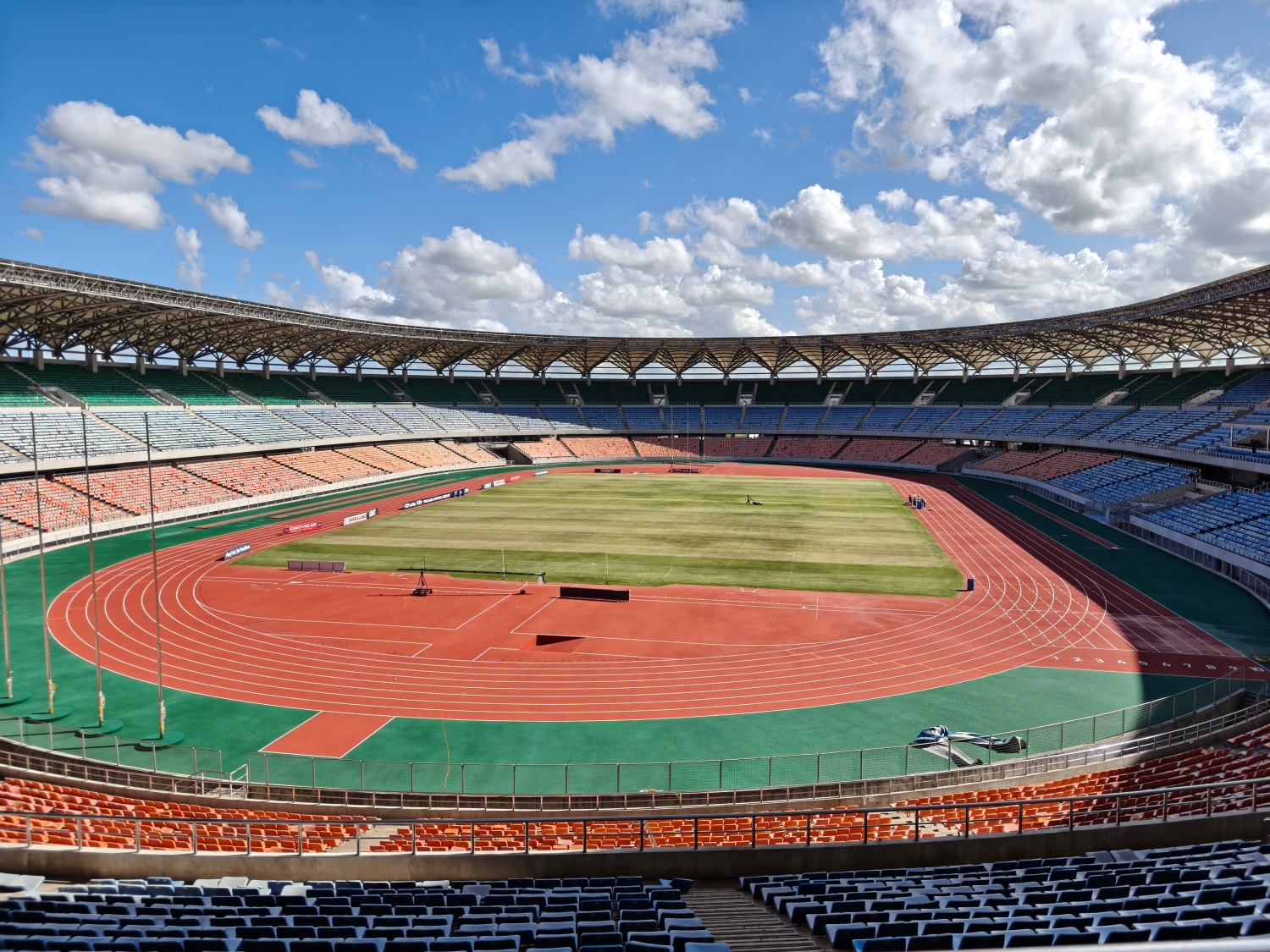
Track and field is one of the oldest and most universal sports in human history. From ancient Greek competitions to the modern Olympic Games, running, jumping, and throwing have been part of human culture for thousands of years. Today, track and field reaches billions of people through international competitions, television broadcasts, and local running events.
Behind the growth and management of this sport stands a single organization: World Athletics. Founded over a century ago, World Athletics plays a central role in shaping how the sport is practiced, watched, and developed around the world. In this article, we will take a closer look at the history, responsibilities, and impact of this important organization.
The History of World Athletics
World Athletics was established in 1912 in Stockholm, Sweden. At the time, it was called the International Amateur Athletics Federation, commonly known as the IAAF. The organization was created to provide a unified authority for international track and field competitions. Before its formation, different countries followed different rules, making it difficult to compare results across borders.
The IAAF set up its permanent headquarters in Monaco, where it has remained for decades. Over the years, the organization grew to include member federations from nearly every country in the world. In 2019, the IAAF officially changed its name to World Athletics. The rebranding was designed to reflect a more modern and inclusive approach to the sport.
Today, World Athletics oversees track and field activities in more than 200 countries, making it one of the most far-reaching sports organizations on the planet.
Core Responsibilities of World Athletics
World Athletics has several key areas of responsibility. These can be grouped into three main categories.
The first is rule-making. World Athletics creates and maintains the official rules for all track and field events. These rules cover everything from race procedures to equipment standards. They are designed to ensure that every competition, whether at the local level or the world stage, follows the same standards. The organization regularly reviews and updates these rules to keep pace with changes in the sport.
The second is world record management. World Athletics is the sole authority for verifying world records in track and field. When an athlete achieves a new record, the organization conducts a thorough review. It examines the timing systems, the competition conditions, and the adherence to all applicable rules. Only after this verification process is complete is the record officially recognized. This system ensures that world records remain credible and meaningful.
The third is event organization. World Athletics is responsible for hosting some of the most prestigious competitions in the sport. The World Athletics Championships, held every two years, is the premier event. It brings together the best athletes from every continent to compete for global titles. Other major events include the World Athletics Indoor Championships, the World Cross Country Championships, and the World Half Marathon Championships. These competitions not only showcase elite performance but also generate significant public interest in the sport.
Impact on Grassroots Development
While much of World Athletics' work focuses on elite competition, the organization also places a strong emphasis on grassroots development. This includes supporting programs that introduce track and field to young people in schools and communities around the world.
The accessibility of track and field is one of its greatest advantages. Unlike many sports that require expensive equipment or specialized facilities, running and jumping can be practiced with minimal resources. A child does not need a swimming pool or a tennis court to participate. A simple pair of shoes and an open area are often enough.
World Athletics takes advantage of this accessibility by funding and promoting grassroots programs in developing regions. These programs aim to increase participation, improve health outcomes, and provide young people with positive sporting experiences. By working with national athletics federations, World Athletics ensures that these efforts are sustainable and culturally relevant.
Conclusion
World Athletics has been the driving force behind track and field for over a century. Through its work in rule-making, record management, event organization, and grassroots development, the organization has helped the sport grow into one of the most widely practiced and watched activities in the world. As it continues to evolve and adapt to new challenges, World Athletics remains committed to making track and field accessible, fair, and exciting for athletes and fans everywhere.

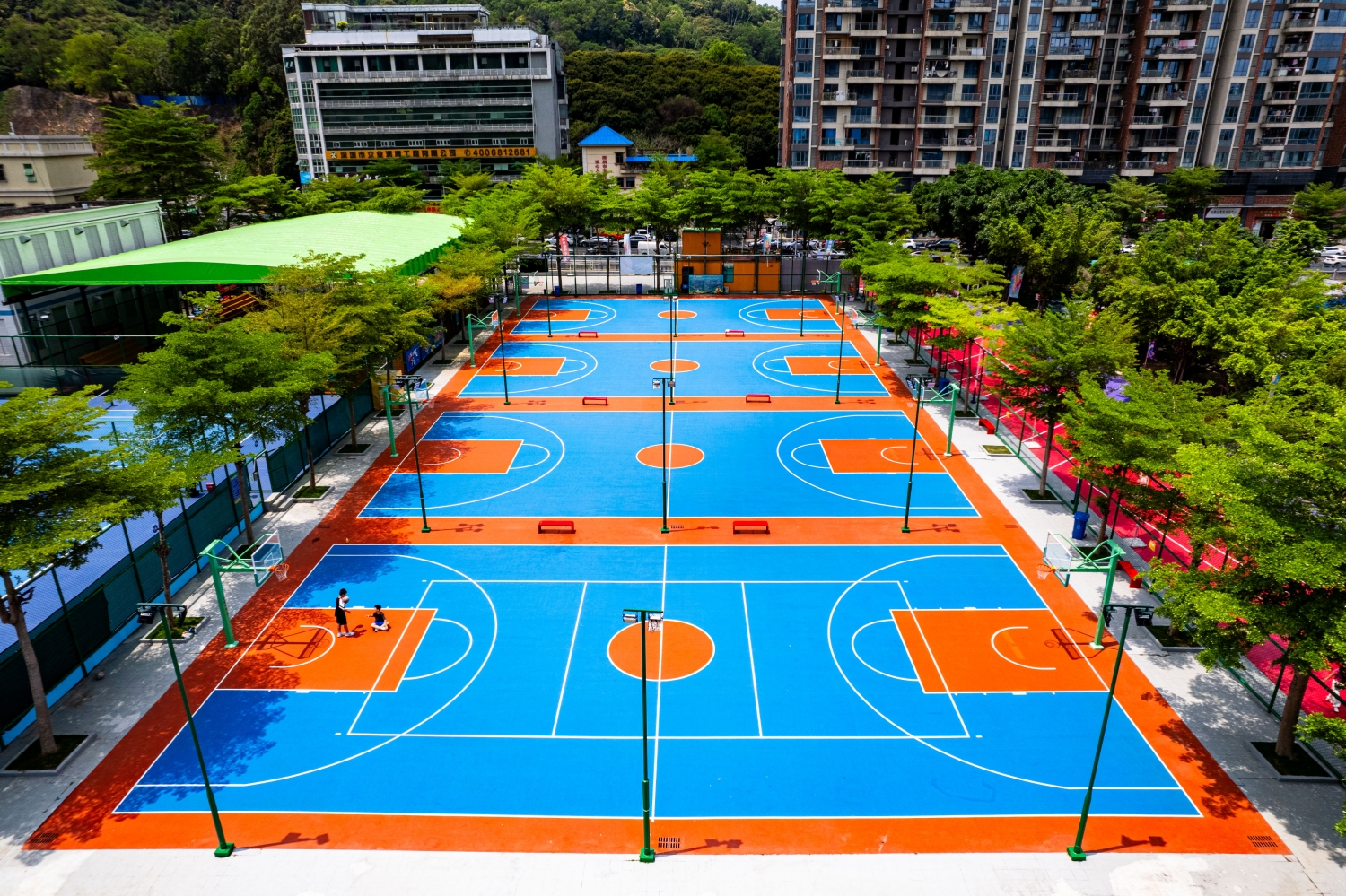

Summer brings longer days, warmer weather, and plenty of opportunities to get outside and run. But the heat can make running uncomfortable and even risky if you do not choose the right time of day.

The relentless heat and humidity of summer continues, sending us outside in search of cold water, cool forests, and high mountain passes.
If you're also planning to escape the heat of the lowlands for the high country, but sure to take advantage of the ongoing Backcountry Outdoors sale to grab any last-minute gear you need.
If you prefer to wait out the heat indoors, check out some of our favorite electronics deals for the weekend, there's plenty in there to keep you busy and entertained until cooler weather returns.
Note: When you buy something using the retail links in our stories, we may earn a small affiliate commission.
Read more about how this works.
Haglofs Helios VX Backpack for $150 ($60 off): This versatile pack is water-resistant and made from light, durable ripstop fabric.