


Introduction
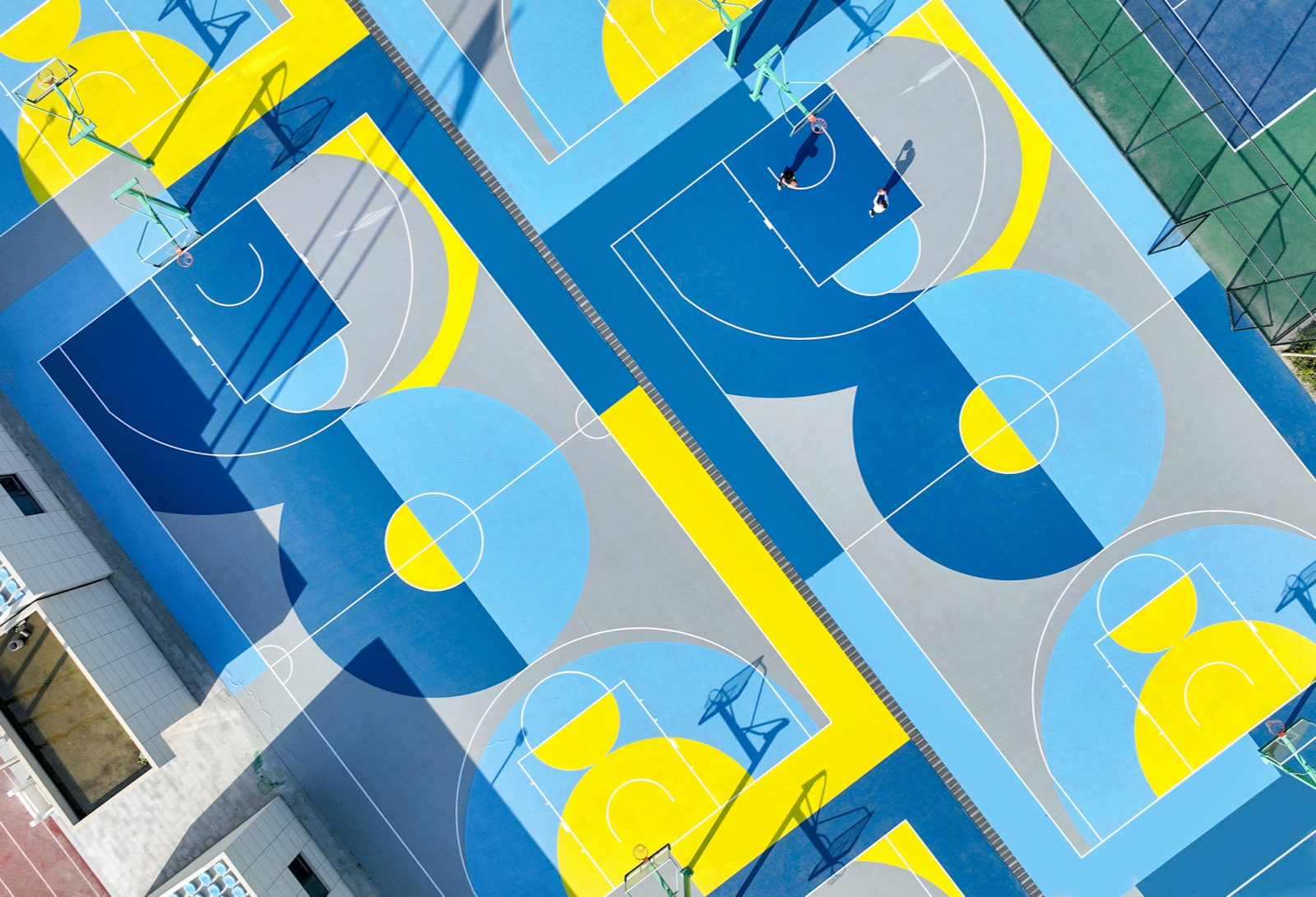
When you watch a professional sports match, the court beneath the athletes' feet is one of the first things you notice. The colors are bold, clean, and consistent. But have you ever wondered why those specific colors were chosen? The answer goes far beyond simple aesthetics. Professional court colors are selected based on science, psychology, branding, and environmental factors. Each decision serves a specific purpose.
In this article, we will explore the key reasons behind professional court color choices and explain why these decisions matter for athletes, fans, and facility designers alike.
Visual Clarity Comes First
The primary function of a court color is to support visual clarity. During a fast-moving game, athletes need to see the ball, shuttlecock, or puck with precision. Spectators need to follow the action. Officials need to make accurate calls. The right color contrast makes all of this possible.
Consider badminton. The court surface is green. The shuttlecock is yellow. This high-contrast pairing makes it easy for players to track the shuttlecock's movement through the air. It also helps spectators follow the game from the stands or on television.
The same principle applies in other sports. Basketball courts use specific wood tones that contrast with the orange ball. Tennis courts use blue or green surfaces that stand out against the yellow ball. In each case, the color is chosen to maximize visibility.
Sports flooring material manufacturers play a key role in this process. They produce court surfaces in carefully selected colors that meet the visibility requirements of each sport. The goal is to create an environment where every element on the court is easy to see.
The Psychological Impact of Color
Color does not only affect what we see. It also affects how we feel. Research in sports psychology has shown that different colors can influence athlete performance in meaningful ways.
Red is often linked to energy, passion, and aggression. Athletes who compete on red surfaces or wear red gear tend to feel more motivated and assertive. Red can increase heart rate and create a heightened sense of awareness. For sports that require explosive energy, red is a powerful tool.
Blue, by contrast, is associated with calmness and clarity. It promotes focus and helps athletes think more clearly under pressure. Sports that involve strategy and precision, such as tennis and archery, often feature blue surfaces for this reason.
Green creates a sense of balance and relaxation. It is one of the most common colors in nature, and it is easy on the eyes. Athletes often feel comfortable and focused on green surfaces, which supports consistent performance over long matches.
The selection of court colors is therefore not just a visual decision. It is a psychological one. Sports flooring material manufacturers understand this dynamic and work to produce surfaces in colors that align with the mental demands of each sport.
Brand Identity and Tradition
Colors also play a major role in branding and tradition. Every major sporting event has a visual identity, and the court color is a central part of it.
Wimbledon is perhaps the best-known example. The grass court at Wimbledon is always green. This green has become a symbol of the tournament itself. Fans around the world associate it with tradition, elegance, and the history of tennis. Changing the color would feel like changing the event's identity.
The US Open tennis courts are blue. This color has become equally iconic, representing the modern, energetic character of the event. In basketball, the NBA courts have a specific wood tone that fans immediately recognize.
Sports flooring material manufacturers work closely with event organizers to produce surfaces in the exact colors required. This ensures that the court matches the event's branding and meets the expectations of fans worldwide.
Environmental and Practical Factors
Color choice also has a practical dimension related to the environment. Professional athletes often compete outdoors for several hours at a time. The color of the court surface directly affects how much heat it absorbs from the sun.
Dark colors absorb more sunlight, which raises the surface temperature. In warm climates, this can create uncomfortable and even dangerous conditions for athletes. Heat exhaustion and dehydration become real risks.
Light colors reflect more sunlight, which keeps the surface cooler. Light green and light blue are common choices for outdoor courts in warm regions. These colors reduce surface temperature and help athletes stay comfortable throughout long matches.
This is an important consideration for sports flooring material manufacturers. They must balance visual appeal with practical performance. A court that looks beautiful but becomes too hot to play on is not a successful design. The best manufacturers find solutions that combine the right color with the right material properties.
The Role of Sports Flooring Material Manufacturers
Behind every professional court is a manufacturer that brings the design to life. Sports flooring material manufacturers are responsible for producing surfaces that meet exact color specifications while delivering the performance characteristics required by the sport.
These manufacturers work with event organizers, architects, and sports governing bodies to understand the specific needs of each venue. They consider factors like visibility, psychology, branding, climate, and durability when producing court surfaces.
The result is a product that serves multiple purposes at once. It looks great on camera. It supports fair competition. It helps athletes perform at their best. And it holds up under the demands of professional use.
Conclusion
Professional court colors are far more than decoration. They are a combination of science, psychology, branding, and environmental awareness. Every shade on a professional court serves a purpose — from improving visibility to influencing athlete mindset to representing an event's identity.
Understanding these choices gives us a deeper appreciation for the thought that goes into professional sports. The next time you watch a match, look closely at the court. You will see that every color is there for a reason. And the work of sports flooring material manufacturers makes it all possible.
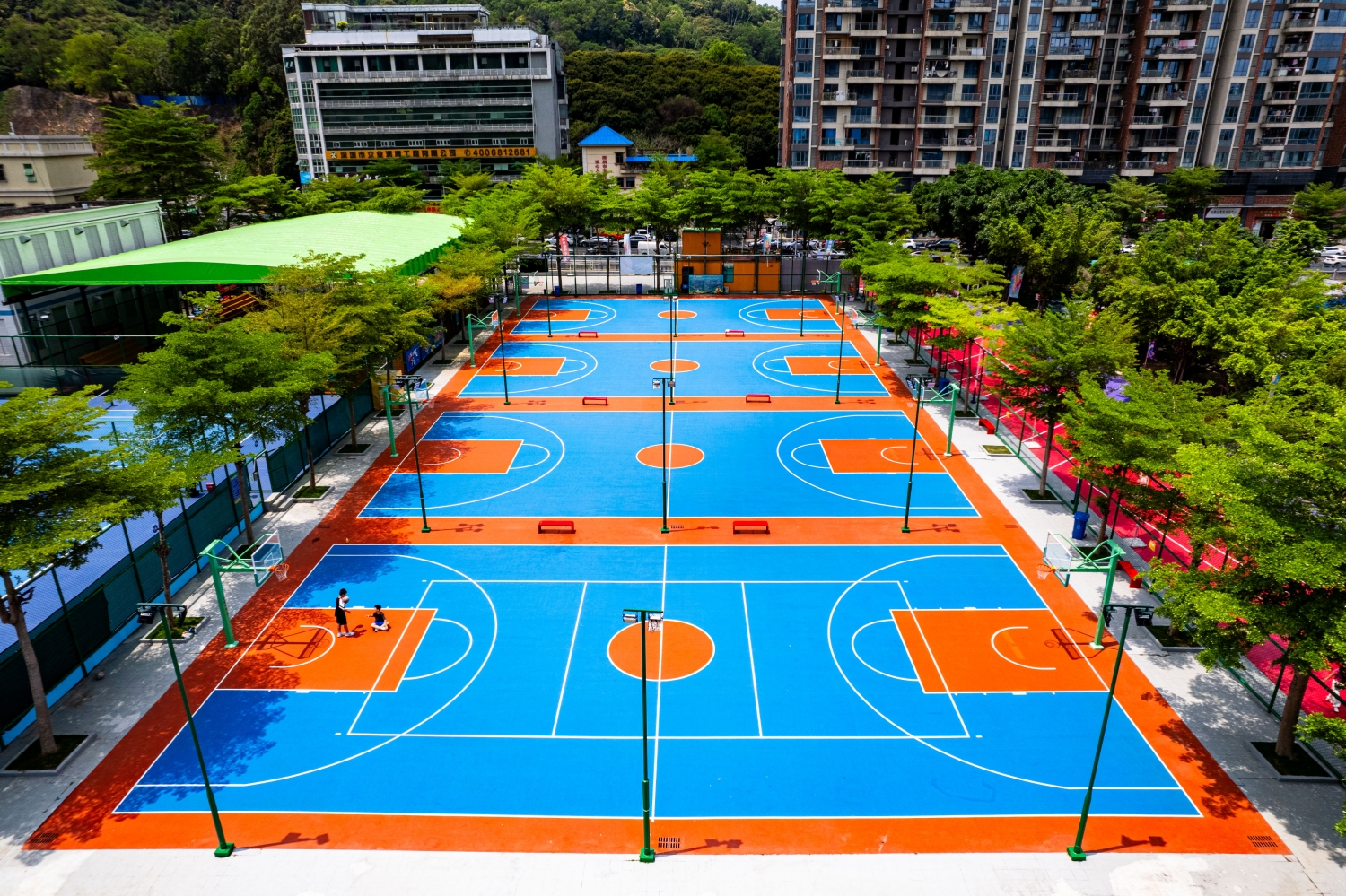
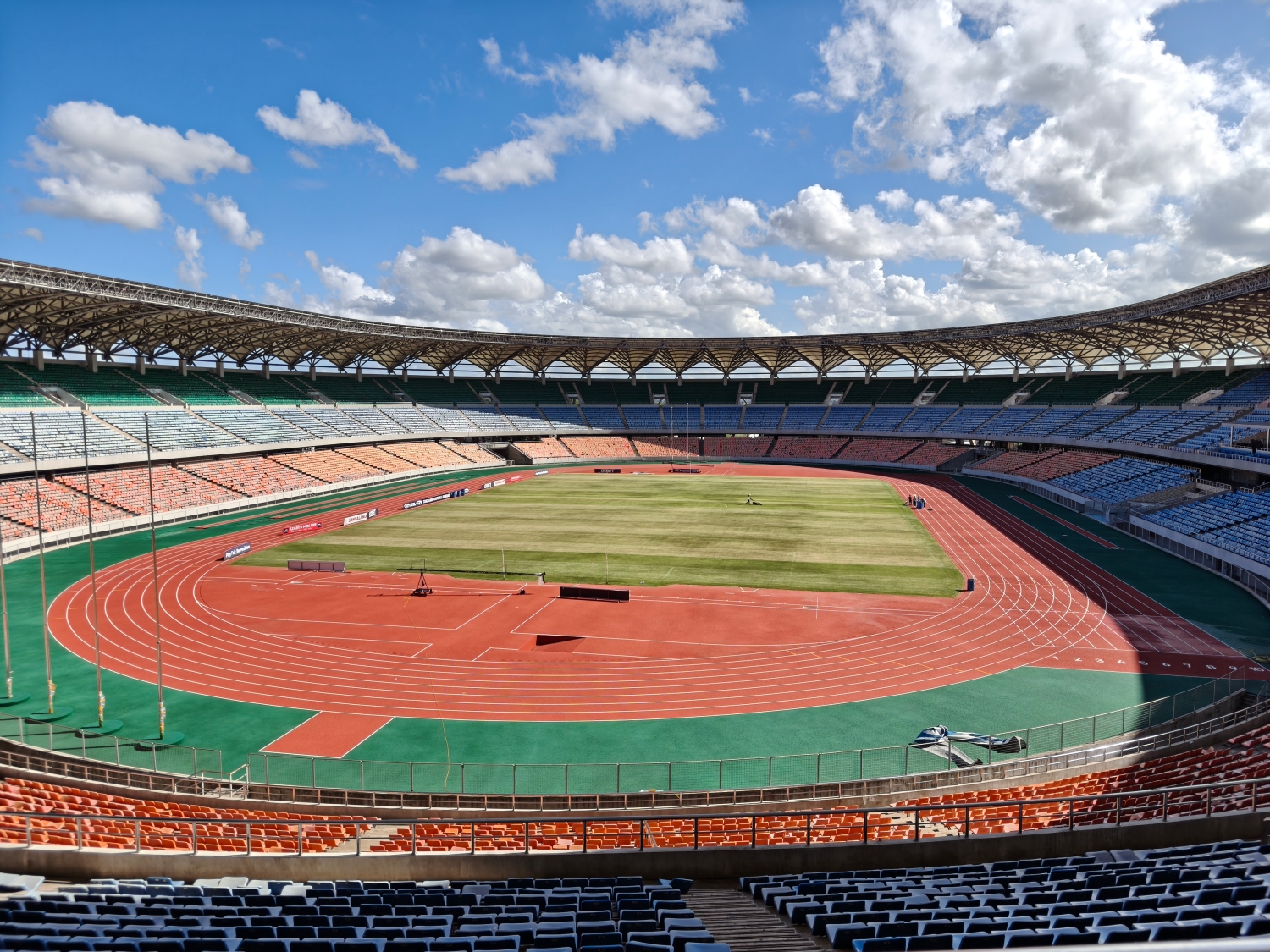

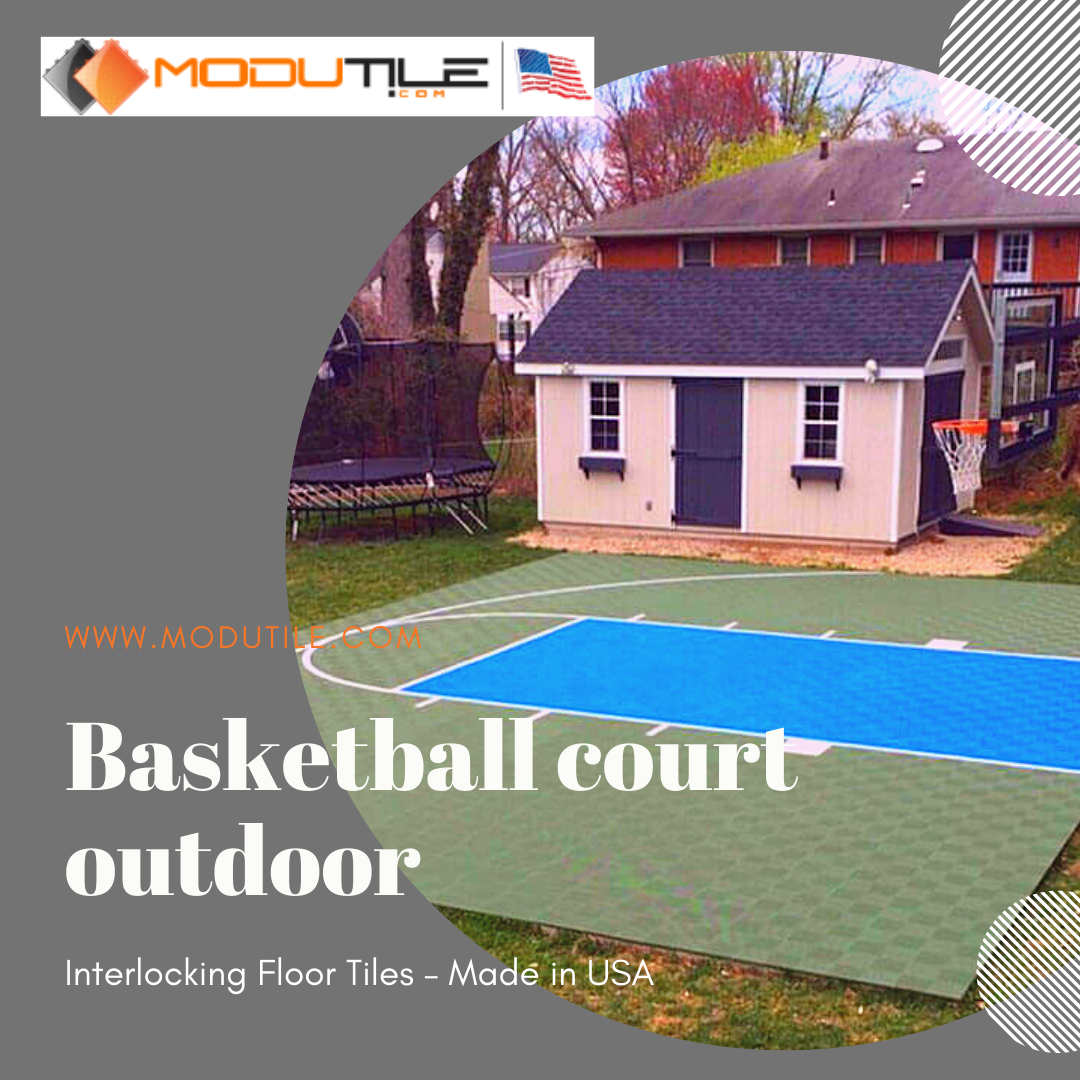
We provide high-quality sport court tiles for your backyard basketball court.
Customers can design and build their dream court with custom basketball court flooring to suit their needs.
High-quality basketball floor products help to improve the performance of athletes; also it is safe and durable.
Every court is not created equal; to play a solid game we need strong basketball court flooring.
Every sport court provides many years of playability and also they have low maintenance.
To take your little athlete to the next level builds a multisport game court with maximum versatility.
Introduction
A basketball court is more than just a playing area. It is a surface that affects every aspect of the game. The type of flooring influences how players move, how safe they feel