





Introduction
A basketball court is more than just a playing area. It is a surface that affects every aspect of the game. The type of flooring influences how players move, how safe they feel, and how long the court lasts. Choosing the right material is an important decision for facility managers, coaches, and community organizers.
There are several flooring materials commonly used for basketball courts. Each one has its own set of advantages and disadvantages. In this article, we will examine three of the most popular options: wood, silicone PU, and acrylic. We will also discuss how to choose the best material based on factors like budget, climate, and level of play.
Wood Flooring
Wood is one of the oldest and most traditional materials used for indoor basketball courts. It remains the standard for professional venues around the world.
The primary benefit of wood flooring is its natural shock absorption. When players run, jump, and land, the wood surface absorbs a significant portion of the impact. This reduces the stress on joints, tendons, and ligaments. Over time, this added protection helps lower the risk of injuries, particularly in the knees and ankles.
Wood also provides excellent traction. Basketball requires quick directional changes, sudden stops, and explosive movements. A wood surface offers the right balance of grip and slide, allowing players to move confidently without slipping.
However, wood flooring has notable disadvantages. It is expensive to purchase and install. Ongoing maintenance adds to the cost. Wood courts must be refinished regularly and kept at stable temperature and humidity levels. In humid conditions, wood can absorb moisture. This can lead to warping, squeaking, and unpleasant odors. The chemicals used to treat and seal the wood may also affect indoor air quality.
Silicone PU
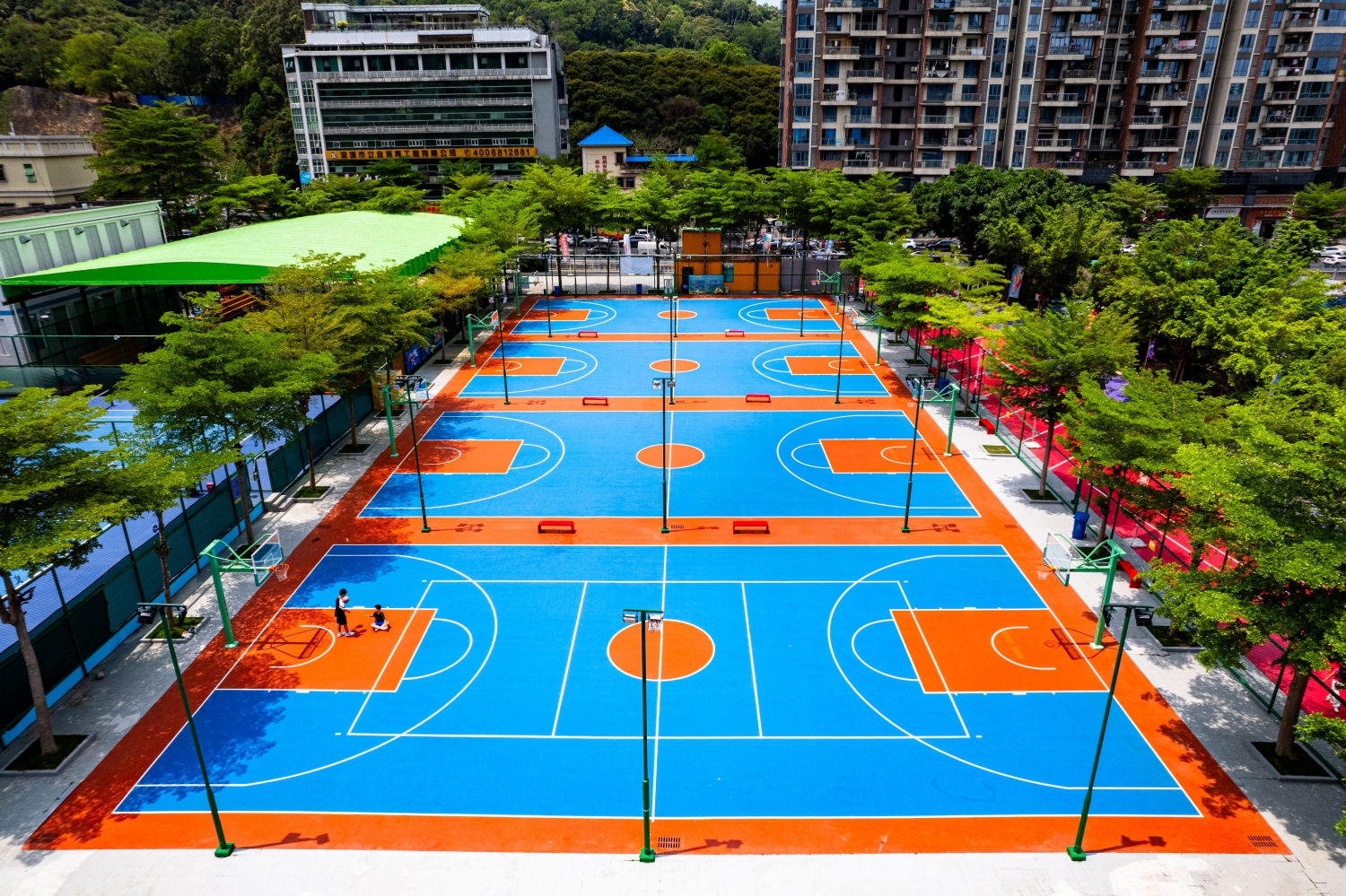
Silicone PU has emerged as one of the most popular modern alternatives for basketball court surfaces. It is widely used in schools, community centers, and recreational facilities.
The material offers strong elasticity, which provides good shock absorption. This helps protect players during intense games and practices. At the same time, the surface is firm enough to support fast movements and quick changes of direction.
Silicone PU is highly durable. It resists wear from constant use and holds up well under heavy foot traffic. This makes it ideal for courts that are used frequently.
Another key advantage is its performance across different weather conditions. Silicone PU maintains its properties in both hot and cold climates. It does not soften in extreme heat or become brittle in freezing temperatures. This versatility makes it suitable for both indoor and outdoor courts.
Installation of silicone PU is relatively quick and straightforward. The material is applied in layers over a prepared base. This reduces the construction timeline and allows the court to be put into use sooner. Maintenance requirements are also low. Regular cleaning and occasional inspections are usually sufficient.
Acrylic
Acrylic is a popular choice for outdoor sports surfaces, including some basketball courts. It is known for its bright colors and attractive appearance.
The main advantage of acrylic is its low cost. It is considerably cheaper than wood or silicone PU. For facilities with limited budgets, acrylic offers an affordable way to build or resurface a court. The material can be applied directly to existing surfaces like concrete or asphalt, which further reduces costs.
Acrylic surfaces are hard and flat. They provide consistent ball bounce and a stable playing surface. However, the hard surface offers less shock absorption than wood or silicone PU. Players who use acrylic courts regularly may experience more joint strain.
It is important to note that acrylic is more commonly used for tennis courts than basketball courts. Its hardness and surface characteristics are well suited for tennis but less ideal for the high-impact nature of basketball. For casual basketball use, however, acrylic remains a practical option.
Choosing the Right Material
Selecting the right flooring material requires consideration of several factors.
The level of play is a primary consideration. Professional competitions typically require wood courts due to their superior performance characteristics. For recreational and school-level basketball, silicone PU or acrylic may be more appropriate.
Budget is another key factor. Wood is the most expensive option, followed by silicone PU, with acrylic being the most affordable. The choice should align with available financial resources.
Climate also plays a role. In hot and humid regions, materials with good moisture resistance and temperature stability are preferred. Silicone PU performs well in these conditions. In cold, dry regions, materials that resist cracking at low temperatures are important. Silicone PU handles these conditions effectively.
The frequency of use should also be taken into account. High-traffic courts require more durable surfaces. Low-traffic courts can function well with less robust materials.
Conclusion
The flooring of a basketball court has a significant impact on player safety, performance, and court longevity. Wood remains the preferred choice for professional indoor venues. Silicone PU offers a versatile and durable option suitable for a wide range of settings. Acrylic provides an affordable alternative for casual and recreational use. By evaluating factors such as budget, climate, and level of play, facility managers can make informed decisions that serve players well for years to come.
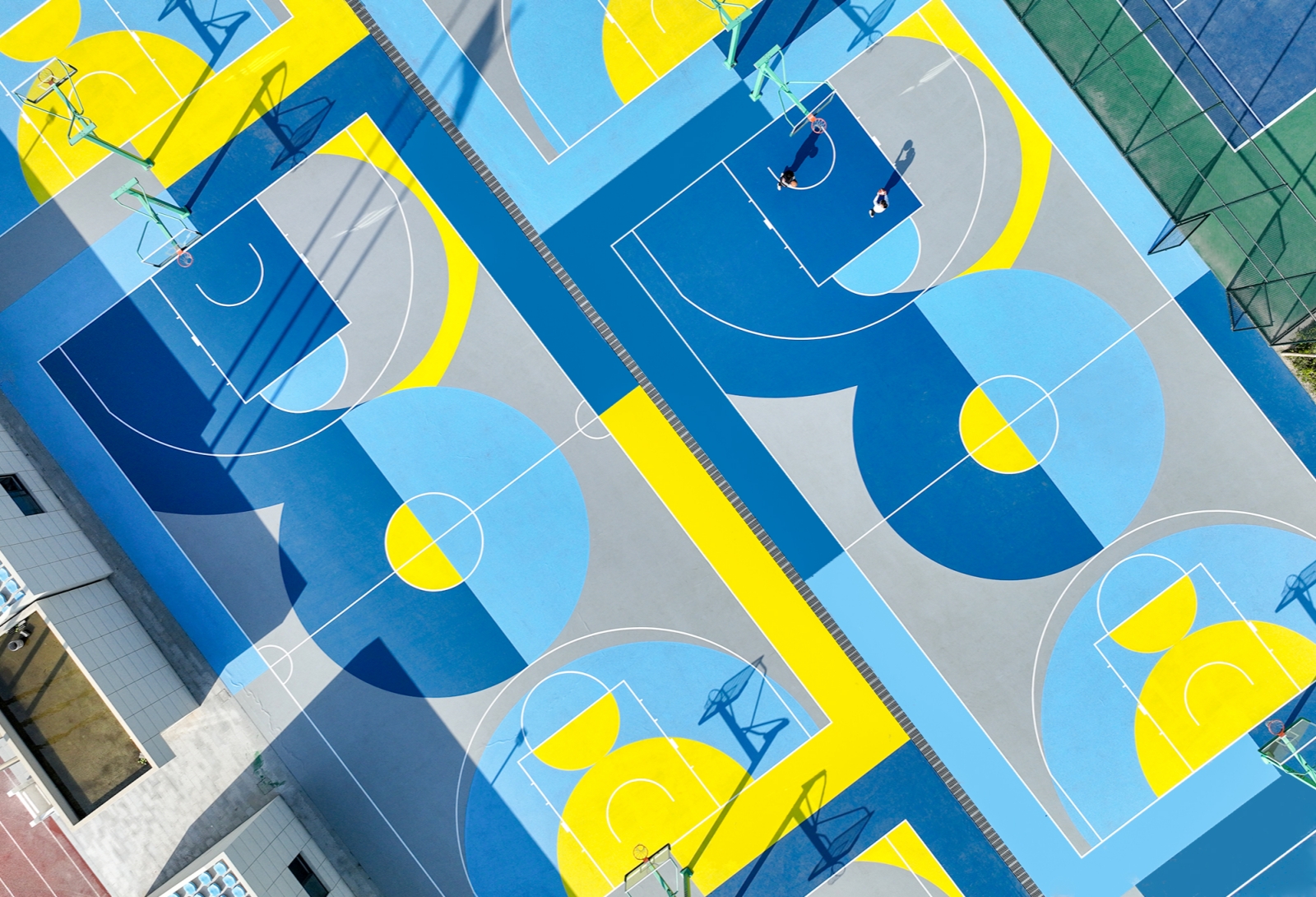
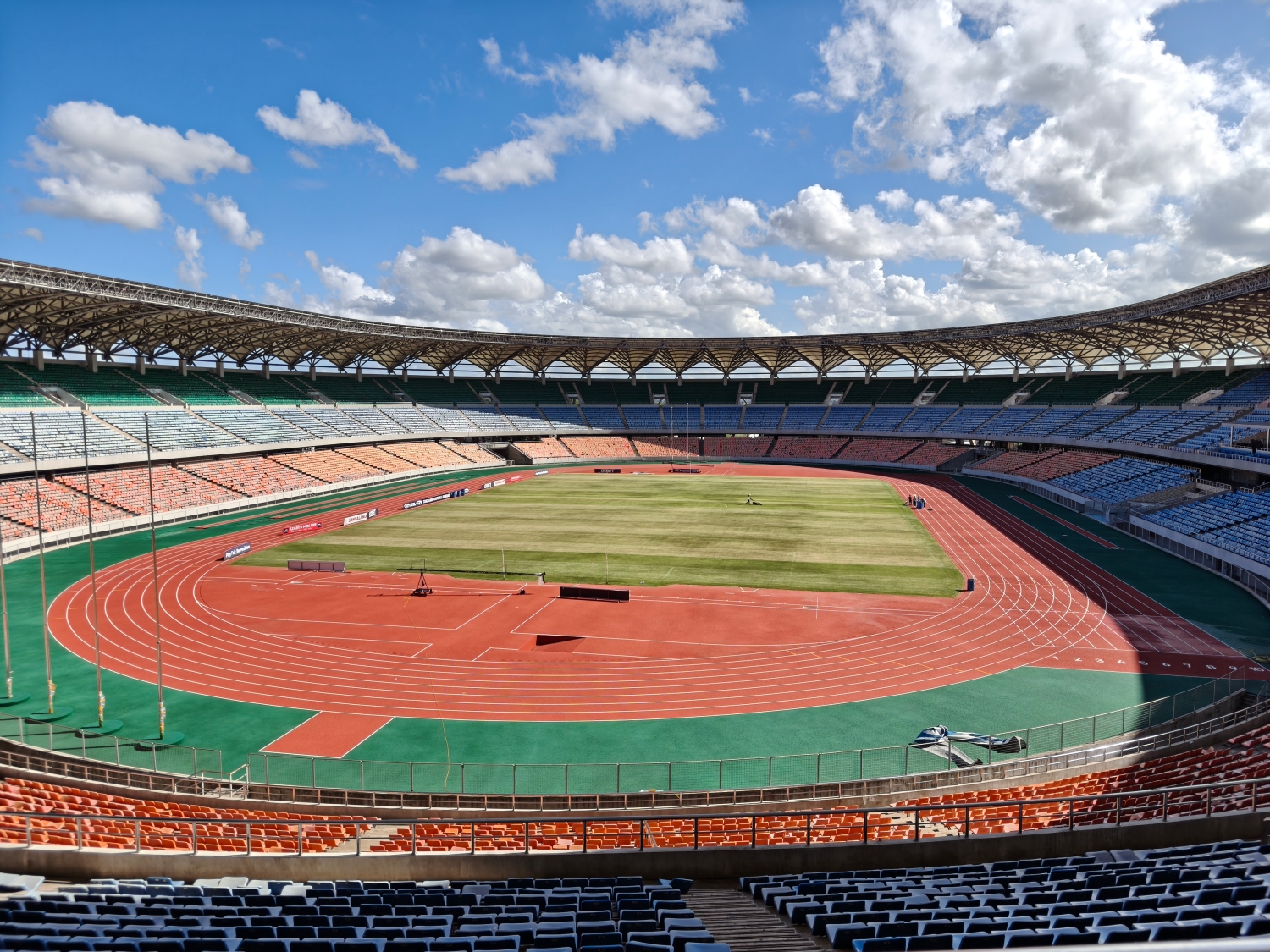


Most of the basketball court flooring needs to accommodate other sport and non-sporting activities.
Every basketball court needs to have some special features such as the court should be flexible, absorb ball shock, and improve ball bounce.
Our courts are durable and provide top-rated performance.
Our court delivers superior traction and ball control to giving our players to feel of hardwood without the hassle.
We develop our basketball court flooring with safety and performance in mind.
Our courts are perfect for outdoor purposes because they have UV-protection for direct sun exposure.
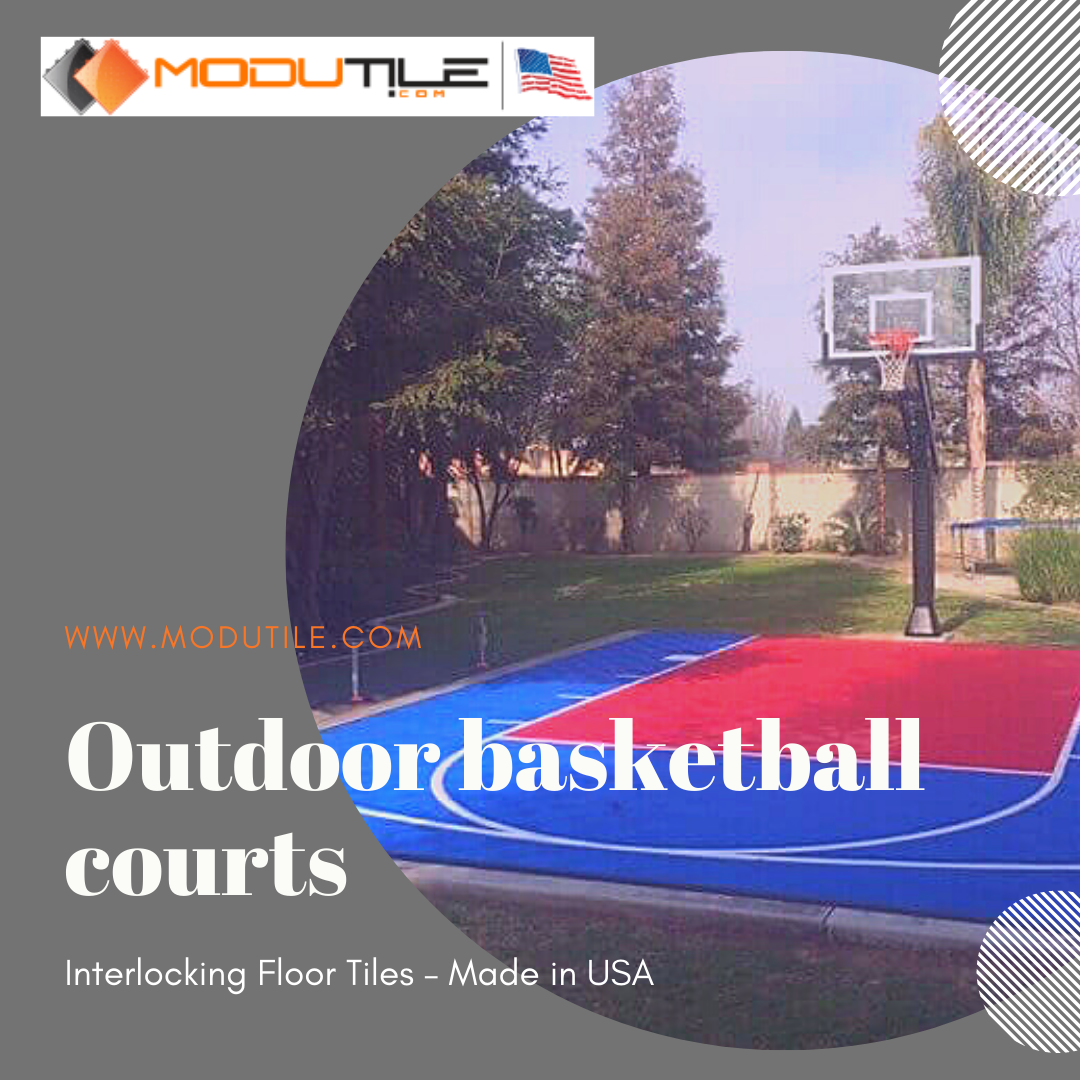
If you search for the best basketball court flooring options we provide a great addition to your backyard with our high-quality flooring tiles.
Make your backyard is a perfect surface for gymnasium and also the best surface for practice and pickup games.
Some flooring tiles are the best option for outdoor use and some are only for indoor use.
Some of them are designed for multisport use.
We also provide special court flooring kits for outdoor applications such as outdoor basketball courts, pickleball courts, and more.
Our experts guide you through the types of court flooring you can choose and also help to identify the best court flooring for each sport such as basketball, pickleball, and everything in between.
Introduction
When you watch a professional sports match, the court beneath the athletes' feet is one of the first things you notice. The colors are bold, clean, and consistent. But have you