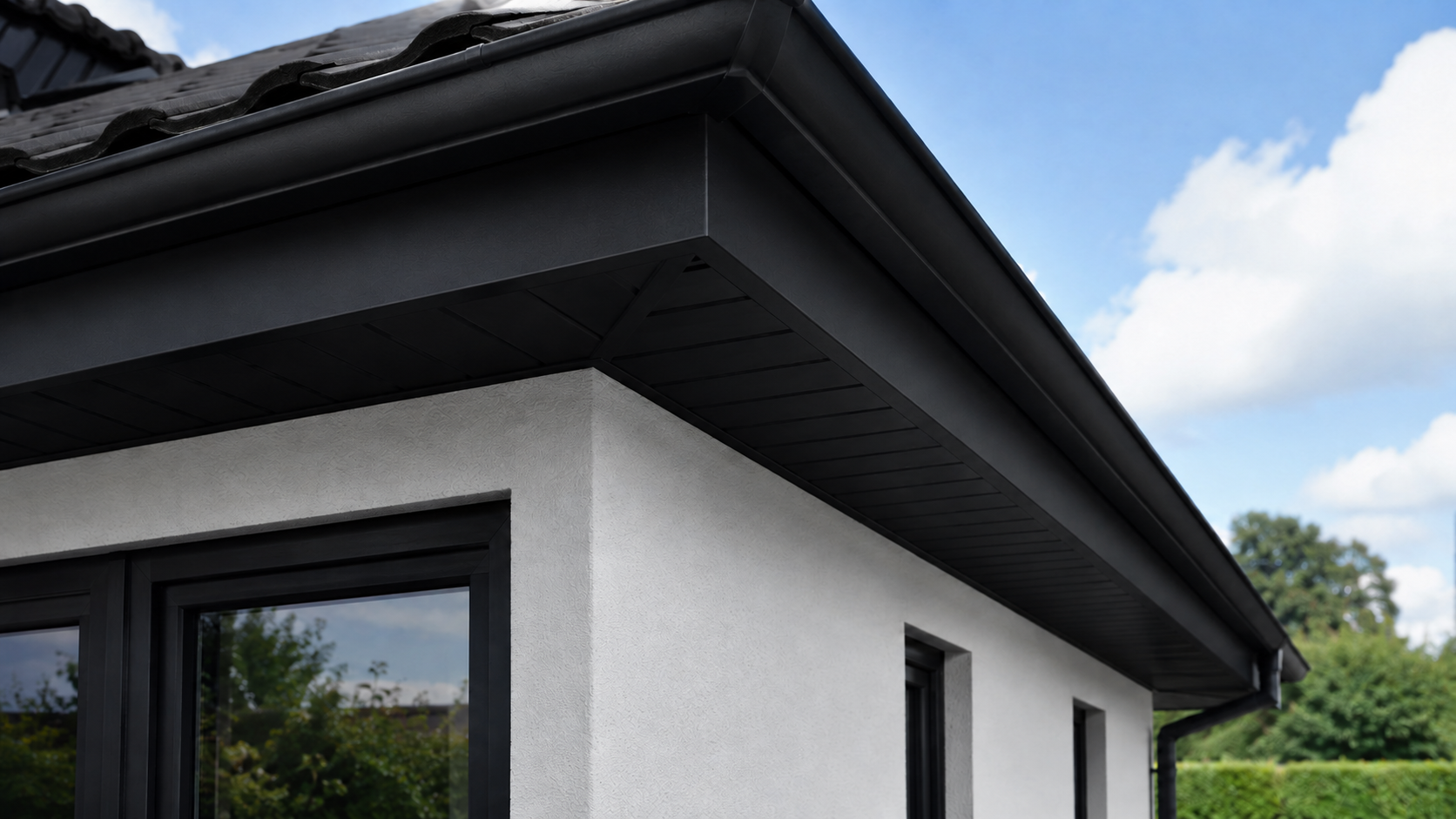
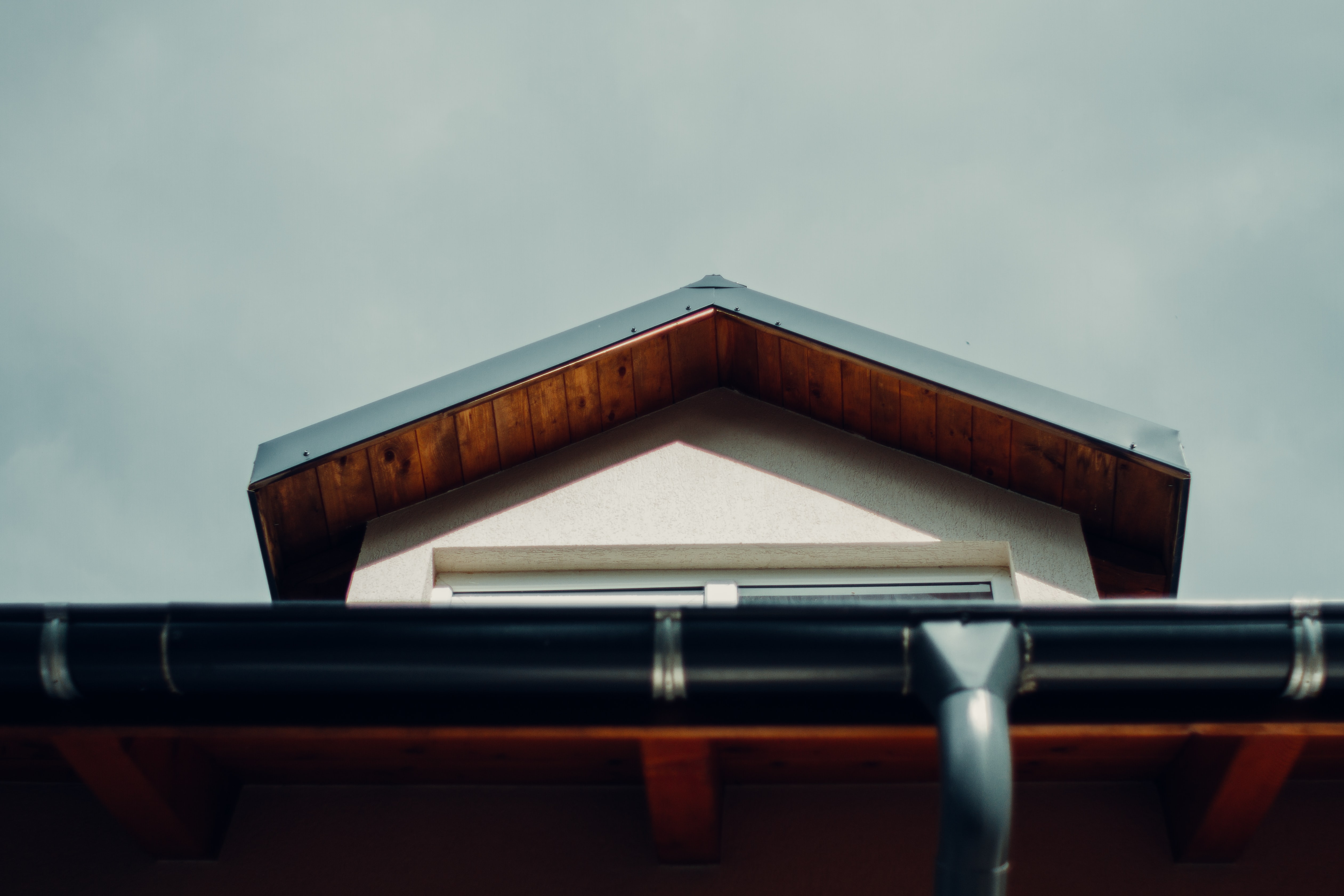
The eaves line of a building is shaped by more than the roof itself. Fascia boards and soffits create the visible edge and underside of the overhang, helping the roof sit neatly above the walls, windows and rainwater goods below.
Their influence is most obvious on extensions, garages and porches. A shallow roof edge may need a restrained fascia line and discreet soffit. A larger rear extension with wide glazing and deeper eaves may need a more defined roofline to balance the scale of the elevation.
Fascia boards and soffits should therefore be thought about in proportion to the building. The profile depth, visible face, soffit width, gutter line and colour direction all affect whether the finished roof edge looks calm and considered.
When profile choice and visible face depth are part of the conversation, the 2mm Type 3 aluminium fascia board provides a useful product example for understanding how aluminium fascia may be considered within a wider roofline requirement.
The Fascia Line Shapes the Elevation
Fascia is normally seen from a distance as a horizontal line at the outer roof edge. It can make a compact property feel more defined or support the clean geometry of a modern extension. Its visible depth should relate to the scale of the roof, wall height and surrounding exterior materials.
A fascia that appears too slight can disappear against a large elevation. One that feels visually heavy can make a small porch or garage look overbuilt. The aim is not to make the fascia the main feature. It is to give the roof edge the right level of definition.
Soffits help complete the effect. They form the underside seen when standing near the building, sitting on a patio or approaching a front entrance. A coordinated soffit can make the eaves feel finished, while an unrelated colour or material may draw attention to a detail that should otherwise feel natural.
The Wider Role of Gutters and Downpipes
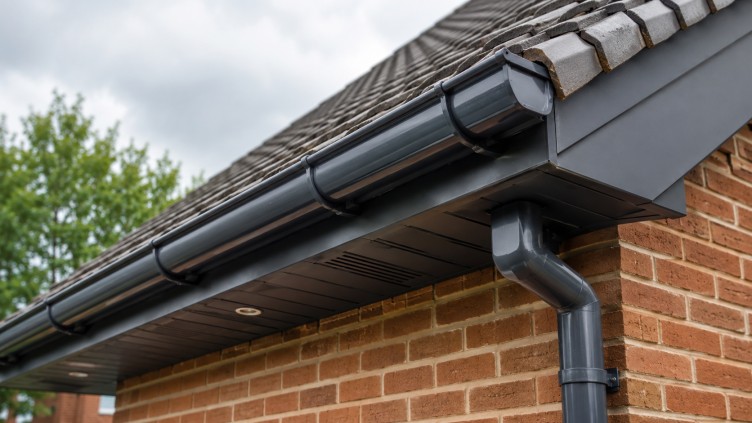
Gutters sit beneath the fascia and downpipes continue the rainwater route down the wall. They should not be treated as an afterthought once fascia boards and soffits have been selected. Their colour, profile and positions can affect the appearance of the whole roofline.
The aluminium rainwater goods range gives useful context for readers considering how gutters and downpipes may coordinate with fascia and soffit details. The final arrangement should still be based on roof falls, outlet positions, rainwater routes and project-specific requirements.
Where guttering runs along a long extension, the relationship with the fascia becomes even more visible. A consistent line can help the elevation feel orderly. Downpipes should also be considered in relation to doors, windows, paving, planting and exterior wall finishes.
Roofline Details Within a Wider Building Envelope
Fascia boards and soffits are part of a roof-edge arrangement that needs to relate to the broader wall and roof construction. For wider England-specific context, the Approved Document C guidance on resistance to moisture can be read alongside project drawings and the relevant roof detail. It is not a direct guide to selecting or fitting fascia boards and soffits, so the final arrangement should always reflect the individual property and project requirements.
Colour and Material Direction
Aluminium roofline details may be considered where fascia boards, soffits, gutters and downpipes need a more coordinated finish. A dark colour can create contrast against pale render. A colour that sits closer to the wall or roof finish can create a quieter appearance.
The right choice depends on the whole exterior palette. Brickwork, timber, roof tiles, glazing frames and paving can all influence whether a fascia colour feels balanced. It is usually better to assess the finish against the actual building materials than to choose it from an isolated colour chart.
A wide range of RAL or BS colour options may be available, subject to the selected finish and project requirement. The final colour should be considered alongside the visual proportion of the fascia and the amount of soffit visible beneath the roof edge.
A Better Starting Point for Project Discussions
Good early information makes roofline planning clearer. Roof-edge measurements, fascia dimensions, soffit depth, gutter runs, downpipe locations, photographs and drawings all help establish the actual requirement.
Corners, roof returns and changes in wall material should also be identified early. These are often the points where a roofline changes direction and where proportion becomes most noticeable.
Metal Profiles Ltd supplies aluminium fascia, soffits, rainwater goods and architectural metalwork for UK projects. Fascia boards and soffits may be considered together as part of a coordinated roofline requirement for domestic and commercial properties. Share roof-edge dimensions, fascia sizes, soffit depth, photographs, drawings, finishes and project context when discussing a roofline requirement. For product or project support, Contact Metal Profiles Ltd today.
Standing outside a house, extension, porch or garage, most people notice the walls, windows and roof shape before their eye settles on the roof edge itself. Yet that edge is often what brings the w