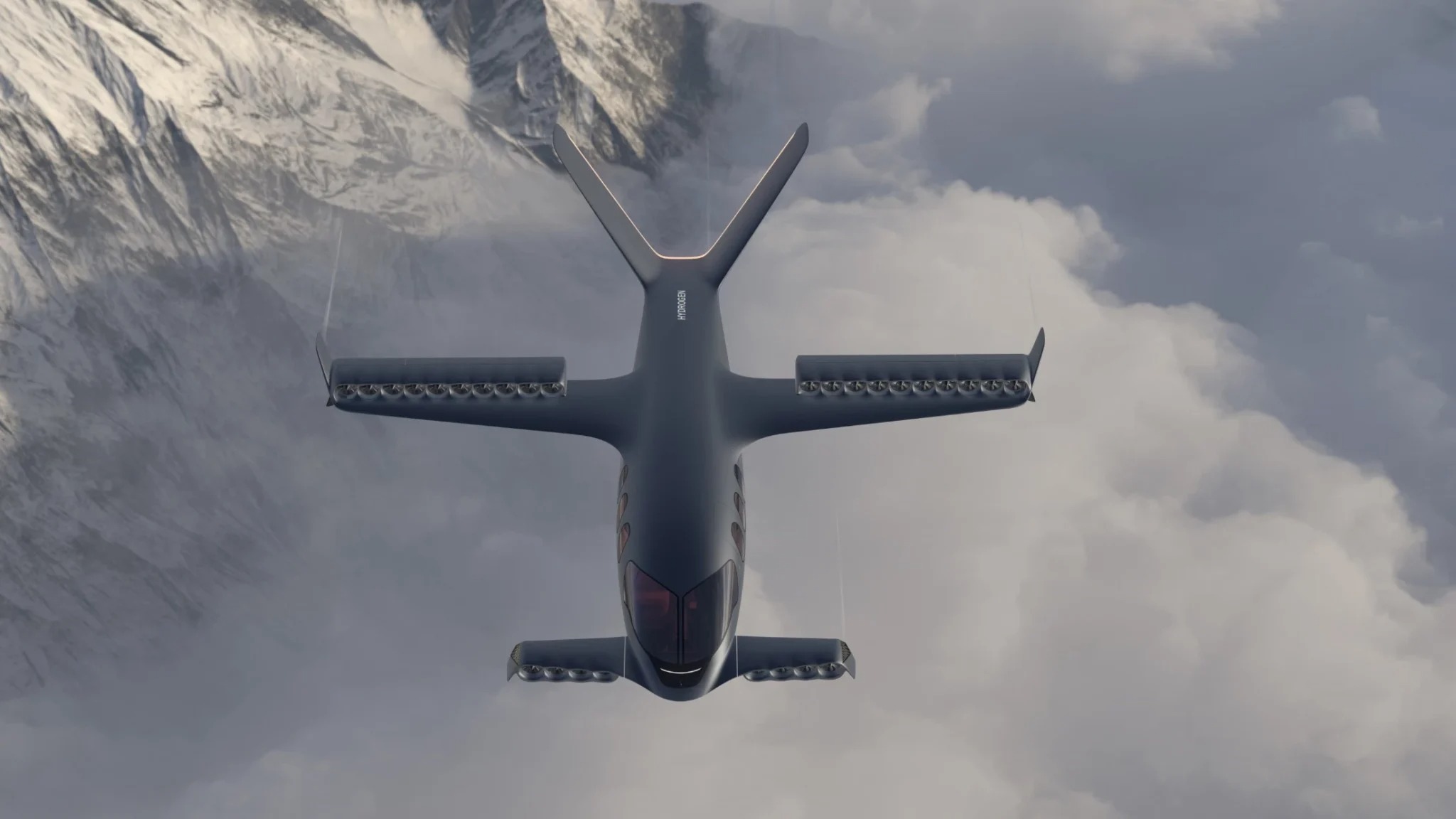



Aviation has always possessed a talent for accumulation. It collects numbers with the elegance of a duchess collecting scandals, but with far greater seriousness. Namely, every aircraft leaves behind a magnificent trail of measurements, messages, warnings, checks, reports, delays, repairs, fuel figures, route changes, weather impressions, crew notes, and maintenance histories. The sky may look serene from the ground, but beneath that serenity is a restless archive, brimming with facts that demand interpretation before they become wisdom.
The Absurdity of Abundant Information
There is a peculiar comedy in having too much information and too little clarity. Aviation knows this comedy well, although it rarely laughs at it. The industry has spent decades becoming wonderfully fluent in capture; aircraft record their own condition with almost indecent frankness. Engines confess heat, vibration, pressure, and fatigue. Maintenance systems collect work orders and component histories. Operations teams watch weather, gates, crews, fuel, payload, turnaround times, airspace constraints, and passenger connections. Fleet managers study utilization with the grave intensity of philosophers examining the meaning of existence, except with fewer candles and more dashboards.
Yet data, by itself, arrives in abundance and offers no manners. One source gives a fault code, another gives a delay reason, another gives a maintenance action, and so on. Each fragment may be accurate, but a thousand precise fragments can produce a blur if their relationships remain hidden. Aviation has rarely suffered from an absence of facts. What it has suffered from is the time lost in teaching facts to behave like knowledge.
The central opportunity for AI in aviation is, therefore, less theatrical than the public imagination often prefers. It is neither metal birds thinking romantic thoughts nor machines replacing seasoned judgment with a colder creed. It is the transformation of scattered signals into timely intelligence, the ability to recognize that a small vibration trend, a maintenance deferral, a climate pattern, a route profile, and a recurrent delay may belong to the same story.
Intelligence with a Taste for Patterns
Aviation data is grand, meticulous, and morally incomplete until interpreted. AI for aviation intelligence gains value because it can detect the faint pattern before it becomes a public event, a grounded aircraft, an angry operations call, or a maintenance surprise with a talent for arriving at midnight. Pattern recognition allows the ordinary to speak before it turns extraordinary.
Aircraft maintenance offers a vivid example. Components rarely fail with the courtesy of advance notice written in plain English. They shift slightly from normal behavior, repeat a minor complaint across flights, and appear in relation to temperature, route, load, operating cycle, or previous repair. Traditional threshold alerts can catch the obvious, which is useful, yet the valuable clue often arrives dressed as routine.
AI can compare current behavior with historical patterns across aircraft types, tail numbers, environments, maintenance actions, and operational contexts. It can suggest that a fault is likely to return, that an inspection deserves priority, or that a component’s remaining useful life is shorter than its calendar suggests.
The Search for Meaning
One of aviation’s least glamorous problems is fragmentation. A flight operation may depend on systems that were built at different times, purchased for different purposes, maintained by different teams, and guarded by different habits. Information sits in maintenance platforms, flight planning tools, crew systems, safety databases, engineering records, fuel programs, weather feeds, inventory systems, and messages that should have retired honorably years ago. Each system knows something, but few know enough.
AI can connect these divided records without flattening their meaning. It can help identify which delays are symptoms rather than causes, which maintenance findings correlate with certain operating conditions, which routes create repeated stress on specific fleets, and which planning assumptions collapse under seasonal pressure. The point is timely interpretation, not decorative automation.
Specialization protects rigor, but it can also create elegant rooms with thick walls. The maintenance expert, the dispatcher, the safety analyst, the finance team, and the fleet planner may each possess a portion of the truth. AI can help assemble those portions into a practical whole, provided governance prevents the creation of a new oracle with old errors inside it. Data quality, lineage, access control, and model validation are critical because a beautiful conclusion drawn from corrupted inputs is still a beautiful error. In aviation, these are expensive luxuries.
The Change Worth Making
The movement from data-rich to insight-rich requires clean records, shared definitions, practical governance, strong security, careful model design, and a willingness to measure whether decisions actually improve. It requires teams to treat data quality as an operational reality rather than a clerical virtue. It requires technology chosen for usefulness in difficult hours, not for applause in easy ones. Aviation needs intelligence that arrives on time, explains itself, and helps people make sound choices under pressure.
Aviation is an industry of consequences. It turns judgment into movement, maintenance into trust, scheduling into order, and information into safety. Its future will belong, in part, to those who can make their immense records speak clearly and promptly. Data will continue to accumulate; it has the temperament for it. The more difficult and valuable work is interpretation. When AI helps convert scattered evidence into timely understanding, the industry will gain a better ear for the truth already present in its machines, operations, and daily labor above the clouds.



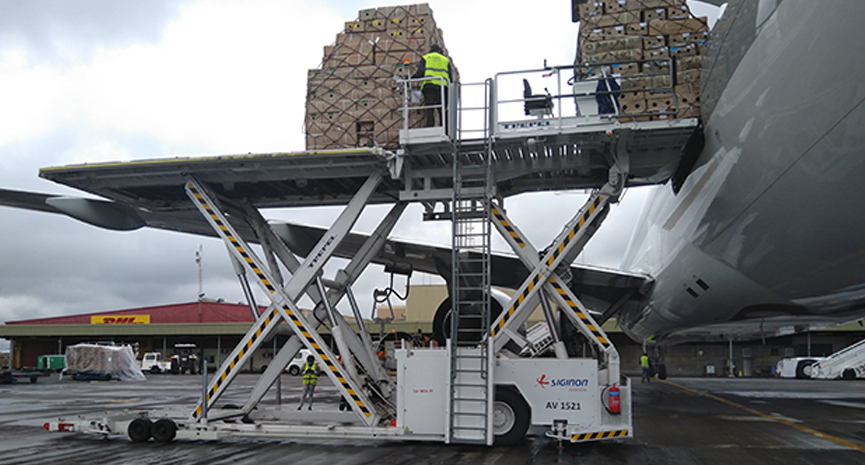
Siginon Aviation is pleased to announce a renewal on the standard ground handling agreement (SGHA) with Cargolux in its operations at the Nairobi’s Jomo Kenyatta International Airport (JKIA).