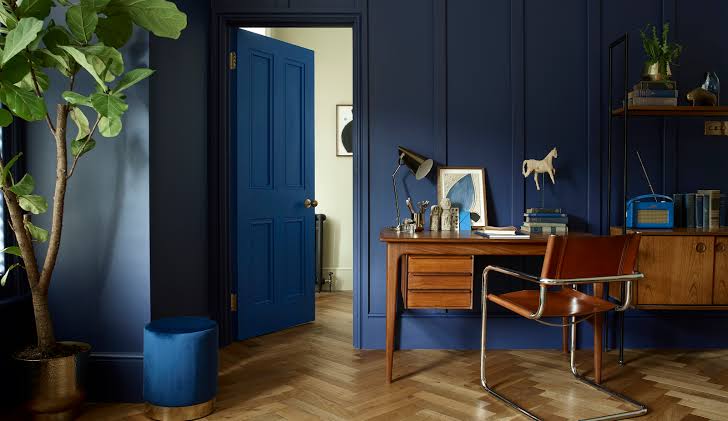
Selecting the right paint color is only part of creating a beautiful room. The finish you choose has a major impact on how the paint looks, performs, and holds up over time. From soft matte walls to high-gloss trim, each sheen level offers unique benefits depending on the room and the amount of daily wear it experiences.
According to Liz Etheredge, CEO of Mecklenburg Paint, "A paint finish should do more than look good; it should stand up to the demands of the space. When you choose a sheen based on durability and daily use, your walls will maintain their finish, resist damage, and require less maintenance over time."
Understanding how paint finishes differ can help you achieve the appearance you want while making future maintenance much easier.
Flat Finish
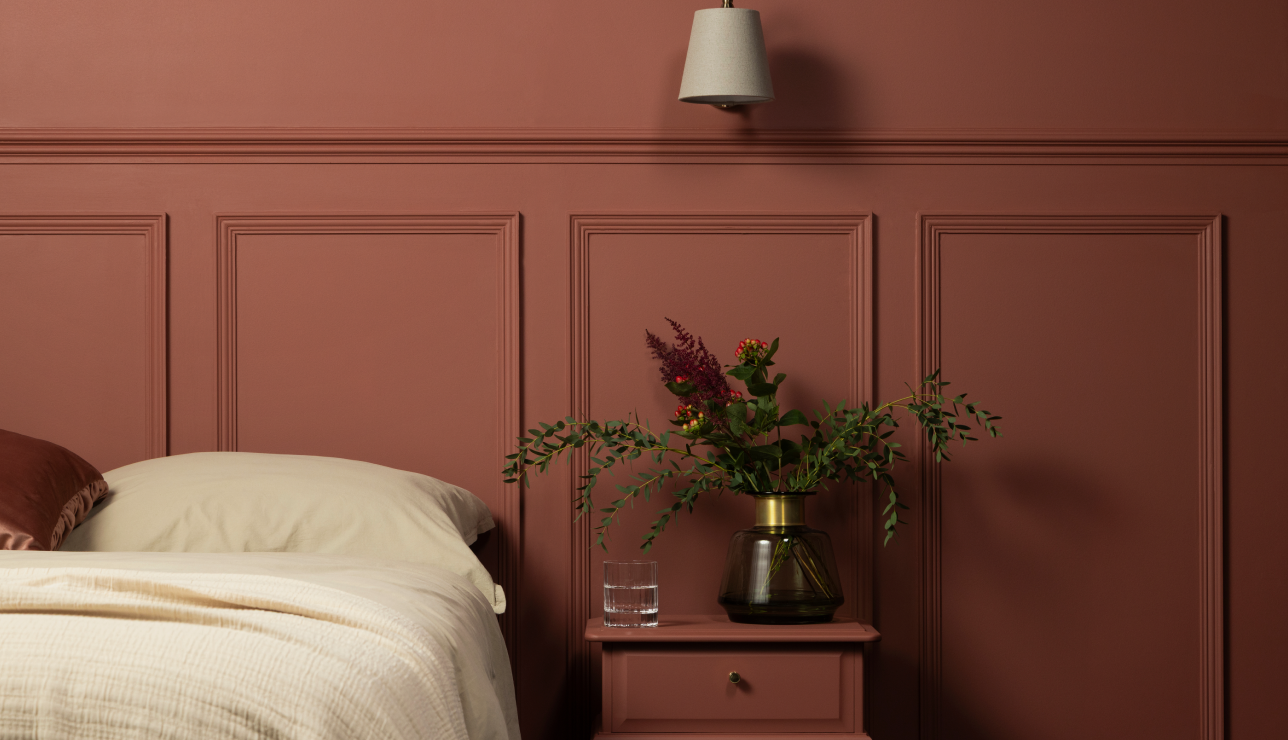
Flat paint has little to no shine, creating a smooth, understated appearance that works well in spaces where you want the wall color to take center stage. Because it minimizes reflections, it can also disguise minor imperfections in drywall or older plaster.
This finish is often chosen for ceilings, formal living rooms, adult bedrooms, and other low-traffic spaces. The tradeoff is that flat paint is generally less resistant to scuffs and can be more difficult to clean than higher-sheen options.
Matte Finish
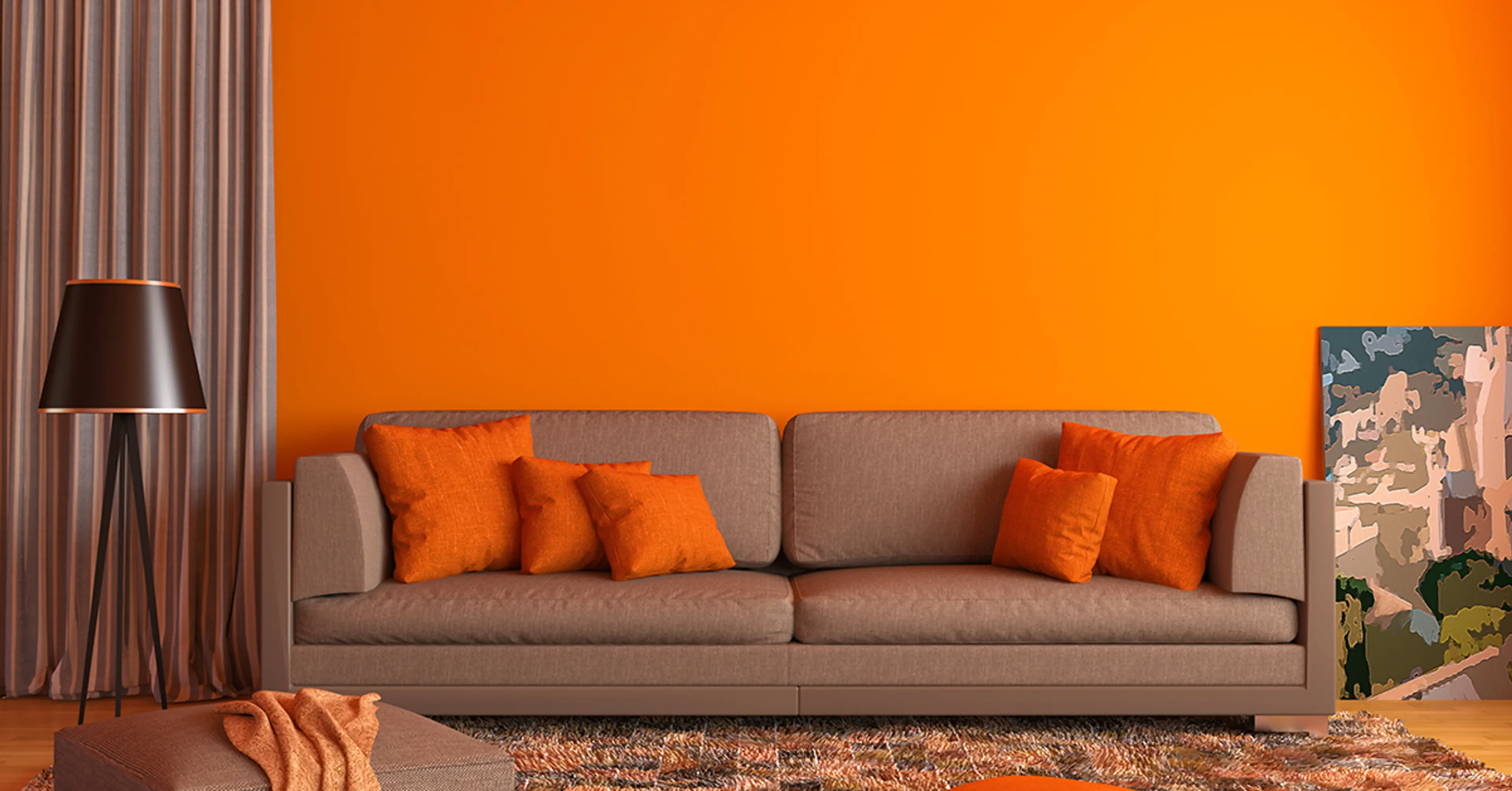
Matte finishes provide a slightly richer look than flat paint while maintaining a low-luster appearance. Many modern premium paints formulated with a matte finish offer improved washability, making them suitable for everyday living spaces.
Homeowners frequently use matte paint in family rooms, dining rooms, bedrooms, and home offices where they want a refined look without excessive shine.
Eggshell Finish
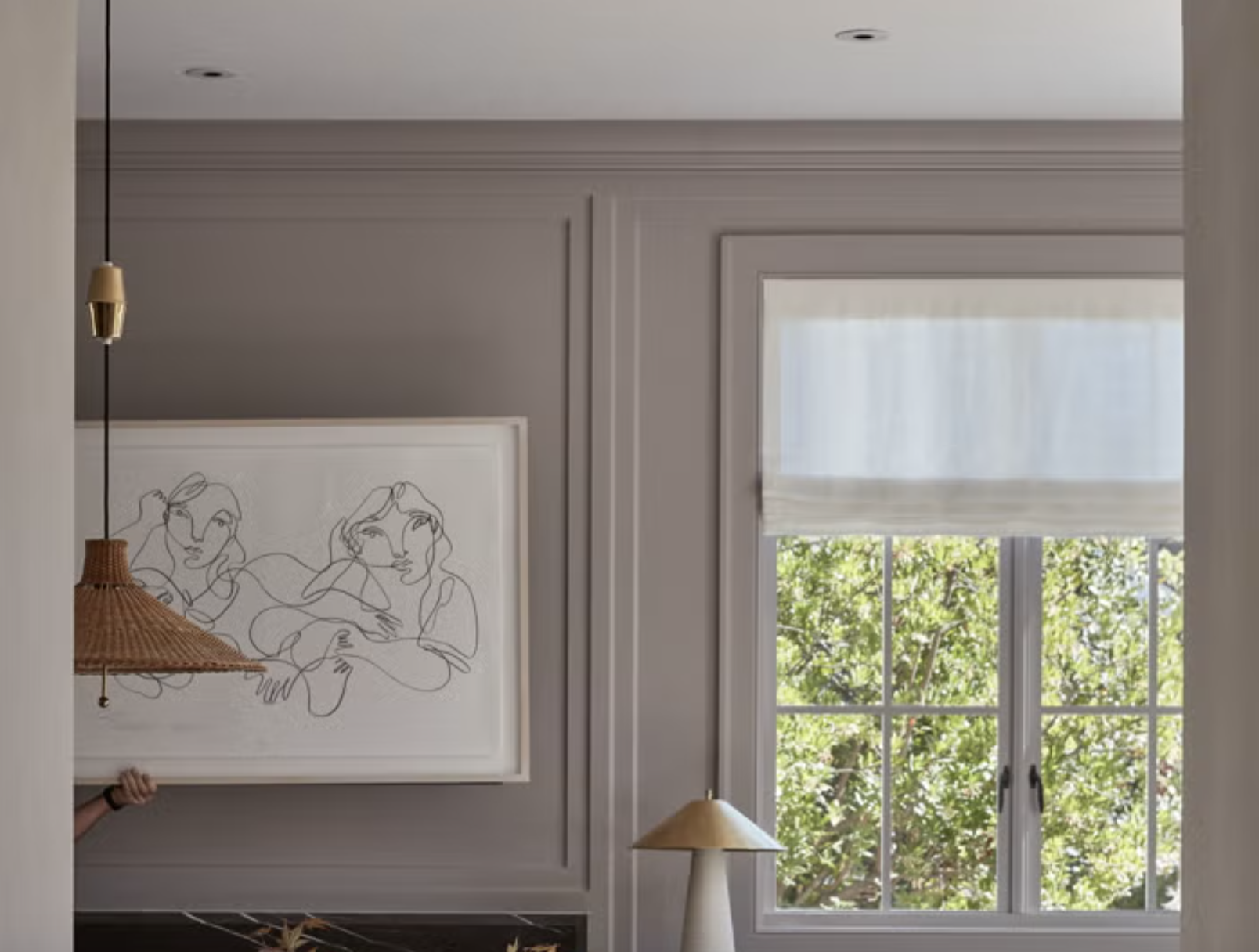
Eggshell is one of the most popular interior finishes because it balances aesthetics with practicality. Its subtle sheen adds depth to wall colors while remaining forgiving enough to hide many minor surface flaws.
Because it offers better stain resistance and easier cleaning than flat or matte paint, eggshell works well in hallways, living rooms, dining areas, and children's bedrooms where walls may occasionally need wiping down.
Satin Finish
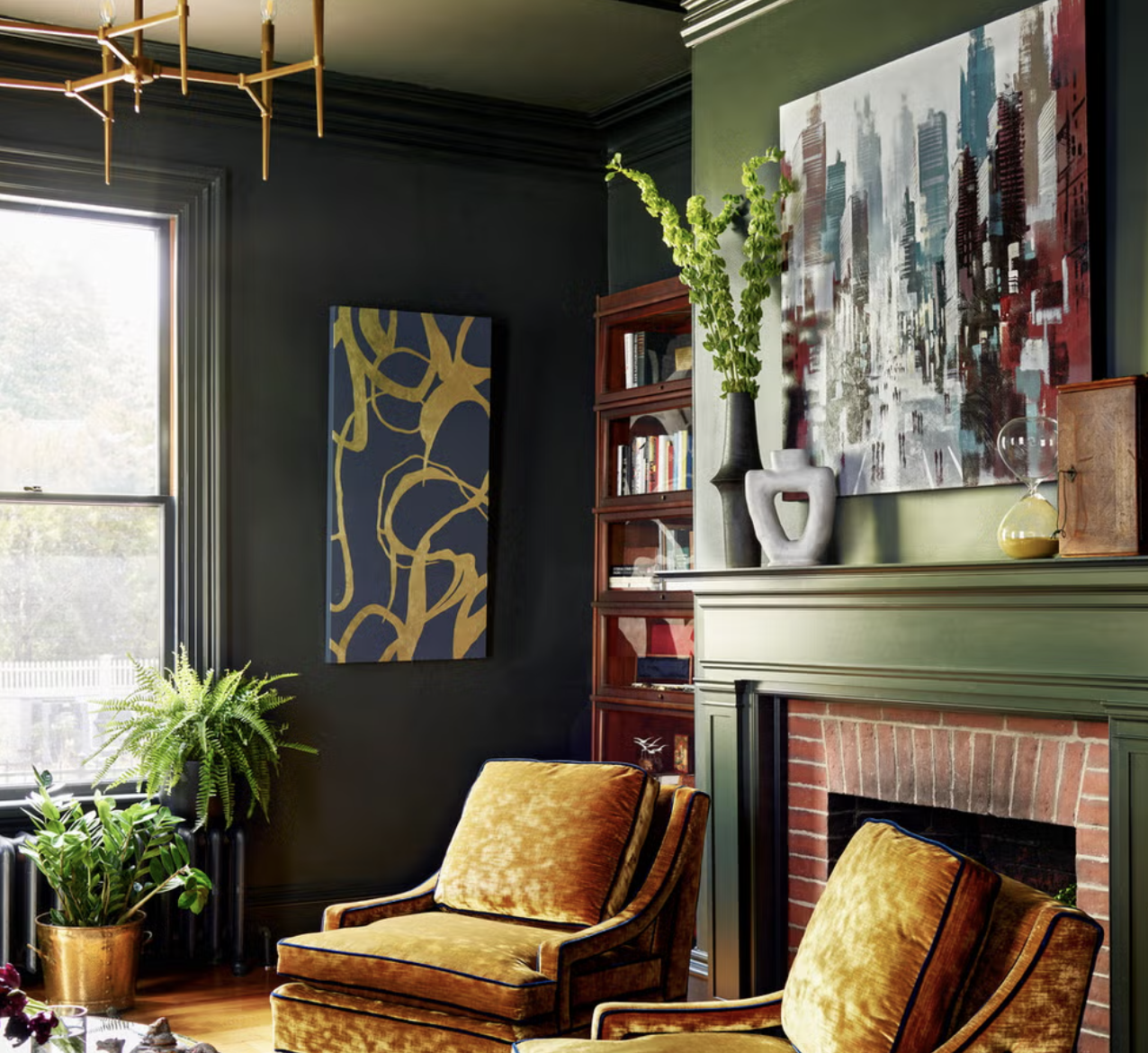
Satin paint has a soft, noticeable sheen and stands up well to regular cleaning. Its durability makes it a favorite for rooms exposed to moisture, fingerprints, or everyday activity.
Many homeowners choose satin for kitchens, bathrooms, laundry rooms, mudrooms, and high-traffic hallways. Since satin reflects more light, careful surface preparation helps create a smoother final appearance.
Semi-Gloss Finish
Semi-gloss delivers a brighter finish that resists moisture and frequent cleaning. It's commonly used on architectural details that benefit from extra durability.
Doors, trim, baseboards, window casings, cabinets, and bathrooms are excellent candidates for semi-gloss paint. The higher sheen also creates visual contrast against lower-sheen walls, helping decorative features stand out.
High-Gloss Finish
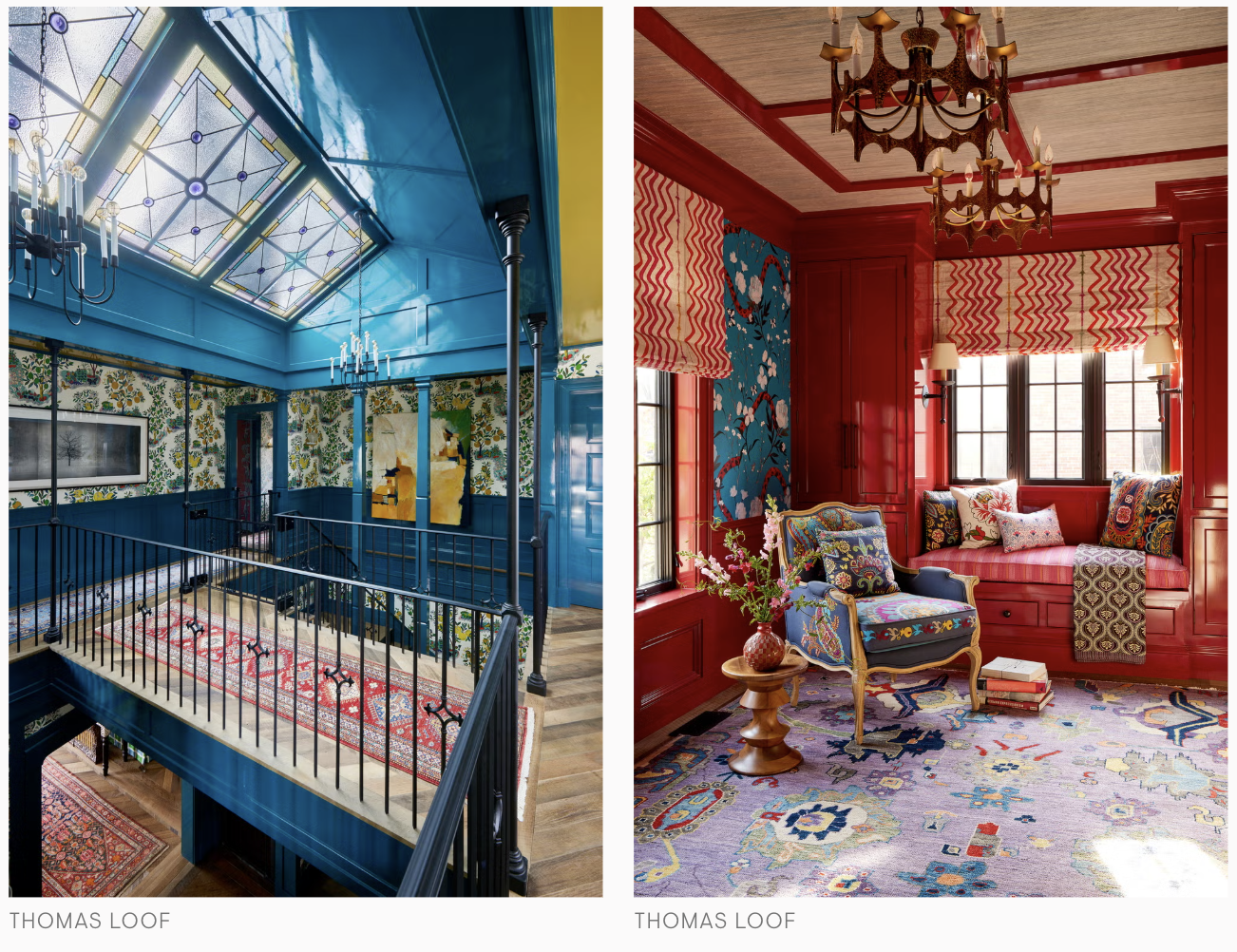
High-gloss paint provides the most reflective and durable surface available for most residential interiors. It creates a polished appearance and withstands repeated cleaning, making it ideal for surfaces that experience significant wear.
Because it highlights every imperfection, surfaces should be thoroughly sanded and prepared before application. High-gloss is often reserved for furniture, cabinetry, front doors, decorative trim, and other accent features rather than entire walls.
How to Choose the Best Paint Finish
When selecting a finish, consider these factors:
Traffic level: Higher-traffic spaces generally benefit from satin or semi-gloss finishes.
Moisture exposure: Kitchens, bathrooms, and laundry rooms perform best with moisture-resistant finishes.
Wall condition: Flat and matte paints help disguise uneven surfaces, while glossier finishes emphasize flaws.
Cleaning needs: Homes with children or pets often benefit from finishes that tolerate frequent washing.
Design style: Lower sheens create a softer, modern appearance, while glossier finishes produce more contrast and visual definition.
Frequently Asked Questions
Which paint finish is best for most interior walls?
Eggshell is often the preferred choice for interior walls because it offers a good balance between appearance and durability. It provides a soft sheen that's easier to clean than flat paint while still helping conceal minor wall imperfections.
What is the most durable paint finish?
High-gloss is generally the most durable paint finish. It resists moisture, stains, and repeated cleaning, making it ideal for trim, cabinets, doors, and furniture that experience frequent use.
Is satin or eggshell better for high-traffic areas?
Satin is usually the better option for busy areas such as hallways, kitchens, and family rooms because it withstands frequent cleaning and everyday wear. Eggshell works well in moderately used spaces where a softer appearance is preferred.
Can I use flat paint in a bathroom or kitchen?
Flat paint is not typically recommended for rooms with high humidity or frequent splashes. Bathrooms and kitchens perform better with satin or semi-gloss finishes, which are more resistant to moisture and easier to wipe clean.
Does paint sheen affect how a color looks?
Yes. Higher-sheen finishes reflect more light, which can make colors appear brighter or more vibrant. Lower-sheen finishes absorb more light, creating a softer, more muted appearance while helping hide surface imperfections.
Final Thoughts
Every paint finish serves a different purpose, and no single sheen is ideal for every room. By matching the finish to the function of the space, homeowners can achieve a balance of beauty, durability, and ease of maintenance. Taking the time to evaluate traffic, moisture, lighting, and wall condition before painting will help ensure results that continue looking their best for years to come.