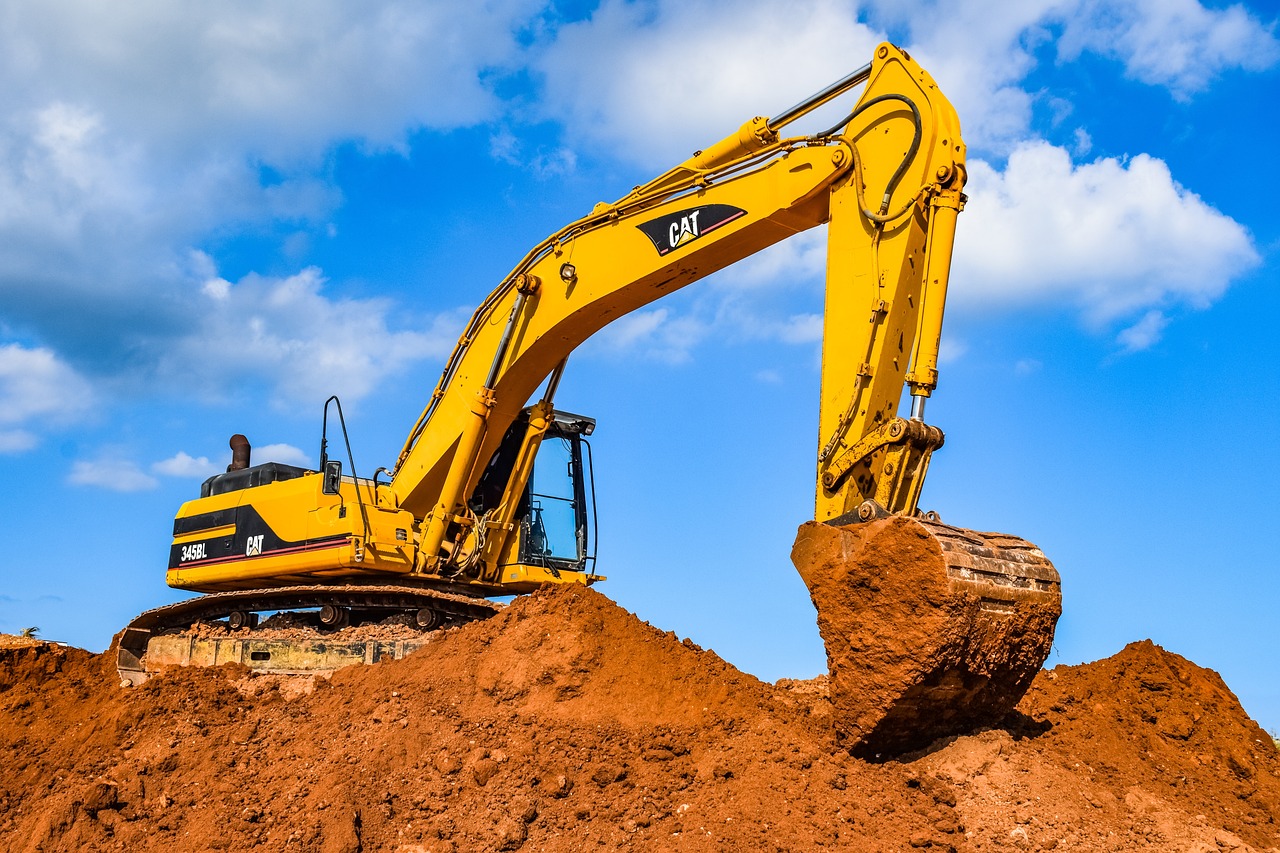
Summer is one of the busiest times of the year for construction, utility installation, and infrastructure repair projects. Longer daylight hours and favorable weather allow contractors to tackle more work, but increased excavation activity also raises the risk of striking underground utilities.
A damaged gas, electric, telecommunications, or water line can quickly turn a routine excavation into a dangerous situation. Beyond putting workers at risk, utility strikes can delay projects, increase repair costs, interrupt essential services, and create significant liability for contractors.
By following established excavation best practices and using the right equipment, crews can improve jobsite safety while maintaining productivity throughout the busy season.
Start Every Project With a Digging Plan
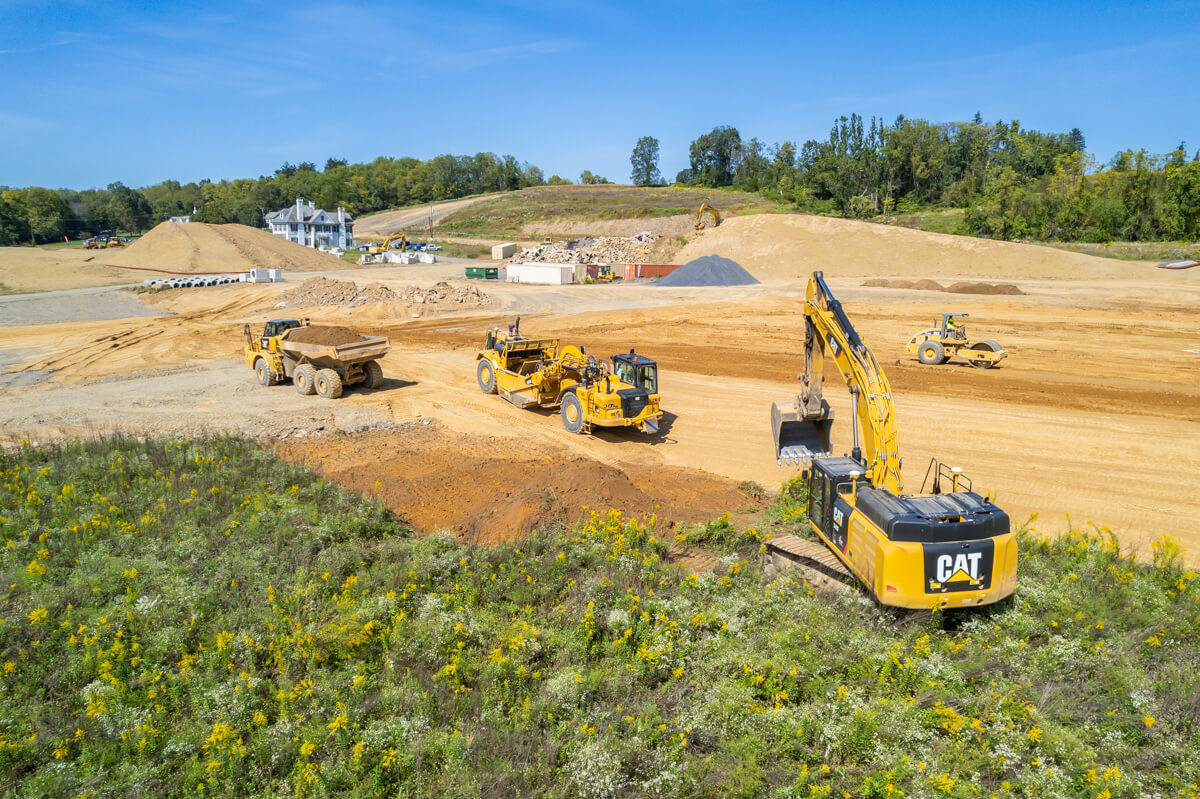
Successful excavation begins long before equipment arrives on-site. Every project should include a detailed plan that identifies work areas, potential underground hazards, soil conditions, weather considerations, and emergency procedures.
Different soil types, moisture levels, and debris can affect excavation methods. Planning for changing ground conditions helps crews adapt quickly without compromising safety or efficiency.
As Chris Sherman, Owner of Rhino Excavation and Trucking, explains:
"The safest excavation projects are the ones that begin with preparation. Spending extra time identifying underground risks before digging is far less expensive than dealing with damaged utilities or project delays later."
Always Locate Underground Utilities Before Digging
One of the most effective ways to prevent utility strikes is requesting underground utility markings before excavation begins.
In the United States, contractors and homeowners should contact 811 several business days before digging. The free service notifies participating utility companies, which send technicians to mark buried infrastructure such as:
- Natural gas lines
- Electric cables
- Water mains
- Sewer lines
- Fiber optic and communication lines
Crews should never assume previous markings are still accurate, particularly on active construction sites where grading or weather may have altered surface conditions.
Choose Excavation Methods That Reduce Risk
Vacuum excavation has become a preferred approach when exposing underground utilities because it minimizes the chance of damaging buried infrastructure compared to traditional mechanical digging.
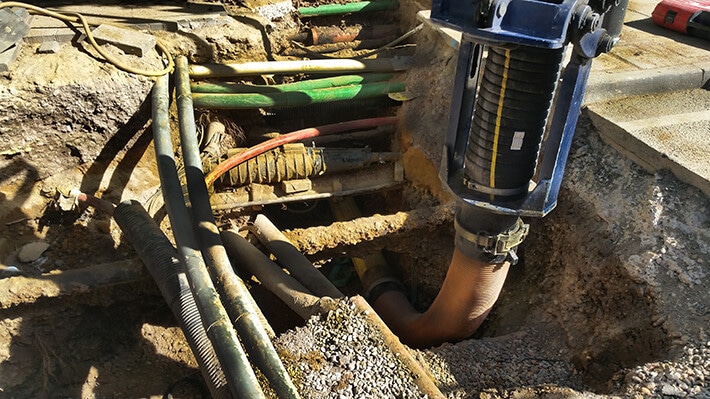
Hydro excavation combines pressurized water with a powerful vacuum system to safely remove soil while providing operators with greater visibility around existing utilities. It is especially valuable when working in congested utility corridors or performing daylighting operations before larger excavation begins.
Using equipment designed for precision excavation also allows crews to work more efficiently without sacrificing safety.
Keep Equipment Properly Maintained
Summer excavation often involves dry, dusty conditions that can place additional stress on trucks, pumps, filters, and vacuum systems.
Routine maintenance should include:
- Removing accumulated dirt and debris
- Inspecting hoses and fittings
- Checking water pumps and pressure systems
- Verifying vacuum performance
- Servicing filters and lubrication points
Well-maintained equipment operates more efficiently and reduces the likelihood of unexpected downtime during peak construction season.
Follow Safe Operating Practices During Excavation
Even with advanced excavation equipment, operator technique remains critical.
Crews should wear appropriate personal protective equipment (PPE), maintain awareness of marked utilities, and avoid directing high-pressure water or air directly at underground infrastructure. Industry best practices also recommend maintaining appropriate nozzle distance from buried utilities and avoiding prolonged stationary spraying in one location.
Supervisors should regularly review excavation procedures with operators, particularly when crews are working around aging or heavily congested utility systems.
Stay Prepared for Summer Weather
Heat, sudden storms, and changing ground conditions can affect both workers and excavation equipment.
Providing adequate hydration, scheduling breaks during extreme temperatures, and monitoring weather forecasts help reduce heat-related illnesses while keeping projects on schedule. After heavy rainfall, crews should reassess soil stability and excavation conditions before continuing work.
Remaining flexible allows contractors to respond safely to changing environmental conditions without introducing unnecessary risk.
Safe Digging Protects Workers, Infrastructure, and Project Timelines
Every excavation project carries some level of risk, but careful planning, utility locating, proper equipment maintenance, and safe operating procedures significantly reduce the likelihood of costly incidents.
By making safe digging practices part of every project—not just the most complex ones—contractors can protect their crews, preserve critical infrastructure, and complete jobs more efficiently throughout the busy summer construction season.




We all have seen the memes where people butter the guy with the DSLR for good pictures of themselves.
While there is humour in those jokes..For More Information visit our blog at http://netblogtips.com/photography-essentials-every-enthusiast-should-have/